
In the heart of the Deep South, where the Mississippi River carves its path through fertile soil and the air is thick with the scent of history and saltwater, Louisiana stands as a beacon of natural beauty. Known officially as the Pelican State, this region is celebrated for its unique blend of French, Spanish, and African heritages. Yet, beyond the bustling streets of the French Quarter and the rhythmic jazz of New Orleans, the state’s identity is deeply rooted in its botanical treasures. Chief among these is the state flower, a symbol of grace, endurance, and Southern charm.
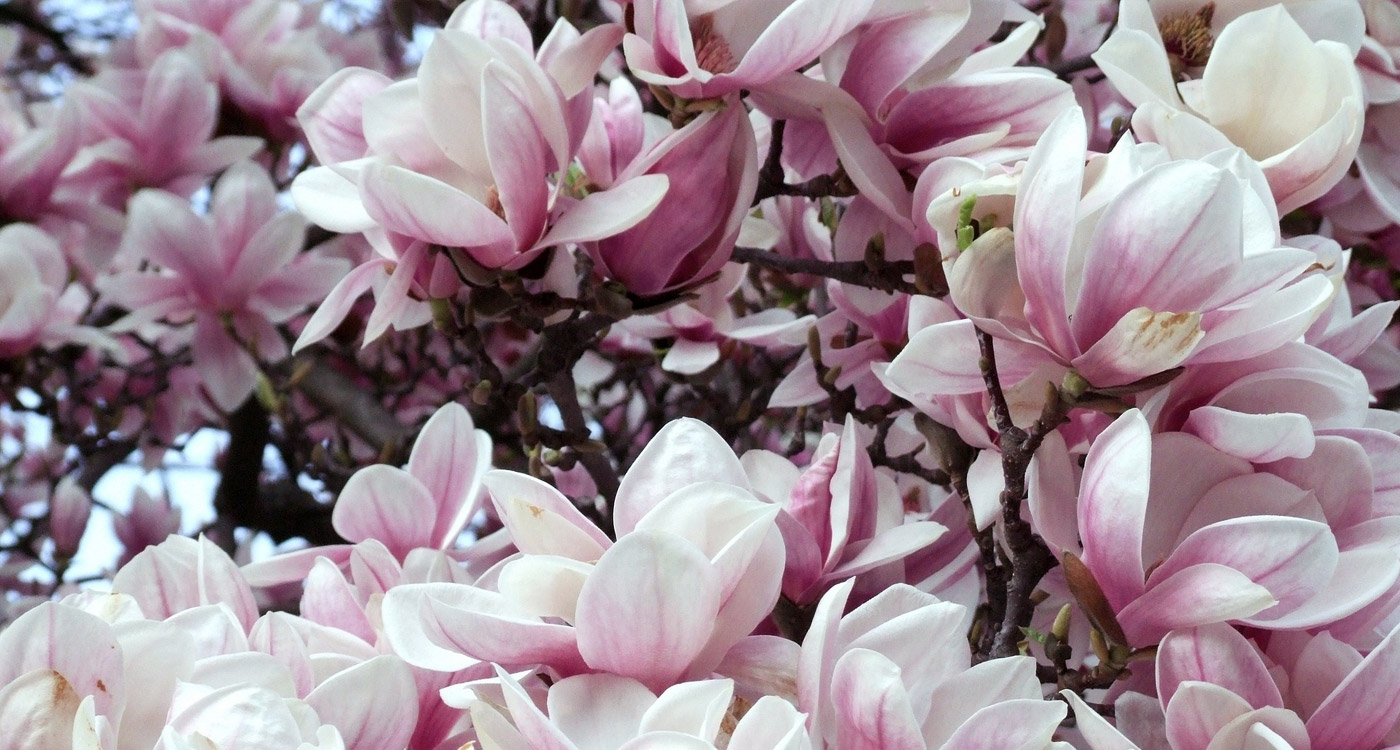
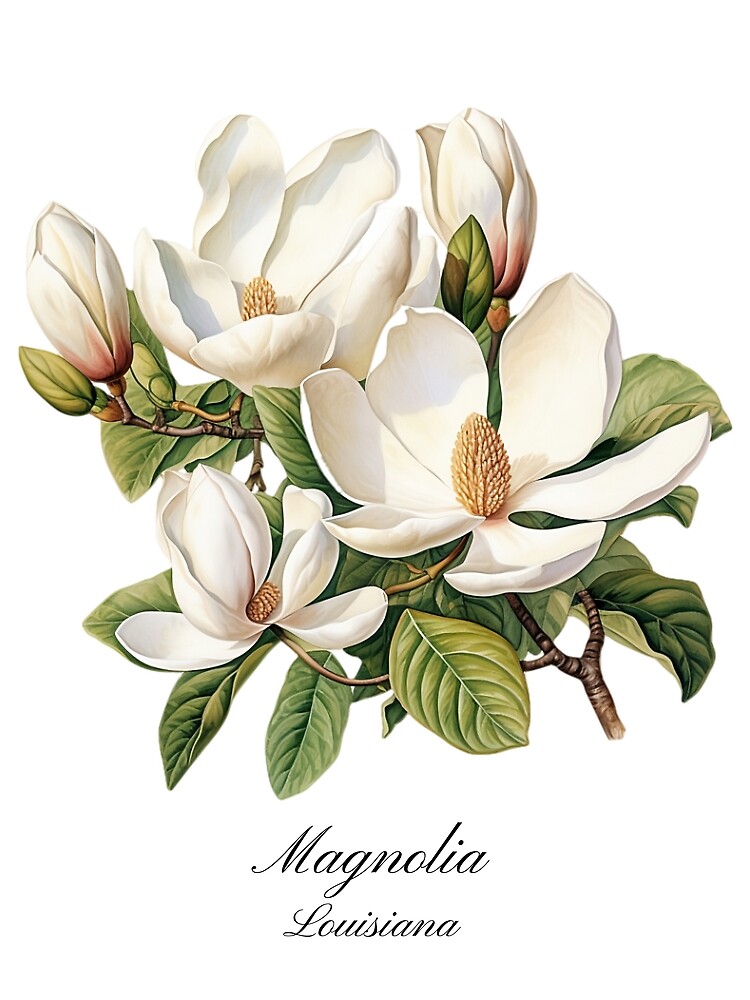
The state flower of Louisiana is the Magnolia, specifically the Magnolia Grandiflora. Designated as the official floral emblem in 1900, this creamy-white blossom is more than just a plant; it is a landmark of the United States Southern landscape. Whether you are wandering through the historic Garden District or exploring the vast estates in Baton Rouge, the presence of the Magnolia tree is an inescapable and enchanting part of the local environment.
The Magnolia Grandiflora: Louisiana’s Iconic State Flower
The selection of the Magnolia as the representative bloom for Louisiana was a decision that reflected the state’s pride in its natural abundance. Growing on large, evergreen trees that can reach heights of up to 80 feet, the Magnolia Grandiflora produces one of the most striking flowers in the North America continent.
Historical Background of the Magnolia Selection
The journey of the Magnolia to its official status began in the late 19th century. In 1900, the Louisiana State Legislature formally adopted the blossom due to its overwhelming prevalence across the state. At the time, Louisiana was seeking to solidify its cultural identity following the reconstruction era, and the Magnolia—with its sturdy trunk and fragrant, delicate petals—served as a perfect metaphor for the resilience and beauty of the state. It joined other symbols like the Brown Pelican and the Bald Cypress to form the trinity of Louisiana natural pride.
Botanical Features and Growth Habits
Scientifically known as the Magnolia Grandiflora, but often referred to as the Southern Magnolia, this tree is a marvel of the plant kingdom. Its leaves are thick, leathery, and dark green with a wax-like finish, often featuring a rusty-brown underside. The flowers themselves are massive, sometimes measuring up to 12 inches in diameter. They consist of 6 to 12 petals with a smooth, velvety texture. One of the most defining characteristics of the Magnolia is its scent—a heavy, lemon-citrus fragrance that permeates the humid air of Louisiana during the late spring and early summer months. These trees are exceptionally long-lived, with some specimens in St Francisville and Natchitoches dating back over a century.
Where to See Magnolias in Bloom Across Louisiana
For those interested in the botanical landmarks of the state, seeing the Magnolia in its natural habitat is a primary attraction. The trees bloom most vibrantly from May through July, providing a white-dotted canopy across the lush green landscapes of Cajun Country and the northern hills.
Exploring New Orleans Gardens
In the city of New Orleans, the Magnolia tree is an integral part of the urban architecture. Audubon Park, located in the Uptown neighborhood, features some of the oldest and most impressive Magnolia groves in the region. Visitors can stroll under the shade of these giants while viewing the lagoons and ancient oaks. Similarly, City Park offers a diverse collection of flora where the Magnolia stands as a sentinel of Southern tradition. The residential streets of the Garden District also showcase these trees, where their white blossoms contrast beautifully against the wrought-iron fences and Victorian-style mansions.

The Plantation Country and Nature Preserves
Moving toward the Mississippi River Road, one encounters the historic plantations that serve as living museums. At Houmas House and Gardens, the landscaping is meticulously maintained to highlight the Magnolia as a central feature of the estate. Further north, the Rosedown Plantation State Historic Site in St Francisville boasts a 13-acre garden inspired by the formal gardens of France and Italy, yet the Magnolia remains the star of the American collection. For a more rugged experience, the Kisatchie National Forest in central Louisiana allows nature lovers to see these trees growing wild among the pines and hardwoods.
The Significance of the Magnolia in Southern Culture and History
The Magnolia is not merely a botanical specimen; it is a landmark of cultural history. Its image has been used to represent the gentility and hospitality associated with the Deep South. In Louisiana, it appears on everything from state coins to local artwork.
Symbolism in Art and Literature
The Magnolia has long been a muse for artists and writers who have sought to capture the essence of Louisiana. From the famous “Steel Magnolias”—a term coined by Robert Harling in his play set in Natchitoches—the flower symbolizes women who are as delicate as a petal but as strong as steel. The bloom is often depicted in the paintings of New Orleans artists, representing purity and the timeless nature of the Gulf Coast lifestyle. Its presence in literature often denotes a sense of place, grounding stories in the humid, blossom-scented reality of the Bayou State.
Preservation Efforts and State Identity
As a natural landmark, the Magnolia is protected through various state initiatives. The Louisiana Department of Agriculture and Forestry works to ensure that these native species are not overtaken by invasive plants. Furthermore, the Magnolia is a key component of the Louisiana State Capitol grounds in Baton Rouge. Here, the trees provide a stately frame for the tallest state capitol building in the United States. Preserving these trees is seen as preserving the very “flavor” of Louisiana, ensuring that future generations of travelers and locals alike can experience the same sensory delights that have defined the state for over a century.
Beyond the Magnolia: Other Floral Symbols of the Pelican State
While the Magnolia holds the title of the state flower, Louisiana is home to a vast array of flora that contributes to its status as a premier destination for nature enthusiasts. In fact, the state has also recognized other plants to highlight the diversity of its ecosystems.
The Louisiana Iris: The State Wildflower
In 1990, the state legislature designated the Louisiana Iris as the official state wildflower. Unlike the towering Magnolia, the iris thrives in the wetlands and swamps of southern Louisiana, such as Lafayette and Lake Charles. These flowers come in a spectacular range of colors, from deep purples to vibrant yellows. The Louisiana Iris is a testament to the state’s ecological diversity, representing the “wild” side of the state’s natural landmarks. Travelers often head to Avery Island, home of Tabasco Sauce, to visit the Jungle Gardens where massive displays of these irises can be seen in the spring.
The Role of Flora in Louisiana Tourism
The botanical landmarks of Louisiana are a significant draw for the tourism industry. Festivals like the Louisiana Magnolia Festival and various garden tours in Shreveport celebrate the blooming seasons. For the visitor, these plants offer a way to connect with the land. Whether it is the shade of a Live Oak draped in Spanish Moss or the brilliant white of a Magnolia bloom, the flora of Louisiana serves as a living map of the state’s history and natural grandeur.
In conclusion, the Magnolia is far more than a simple answer to a trivia question about Louisiana. It is a towering landmark of the Southern landscape, a fragrant reminder of the state’s enduring spirit, and a vital part of the visual identity of the Deep South. From the historic streets of New Orleans to the quiet bayous of the north, the Magnolia remains the crowning jewel of Louisiana floral heritage. For any traveler exploring the United States, witnessing the bloom of a Magnolia Grandiflora is an essential experience, offering a glimpse into the soul of the Pelican State.
LifeOutOfTheBox is a participant in the Amazon Services LLC Associates Program, an affiliate advertising program designed to provide a means for sites to earn advertising fees by advertising and linking to Amazon.com. Amazon, the Amazon logo, AmazonSupply, and the AmazonSupply logo are trademarks of Amazon.com, Inc. or its affiliates. As an Amazon Associate we earn affiliate commissions from qualifying purchases.