
For anyone considering a move to the Sunshine State, planning an extended stay, or even just contemplating a long-term vacation rental in places like Miami or Orlando, understanding the financial practicalities of vehicle ownership is paramount. Beyond the allure of sun-drenched beaches and vibrant cultural scenes, the cost of living and the administrative requirements, such as vehicle registration, form a crucial part of the overall lifestyle equation. Whether you’re a snowbird eyeing a winter escape, a family relocating for work, or an adventurer planning to explore Florida’s diverse landscapes with your own vehicle, knowing how much vehicle registration will cost is an essential step in budgeting and planning. This comprehensive guide will break down the various fees, factors, and processes involved in registering a vehicle in Florida, ensuring you’re well-prepared for your journey into Florida life.
Understanding the Essentials of Florida Vehicle Registration
Navigating the administrative aspects of a new state can often feel daunting, especially when it involves something as crucial as vehicle registration. In Florida, the process is straightforward once you understand the components, but it does involve several distinct fees that contribute to the total cost. These costs differ significantly between initial registration for new residents or newly acquired vehicles and the annual renewal process.
Initial Registration for New Florida Residents and Vehicle Owners
If you’re moving to Florida and bringing your vehicle from another state, or if you’ve just purchased a new or used car within Florida that has never been titled there, you’ll encounter a set of fees that are notably higher than subsequent annual renewals. The primary component of this initial cost is the Florida New Resident Fee, often referred to as the “Original Registration Fee” or “Initial Registration Fee.”
This one-time fee is set at a substantial $225. It’s designed to cover the administrative costs associated with establishing a vehicle’s first registration in the state. This fee applies to any motor vehicle previously titled outside of Florida and subsequently registered in the state for the first time, or any new vehicle purchased in Florida that has not had its initial registration processed. This is a critical point for new residents to consider when budgeting for their relocation, as it’s a significant upfront expense.

In addition to the $225 initial fee, you’ll also pay:
- Title Fee: This fee covers the cost of officially recording your vehicle’s ownership with the state. For an electronic title, the fee is generally $75.25, while a paper title, if requested, costs $77.25. The electronic title is the standard and often preferred method, as it streamlines future transactions.
- License Plate Fee: When you register a vehicle for the first time in Florida, you will be issued a standard license plate. The cost for this is typically $28.
- Registration Fee (Prorated): Beyond the initial $225, you’ll also pay a registration fee based on your vehicle’s weight. This fee is calculated for either a one-year or two-year registration period, depending on your preference and eligibility. This is the same fee structure used for annual renewals but is included in your initial calculation. For instance, a passenger car weighing between 2,500 and 3,499 pounds would incur an annual registration fee of around $35.10.
Combining these fees, a new resident with a standard passenger car might expect to pay anywhere from $370 to over $400 for their initial two-year registration, including the one-time $225 fee. For example, a vehicle in the 2,500-3,499 lb range, opting for a two-year registration, might see an initial outlay of approximately $379-$381, factoring in the $225 initial fee, title fee, plate fee, and the two-year registration charge. This figure underscores the importance of factoring vehicle registration into your moving budget, especially if you’re establishing residency in popular tourist destinations or retirement communities across Florida.
Decoding Annual Vehicle Registration Renewal Costs
Once your vehicle is initially registered in Florida, the subsequent annual (or biennial) renewal process is significantly less expensive and more predictable. These costs primarily depend on your vehicle’s type and weight, along with a few minor administrative fees.
The core of your renewal cost is the registration fee, which is determined by the vehicle’s weight and class. For passenger cars, these fees typically range from $27.60 to $46.10 for a one-year registration. Trucks, due to their often heavier weight and different classification, usually fall into a slightly higher range, from $30.10 to $57.05 annually. The heavier your vehicle, the higher the registration fee.
In addition to the base registration fee, you will also incur:
- Service Fees: If you renew your registration online or by mail, a small convenience fee of $1.50 is usually applied. For those who prefer to renew in person at a local county tax collector’s office or a tag agency, the service fee is typically $2.50. Many residents of busy metropolitan areas like Tampa or Jacksonville find the online option convenient to save time, even with the small fee.
- License Plate Fee: An additional $2.00 license plate fee is charged for each year of registration. This helps cover the costs associated with maintaining the license plate system.
Factoring these components, most Florida residents can expect their annual vehicle registration renewal to cost between $30 and $60. For those opting for a two-year renewal (which is often encouraged for convenience and sometimes offers a slight per-year saving), these fees are simply doubled. This predictable cost makes it easier for residents, whether they’re retirees enjoying the Gulf Coast lifestyle or young professionals commuting in Fort Lauderdale, to budget for their ongoing vehicle expenses.
Key Factors Influencing Your Florida Vehicle Registration Fees
While the base costs for vehicle registration in Florida are relatively straightforward, several factors can influence your final bill. Understanding these nuances is key to accurately budgeting, especially for those who prioritize specific vehicle types or personalized license plates that reflect their lifestyle or interests.
The Impact of Vehicle Type, Weight, and Age
The most significant variable affecting your annual registration fee in Florida is the type and weight of your vehicle. The state employs a tiered system where heavier vehicles generally incur higher registration costs. This system applies to a wide range of vehicle types, from standard passenger cars to motorcycles, recreational vehicles (RVs), and various classes of trucks and trailers.
- Passenger Cars: As mentioned, cars fall into different weight categories, with lighter cars (e.g., under 2,500 pounds) typically having the lowest fees, and heavier cars (e.g., over 3,500 pounds) having higher fees. This can be a consideration for those purchasing new vehicles or relocating with a larger car.
- Trucks: Trucks often face higher registration fees than passenger cars, again due to their weight classifications. Commercial trucks and those used for specific purposes may have even more specialized fee structures.
- Motorcycles: Motorcycles generally have a flat, lower registration fee compared to cars and trucks, recognizing their lighter weight and different road impact. This makes them an appealing option for budget-conscious travelers or those seeking a minimalist lifestyle in sunny Florida.
- Recreational Vehicles (RVs) and Trailers: RVs and various types of trailers (utility, boat, travel trailers) also have their own fee schedules based on weight. For those planning extended road trips to Everglades National Park or a long-term stay at a campground, factoring in these costs for both the towing vehicle and the RV/trailer is essential.
- Age of Vehicle: While the age of the vehicle itself doesn’t directly influence the annual registration fee in Florida in the way that weight does, older vehicles might have different emissions requirements in some states (though Florida does not have statewide emissions testing) or could potentially influence insurance costs, which indirectly relate to overall vehicle ownership expenses.
The option to register for one or two years also influences the immediate outlay. While two-year registration typically means paying double the annual fee upfront, it offers the convenience of less frequent administrative tasks and sometimes a slight cost-saving over two separate one-year renewals. This can be particularly appealing for long-term residents, including retirees, who appreciate simplified annual routines.
Choosing Your License Plate: Standard vs. Specialty Options
Beyond the standard “Sunshine State” plate, Florida offers an incredibly diverse array of specialty license plates. These plates allow residents to express their interests, support causes, or showcase their affiliations, ranging from environmental conservation and collegiate pride to military service, professional sports teams, and various charitable organizations. However, opting for a specialty plate comes with an additional annual cost.
While the standard license plate is included in your initial registration for $28, specialty plates incur an extra fee that is added to your annual renewal. These additional fees typically range from $25 to $60 or more per year, depending on the specific plate. A significant portion of these fees is directed towards the cause or organization the plate represents, turning your vehicle into a rolling billboard for your chosen passion.
For example, a plate supporting sea turtle conservation, a specific Florida university, or a professional sports team like the Miami Dolphins, would add its respective surcharge to your annual registration bill. For many, this extra cost is a small price to pay for the opportunity to make a statement and contribute to a cause they care about. However, it’s an important factor to consider when calculating your total annual vehicle expenses, especially if you’re on a tight budget while exploring the lifestyle options in places like Sarasota or Naples.
Navigating County-Specific Charges and Service Fees
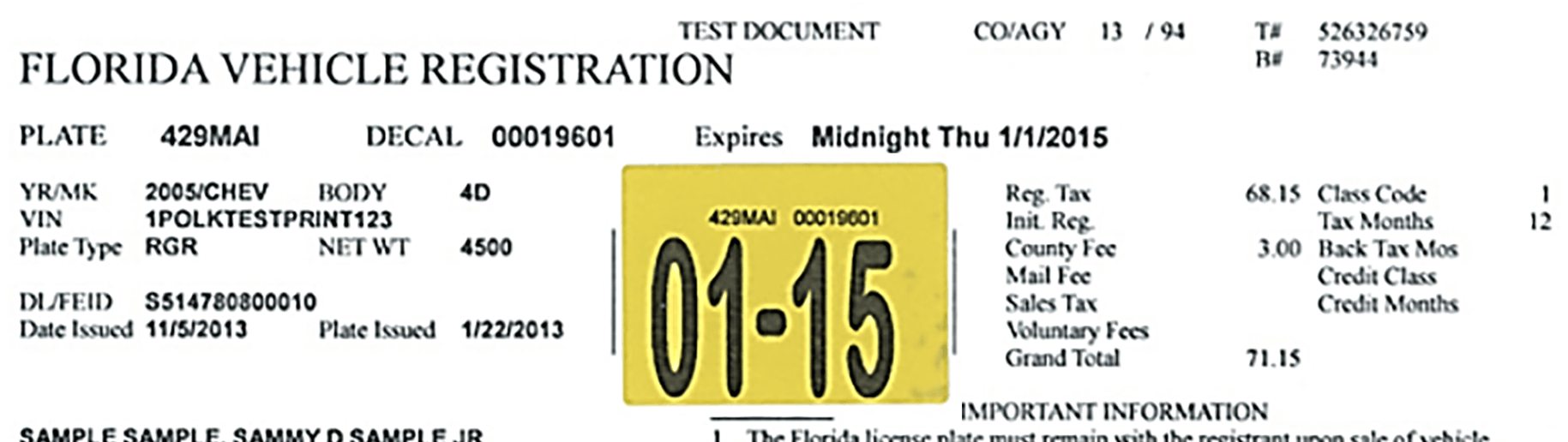
While vehicle registration fees are primarily set at the state level by the Florida Highway Safety and Motor Vehicles (FLHSMV), there can be minor variations and additional charges at the county level, primarily in the form of local surcharges or service fees.
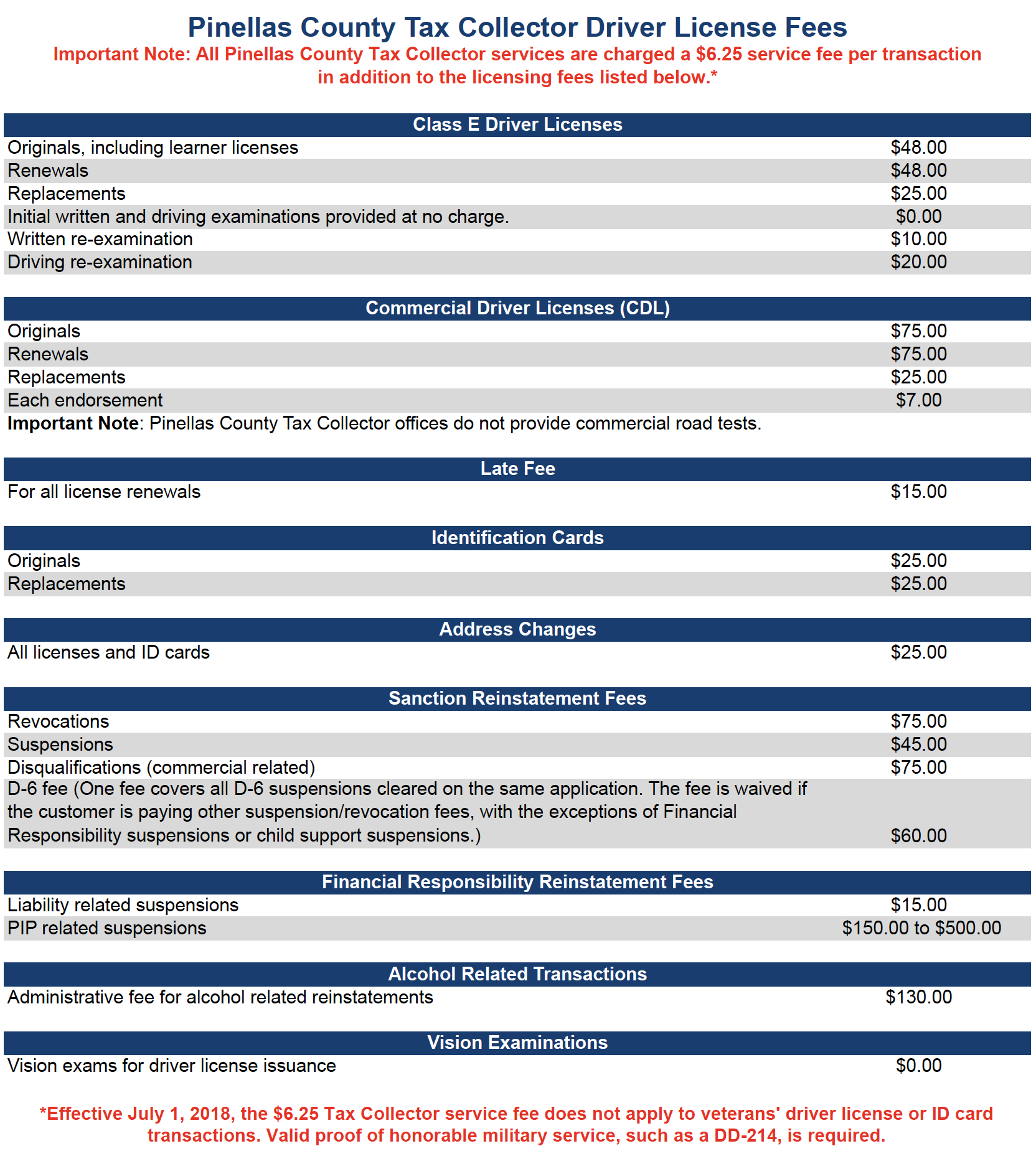
Most of the fees discussed – the initial $225 fee, title fees, and the annual registration based on weight – are standardized across all 67 counties in Florida. However, local county tax collector’s offices, which are often the point of contact for vehicle registration and renewals, may impose small service fees for processing transactions. As mentioned, these are typically $1.50 for online/mail transactions and $2.50 for in-person services. These fees help support the operational costs of the local offices.
In some rare instances, a specific county might have a very minor additional local option fee tied to vehicle registration, although this is less common for the core registration itself and more often seen with other related services. For example, a large metropolitan area like Miami-Dade County might have a slightly different fee structure for certain specialized services, but the fundamental registration fees remain consistent statewide. It’s always advisable to check with your specific county’s tax collector’s office website for the most precise local information, especially if you are settling in a new area. For instance, if you are planning to make Key West your home, understanding local specifics can ensure a smooth transition.
Beyond the Basics: Practicalities for Visitors, Relocators, and Florida Lifestyles
Understanding the costs of vehicle registration is more than just knowing a number; it’s about integrating these expenses into the broader context of living, traveling, and experiencing Florida. Whether you’re a new resident, an extended visitor, or a long-time Floridian, these costs have implications for your budget and lifestyle choices.
Crucial Information for Out-of-State Transfers and Temporary Stays
For those moving to Florida from another state, the clock starts ticking the moment you establish residency. New residents are required to register their out-of-state vehicles within 10 days of becoming a Florida resident. This prompt action is crucial to avoid potential penalties. Establishing residency can be triggered by various factors, such as gaining employment, enrolling children in public school, or filing for a homestead exemption.
When transferring your out-of-state vehicle, you’ll need to present several key documents:
- Proof of Ownership: This typically means your out-of-state title. If there’s a lien on the vehicle, you’ll need the lienholder’s information.
- Florida Insurance: You must have valid personal injury protection (PIP) and property damage liability (PDL) insurance from a Florida-licensed carrier.
- Personal Identification: A valid driver’s license from any state (though you’ll need to obtain a Florida license within 30 days).
- Odometer Reading: The current mileage on your vehicle.
- Vehicle Identification Number (VIN) Verification: This is often done by a Florida law enforcement officer or a licensed dealer to ensure the vehicle matches its documentation.
For visitors planning an extended stay but not establishing residency, the rules are different. Generally, if you maintain your permanent residence and vehicle registration in another state, you can use your out-of-state plates for up to 90 days in a 365-day period. This is particularly relevant for “snowbirds” who spend winters in popular spots like St. Petersburg or Boca Raton. However, if your stay exceeds this period or if you begin to exhibit signs of Florida residency (e.g., getting a job), you would then be required to register your vehicle in the state. Understanding this distinction is vital for avoiding fines and ensuring compliance during your visit to the United States.
Budgeting for Florida Vehicle Costs in Your Travel and Lifestyle Plans
The costs associated with vehicle registration are just one piece of the financial puzzle when considering a Florida lifestyle or an extended visit. For travelers, understanding these fees might influence the decision to rent a car versus driving their own for an extended period. For those relocating, it impacts the overall cost of moving and settling in.
When budgeting, consider:
- Total Relocation Costs: For new residents, the initial $225 fee plus title and first-time registration fees can add $300-$400+ to your moving expenses. This needs to be factored alongside housing, utilities, and other initial setup costs in cities like Palm Beach or Daytona Beach.
- Annual Operating Budget: For long-term residents, the annual renewal fees ($30-$60) become a recurring expense, similar to insurance and maintenance. These small, consistent costs can add up, and smart budgeting means accounting for them.
- Lifestyle Choices: Your vehicle choice can impact registration costs. A compact car will generally be cheaper to register than a large SUV or an RV, potentially freeing up funds for other leisure activities, accommodation, or attractions such as Walt Disney World Resort or Universal Orlando Resort.
- Specialty Plate Considerations: While a specialty plate might appeal to your sense of civic pride or personal interest, remember that the additional annual fee is an ongoing cost. Weigh the value of the cause or expression against the budgetary impact.
By comprehensively accounting for these vehicle-related expenses, you can create a more accurate financial plan, ensuring your Florida experience, whether it’s a vacation or a permanent move, remains enjoyable and stress-free.
Streamlining the Registration Process: Tips for a Smooth Experience
Registering your vehicle in Florida doesn’t have to be a complicated affair. With a little preparation, you can ensure a smooth and efficient process, allowing you more time to enjoy the state’s many attractions, from the Kennedy Space Center Visitor Complex to the historic streets of St. Augustine and the scenic beauty of the Panhandle.
Here are some essential tips:
- Check the Official FLHSMV Website: The Florida Highway Safety and Motor Vehicles (FLHSMV) website is the definitive source for current fees, required documents, and procedural guidelines. Always consult it for the most up-to-date information before you begin the process.
- Gather All Required Documents in Advance: Before visiting a local tax collector’s office or even initiating an online renewal, ensure you have all necessary paperwork: your current title, proof of Florida insurance, identification, and an accurate odometer reading. For new residents, VIN verification is also crucial. Having everything organized will prevent delays.
- Budget for the Initial Costs: As highlighted, the initial registration for new residents includes a substantial $225 fee. Be prepared for this upfront expense by setting aside sufficient funds.
- Plan Ahead for Renewals: The FLHSMV will typically send renewal notices well in advance of your tag’s expiration date. Don’t wait until the last minute. Renewing online is often the quickest and most convenient option, saving you a trip to a potentially busy office.
- Be Aware of Penalties: Driving with an expired or unregistered vehicle can lead to fines, late fees, and even impoundment. Adhering to the deadlines is not just about compliance but also about avoiding unnecessary expenses and hassles that can disrupt your travel plans or daily routine.
- Consider Payment Options: Most tax collector offices accept various payment methods, including credit cards, debit cards, checks, cash, and money orders. For online renewals, credit and debit cards are standard.
By keeping these tips in mind, you can navigate the process of vehicle registration in Florida with confidence, ensuring your vehicle is legally on the road and ready to take you to popular destinations like Clearwater Beach, the vibrant South Beach area, or wherever your Florida adventures may lead. This preparedness contributes significantly to a smooth and enjoyable experience of the Florida lifestyle, making sure that administrative tasks don’t detract from the beauty and excitement the state has to offer.
LifeOutOfTheBox is a participant in the Amazon Services LLC Associates Program, an affiliate advertising program designed to provide a means for sites to earn advertising fees by advertising and linking to Amazon.com. Amazon, the Amazon logo, AmazonSupply, and the AmazonSupply logo are trademarks of Amazon.com, Inc. or its affiliates. As an Amazon Associate we earn affiliate commissions from qualifying purchases.