
If you are asking what time it is in New Orleans, the technical answer is that the city operates within the Central Time Zone. However, anyone who has spent a humid afternoon listening to brass bands on a street corner or a late night in a dim jazz club knows that time in Louisiana moves a bit differently. Known affectionately as “The Big Easy,” this city prioritizes the present moment, inviting travelers to slow down, savor a meal, and lose track of the hours.
Understanding the time in New Orleans is about more than just checking your watch; it is about understanding the rhythm of a city that lives for the next festival, the next parade, and the next sunrise over the Mississippi River. Whether you are planning a trip from the United States or abroad, synchronizing your schedule with the local lifestyle is the first step toward an authentic experience.

Understanding the New Orleans Time Zone and Travel Logistics
New Orleans follows Central Standard Time (CST) during the winter months and shifts to Central Daylight Time (CDT) during the spring, summer, and early autumn. This puts the city six hours behind Coordinated Universal Time (UTC-6) during standard time and five hours behind (UTC-5) during daylight saving time.
Navigating Time Zones for Domestic Travelers
For visitors arriving from the East Coast, New Orleans is one hour behind. This “extra hour” often serves as a welcome gift for tourists looking to squeeze in one last bowl of gumbo before the kitchen closes. Travelers from the West Coast will find themselves two hours ahead, often arriving with a burst of energy just as the nightlife on Bourbon Street begins to peak.
The Best Time of Year to Visit
While the clock dictates your daily schedule, the calendar dictates your overall experience. The most popular time to visit is during the window between February and May. This period avoids the sweltering heat of the Louisiana summer and aligns with major cultural milestones. However, if you are looking for lower prices and shorter lines at major landmarks, the late fall months of October and November offer crisp air and a more relaxed atmosphere.
The Cultural Clock: When to Experience the Best of New Orleans
In New Orleans, time is measured in seasons of celebration. The city does not merely observe holidays; it transforms for them. Knowing when to be in certain places can make the difference between a standard vacation and a life-changing journey.
The Magic of Mardi Gras
Mardi Gras is the ultimate expression of the city’s relationship with time. While “Fat Tuesday” is the climax, the Carnival season actually begins on the Feast of the Epiphany in January. During this time, the city’s focus shifts entirely to parades, bead-throwing, and king cakes. To experience this, you must plan your “time” months in advance, as hotels fill up and the streets of the French Quarter become a pedestrian-only sea of purple, green, and gold.
Festival Season and Jazz Heritage
Shortly after the confetti from Carnival is swept away, the city prepares for the New Orleans Jazz & Heritage Festival. Known locally as Jazz Fest, this event spans two weekends and celebrates the indigenous music and culture of New Orleans and the United States. The timing here is crucial; the music usually starts at midday and ends at dusk, pushing the party into the local clubs of Frenchmen Street late into the night.
Culinary Timing: When to Eat
In most cities, dinner is a 7:00 PM affair. In New Orleans, dinner is an event that you plan your entire day around. Many of the most historic restaurants have strict reservation windows. If you want to enjoy a morning coffee and beignets at Café Du Monde, the best time is either very early (before 8:00 AM) or very late at night. Because it is open 24 hours, local insiders know that a 3:00 AM powdered sugar fix is a quintessential part of the city’s timeline.
A 24-Hour Guide to the Soul of the Crescent City
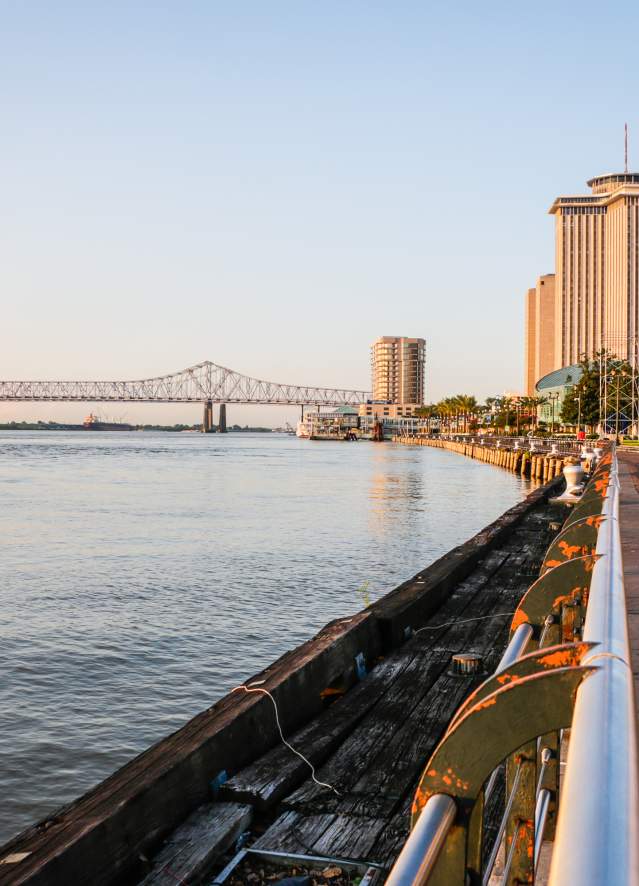
If you only had one day to spend in the city, how should you allocate your time? The following itinerary focuses on the “Tourism” niche, highlighting the essential cultural beats of New Orleans.
Morning: History and Heritage in the French Quarter
Start your day at Jackson Square, the historic heart of the city. As the sun rises, the light hits the towers of the St. Louis Cathedral, one of the most photographed buildings in the United States. Spend your morning wandering through the French Quarter, observing the intricate wrought-iron balconies and hidden courtyards that define the local architecture. This is the best time for photography, as the streets are relatively quiet and the morning light is soft.
Afternoon: Museums and Garden District Elegance
By mid-afternoon, escape the heat by visiting the National WWII Museum, a world-class institution located in the Warehouse District. Afterward, hop on the St. Charles Streetcar for a scenic ride into the Garden District. This neighborhood offers a stark contrast to the French Quarter, featuring massive oak trees and stunning mansions. Spend an hour walking through Lafayette Cemetery No. 1 to learn about the city’s unique above-ground burial traditions.
Evening: The Birthplace of Jazz
As evening falls, head back toward the center of town. While Bourbon Street is famous for its neon lights and cocktails, those seeking authentic music should go to Frenchmen Street in the Faubourg Marigny neighborhood. Here, venues like Snug Harbor Jazz Bistro and The Spotted Cat Music Club offer live performances that capture the true spirit of New Orleans. For a more formal historical experience, book a set at Preservation Hall, where the roots of jazz are kept alive in an intimate, acoustic setting.
Seasonal Timing: Planning Around the Louisiana Climate
The “time” you choose to visit will drastically affect your physical comfort. Louisiana is known for its subtropical climate, which means high humidity and frequent rain showers, especially in the afternoon.
The Summer Swelter
From late June through September, the city experiences intense heat. During this time, the “rhythm” of tourism changes. Savvy travelers spend their midday hours in air-conditioned galleries or at the Audubon Zoo, which offers plenty of shade. This is also hurricane season, so it is important to stay updated on local weather reports if you are visiting during the late summer months.
The Mild Winter and Spring
Winter in New Orleans is rarely harsh. While there can be occasional cold snaps, it is generally a pleasant time for outdoor activities like strolling through City Park or taking a boat tour of the nearby swamps. Spring is arguably the most beautiful time, as the azaleas bloom and the city hosts an endless string of neighborhood festivals, such as the French Quarter Festival.
Practical Tips for Navigating Tourism in the Big Easy
To make the most of your time in New Orleans, it helps to know a few local secrets and logistical tips.
Getting Around Without a Watch
While rideshare apps are prevalent, the most “New Orleans” way to travel is by streetcar. The St. Charles Streetcar line is a National Historic Landmark and provides a slow, scenic route through some of the city’s most beautiful areas. If you are staying primarily in the French Quarter, walking is the most efficient way to get around, as the streets are narrow and parking is difficult to find.
Safety and Evening Etiquette
Like any major city in the United States, New Orleans requires a level of situational awareness. Stick to well-lit areas in the evening and be mindful of your surroundings when leaving music venues late at night. The city is generally very welcoming to tourists, but it is always wise to travel in groups when exploring the nightlife of the Marigny or Bywater areas.

Shopping and Souvenirs
If you are looking to take a piece of the city home with you, spend some time on Magazine Street. This six-mile stretch features independent boutiques, antique shops, and local art galleries. Unlike the souvenir shops on Bourbon Street, Magazine Street offers high-quality, locally made goods that reflect the true craftsmanship of Louisiana artisans.
In conclusion, when you ask “What time is it in New Orleans?”, remember that the answer is less about the position of the sun and more about the celebration at hand. Whether it is the start of a second-line parade, the first bite of a po-boy, or the final encore of a jazz set, time in New Orleans is always well-spent. By aligning your trip with the city’s cultural clock, you ensure an experience that transcends the standard tourist path and dives deep into the heart of one of the world’s most unique destinations.
LifeOutOfTheBox is a participant in the Amazon Services LLC Associates Program, an affiliate advertising program designed to provide a means for sites to earn advertising fees by advertising and linking to Amazon.com. Amazon, the Amazon logo, AmazonSupply, and the AmazonSupply logo are trademarks of Amazon.com, Inc. or its affiliates. As an Amazon Associate we earn affiliate commissions from qualifying purchases.