
When exploring the vibrant culture and unique lifestyle of the United States, the state of Louisiana often stands out as a destination of deep historical roots, jazz-filled streets, and a culinary scene that is second to none. However, for those looking to relocate, work remotely, or plan an extended budget-conscious stay, understanding the local economic landscape is vital. One of the most significant indicators of a region’s economic climate and general cost of living is the minimum wage. In Louisiana, this topic is particularly interesting due to the interplay between state and federal regulations and how these figures impact the daily lifestyle of both residents and visitors.
Understanding the Base Pay in the Pelican State
For many travelers and digital nomads planning a long-term stay in cities like New Orleans or Baton Rouge, the financial reality of the local workforce dictates everything from the price of a po’boy to the cost of a boutique rental. Unlike some states that have aggressive schedules to increase their baseline pay, Louisiana follows a different path.
The Federal Floor and State Legislation
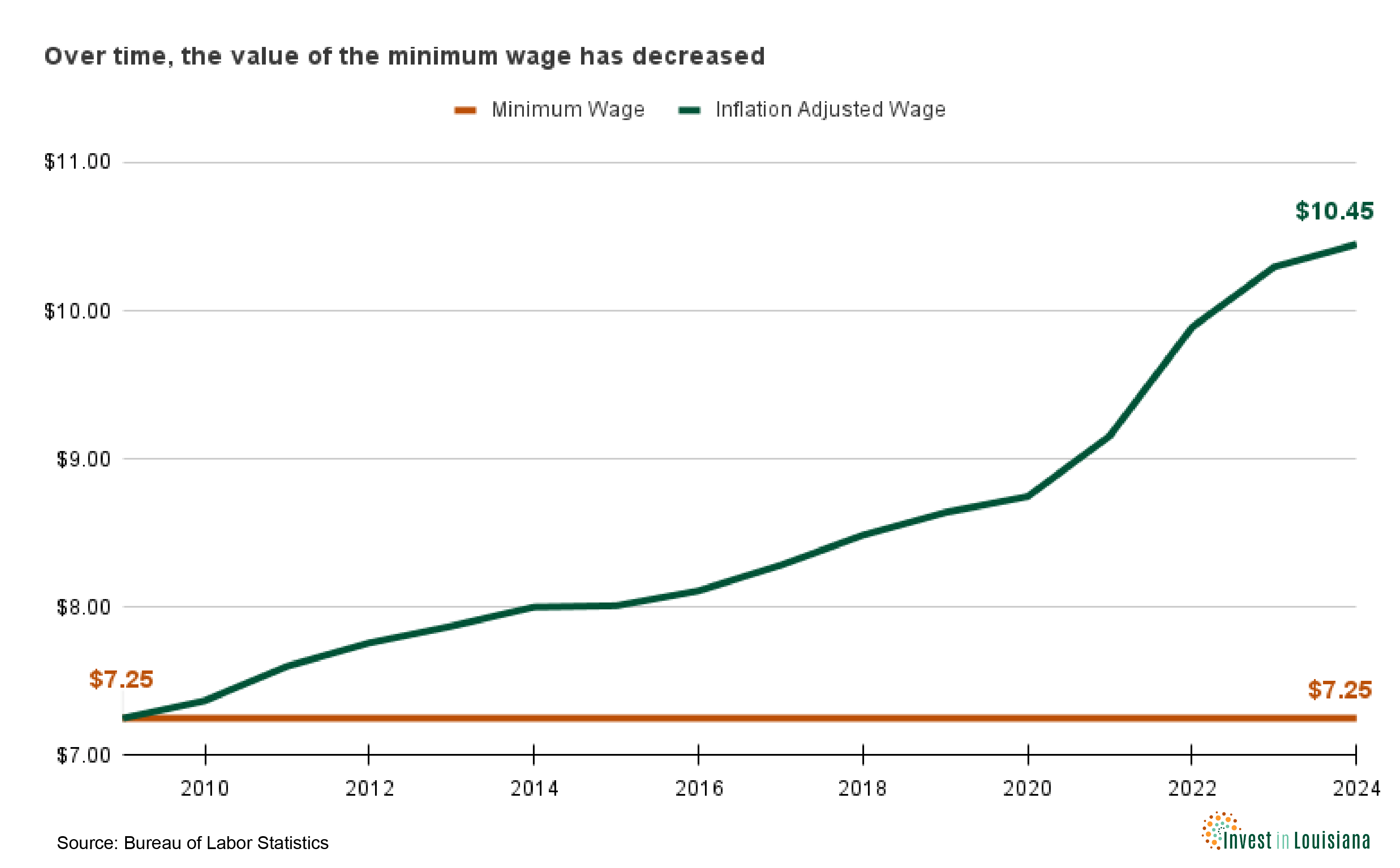
As of the current year, Louisiana does not have a state-mandated minimum wage. This means that employers in the state are required to follow the federal minimum wage guidelines set by the United States government. Currently, the federal minimum wage is $7.25 per hour. For workers who rely on tips—a significant portion of the workforce in the tourism-heavy French Quarter—the base pay can be as low as $2.13 per hour, provided that their tips bring them up to the $7.25 hourly average.
This lack of a state-specific wage floor often sparks debate within the local legislature. While there have been numerous attempts to introduce bills that would raise the wage to $10 or even $15 per hour, these efforts have historically faced challenges. For the lifestyle-conscious traveler, this translates to a state where service costs remain relatively low compared to the West Coast or Northeast, but it also reflects a specific socio-economic dynamic that defines the region.
How Louisiana Compares to Other Southern States
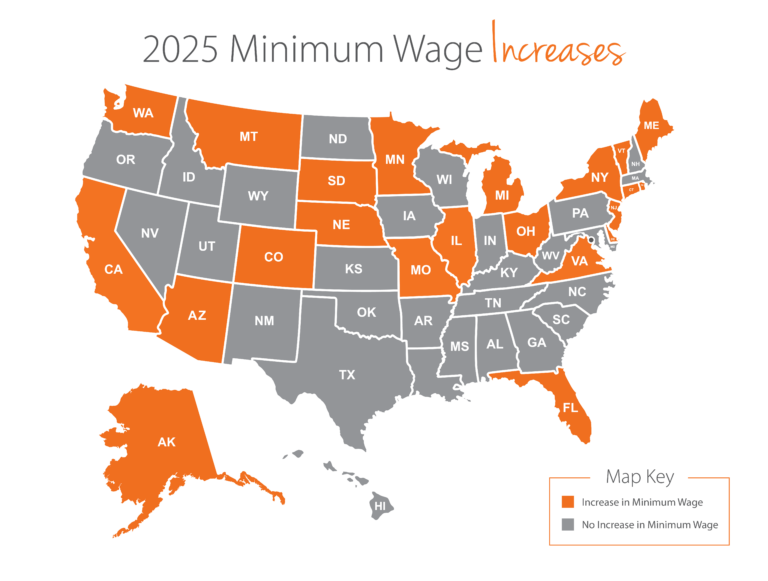
When we look at the surrounding geography, Louisiana shares its minimum wage policy with several neighbors. Both Mississippi and Alabama also rely on the federal minimum. Conversely, states like Arkansas and Florida have implemented state-level increases that have pushed their minimums significantly higher.
For someone planning a road trip through the Deep South, starting in Texas and moving through Louisiana, the consistency in minimum wage across some of these borders can result in a predictable “budget lifestyle.” You will find that your purchasing power for basic services remains relatively stable as you cross from Shreveport into neighboring territories.
The Impact on Local Lifestyle and Cost of Living
The minimum wage is more than just a number on a paycheck; it is a pulse check on the affordability of a lifestyle. In Louisiana, where the “joie de vivre” (joy of living) is a cultural cornerstone, the balance between low wages and the cost of living creates a unique environment for residents and long-term visitors alike.
Housing Affordability in New Orleans and Beyond
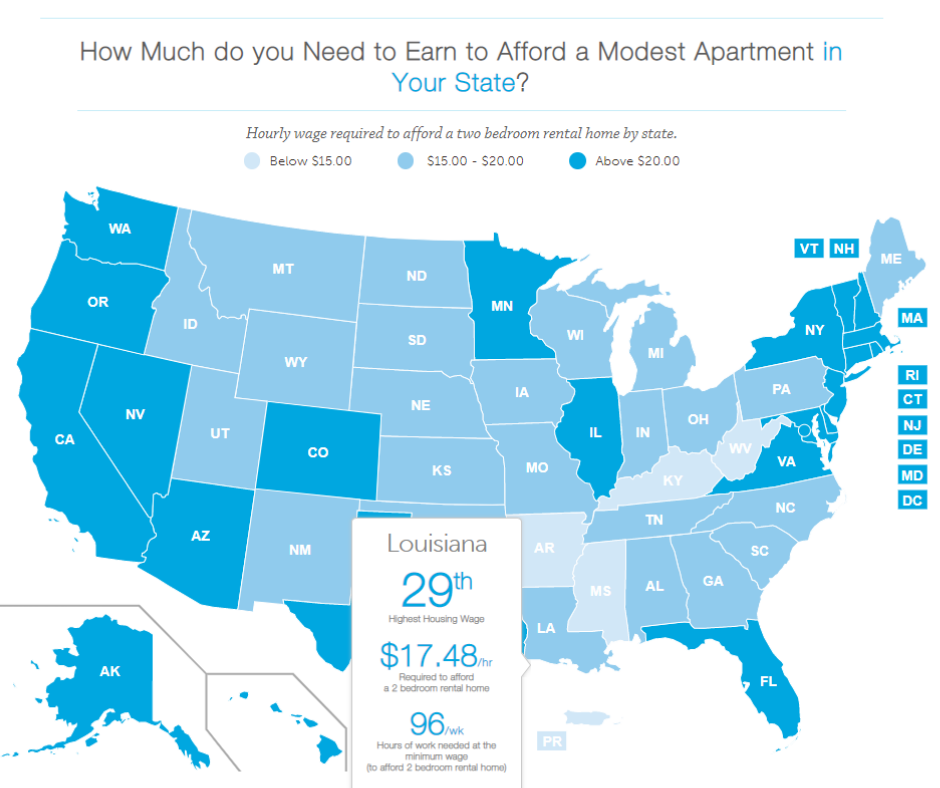
One of the most significant lifestyle factors affected by the minimum wage is housing. In New Orleans, particularly in sought-after neighborhoods like the Garden District or Marigny, the cost of rent has outpaced the growth of the minimum wage. This creates a fascinating paradox for the luxury traveler or the business professional on a temporary stay: while high-end accommodations are available, the local “vibe” is maintained by a creative class that often navigates these economic pressures.
In contrast, moving toward the center of the state to Alexandria or north to Monroe, the cost of living drops significantly. In these areas, the $7.25 federal minimum wage carries more weight than it does in the bustling tourist hubs. For those looking for a quiet, low-cost lifestyle near the Mississippi River, these smaller cities offer an authentic Louisiana experience without the price tag of the “Big Easy.”
Grocery Costs and Daily Expenses
Lifestyle is often measured by the quality of one’s daily plate. In Louisiana, the cost of food is influenced by the state’s proximity to the Gulf of Mexico. Fresh seafood, such as crawfish and shrimp, can often be found at local markets at prices that would seem like a bargain in New York City or Los Angeles.
However, because the minimum wage remains at the federal level, the retail and service industries keep their overhead lower, which often results in lower prices for the consumer at local diners and grocery stores. Whether you are shopping at a boutique market near Lake Pontchartrain or a chain store in Metairie, the lack of a high wage floor helps keep the cost of basic goods manageable for those on a budget.
Traveling on a Budget in Louisiana
Louisiana is a premier destination for those who want a high-end experience without the exorbitant costs associated with other major tourism hubs. Understanding the wage structure helps travelers navigate the tipping culture and service expectations that are part of the local lifestyle.
Finding Affordable Gems in Lafayette
If you want to experience the heart of Cajun country, Lafayette is the place to be. Because the economic structure of the city is supported by a mix of the oil industry and the service sector, the lifestyle here is both accessible and rich. You can find incredible live music at local venues and world-class boudin at roadside stands for just a few dollars.
For the budget traveler, the $7.25 minimum wage environment means that mid-range dining and local tours are often more affordable than in states with a $15 minimum wage. This allows a visitor to extend their stay or indulge in more experiences, such as swamp tours in the Atchafalaya Basin, for the same price they might pay for a single museum entry in a more expensive state.
Navigating the Service Industry Culture
In a state where the base pay for tipped employees is low, the lifestyle of the visitor is inextricably linked to the service they receive. In places like Bourbon Street or the high-end restaurants of Magazine Street, tipping is not just a gesture of gratitude—it is a vital component of the local economy.
Engaging with the local lifestyle means understanding that the bartender at your favorite jazz club or the server at a historic creole restaurant relies on your generosity to bridge the gap left by the minimum wage. This cultural understanding enriches the travel experience, fostering a deeper connection between the visitor and the local community that makes Louisiana so special.
Relocating to Louisiana: Financial Considerations
For those considering a lifestyle change that involves moving to the United States South, Louisiana offers a compelling case, but it requires careful financial planning regarding income and expenses.
The Gig Economy and Business Stays
With the rise of remote work, many professionals are choosing Louisiana for its culture while keeping their out-of-state salaries. This “digital nomad” lifestyle is particularly popular in New Orleans, where co-working spaces and “business-stay” apartments are proliferating. For these individuals, the $7.25 minimum wage is less of a personal hurdle and more of a factor that keeps their local expenses—such as dining out and local transportation—relatively low.
However, for those looking to find local employment, it is important to note that many industries in Louisiana, such as healthcare, education, and specialized manufacturing in Lake Charles, pay significantly above the minimum wage to remain competitive. The lifestyle of a professional in these sectors is quite comfortable, given the state’s generally lower property taxes and cost of living.
Long-term Planning for Residents
Living in Louisiana long-term on a minimum wage income requires a mastery of “budget lifestyle” living. Residents often rely on strong community networks, local farmers’ markets, and the abundance of free cultural festivals—like Mardi Gras or the French Quarter Festival—to maintain a high quality of life.
The state’s history of resilience, from the recovery of New Orleans after major hurricanes to the preservation of its diverse heritage, is reflected in how its people manage their finances. There is a sense of making a lot out of a little, a lifestyle trait that is as much a part of the Louisiana identity as the music and the food.
In summary, while the minimum wage in Louisiana remains at the federal level of $7.25, its impact on the lifestyle of the state is profound. It influences the affordability of the region, the dynamics of the service industry, and the way both locals and visitors interact with the economy. For the traveler, it means a destination where a dollar goes a bit further, provided one respects the local customs of tipping and community support. For the potential resident, it represents a state with a low barrier to entry but a need for strategic financial navigation. Regardless of your reason for visiting or staying, Louisiana offers a lifestyle that is rich in flavor, history, and soul, far exceeding any numerical value on a paycheck.
LifeOutOfTheBox is a participant in the Amazon Services LLC Associates Program, an affiliate advertising program designed to provide a means for sites to earn advertising fees by advertising and linking to Amazon.com. Amazon, the Amazon logo, AmazonSupply, and the AmazonSupply logo are trademarks of Amazon.com, Inc. or its affiliates. As an Amazon Associate we earn affiliate commissions from qualifying purchases.