
For locals and visitors alike, the arrival of crawfish season in Louisiana is more than just a culinary event; it is a cultural phenomenon that signals the transition from winter into the vibrant energy of spring. Often referred to as “mudbugs,” these freshwater crustaceans are the backbone of the state’s seafood industry and a central pillar of its social identity. To truly understand Louisiana is to understand its obsession with the crawfish boil, a communal feast that brings together families, neighbors, and tourists. However, because crawfish are a seasonal product of nature, timing is everything.
Decoding the Calendar: When to Find the Best Crawfish
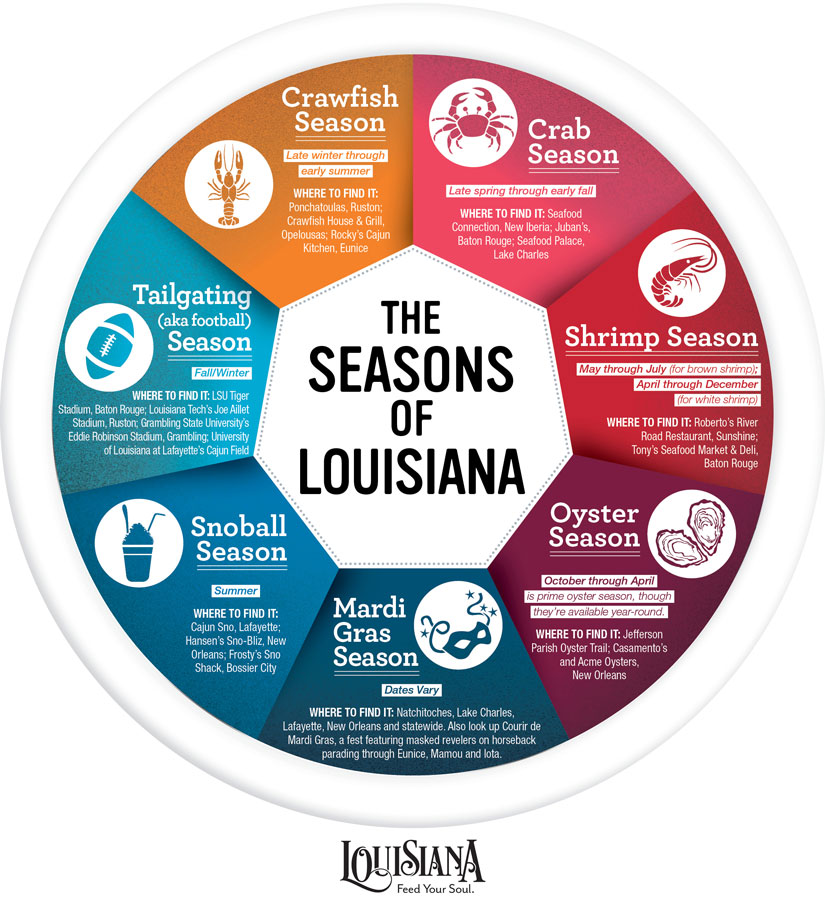
While you might find crawfish on menus at various times of the year, the authentic “fresh” season is dictated by biological cycles and environmental conditions. Generally, the season can start as early as January and last through July, but the availability and quality vary significantly within this window.
The Influence of Weather and the Mississippi River
The start of the season is heavily dependent on the winter weather. If the United States experiences an unseasonably warm winter, the crawfish may emerge earlier. Conversely, a prolonged cold snap can delay their growth and keep them burrowed deep in the mud. Water levels in the Mississippi River and the Atchafalaya Basin also play a critical role. The Atchafalaya Basin is the nation’s largest river swamp, and its natural overflow provides the perfect habitat for wild-caught crawfish. When the river levels are high, the “wild” crop flourishes, supplementing the farmed crawfish that are grown in rice paddies across regions like Acadiana.
Peak Months: March, April, and May
If you are planning a trip to Louisiana specifically for the food, the “sweet spot” is typically from March to May. During these months, the crawfish are at their largest and their shells have not yet become too hard. This is also when the price per pound tends to stabilize as the supply catches up with the massive local demand. By the time Easter rolls around, the crawfish boil becomes the standard weekend activity for residents in Baton Rouge, Lafayette, and New Orleans. If you visit in late June or July, you may still find them, but the crawfish are often tougher, and many farmers begin preparing their fields for the next rice crop.
Culinary Traditions: The Art of the Louisiana Crawfish Boil
The method of preparing crawfish is a sacred tradition in the Deep South. It is a sensory experience involving large propane burners, massive aluminum pots, and the aromatic scent of cayenne pepper and citrus wafting through the humid air.
Essential Ingredients and Regional Variations
A traditional boil involves much more than just the crawfish. In the heart of Cajun Country, the water is seasoned with a potent mix of salt, red pepper, lemon, garlic, and onions. As the crawfish boil, various “fixings” are added to the pot to soak up the spicy broth. Common additions include corn on the cob, small red potatoes, and spicy andouille sausage. Some adventurous cooks in Lake Charles or Houma might even add mushrooms, Brussels sprouts, or even pineapple to the mix. The goal is a harmonious blend of heat and savory flavor that permeates every bite.
The Etiquette of a Backyard Boil
In Louisiana, a crawfish boil is a social equalizer. Whether you are at a high-end gathering or a casual backyard party, the setup is usually the same: long tables covered in newspaper. The boiled crawfish are dumped directly onto the table, and everyone stands around, peeling and eating while chatting. It is considered a communal act of bonding. If you are invited to a boil, it is polite to bring a six-pack of local beer or perhaps some Zapp’s potato chips. The atmosphere is relaxed, loud, and quintessentially Louisianan.
Premier Destinations for a Crawfish Pilgrimage
While you can find crawfish throughout the state, certain cities and regions have become legendary for their connection to the mudbug. Exploring these areas offers a deeper insight into the tourism appeal of the region.
Lafayette and the Heart of Acadiana
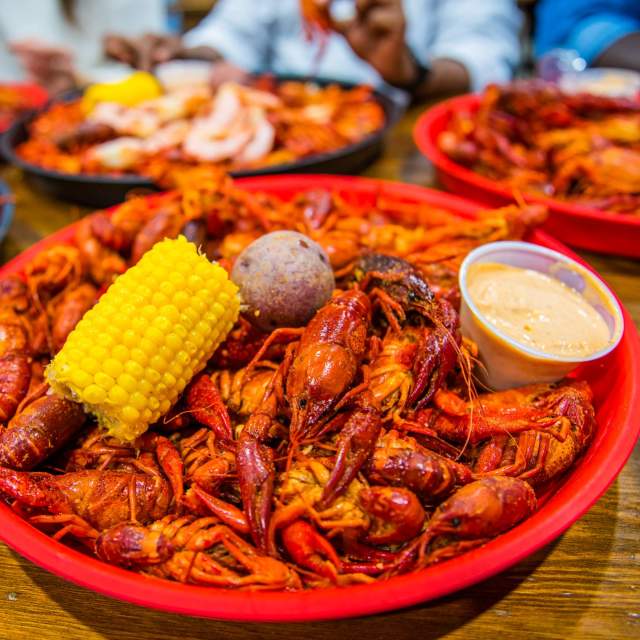
Lafayette is often cited as the true hub of crawfish culture. Located in the center of Acadiana, this city is surrounded by crawfish farms. The proximity to the source ensures that the seafood is as fresh as possible. Visitors should explore the local “crawfish shacks”—unassuming drive-thru or walk-up windows where you can buy hot, boiled crawfish by the pound. The city’s culinary scene is a blend of traditional Cajun roots and modern innovation, making it a must-visit for any food-focused traveler.
New Orleans: A Fusion of Flavors
In New Orleans, the crawfish tradition takes on a slightly more “Creole” flair. While the boiling method remains popular, the city’s world-class restaurants also utilize crawfish in sophisticated dishes like Crawfish Etouffee, Crawfish Monica, and savory crawfish bread. During peak season, places like Beacher’s Madhouse or the various markets in the French Quarter become hotspots for those seeking a taste of the season. The city combines its love for seafood with its vibrant music scene, offering a unique tourism experience that is unmatched anywhere else in the Gulf of Mexico region.
Small Town Gems: Breaux Bridge and Houma
To see the industry in its most authentic form, head to Breaux Bridge. Officially designated as the “Crawfish Capital of the World,” this small town lives and breathes the industry. Similarly, Houma and Thibodaux offer a glimpse into the bayou lifestyle, where many residents still catch their own crawfish in the nearby wetlands. These areas provide a more rustic and intimate look at how the harvest shapes daily life.
Festivals and Events Celebrating the Harvest
Louisiana is famous for its festivals, and many of the most popular events are timed specifically to coincide with the peak of crawfish season. These events are a major draw for tourism, attracting thousands of visitors from across the United States.
The Breaux Bridge Crawfish Festival
Held annually in May, the Breaux Bridge Crawfish Festival is the premiere event for enthusiasts. It features Cajun and Zydeco music, crawfish eating contests, and even crawfish races. It is a family-friendly event that showcases the history of the Acadians, who originally migrated from France to Canada before settling in the marshes of Louisiana. The festival is the perfect opportunity to see the cultural pride associated with the mudbug.
The Louisiana Crawfish Festival in Chalmette
Located just outside of New Orleans, the Louisiana Crawfish Festival in Chalmette is another major highlight. This festival focuses heavily on the various ways to cook crawfish, offering everything from boiled sacks to crawfish pies and jambalaya. It is a great alternative for those who want to experience a large-scale festival without the overwhelming crowds sometimes found in the city center.
Practical Tips for the Traveling Foodie
If you are visiting during the season, there are a few things you should know to navigate the experience like a local.
How to Peel Crawfish Like a Local
Peeling crawfish is an art form. The standard technique involves twisting the head away from the tail, peeling the first few rings of the shell off the tail, and then pinching the end to pull the meat out. Many locals will also “suck the head,” as this is where the spicy, concentrated juices are located. If you are hesitant, don’t worry—locals are usually more than happy to give a quick tutorial to a curious visitor.

Sourcing Crawfish: Markets vs. Restaurants
For the most authentic experience, look for seafood markets or “boil houses” rather than traditional sit-down restaurants. Places like Tony’s Seafood Market in Baton Rouge or various roadside stands in St. Martinville often have the freshest batches. However, if you prefer a more formal setting, many restaurants in Shreveport and Alexandria feature seasonal menus that highlight the crustacean in creative ways.
Whether you are enjoying a messy boil under a canopy of oak trees or dancing at a festival in Acadiana, crawfish season is the ultimate time to experience the soul of Louisiana. Plan your trip between March and May, bring your appetite, and prepare to immerse yourself in one of the most unique culinary traditions in North America.
LifeOutOfTheBox is a participant in the Amazon Services LLC Associates Program, an affiliate advertising program designed to provide a means for sites to earn advertising fees by advertising and linking to Amazon.com. Amazon, the Amazon logo, AmazonSupply, and the AmazonSupply logo are trademarks of Amazon.com, Inc. or its affiliates. As an Amazon Associate we earn affiliate commissions from qualifying purchases.