
For travelers planning a journey to the United States, specifically the deep south, understanding the rhythmic pulse of the weather is as essential as knowing where to find the best gumbo. Louisiana is a land of unmatched cultural depth, where the echoes of jazz meet the stillness of the bayou. However, its proximity to the Gulf of Mexico means that its tourism calendar is significantly influenced by the Atlantic hurricane season. For the savvy traveler, visiting during this window requires a blend of awareness, preparation, and a flexible itinerary.
Understanding the Louisiana Hurricane Calendar
The official hurricane season for the Atlantic Ocean, which directly impacts Louisiana, runs from June 1st through November 30th. While this six-month window may seem daunting to those unfamiliar with coastal climates, it does not mean the state is under constant threat. In fact, many tourists find this period to be a vibrant time to visit, provided they understand the nuances of the season.
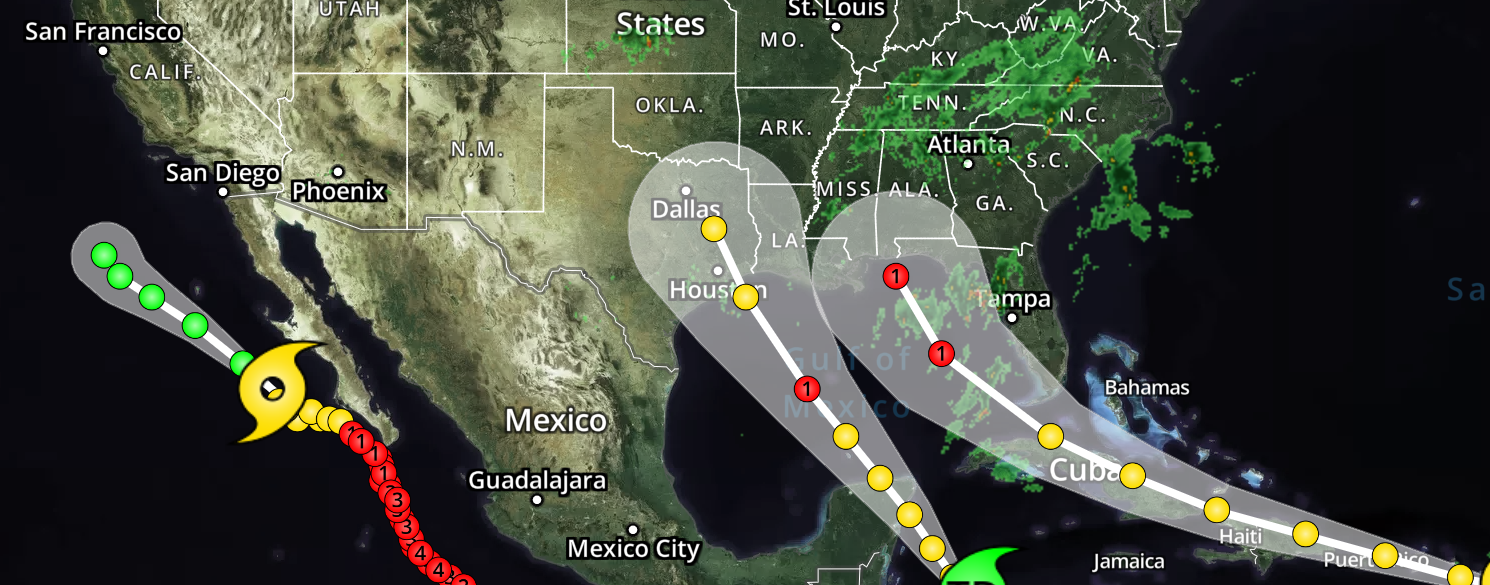
Peak Activity and Historical Trends
While the season begins in June, the peak of activity typically occurs from late August through September. Historically, some of the most significant weather events to impact New Orleans and the surrounding parishes have occurred during this late-summer window. During these months, the waters of the Gulf of Mexico are at their warmest, providing the thermal energy required for tropical systems to intensify.
For a tourist, this means that a trip planned for July might see frequent, heavy afternoon thunderstorms—locally known as “pop-up” storms—while a trip in September requires a much closer eye on the National Hurricane Center forecasts. By October, the frequency of storms begins to wane as cooler air fronts move down from the north, often resulting in some of the most pleasant, crisp weather the state has to offer.
Regional Variations Within the Pelican State
It is a misconception that a hurricane affecting the coast will automatically ruin a trip to the northern parts of the state. Louisiana is geographically diverse. While coastal cities like Houma or Grand Isle are on the front lines, inland cities such as Shreveport or Monroe often experience nothing more than increased rainfall and gusty winds.
Travelers focused on the cultural hub of Lafayette or the political heart in Baton Rouge should be aware that while these cities are inland, they can still feel the effects of major systems. Understanding the geography of the Mississippi River delta is helpful for any tourist trying to navigate the logistics of a late-summer vacation.
Essential Safety Tips for the Seasonal Traveler
Visiting Louisiana during hurricane season does not have to be stressful. The state is incredibly well-prepared, and its residents are among the most resilient and weather-aware people in the United States. As a visitor, your primary goal is to stay informed without letting the “what-ifs” overshadow your experience.
Staying Informed Through Local Alerts
The first rule of tourism in a hurricane-prone area is to have a reliable source of information. Before you even check into your hotel in the French Quarter, ensure you have downloaded local news apps or weather trackers. The City of New Orleans provides a text-alert system (NOLA Ready) that is invaluable for real-time updates on street flooding or emergency declarations.
It is also important to distinguish between a “watch” and a “warning.” A hurricane watch means conditions are possible within 48 hours, while a warning means conditions are expected within 36 hours. If a warning is issued for your destination, it is time to consult with your accommodation providers and consider moving your travels further inland.
Packing and Emergency Preparedness for Visitors
When packing for a trip during this season, think about “tropical readiness.” This includes waterproof footwear, high-quality rain gear, and portable power banks for your mobile devices. While you likely won’t need a full-scale survival kit, having a “go-bag” with your essential travel documents, medications, and a bit of extra cash is a professional tip for any traveler.
Many high-end hotels, such as those near Canal Street, have their own emergency protocols and backup generators. Don’t be afraid to ask the concierge about the hotel’s hurricane plan. Knowing that your accommodation has a strategy in place provides immense peace of mind.
Exploring Louisiana Culture and Attractions During the Season

Despite the weather risks, the “off-peak” hurricane months offer some of the most unique tourism opportunities in the state. From reduced crowds at major landmarks to specific seasonal festivals, there are plenty of reasons to embrace the humidity.
Indoor Attractions and Resilient Landmarks
If the weather turns sour, Louisiana offers a wealth of indoor attractions that allow you to soak up the culture without getting soaked by the rain. In New Orleans, the National World War II Museum provides hours of immersive, climate-controlled history. Similarly, the New Orleans Museum of Art, located in the beautiful City Park, offers a serene escape.
In the state capital, you can explore the Louisiana State Capitol—the tallest capitol building in the United States—or visit the Old State Capitol, which looks more like a gothic castle than a government building. These structures are built to withstand the elements and provide a safe, fascinating look into the state’s political heritage.
Festivals and Culinary Experiences
Louisiana is the festival capital of the world, and the hurricane season doesn’t stop the party. Events like Satchmo SummerFest in August celebrate the legacy of Louis Armstrong in the heart of the French Quarter. In Lafayette, the end of hurricane season aligns with the start of major boudin and gumbo festivals, where the cooling temperatures make a hot bowl of stew even more delicious.
Dining out is another pillar of Louisiana tourism. During the late summer, many world-class restaurants participate in “COOLinary,” a program where top-tier eateries offer fixed-price menus at a significant discount. It’s the perfect time to visit legendary spots like Commander’s Palace in the Garden District or Antoine’s Restaurant without the long wait times seen during Mardi Gras.
Travel Planning and Insurance for Peace of Mind
The key to a successful trip during hurricane season is flexibility. A professional traveler knows that the best-laid plans must account for the whims of nature.
The Importance of Travel Insurance
If you are booking a trip to Louisiana between June and November, comprehensive travel insurance is non-negotiable. Look for policies that include “cancel for any reason” (CFAR) coverage. This ensures that if a tropical storm is brewing in the Caribbean Sea and heading toward the Gulf Coast, you can postpone your trip without losing your financial investment.
Check the fine print regarding “pre-existing” storms; usually, once a storm is named by the World Meteorological Organization, it is too late to buy insurance for that specific event. Early planning is your best defense.
Choosing the Right Time to Visit
If you want to experience the beauty of the Atchafalaya Basin or a swamp tour near Lake Pontchartrain with the lowest risk, aim for the “shoulder” months. June often features beautiful, lush greenery before the extreme heat of July sets in. Alternatively, late October and November offer a sweet spot where hurricane risk is statistically very low, the humidity has dropped, and the fall foliage begins to appear along the bayous.
For those interested in history, visiting landmarks like Jackson Square or the St. Louis Cathedral during the late season allows for better photography opportunities with fewer tourists in the frame. The light in Louisiana during the autumn is particularly golden and soft, making it a favorite for artists and photographers alike.

Embracing the Resilience of Louisiana Tourism
To visit Louisiana is to fall in love with a place that understands the delicate balance between land and water. The hurricane season is simply a part of the local life, a period that has shaped the architecture, the food, and the spirit of the people. From the raised cottages in the Marigny to the massive levee systems protecting the Mississippi River, the state is a testament to human ingenuity.
By planning your trip with a focus on tourism-specific tips—such as choosing resilient attractions like Mardi Gras World or exploring the salt mines of Avery Island—you can enjoy everything this magnificent state has to offer. Whether you are sipping a sazerac in a historic bar or taking a boat tour through the Honey Island Swamp, the magic of Louisiana remains constant, rain or shine.
Ultimately, the “when” of hurricane season is a fixed window, but the “how” of your travel experience is entirely up to you. With a bit of foresight, your journey through the Pelican State will be defined not by the weather, but by the unforgettable culture, music, and hospitality that can only be found here.
LifeOutOfTheBox is a participant in the Amazon Services LLC Associates Program, an affiliate advertising program designed to provide a means for sites to earn advertising fees by advertising and linking to Amazon.com. Amazon, the Amazon logo, AmazonSupply, and the AmazonSupply logo are trademarks of Amazon.com, Inc. or its affiliates. As an Amazon Associate we earn affiliate commissions from qualifying purchases.