
The question of when Louisiana was established is one that requires looking back through centuries of colonial ambition, cultural fusion, and monumental architectural achievements. To understand the establishment of the Pelican State, one must look beyond a single date and instead explore the physical landmarks that stand as testaments to its evolution. From the early French explorers claiming the vast wilderness to the formal admission of the state into the United States in 1812, the history of this region is etched into the very stones of its most famous cathedrals, government buildings, and historic districts.
The Colonial Foundation: From French Territory to American Statehood
The formal establishment of Louisiana began long before it became the 18th state of the union. Its origins are rooted in the late 17th century, when European powers vied for control of the North America continent. The landmarks from this era, though few remain in their original form, set the stage for the unique architectural and cultural landscape that defines the state today.
La Louisiane and the French Influence
In 1682, the French explorer Robert de La Salle claimed the entire Mississippi River basin for France, naming the territory “La Louisiane” in honor of King Louis XIV. This vast expanse of land was a far cry from the modern borders of the state. The first permanent settlement, however, was not in present-day New Orleans but rather in Mobile and later Natchitoches, which remains the oldest permanent settlement within the current state boundaries.
Natchitoches was established in 1714 by Louis Juchereau de St. Denis. Today, the Front Street of this charming city serves as a landmark of colonial resilience, featuring brick-paved roads and wrought-iron balconies that predate much of the architecture found in larger hubs. This era established the civil law system and the Catholic influence that would eventually lead to the construction of some of the most beautiful religious landmarks in the United States.
The Louisiana Purchase and the Path to Statehood
The most significant turning point in the establishment of Louisiana occurred in 1803 with the Louisiana Purchase. Under the administration of Thomas Jefferson, the United States acquired the territory from France for $15 million. This transaction doubled the size of the nation and set the stage for formal statehood.
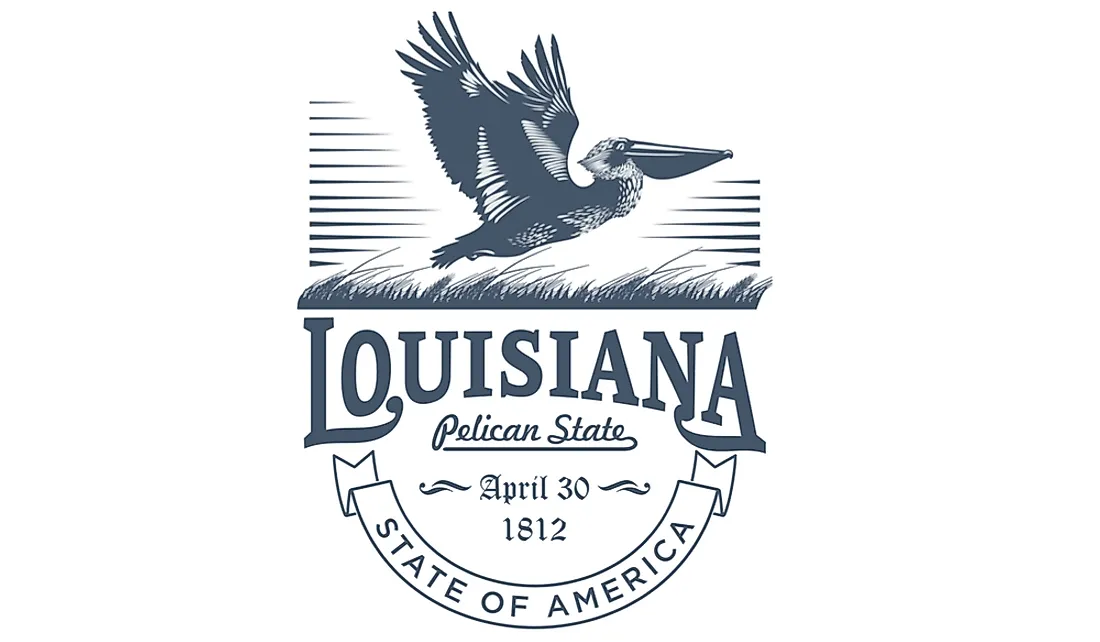
The Cabildo, located in the heart of New Orleans, is the preeminent landmark associated with this event. Built under Spanish rule between 1795 and 1799, it was the site where the transfer of power took place. Following this transition, the Territory of Orleans was organized, and on April 30, 1812, Louisiana was officially admitted as a state. This date marks the political “establishment” of the state, though its cultural identity had been solidifying for over a century.
Architectural Landmarks of New Orleans: The Heart of the Establishment
When discussing the establishment of Louisiana, one cannot ignore New Orleans. Founded in 1718 by Jean-Baptiste Le Moyne de Bienville, the city served as the capital of the French colony and remains the state’s most significant cultural landmark.
Jackson Square and the St. Louis Cathedral
At the center of the French Quarter lies Jackson Square, a National Historic Landmark that perfectly encapsulates the layers of history in Louisiana. Originally known as the Place d’Armes, the square was renamed in honor of Andrew Jackson, the hero of the Battle of New Orleans.
Dominating the square is the St. Louis Cathedral. As the oldest cathedral in continuous use in the United States, its triple spires are an iconic part of the skyline. The current structure, completed in the 1850s, sits on the site of two previous churches, symbolizing the spiritual establishment of the region. Flanking the cathedral are the Cabildo and the Presbytere, which together form a triad of architectural excellence that tells the story of Spanish colonial administration and French cultural dominance.
The Historic French Quarter
The French Quarter, or Vieux Carré, is a landmark in its own right. While the name suggests French origins, much of the standing architecture reflects the Spanish colonial period following the Great Fires of 1788 and 1794. The establishment of this district as a protected landmark has preserved the unique Creole townhouses with their hidden courtyards and intricate ironwork.

Walking through these streets, visitors can find the Old Ursuline Convent, the oldest building in the Mississippi Valley. Completed in 1752, it is one of the few surviving examples of French colonial architecture. Nearby, the Hotel Monteleone stands as a landmark of 19th-century luxury, known for its famous revolving Carousel Bar and its long association with literary giants who were drawn to the established mystique of the city.
Political Milestones and Monumental Structures in Baton Rouge
While New Orleans is the cultural heart, Baton Rouge became the permanent seat of government in 1849. The establishment of the capital city brought about the construction of some of the most impressive government landmarks in the South.
The Louisiana State Capitol: A Modern Landmark
The Louisiana State Capitol is a towering achievement of Art Deco architecture. Completed in 1932 during the era of Huey P. Long, it is the tallest capitol building in the United States. The building itself is a monument to the state’s growth and political evolution. Its exterior features intricate carvings depicting the history of Louisiana, while the interior is adorned with marble from around the world. The capitol grounds also serve as the final resting place of Long, making it a site of both political and historical pilgrimage.
The Old State Capitol: A Gothic Revival Masterpiece
Before the modern skyscraper was built, the Old State Capitol served as the legislative center. This landmark is famous for its striking Gothic Revival architecture, resembling a medieval castle perched on a bluff overlooking the Mississippi River. Inside, the stained-glass dome is a marvel of 19th-century design. This building survived the Civil War, though it was gutted by fire during the Union occupation. Its restoration serves as a symbol of Louisiana’s ability to rebuild and re-establish itself after periods of turmoil.
Preservation of History Through Plantation Landmarks and Rural Heritage
The establishment of Louisiana was also tied to the agrarian economy of the 18th and 19th centuries. The landmarks found along the Mississippi River offer a sobering and educational look at the plantation system that once dominated the region.
The River Road and Oak Alley Plantation
The River Road between New Orleans and Baton Rouge is home to several historic estates. Oak Alley Plantation is perhaps the most photographed landmark in the state, famous for its canopy of 300-year-old live oak trees that lead to the Greek Revival mansion. These landmarks are crucial for understanding the complex history of Louisiana, including the establishment of the enslaved labor system that built much of the state’s early wealth. Modern tours at Whitney Plantation focus specifically on this aspect of history, serving as a landmark for education and memorialization.
Natchitoches and the Cane River Creole National Historical Park
In central Louisiana, the Cane River Creole National Historical Park preserves the landmarks of the unique Creole culture. Sites like Oakland Plantation and Magnolia Plantation provide insight into the lives of both the planters and the enslaved people, as well as the free people of color who helped establish the region’s distinct social fabric. This area remains a vital landmark for those studying the intersection of French, Spanish, African, and Native American cultures.
Natural Landmarks Defining the Pelican State
The physical establishment of Louisiana is also a story of its geography. The state’s landmarks are not all man-made; the natural features of the landscape have dictated where and how settlements were built.
The Mighty Mississippi River
The Mississippi River is the single most important natural landmark in the state. It was the reason for the establishment of New Orleans as a port and remains the lifeblood of the Louisiana economy. The levees that line the river are engineering landmarks that represent the ongoing struggle to coexist with the powerful waters. A visit to the Riverwalk in New Orleans or the levee paths in Baton Rouge offers a perspective on how the river has shaped the state’s destiny.

The Atchafalaya Basin
As the largest wetland and swamp in the United States, the Atchafalaya Basin is a natural landmark of immense ecological importance. Located between Lafayette and Baton Rouge, this vast wilderness of cypress trees and bayous is where the Acadian (Cajun) people settled after being exiled from Canada in the mid-1700s. The establishment of Cajun culture in this region created a landmark of culinary and musical heritage that is world-renowned. Landmarks like the Henderson Swamp allow visitors to see the environment that has remained largely unchanged since the first settlers arrived.
In conclusion, Louisiana was “established” through a series of historical milestones—the 1682 French claim, the 1803 Purchase, and the 1812 statehood. However, the true essence of its establishment is found in its landmarks. Whether it is the soaring heights of the Louisiana State Capitol, the ancient oaks of Oak Alley Plantation, or the historic streets of the French Quarter, these sites offer a tangible connection to the past. By visiting these famous places and appreciating their architecture and history, one gains a deeper understanding of when and how the unique state of Louisiana truly came to be.
LifeOutOfTheBox is a participant in the Amazon Services LLC Associates Program, an affiliate advertising program designed to provide a means for sites to earn advertising fees by advertising and linking to Amazon.com. Amazon, the Amazon logo, AmazonSupply, and the AmazonSupply logo are trademarks of Amazon.com, Inc. or its affiliates. As an Amazon Associate we earn affiliate commissions from qualifying purchases.