
The song “Louisiana Saturday Night” is more than just a catchy country tune; it is a sonic postcard that captures the vibrant, rhythmic, and soulful essence of life in Louisiana. To understand who sings this anthem is to embark on a journey through the evolution of country music and the deep-seated traditions of the American South. While many voices have carried its lyrics over the decades, the song serves as a gateway for travelers and culture enthusiasts to explore the unique traditions, sounds, and flavors of the Bayou State.

The Musical Heritage: Who Sings Louisiana Saturday Night?
To answer the question of who sings “Louisiana Saturday Night,” one must look at the timeline of country music history. The song was written by the prolific songwriter Bob McDill, a man whose pen shaped the sound of Nashville for years. However, the first artist to bring these lyrics to a recording studio was the “Gentle Giant” of country music, Don Williams, in 1977. While his version possessed the smooth, laid-back charm he was known for, it wasn’t until a few years later that the song became a definitive cultural phenomenon.
The Mel McDaniel Legacy
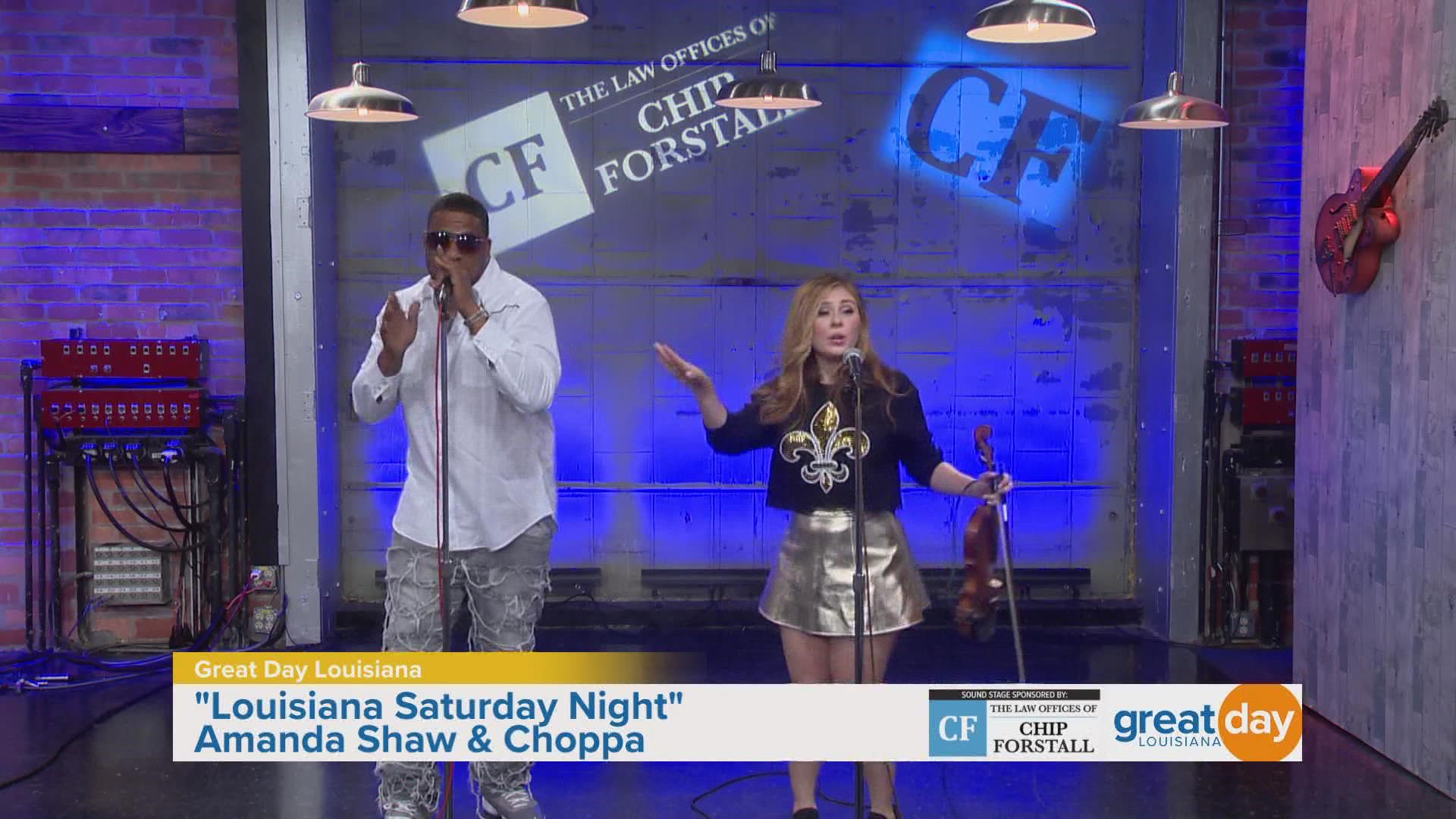
In 1981, Mel McDaniel released the version that most people recognize today. His energetic, fiddle-heavy rendition climbed the charts and solidified the song’s place in the American songbook. McDaniel’s version captured the frantic, joyful energy of a weekend celebration in the deep south, making it a staple at weddings, festivals, and honky-tonks from Lake Charles to Shreveport. For tourists visiting the region, hearing this song played by a live band is often their first introduction to the high-spirited nature of local gatherings.
Cover Versions and Modern Interpretations
The song’s popularity has led to numerous covers across various genres. Artists like Nitty Gritty Dirt Band and even local Zydeco bands have put their spin on the track. In the context of tourism, the song acts as a bridge between mainstream country and the more localized sounds of Cajun Country. Whether it is played on a jukebox in Baton Rouge or by a street performer on Royal Street, the song remains a testament to the state’s enduring influence on global music culture.
Experiencing the Lyrics: A Guide to Local Culture
The lyrics of “Louisiana Saturday Night” describe a world of “kinfolk come and the kids get fed,” “belly-full of gumbo and a yard-full of red,” and “waiting for the fiddle to play.” For a traveler, these lines aren’t just lyrics—they are a checklist for experiencing the authentic local culture of Louisiana.
The Tradition of the Fais Do-Do
In the song, the mention of the fiddle and dancing points directly to the tradition of the Fais Do-Do. Historically, these were public dances where families would gather. Today, tourists can experience this culture firsthand at venues like the Liberty Theatre in Eunice. These gatherings are the heartbeat of the community, where the young and old dance together to the sounds of the accordion and the fiddle. Visiting a dance hall in Lafayette is an essential activity for anyone looking to understand the “Saturday Night” spirit described in the song.
Culinary Delights: Gumbo and Beyond
You cannot talk about the culture of this region without mentioning the food. When the song mentions a “belly-full of gumbo,” it refers to the unofficial state dish. Travelers should head to New Orleans or the smaller towns of Acadiana to sample authentic versions of this slow-cooked stew. From the seafood-heavy versions found near Houma to the meat-centric gumbos of the northern prairies, the culinary landscape is as diverse as the music. Food tours in the French Quarter provide a professional and insightful look into how African, French, and Spanish influences merged to create this world-class cuisine.

Where to Find the Real Louisiana Spirit
To truly find the spirit of a “Louisiana Saturday Night,” one must venture beyond the standard tourist maps and dive into the specific locales that keep these traditions alive. The geography of the state dictates the vibe of the celebration, from the swampy reaches of the Atchafalaya Basin to the neon lights of the big cities.
New Orleans: The Capital of Celebration
While the song has a rural, “back-porch” feel, New Orleans offers a more urbanized version of the same joy. A Saturday night on Frenchmen Street is a masterclass in musical immersion. Unlike the more commercialized Bourbon Street, Frenchmen Street is where locals and savvy tourists go to hear world-class jazz and brass bands. Iconic spots like Snug Harbor or The Spotted Cat offer an intimate look at the city’s living, breathing musical heritage.
The Bayou and Acadiana
For those seeking the rural charm of the song, a trip to Breaux Bridge, the crawfish capital of the world, is highly recommended. On a Saturday morning or evening, places like Café des Amis or the Zydeco Breakfast events allow visitors to see how the local community integrates music into their daily lives. Further south, the town of St. Martinville offers a more historical perspective on the Acadian people who inspired the lyrics of so many southern anthems.
Travel Tips for an Authentic Experience
Planning a trip centered around the local culture requires a bit of insider knowledge. To truly “get down, get around” like the song suggests, timing and location are everything.
Timing Your Visit: Festivals and Seasons
If you want to experience the maximum energy of the state, aim to visit during one of the major festivals. Mardi Gras is the most famous, but for music lovers, the New Orleans Jazz and Heritage Festival, commonly known as Jazz Fest, is a better bet. Additionally, the Festival International de Louisiane in Lafayette is a premier event that showcases the global connections of Francophone culture, often featuring the very instruments and styles mentioned in the song.
Navigating the Landscape
While New Orleans is very walkable, especially within the Garden District and the Marigny, exploring the rest of the state requires a car. Driving along the Mississippi River road allows you to see the historic plantations and small river towns that have remained unchanged for decades. Be sure to stop at a local “Boudin Stop” in Scott for a true local snack—a spicy sausage and rice blend that is as essential to a Louisiana weekend as the music itself.
Etiquette and Engagement
When attending a local dance or “Saturday Night” gathering, remember that these are community events. Locals are generally very welcoming, but it is respectful to observe the rhythm of the room first. In Cajun dance halls, the dance floor usually moves in a counter-clockwise direction. Don’t be afraid to try the two-step; most residents are more than happy to show a visitor the ropes. Engaging with the culture in this way transforms a simple vacation into a meaningful experience.
The song “Louisiana Saturday Night” serves as an enduring invitation to explore a land where history, music, and community converge. Whether you are listening to Mel McDaniel on a road trip through the Cajun Country or watching a live band in Baton Rouge, the spirit of the song is alive and well. By following the music, you will find the soul of the United States in one of its most vibrant and welcoming states.
LifeOutOfTheBox is a participant in the Amazon Services LLC Associates Program, an affiliate advertising program designed to provide a means for sites to earn advertising fees by advertising and linking to Amazon.com. Amazon, the Amazon logo, AmazonSupply, and the AmazonSupply logo are trademarks of Amazon.com, Inc. or its affiliates. As an Amazon Associate we earn affiliate commissions from qualifying purchases.