
When travelers think of Louisiana, images of sweltering humidity, moss-draped cypress trees, and vibrant summer festivals usually come to mind. The Pelican State is synonymous with the heat of the Gulf of Mexico and the lush, subtropical landscapes of the Deep South. However, as winter approaches, a recurring question emerges for both locals and prospective visitors: Will it snow in Louisiana?
While the prospect of a winter wonderland in the bayou might seem like a statistical anomaly, snow is not entirely unheard of in this corner of the United States. From the rolling hills of North Louisiana to the historic streets of the French Quarter, the rare arrival of snow transforms the state’s cultural and physical landscape into something truly magical. This guide explores the tourism dynamics of a Louisiana winter, the likelihood of seeing the white stuff, and how to enjoy the local culture when the temperature drops.

Understanding the Rare Phenomenon: Snow and Ice in the Bayou State
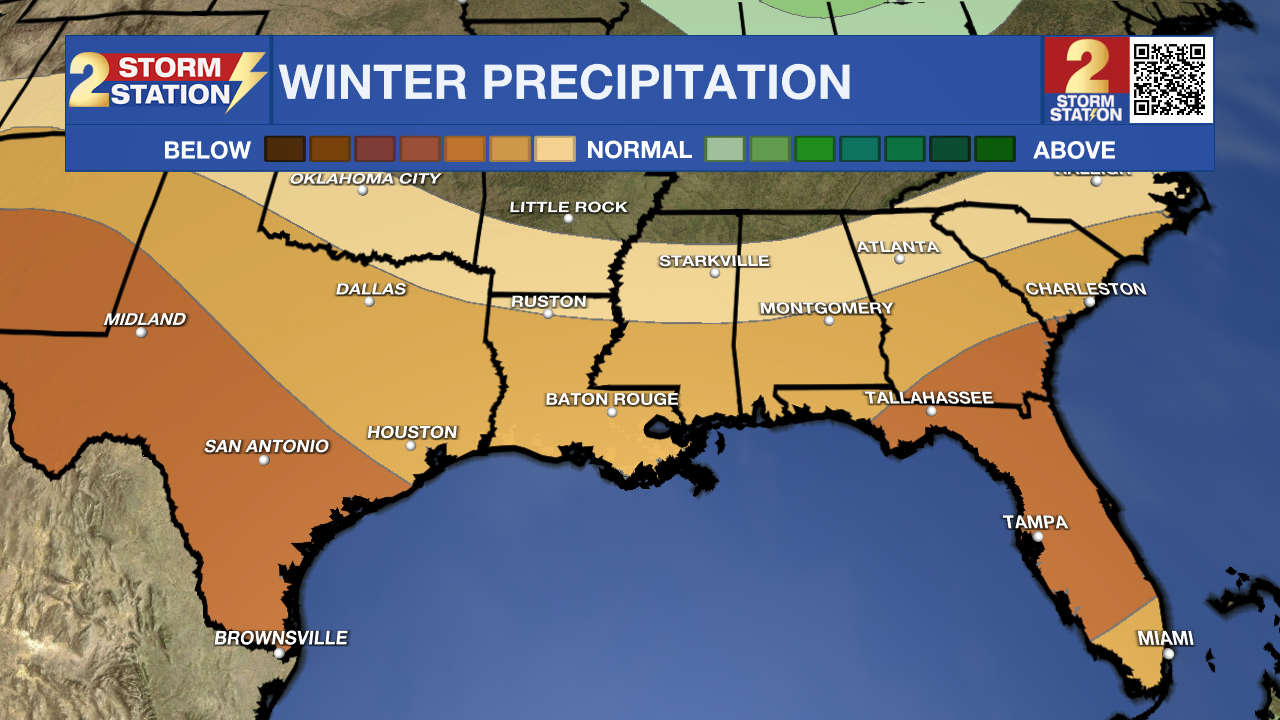
The climate of Louisiana is officially classified as humid subtropical. This means long, hot summers and short, mild winters. However, because the state lacks significant mountain ranges to block Arctic air masses moving south from Canada, “blue northers” can occasionally plunge the state into freezing temperatures.
The North vs. South Divide: Shreveport to New Orleans
When asking if it will snow, geography is the most important factor. North Louisiana, including cities like Shreveport and Monroe, is significantly more likely to see snowfall than the coastal regions. In Shreveport, it is not uncommon to see a light dusting or even a measurable inch of snow once every few years. The proximity to the Arkansas border allows colder air to settle in more firmly.
In contrast, South Louisiana, which houses Lafayette, Baton Rouge, and New Orleans, views snow as a generational event. The maritime influence of the Gulf of Mexico acts as a giant heater, keeping the air just warm enough to turn potential snow into a chilly rain. When it does snow in New Orleans—such as the memorable events in 2004, 2008, and 2017—it becomes a state-wide celebration, with residents flocking to City Park to build “mud-men” out of the thin layer of slush.
Historical Winter Storms That Transformed the Landscape
Tourism in Louisiana during a snow event is a surreal experience. One of the most significant events in recent history was the Great Blizzard of 1899, which brought sub-zero temperatures all the way to the coast. More recently, the winter storm of February 2021 saw cities like Lake Charles and Alexandria covered in a thick blanket of ice and snow. While these events can disrupt travel, they offer a rare aesthetic perspective of landmarks like the Louisiana State Capitol or the iron balconies of the Garden District dusted in white.
Winter Festivals and Seasonal Activities
Even if the snow doesn’t fall during your visit, winter in Louisiana is one of the best times for tourism. The oppressive heat is gone, the mosquitoes are dormant, and the state’s festival calendar remains as full as ever.
The Festival of Lights in Natchitoches
One of the premier winter destinations in the state is Natchitoches, the oldest settlement in the Louisiana Purchase. Every year, the city hosts the Natchitoches Christmas Festival, a world-renowned event that begins in November and runs through early January. More than 300,000 lights and set pieces illuminate the historic Cane River Lake. Walking through the Front Street area with a famous Natchitoches Meat Pie in hand is a quintessentially Louisiana winter experience, regardless of whether there is snow on the ground.

Celebrating Carnival Season in the Cold
Winter tourism is also synonymous with the start of Mardi Gras season. While the main events occur in February or March, the “Twelfth Night” or Epiphany on January 6th kicks off the festivities. Visiting New Orleans in January offers a more local, relaxed vibe before the massive crowds of Fat Tuesday arrive. You can witness the Phunny Phorty Phellows streetcar parade or the Joan of Arc Parade through the French Quarter, often in crisp, cool weather that makes costuming much more comfortable.
Wildlife Watching and Nature Trails
For nature lovers, winter is the ideal time to explore the Atchafalaya Basin. The lack of foliage on the cypress trees provides better visibility for birdwatching. You might spot bald eagles, which winter in the area, or migratory waterfowl at the Sabine National Wildlife Refuge. If you find yourself in South Louisiana, a trip to Avery Island, home of the Tabasco factory, allows you to walk through Jungle Gardens. The cooler air makes the long walks under the Ancient Oaks much more pleasant than in the mid-August sun.
Culinary Comforts: Louisiana Food for Chilly Days
Louisiana’s world-famous cuisine is perhaps at its best when the weather turns cold. The state’s “comfort food” was designed for the damp, chilly winters of the river parishes.
Gumbo and Etouffée: The Ultimate Winter Warmers
There is an unwritten rule in Louisiana that the first “cold snap” (when temperatures drop below 60 degrees) officially signals the start of gumbo season. Whether it is a dark-roux seafood gumbo in Houma or a chicken and andouille gumbo in Opelousas, this dish is the heart of winter tourism. Travelers should seek out local favorites like Prejean’s in Lafayette or Dooky Chase’s Restaurant in New Orleans for an authentic bowl of warmth.
Sipping Café au Lait at Café du Monde
No winter trip to the Crescent City is complete without a stop at Café du Monde in Jackson Square. While tourists wait in line year-round, there is something uniquely special about sitting under the green-and-white striped awning on a brisk January morning. The steam rising from a hot cup of café au lait, paired with three sugar-dusted beignets, provides the perfect fuel for a day of exploring the nearby St. Louis Cathedral or the Louisiana State Museum at the Cabildo.
Practical Tips for Planning a Winter Trip
If you are planning to visit and are hoping for (or trying to avoid) snow, preparation is key. The weather in the Gulf South is notoriously fickle.
Packing Essentials for the Humid Subtropical Climate
The “cold” in Louisiana feels different than the dry cold of the Rocky Mountains. The high humidity means the chill seeps into your bones. Even if the forecast says 40 degrees Fahrenheit, it can feel much colder.
- Layers are essential: You might start the morning in a heavy coat and end the afternoon in a t-shirt.
- Waterproof footwear: Whether it’s rain, sleet, or the rare snow, Louisiana is wet. A good pair of boots is necessary for walking through the French Market or the muddy trails of Kisatchie National Forest.
- A sturdy umbrella: Winter is often the rainy season, and sudden downpours are common.
Navigating Road Conditions During Rare Freezes
Because snow and ice are so rare, the infrastructure in Louisiana is not always equipped to handle them. If a “hard freeze” or snow is predicted, many bridges and elevated highways—such as the Atchafalaya Basin Bridge on Interstate 10—may close to prevent accidents. Travelers should monitor the Louisiana Department of Transportation and Development (DOTD) for updates. If you are staying in a city like Baton Rouge, it is often best to stay put and enjoy the local hospitality until the ice melts, which usually happens by midday.
Choosing Your Base of Operations
For those chasing the possibility of snow, Shreveport or Ruston are your best bets. For those who want the best winter cultural experience, New Orleans is unbeatable. For a cozy, small-town winter, Natchitoches or St. Francisville offer beautiful historic inns and a slower pace of life.
While the answer to “Will it snow in Louisiana?” is usually “probably not,” the state offers a winter experience that is rich in culture, flavor, and history. Whether you are watching the mist rise off the Mississippi River or enjoying a festival under the rare dusting of white flakes, the Bayou State proves that you don’t need a blizzard to have a memorable winter getaway. The warmth of the people and the depth of the traditions ensure that Louisiana remains a top-tier destination, even when the thermometer dips toward freezing.
LifeOutOfTheBox is a participant in the Amazon Services LLC Associates Program, an affiliate advertising program designed to provide a means for sites to earn advertising fees by advertising and linking to Amazon.com. Amazon, the Amazon logo, AmazonSupply, and the AmazonSupply logo are trademarks of Amazon.com, Inc. or its affiliates. As an Amazon Associate we earn affiliate commissions from qualifying purchases.