
When planning a getaway to the rugged and enchanting coastline of Maine, travelers often envision rocky shores, towering lighthouses, and succulent lobster rolls. However, given its location along the Atlantic Ocean, a practical question frequently arises for those visiting the United States during the late summer and autumn months: Does Maine get hurricanes?
The short answer is yes, but the context is vital for any tourist or seasonal resident. While the state is technically susceptible to tropical systems, the experience of a hurricane in the Pine Tree State is vastly different from that of Florida or South Carolina. Understanding the unique climate patterns and geographical protections of this northern sanctuary is essential for ensuring a safe and enjoyable trip.
Understanding Maine’s Hurricane Season for Travelers
For visitors, timing is everything. Hurricane season in the Atlantic Ocean officially runs from June 1st through November 30th. However, for Maine, the “threat window” is much narrower and typically peaks in late August, September, and early October—coincidentally, some of the most beautiful times to visit the region.
The Science of the Gulf of Maine
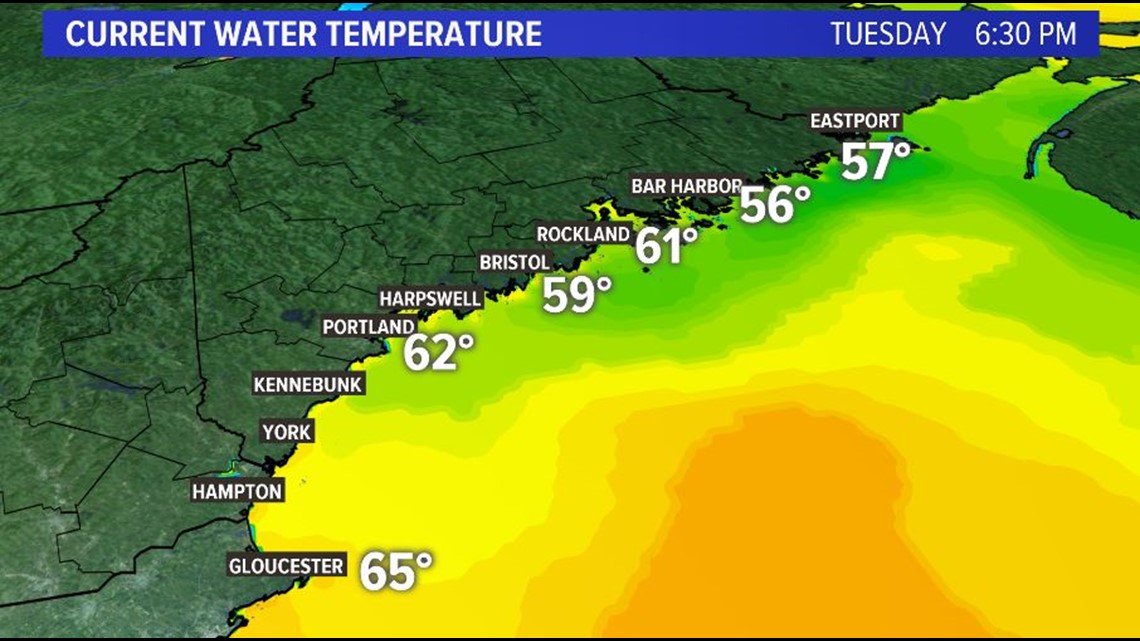
One of the primary reasons Maine rarely sees the devastating “Category 4” or “Category 5” storms that plague the southern United States is the temperature of the water. Hurricanes thrive on warm ocean water, usually needing temperatures above 80°F to maintain their strength. The Gulf of Maine, famous for its cold, nutrient-rich depths, acts as a natural “fire extinguisher” for tropical systems.
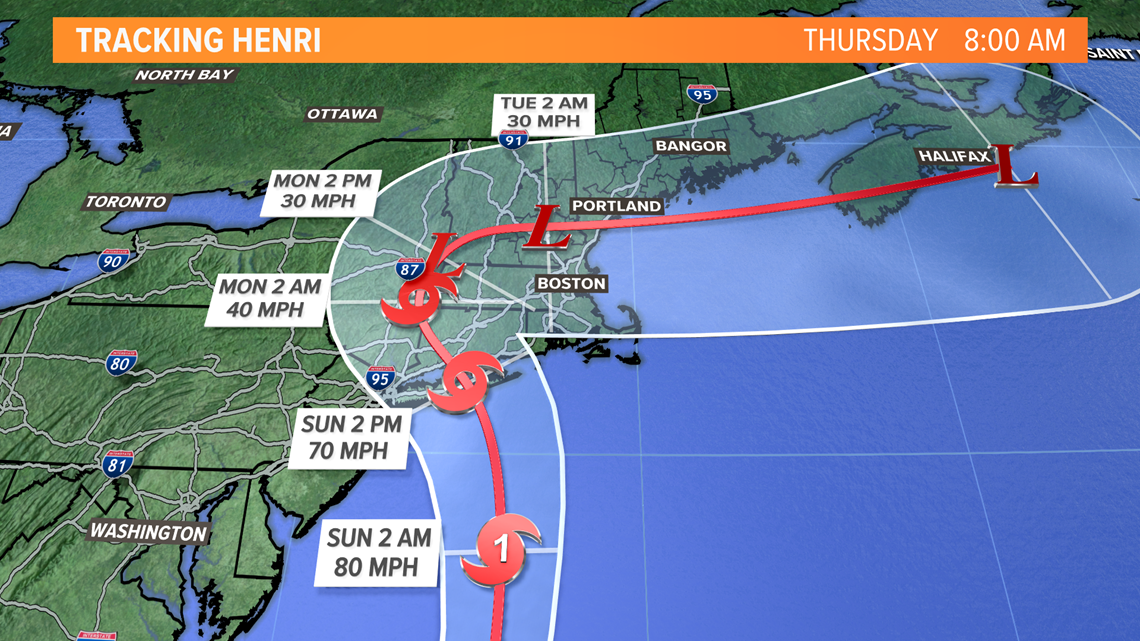
As a storm travels north from the Caribbean and passes Cape Cod, it hits significantly cooler waters. By the time it reaches cities like Portland or Rockland, it has usually transitioned into an “extratropical” storm or a “post-tropical cyclone.” While these can still bring heavy rain and high winds, they lack the concentrated intensity of a true tropical hurricane.
Historic Storms and Their Impact
While rare, direct hits do occur. Historic events like Hurricane Bob in 1991 and Hurricane Gloria in 1985 left lasting impressions on the local communities. More recently, Hurricane Lee in 2023 reminded tourists and locals alike that even a weakening storm can cause significant coastal erosion and power outages. For a traveler, this means that while you shouldn’t cancel your plans, you should certainly stay informed.
Top Destinations and How Weather Affects Your Itinerary
Maine is a large state with diverse microclimates. Whether you are exploring the bustling streets of Portland or the remote wilderness of Baxter State Park, a potential storm will impact your activities differently depending on your location.
Exploring Acadia National Park and Bar Harbor
Acadia National Park, located on Mount Desert Island, is the crown jewel of the state’s tourism industry. Because it is situated on an island, it is particularly sensitive to high winds and storm surges. During a weather event, the park service may close the road to Cadillac Mountain to prevent accidents caused by gusts.
If you are staying in Bar Harbor, a storm might mean swapping a whale-watching tour for a cozy afternoon at the Abbe Museum. The town is well-equipped to handle tourists during inclement weather, but the “ruggedness” of the coast becomes literal during a storm, with crashing waves at Thunder Hole reaching spectacular, yet dangerous, heights.
The Southern Coast: Kennebunkport and Old Orchard Beach
The southern coast, including Kennebunkport and the family-favorite Old Orchard Beach, features more sandy expanses than the northern “Down East” region. For tourists, a hurricane or strong tropical storm here usually results in beach erosion and temporary closures of amusement piers. If your heart is set on sunbathing, keep an eye on the forecast, but remember that the “clearing” after a Maine storm often produces some of the most vibrant sunsets you will ever see over the Atlantic Ocean.
Inland Retreats: Moosehead Lake and Bangor
If coastal winds are a concern, heading inland to Moosehead Lake or the city of Bangor offers a different kind of protection. While these areas can still receive heavy rainfall, they are shielded from the coastal storm surges that affect places like Penobscot Bay. These regions are ideal for those who enjoy forest hiking and lake activities, which can often be resumed much faster than ocean-based excursions following a storm.

Essential Safety Tips and Planning for Coastal Visitors
A savvy tourist is a prepared tourist. If you are planning a trip to Maine during the late summer, there are several steps you can take to ensure your safety and minimize disruption to your vacation.
Monitoring the National Weather Service
The National Weather Service station in Gray and Caribou provides excellent, localized updates. Most Maine hotels and resorts are well-versed in storm protocols. If you are staying at a property like the Press Hotel in Portland, the staff will likely provide updates on local conditions and safety recommendations.
Packing for Variable Weather
Weather in New England is notoriously fickle. Even without a hurricane, a “nor’easter” can bring wind and rain. For your Maine packing list, include:
- High-quality waterproof rain gear (jackets and boots).
- Layers, as temperatures can drop 20 degrees once a storm front passes.
- Portable power banks, as the state’s heavily forested landscape means falling limbs can occasionally cause power outages.
Understanding Local Tides
When a tropical system moves up the coast, it can amplify the already dramatic tides of the Bay of Fundy and the Gulf of Maine. Visitors should be extremely cautious when walking on coastal rocks during a storm; “rogue waves” are a legitimate concern and can sweep unsuspecting tourists into the cold water. Always respect local signage and barriers.
Seasonal Activities and Cultural Experiences
Despite the occasional threat of a hurricane, the late summer and early fall remain the “Golden Era” for Maine tourism. Many travelers find that the atmosphere of a brewing storm adds a certain “maritime drama” to their trip that is uniquely atmospheric.
Savoring Maine Lobster and Local Cuisine
A little rain doesn’t stop the lobster boats for long. The culinary scene in Portland—frequently cited as one of the best food cities in the United States—is a perfect refuge during a storm. You can spend a rainy afternoon sampling local oysters at Eventide Oyster Co or enjoying a craft brew at one of the many establishments in the Old Port district.
The lobster industry is the backbone of coastal towns like Stonington and Camden. While a hurricane might delay the daily catch by a day or two, the resilience of the local fishermen means that fresh seafood is rarely off the menu for long.
Lighthouse Tours and Maritime History
Maine is home to over 60 lighthouses, including the iconic Portland Head Light in Cape Elizabeth. These structures were built specifically to withstand the fury of the Atlantic Ocean. Visiting a lighthouse just before or after a storm offers a profound appreciation for the state’s maritime history and the bravery of those who guided ships through treacherous weather for centuries.
For a more sheltered historical experience, the Maine Maritime Museum in Bath offers indoor exhibits that detail the state’s shipbuilding legacy—a perfect activity for a windy day.
Why You Should Still Visit Maine in the Fall
While the question “Does Maine get hurricanes?” is valid, it shouldn’t deter you from visiting this magnificent corner of North America. The risk of a major hurricane making landfall is statistically low, and the benefits of visiting during the “Hurricane Season” far outweigh the risks.
The transition from summer to fall brings the famous Maine foliage, where the maples and oaks turn brilliant shades of crimson and gold. The air becomes crisp, the crowds at Acadia National Park begin to thin, and the “mosquito season” finally comes to an end.
In conclusion, Maine does experience the remnants of hurricanes, but they are typically managed with the same stoic efficiency that defines the local culture. By staying informed, packing appropriately, and remaining flexible with your itinerary, you can enjoy all the wonders of the Pine Tree State, from the peaks of Mount Katahdin to the docks of Portland, with peace of mind. Whether the skies are clear blue or filled with dramatic storm clouds, Maine offers a travel experience that is as resilient as it is beautiful.
LifeOutOfTheBox is a participant in the Amazon Services LLC Associates Program, an affiliate advertising program designed to provide a means for sites to earn advertising fees by advertising and linking to Amazon.com. Amazon, the Amazon logo, AmazonSupply, and the AmazonSupply logo are trademarks of Amazon.com, Inc. or its affiliates. As an Amazon Associate we earn affiliate commissions from qualifying purchases.