
The transition from the bustling, vertical landscape of New York City to the rugged, pine-scented shores of Maine is one of the most iconic journeys in the United States. Whether you are seeking the culinary delights of Portland or the prehistoric granite cliffs of Acadia National Park, understanding the distance and the logistical nuances of this trip is essential for any traveler. This guide provides a deep dive into the travel experience between these two New England neighbors, covering everything from mileage and transit options to the scenic stopovers that make the journey as rewarding as the destination.
Understanding the Distance and Logistics
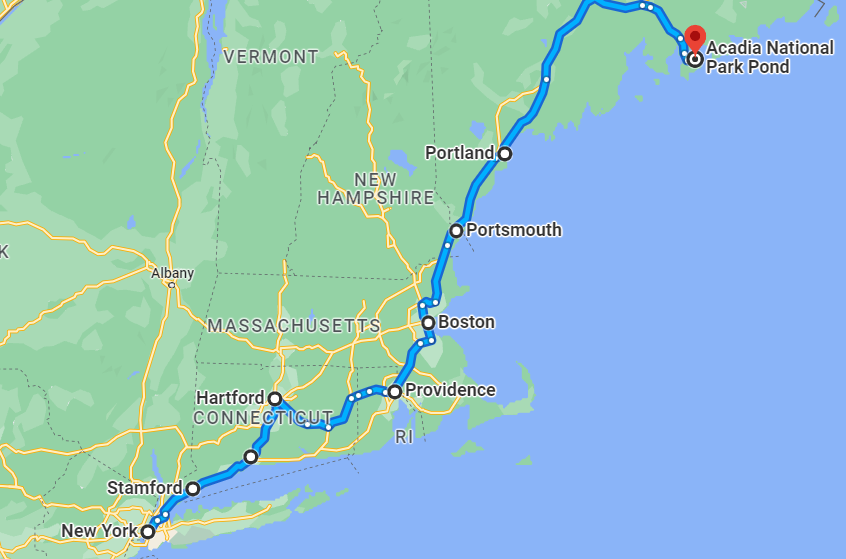
The physical distance between Manhattan and the Maine border is shorter than many travelers realize, yet the state’s vast geography means your final mileage will vary significantly depending on your destination. To reach the southern tip of the state, such as Kittery or York, the drive is approximately 250 miles. However, for those heading to the “Down East” region or the northern wilderness, the journey deepens considerably.
Mileage and Driving Times
On average, a drive from New York City to Portland—Maine’s largest city—covers about 315 miles. Under ideal conditions, this takes roughly five to six hours. If your goal is Bar Harbor, the gateway to Acadia National Park, you are looking at a 480-mile trek that typically requires eight to nine hours of behind-the-wheel time.
Navigating out of the Bronx and through Westchester is often the most time-consuming segment of the trip. Traffic congestion in the tri-state area can easily add an hour or more to the itinerary. For the most efficient experience, savvy travelers often depart in the very early morning hours or late in the evening to bypass the gridlock of Connecticut.
Route Options: Coastal vs. Inland
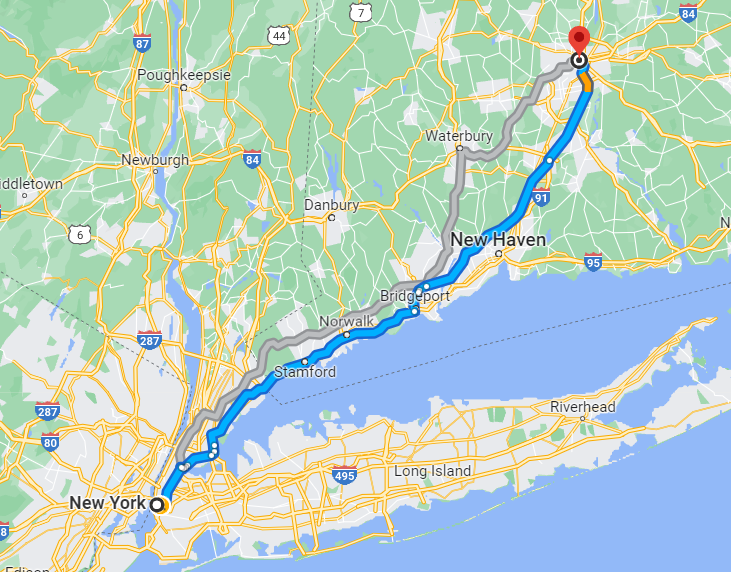
There are two primary corridors for this journey. The most common route follows the Interstate 95 corridor, which cuts through New Haven, bypasses Providence, and skirts Boston. This is the fastest path, though it is heavily tolled and frequently busy.
For those who prefer a more scenic, less frenetic experience, an inland route via Interstate 684 to Interstate 84 provides a glimpse of the rolling hills of Massachusetts and New Hampshire. While this adds a few miles, it often avoids the heavy coastal traffic of Rhode Island and offers a more relaxing transition into the northern woods. Regardless of the route, the final stretch through Portsmouth and across the Piscataqua River Bridge marks the official entry into the Pine Tree State.
Alternative Modes of Transportation
While driving offers the most flexibility, many travelers prefer to leave the navigation to the professionals. The infrastructure connecting New York City to the northern reaches of New England is robust, offering several reliable alternatives to a personal vehicle.
Taking the Train: The Amtrak Experience
For a professional and relaxing journey, Amtrak is a premier choice. However, it is important to note that there is no direct “one-seat” ride from Penn Station to Maine. Travelers typically take the Northeast Regional or the Acela to South Station in Boston.
From there, you must transfer to North Station to board the Downeaster. The Downeaster is a beloved regional service that runs from Boston up to Brunswick, with key stops in Old Orchard Beach and Portland. The train ride is celebrated for its scenic views of the Atlantic Ocean marshes and provides a level of comfort that a car simply cannot match.
Bus Services and Regional Flights
For budget-conscious travelers, bus lines like Greyhound and Peter Pan Bus Lines offer frequent service between Port Authority Bus Terminal and various hubs in Maine. While the travel time is longer due to multiple stops, it is a direct and affordable way to reach the coast.
If time is of the essence, flying is the most efficient option. Direct flights from LaGuardia Airport, JFK International Airport, and Newark Liberty International Airport land at the Portland International Jetport in just over an hour. For those heading further north, the Bangor International Airport serves as a strategic landing point for visitors destined for Acadia National Park or the Maine Highlands.
Must-Visit Stopovers Along the Way
The journey from New York City to Maine passes through some of the most historic and charming regions of the United States. Breaking up the drive allows travelers to experience the varied cultures of southern New England.
Exploring Coastal Connecticut
As you head north from Westchester, the Connecticut shoreline offers several worthwhile detours. Mystic Seaport is a world-class maritime museum that recreates a 19th-century seafaring village. It is an ideal spot for families or history enthusiasts to stretch their legs and enjoy fresh seafood before continuing the trek. Nearby, the Mystic Aquarium offers an insightful look at marine life in the Atlantic Ocean.
The Charm of Rhode Island and Massachusetts
A slight detour toward Newport, Rhode Island, reveals the opulence of the Gilded Age. Visiting the Newport Mansions, such as The Breakers, provides a fascinating contrast to the rustic simplicity you will find later in Maine.
As you progress into Massachusetts, the options for exploration expand. Beyond the historic streets of Boston, the town of Salem offers a mix of maritime history and witch trial lore. Further north, the coastal town of Newburyport serves as a sophisticated final stop before crossing into New Hampshire and then finally reaching the Maine state line.
Arrival in the Pine Tree State
Once you cross the border into Maine, the atmosphere shifts. The air becomes crisper, and the landscape opens up into a tapestry of rocky inlets and dense forests. The “Way Life Should Be” is not just a slogan; it is a palpable feeling that greets every traveler.
Southern Maine: The Gateway to the Coast
The first major destinations travelers encounter are the beach towns of southern Maine. Ogunquit, known for its stunning Marginal Way cliff walk, and Kennebunkport, a town famous for its presidential connections and upscale boutiques, are quintessential coastal stops.
Just a short drive further north lies Portland. This city is a culinary powerhouse, frequently cited as one of the best food cities in the United States. A visit to the Old Port district, with its cobblestone streets and working waterfront, is a highlight of any trip. Here, you can sample world-famous lobster rolls or visit the Portland Head Light in nearby Cape Elizabeth, which is arguably the most photographed lighthouse in the country.
Venturing Further: Midcoast and Acadia
For those willing to put in the extra hours beyond Portland, the rewards are immense. The Midcoast region, home to towns like Freeport—the headquarters of L.L. Bean—and Camden, offers a more quiet, sophisticated charm. Camden Hills State Park provides panoramic views of Penobscot Bay where the “mountains meet the sea.”
The ultimate destination for many is Mount Desert Island. This is home to Acadia National Park, a crown jewel of the National Park System. Whether you are driving the Park Loop Road, hiking up Cadillac Mountain to see the first sunrise in the country, or enjoying popovers at the Jordan Pond House, the distance from New York City feels like a small price to pay for such unparalleled natural beauty.
In conclusion, while Maine is technically several hundred miles from New York City, it exists in a different world entirely. The journey north is a rite of passage for many urbanites, offering a transition from the fast-paced energy of the city to the restorative calm of the North Atlantic coast. By planning your route, choosing the right mode of transport, and taking time to enjoy the stops along the way, the trip becomes much more than just a distance on a map—it becomes a quintessential American travel experience.
LifeOutOfTheBox is a participant in the Amazon Services LLC Associates Program, an affiliate advertising program designed to provide a means for sites to earn advertising fees by advertising and linking to Amazon.com. Amazon, the Amazon logo, AmazonSupply, and the AmazonSupply logo are trademarks of Amazon.com, Inc. or its affiliates. As an Amazon Associate we earn affiliate commissions from qualifying purchases.