
For many travelers venturing into the rugged, pine-scented wilderness of the northeastern United States, the majestic moose is the ultimate symbol of the wild. If you are planning a trip to Maine, the question “How many moose in Maine?” is likely at the forefront of your mind. Beyond a simple census, the answer reveals a complex tapestry of ecology, conservation, and a thriving tourism industry that revolves around these gentle giants. In Maine, the moose is more than just an animal; it is a cultural icon, a driver of local economies, and the primary objective for thousands of amateur photographers and wildlife enthusiasts who visit the state each year.
The Population Pulse: Understanding Moose Numbers in Maine
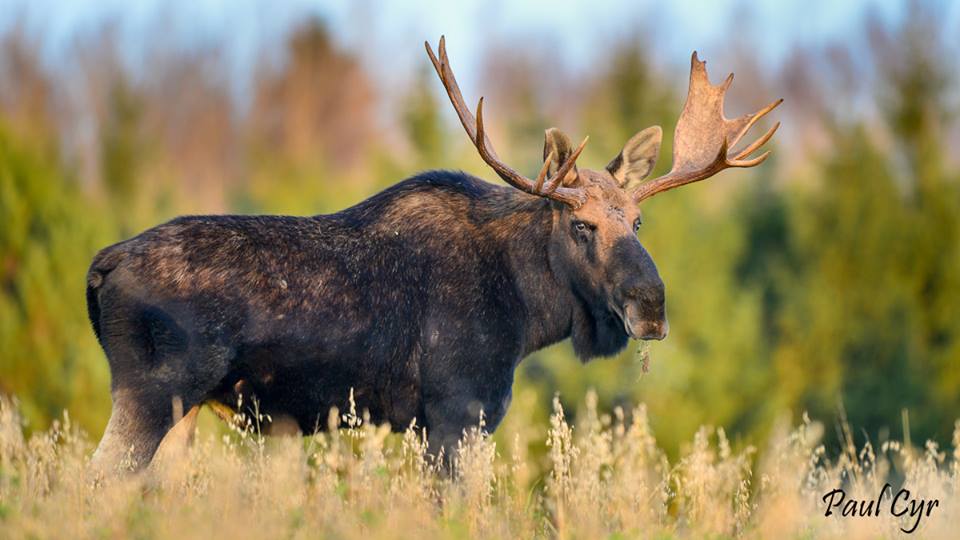
To understand the current state of moose in Maine, one must look at the data provided by the Maine Department of Inland Fisheries and Wildlife. Current estimates suggest that there are between 60,000 and 75,000 moose roaming the state. This makes Maine home to the highest concentration of moose in the lower 48 states. While these numbers might seem vast, the population is dynamic, influenced by environmental factors, food availability, and health challenges.
Scientific Monitoring and Habitat Management
The Maine Department of Inland Fisheries and Wildlife employs various methods to track these populations, including aerial surveys during the winter months when the dark silhouettes of moose are easier to spot against the white snow. Biologists also monitor the health of the herd by studying the impact of winter ticks, a parasite that has become a significant concern due to shortening winters in North America.
Tourism in Maine relies heavily on the health of these animals. Large-scale habitat management, often involving cooperation with the commercial timber industry in the North Maine Woods, ensures that there are plenty of “clear-cuts” where young, succulent vegetation can grow. This secondary growth is the primary food source for moose, providing the nutrients needed for bulls to grow their massive antlers and for cows to raise healthy calves.
Comparing Regions: Where the Moose Roam
While moose can technically be found in every county in Maine, including the outskirts of cities like Portland or Bangor, the density varies wildly. The highest concentrations are found in the northern and western parts of the state. Aroostook County, known as “The County” by locals, offers vast expanses of agricultural and forest land that support a massive population.
Conversely, the coastal regions and the more developed southern areas, near Augusta, have significantly fewer moose. For the tourist seeking a guaranteed sighting, heading north of the Kennebec Valley is essential. The transition from the urbanized south to the “Moose Country” of the north is one of the most dramatic shifts in the New England landscape.
Essential Moose Watching Tips for Tourists
Seeing a moose in its natural habitat requires more than just luck; it requires a basic understanding of the animal’s behavior and the Maine landscape. For those traveling from Boston or New York City, the silence of the woods can be a revelation, but it is in that silence that the moose are most active.
The Best Times of Day and Year
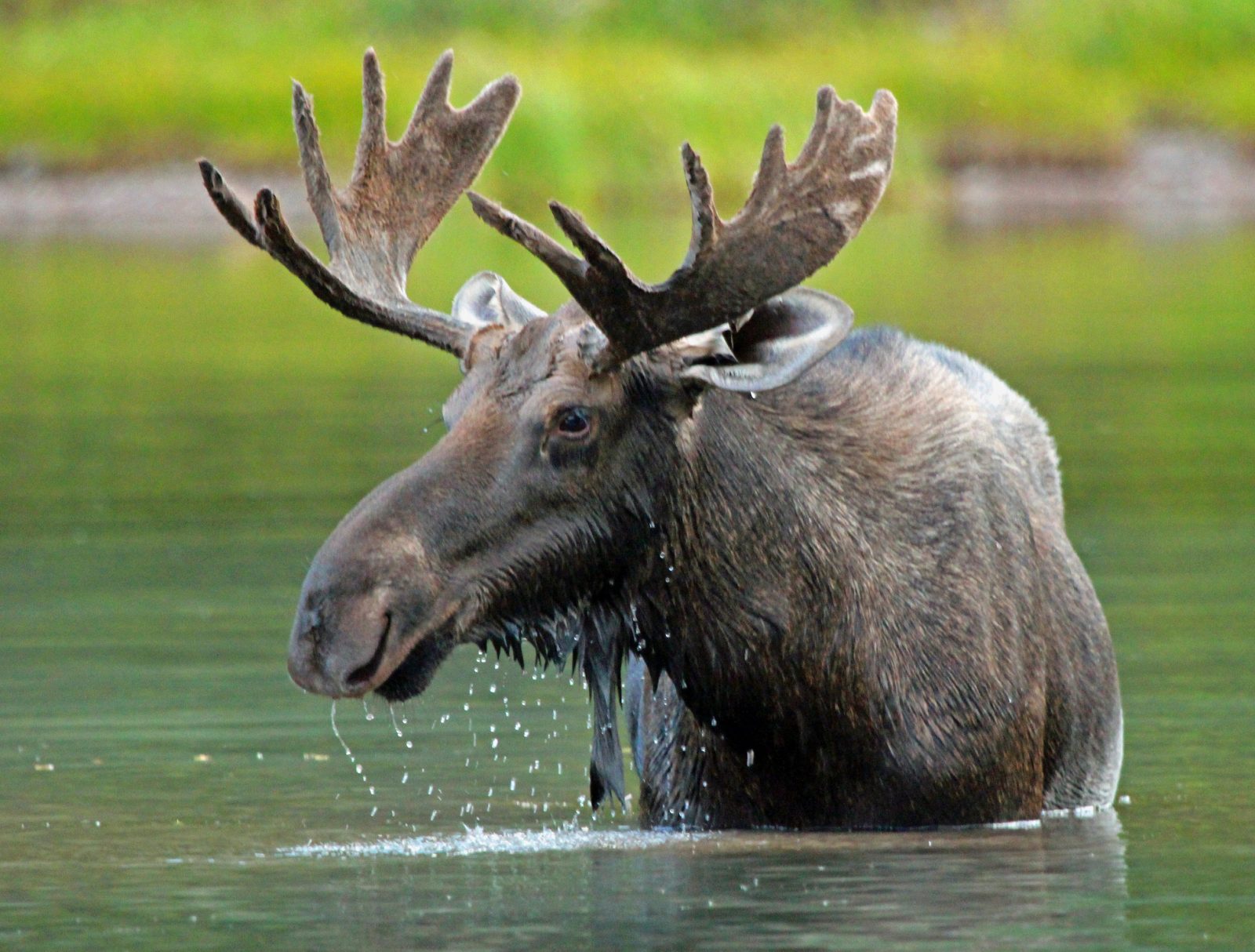
Moose are crepuscular, meaning they are most active during the twilight hours of dawn and dusk. For the best chance of a sighting, visitors should plan to be on the road or in the woods just as the sun begins to rise or shortly before it sets. During the heat of the day, moose often retreat into the thick shade of the forest or submerge themselves in ponds to cool off and escape biting insects.
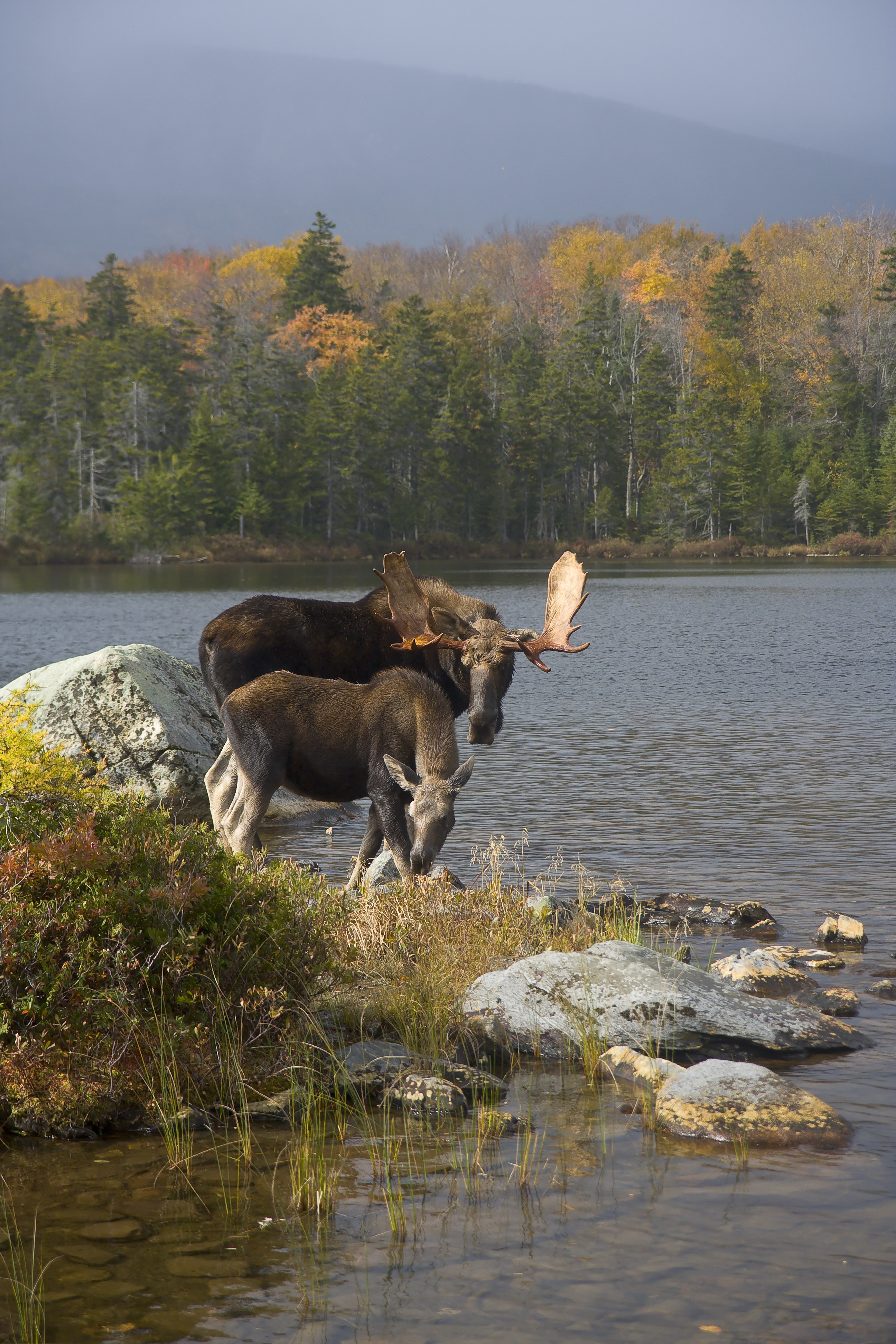
Seasonality is also key. The late spring and early summer (May through July) are peak viewing times. This is when moose frequent “salt licks”—areas along roadsides where winter road salt has accumulated in the soil—and marshy bogs where they feed on aquatic plants. The fall brings the “rut,” or mating season, which usually peaks in late September and early October. During the rut, moose are more active throughout the day, and bulls are particularly impressive with their fully grown, velvet-free antlers.
Safety and Ethical Wildlife Viewing
It is important to remember that moose are wild animals that can weigh up to 1,500 pounds. While they may appear docile or “clumsy,” they are surprisingly fast and can be defensive, especially cows with calves or bulls during the rut. The National Park Service and local guides recommend keeping a distance of at least 50 feet. If a moose stops eating and stares at you, or if its ears go back, you are too close.
Driving safety is another critical tourism tip. Moose-vehicle collisions are a serious concern in Maine. Because moose are so tall, their bodies often strike the windshield of a car directly. Travelers driving through the North Maine Woods or along Route 1 should be especially vigilant during nighttime hours, as moose are difficult to see against the dark asphalt.
Top Destinations for a Moose Safari
If you are visiting Maine specifically for wildlife, certain locations stand out as the “gold standard” for moose spotting. These areas have developed a robust tourism infrastructure, including lodges, guided tours, and well-maintained trails.
Moosehead Lake and Greenville
Moosehead Lake is perhaps the most famous destination for moose watching in the United States. The town of Greenville, located at the southern tip of the lake, serves as the gateway to this wilderness. Local outfitters offer “Moose Safaris” by land or by water. Taking a canoe out onto a quiet cove in the early morning is often the most successful and serene way to see a moose feeding on lily pads. The surrounding Kineo region also offers spectacular hiking with frequent sightings.
Baxter State Park and the Golden Road
For a more rugged experience, Baxter State Park is unparalleled. This massive park, home to Mount Katahdin and the northern terminus of the Appalachian Trail, is managed to keep it “forever wild.” Sandy Stream Pond within the park is famous for having moose present almost every evening during the summer.
Just outside the park lies the Golden Road. This legendary 96-mile private road was built by the Great Northern Paper Company to transport logs from the deep woods to the mills in Millinocket. Today, it is a favorite route for “moosing.” The unpaved nature of the road and the proximity to water make it a prime viewing corridor.
The Rangeley Lakes Region
In the western mountains of Maine, the Rangeley Lakes region offers a stunning backdrop for wildlife photography. The town of Rangeley is surrounded by high peaks and sprawling lakes. Route 16 between Rangeley and Stratton is often referred to as “Moose Alley.” Travelers frequently see moose standing in the roadside ditches or crossing the road to reach the nearby Dead River.
Integrating Moose Watching into the Maine Tourism Experience
While moose are a major draw, moose watching is best enjoyed as part of a broader exploration of Maine culture and activities. From the local cuisine to the historical landmarks, the “moose” theme permeates the entire experience of visiting the Pine Tree State.
Guided Tours vs. Solo Adventures
Many visitors wonder if they should hire a guide. For those with limited time, a guided tour from a hub like Jackman or Millinocket is highly recommended. Professional guides know the “secret spots” and understand current moose movements. They also provide valuable context regarding the history of Maine and the ecology of the Boreal Forest.
On the other hand, a solo adventure allows for more flexibility. Renting a cabin near Flagstaff Lake and spending several days exploring the backroads at your own pace can be deeply rewarding. It allows you to immerse yourself in the quietude that makes Maine so special, away from the more crowded tourist spots like Acadia National Park or Bar Harbor.
Local Culture and the Moose Iconography
Finally, the moose is an integral part of Maine lifestyle. You will find it on everything from the state’s official seal to the logos of local breweries and craft shops. Engaging with this culture often involves visiting local general stores where “moose sighting” boards are kept, allowing locals and tourists alike to pin locations where they recently spotted an animal.
Eating local is also part of the trip. While you won’t find moose on most restaurant menus (as it is not a commercial meat), you will find “Moose Tracks” ice cream in almost every parlor from Kennebunkport to Fort Kent. Whether you are exploring the historical architecture of Portland or the deep wilderness of Piscataquis County, the presence of the moose is a constant reminder of the state’s commitment to preserving its natural heritage.
By understanding the population dynamics and knowing where to go, your quest to see “how many moose in Maine” will transform from a simple number into an unforgettable travel experience in the heart of New England. Whether you are crossing the border from Canada or driving up from New Hampshire, the moose of Maine await those who have the patience and the passion to find them.
LifeOutOfTheBox is a participant in the Amazon Services LLC Associates Program, an affiliate advertising program designed to provide a means for sites to earn advertising fees by advertising and linking to Amazon.com. Amazon, the Amazon logo, AmazonSupply, and the AmazonSupply logo are trademarks of Amazon.com, Inc. or its affiliates. As an Amazon Associate we earn affiliate commissions from qualifying purchases.