
The allure of the United States northeastern corner is undeniable. Known affectionately as the “Pine Tree State,” Maine offers a rugged coastline, dense emerald forests, and a pace of life that seems to ignore the frantic ticking of the modern world. However, for those looking to transition from a visitor to a permanent resident, the primary question is often financial: Is it expensive to live in Maine?
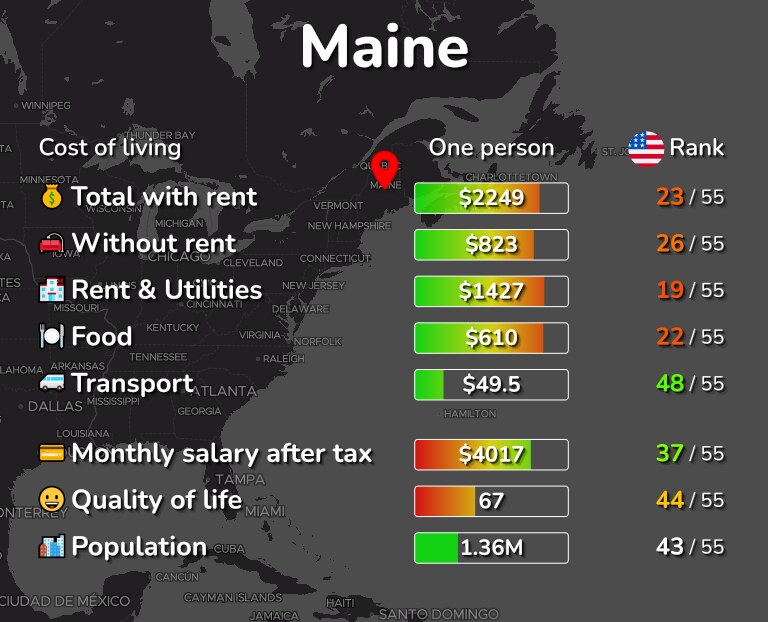
The answer is nuanced. While Maine does not carry the astronomical price tags of New York City or San Francisco, it is also not a bargain-basement destination. Its cost of living sits slightly above the national average, driven by specific regional factors such as heating costs, aging housing stock, and a seasonal economy. To understand whether Maine fits your lifestyle budget, one must look closely at the intersection of geography, infrastructure, and the unique cultural values of the North Atlantic region.
Housing and Real Estate: The Foundation of Maine’s Living Costs
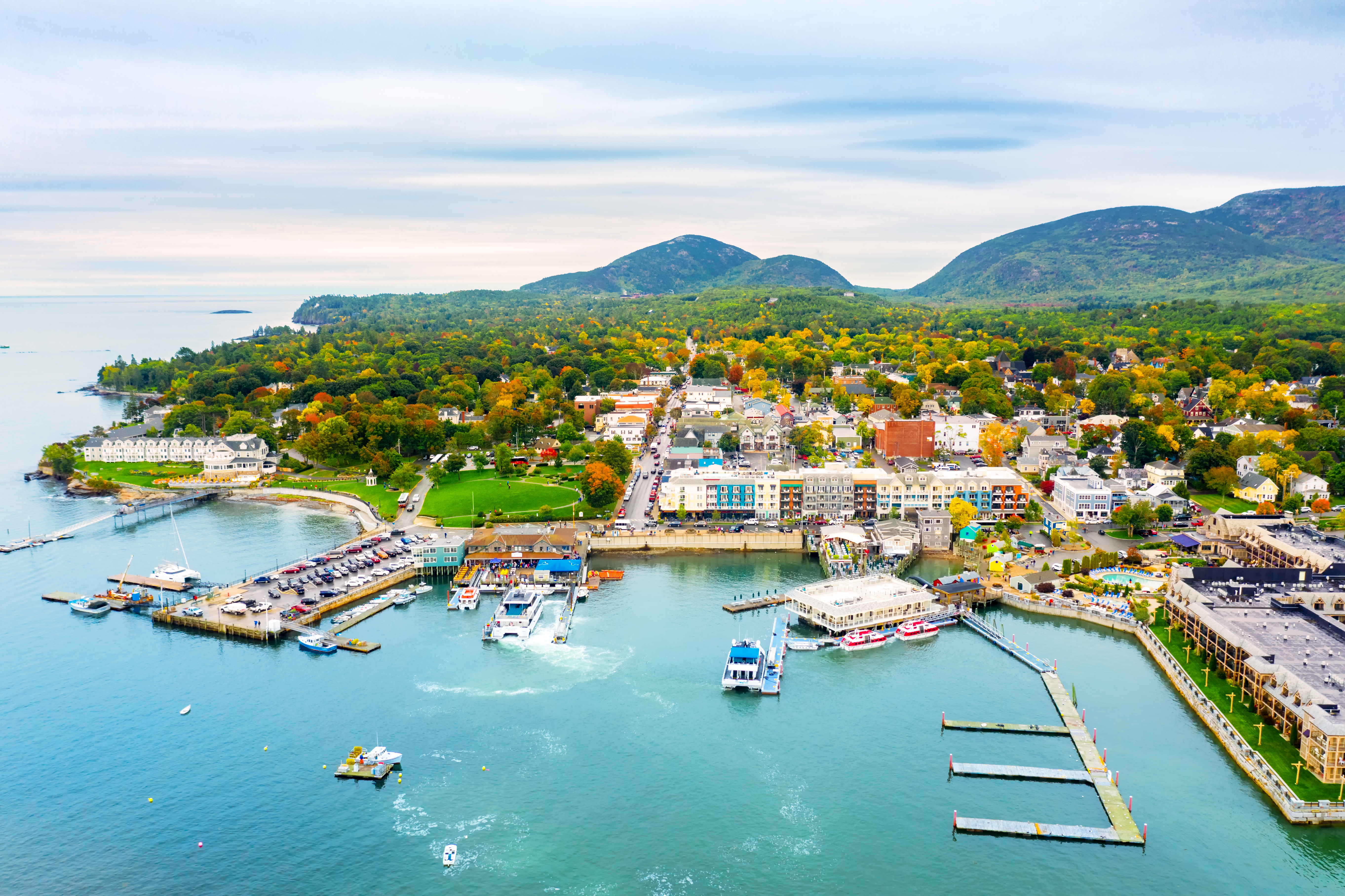
Housing is the most significant expenditure for any household, and in Maine, the real estate market is defined by a sharp divide between coastal “vacationland” and the rural interior. In recent years, the state has seen a surge in demand, partly fueled by the rise of remote work and a national trend toward seeking out high-quality natural environments.
Coastal vs. Inland Market Trends
The “Two Maines” theory is nowhere more visible than in property values. If you are eyeing a home in Portland, the state’s largest and most cosmopolitan city, you should be prepared for prices that rival mid-sized European capitals. Portland has become a culinary and tech hub, driving up demand for both historic townhomes and modern condos.
As you move toward the Midcoast and Southern Coast, in towns like Kennebunkport or Camden, prices remain high due to the scarcity of oceanfront property and the influence of out-of-state buyers seeking secondary residences. Conversely, moving inland to Bangor or Lewiston offers a more affordable entry point. In Aroostook County, the northernmost part of the state, real estate is remarkably inexpensive, though this often comes with a trade-off in terms of proximity to major medical facilities and high-speed infrastructure.
Renting and the Long-term Stay Challenge
For those not ready to buy, the rental market in Maine presents its own set of challenges. In tourist-heavy areas like Bar Harbor or Ogunquit, the short-term rental market (driven by platforms like Airbnb) has significantly tightened the supply for year-round residents. This “seasonal squeeze” often means that workers in the hospitality industry must live further inland and commute, adding transportation costs to their monthly budget. In the Greater Portland area, vacancy rates remain historically low, keeping rental prices on a steady upward trajectory.
Daily Expenses: Groceries, Utilities, and Transportation
Beyond the roof over your head, the day-to-day lifestyle in Maine carries costs that are often dictated by the state’s geography and climate.
The Cost of Keeping Warm
Perhaps the most shocking realization for newcomers moving from the Sun Belt or California is the cost of heating. Maine is one of the most heating-oil-dependent states in the United States. Because many of the homes are historic—charming but often under-insulated—winter utility bills can be a significant burden. While many residents are switching to high-efficiency heat pumps or supplemental wood heat, the cost of keeping a home comfortable during a New England winter is a non-negotiable part of the budget.
Logistics and Food Costs
Maine is a large, rural state located at the end of the supply chain. While you can find world-class seafood for a bargain if you buy directly from a wharf in Rockland, general groceries can be slightly more expensive than in the Midwest. The logistics of transporting goods to remote areas like Piscataquis County add to the shelf price. However, many Mainers offset these costs by participating in the local “farm-to-table” economy. Buying a CSA (Community Supported Agriculture) share from a farm in Freeport or shopping at farmers’ markets in Augusta can provide high-quality nutrition at a competitive price while supporting the local lifestyle.
Transportation Needs
Public transit in Maine is limited outside of the Portland metro area and the Downeaster train line connecting to Boston. For the vast majority of residents, a car is a necessity. This introduces expenses for fuel, maintenance (especially given the toll that salt and snow take on vehicles), and insurance. Furthermore, if you live on one of the many islands in Casco Bay, such as Peaks Island, your budget must account for ferry fees and the unique logistical hurdles of island living.
Taxation and Government Services
When evaluating the cost of living from a lifestyle perspective, one must consider the tax burden and what it provides in return. Maine is often characterized as a high-tax state, but the reality depends on your income bracket and property value.
Income and Property Tax Structures
Maine employs a progressive income tax system, with the top rate reaching around 7.15%. While this is lower than in neighboring Massachusetts, it is higher than in “tax-free” states like New Hampshire. Property taxes vary wildly by municipality. In service centers like Bangor, the mil rate might be higher to support comprehensive public services, whereas smaller coastal towns might have lower rates but fewer amenities like trash pickup or public water.
The Value of Public Infrastructure
It is important to weigh these taxes against the quality of life they facilitate. Maine invests heavily in preserving its natural beauty. Your tax dollars help maintain the state’s pristine parks and public access points to the wilderness. For families, the quality of public education in many districts—from Yarmouth to Falmouth—is exceptionally high, potentially saving residents the cost of private school tuition that might be necessary in other parts of the country.
Balancing the Books: Quality of Life and Hidden Savings
While the hard numbers might suggest that Maine is moderately expensive, the “lifestyle” value proposition is where the state truly shines. There are “hidden savings” in the Maine way of life that are often omitted from standard cost-of-living calculators.
Natural Recreation as Low-Cost Entertainment
In more urbanized states, entertainment often involves expensive tickets, parking fees, and dining out. In Maine, the primary form of entertainment is the outdoors. A resident pass to Acadia National Park provides a year of world-class hiking, biking, and scenery for a nominal fee. Weekend trips to Baxter State Park or the White Mountain National Forest offer affordable camping and exploration. When your “backyard” includes the Atlantic Ocean and the Appalachian Trail, the need for high-priced commercial entertainment diminishes significantly.
The Culture of Thrift and Sustainability
There is a deep-seated cultural thread of “Yankee ingenuity” and thrift in Maine. The lifestyle here rewards self-sufficiency. Whether it’s gardening, DIY home repairs, or participating in local “swap” economies, Mainers tend to prioritize durability and utility over flashiness. This cultural shift can lead to a significant reduction in discretionary spending. Residents often find that the pressure to keep up with consumerist trends is much lower in South Portland than it is in Miami or Dallas.
The Luxury of Peace and Safety
Finally, one must consider the “cost” of peace of mind. Maine consistently ranks as one of the safest states in the United States. The value of low crime rates, clean air, and lack of traffic congestion is difficult to quantify in dollars, but it represents a massive “lifestyle dividend.” Living in a place like Brunswick or Belfast offers a level of security and community cohesion that many are willing to pay a premium for.

Is Maine Right for Your Budget?
Ultimately, the expense of living in Maine is a choice of priorities. If you require a high-frequency urban lifestyle with 24-hour amenities and low taxes, Maine may feel prohibitively expensive for what it offers. However, if your definition of a rich life involves proximity to the Mount Desert Island rugged peaks, fresh air from the North Woods, and a community that values character over status, the costs are more than justified.
The state is currently navigating a period of growth and change. As more people discover the beauty of Old Orchard Beach or the quiet charm of Wiscasset, the pressure on housing will likely continue. Prospective residents should approach Maine with a clear-eyed view of their heating and transportation needs, while also recognizing the incredible wealth of natural beauty that comes free of charge with a Maine zip code. Whether you are looking at a cottage in Kittery or a farmhouse in Presque Isle, living in the Pine Tree State is less an exercise in accounting and more an investment in a specific, high-quality way of life.
LifeOutOfTheBox is a participant in the Amazon Services LLC Associates Program, an affiliate advertising program designed to provide a means for sites to earn advertising fees by advertising and linking to Amazon.com. Amazon, the Amazon logo, AmazonSupply, and the AmazonSupply logo are trademarks of Amazon.com, Inc. or its affiliates. As an Amazon Associate we earn affiliate commissions from qualifying purchases.