
For many, the open road represents not just a means of transport but a gateway to adventure, independence, and the exploration of new horizons. In a state as vast and vibrant as Florida, obtaining a learner’s permit is the first exciting step towards unlocking the freedom to experience its stunning landscapes, bustling cities, and serene coastal retreats firsthand. Imagine the day you can independently drive down a palm-lined avenue in Miami, embark on a spontaneous road trip to the Florida Keys, or navigate to the enchanting theme parks of Orlando. This isn’t merely about getting a license; it’s about gaining the liberty to curate your own Florida lifestyle, from discovering hidden gems to reaching premier resorts and attractions with ease.
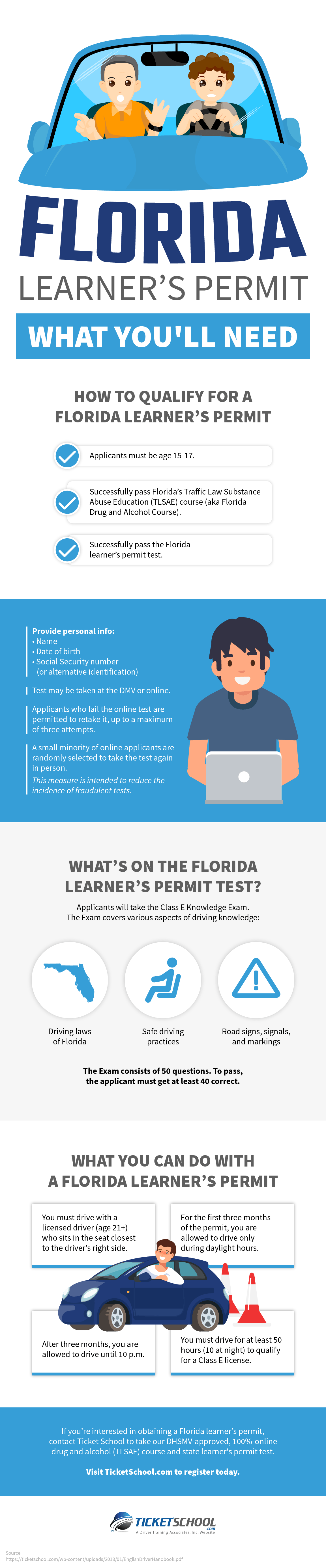
This comprehensive guide will walk you through everything you need to know about securing your learner’s permit in the Sunshine State. We’ll cover the eligibility criteria, the essential documents you’ll need to gather, the tests you’ll face, and what to expect during the application process at the Florida Department of Highway Safety and Motor Vehicles (or FLHSMV). Preparing thoroughly will not only smooth your journey to getting your permit but also lay a strong foundation for safe and responsible driving, ensuring your future travels across Florida are filled with joy and confidence.
Understanding the Florida Learner’s Permit: Your First Step Towards Independence
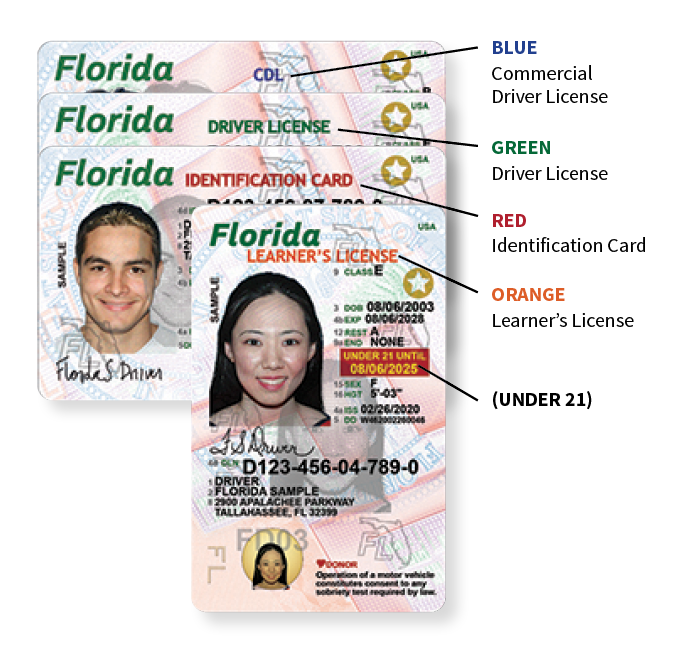
The Florida learner’s permit, officially known as a Class E Learner’s Driver’s License, is designed to provide novice drivers with the opportunity to gain essential behind-the-wheel experience under supervised conditions. It’s a foundational element for anyone aspiring to drive independently in the state, offering a structured path to learn traffic laws, practice driving skills, and become familiar with the unique driving environment that ranges from urban sprawls like Tampa and Jacksonville to more rural and scenic routes. This permit isn’t just a piece of paper; it’s your ticket to beginning a journey that will open up incredible opportunities for exploration and personal freedom within Florida and beyond.
Eligibility Requirements: Are You Ready to Drive?
Before you even think about visiting an FLHSMV service center, it’s crucial to ensure you meet the basic eligibility criteria established by the state of Florida. These requirements are in place to ensure that young drivers are mature enough and have received basic education on road safety before they get behind the wheel.
- Age Requirement: You must be at least 15 years old to apply for a learner’s permit. This age is set to balance the desire for early driving experience with the need for a certain level of maturity and cognitive development.
- Traffic Law and Substance Abuse Education (TLSAE) Course: This is a mandatory component for all first-time drivers in Florida, regardless of age. Often referred to as the “Drug and Alcohol Course” or “SAVE” course, it covers vital topics such as the impact of alcohol and drugs on driving, traffic laws, and safe driving practices. This course can typically be completed online or in a classroom setting through an approved provider. Completing the TLSAE course is not just a bureaucratic step; it’s an investment in your safety and the safety of others on Florida’s roads, equipping you with crucial knowledge before you even touch a steering wheel.
- Parental Consent: If you are under 18 years old, a parent or legal guardian must provide their consent for you to obtain a learner’s permit. This usually involves signing an affidavit at the FLHSMV office. This step underscores the responsibility parents share in guiding their children through the initial stages of driving, ensuring they are prepared for the challenges and privileges that come with it.
Key Steps Before You Apply: Laying the Groundwork
Once you’ve confirmed your eligibility, there are a couple of preliminary steps that will streamline your application process and ensure you’re well-prepared for the necessary assessments.
- Study the Florida Driver’s Handbook: This is your bible for the knowledge test. The Florida Driver’s Handbook contains all the traffic laws, road signs, and safe driving practices you’ll need to know. You can download it from the FLHSMV website or pick up a physical copy at a service center. Devoting time to thoroughly understand this material will significantly increase your chances of passing the knowledge test on your first attempt. Remember, knowing these rules isn’t just for the test; it’s fundamental for safely navigating anything from the busy streets of Fort Lauderdale to the scenic routes around Sarasota.
- Complete the TLSAE Course: As mentioned earlier, this course is non-negotiable for first-time drivers. Many approved providers offer this course online, allowing you to complete it at your own pace from the comfort of your home. Upon completion, the provider will electronically notify the FLHSMV of your success, or provide you with a certificate of completion that you’ll need to bring to the service center.
The Application Process: Your Road to Freedom
With the prerequisites met and your studies underway, the next phase involves the practical steps of applying for your learner’s permit. This includes gathering an array of documents, passing required tests, and making a visit to your local FLHSMV service center. This process is designed to verify your identity, residency, and understanding of traffic laws, ensuring that only qualified individuals are granted the privilege of learning to drive.
Gathering Your Essential Documents: Proof of Identity and Residency
One of the most critical aspects of applying for any official document is presenting the correct identification. The FLHSMV requires specific documents to prove your identity, Social Security number, and residential address. It’s crucial to bring original documents; photocopies are generally not accepted. Being organized and having all these documents ready will prevent delays and multiple trips to the service center, allowing you more time to plan your future adventures, perhaps to St. Augustine or Key West.
Here’s a breakdown of what you’ll need:
- Proof of Identity (one of the following):
- Original or certified birth certificate (U.S. issued).
- Valid U.S. Passport or Passport Card.
- Consular Report of Birth Abroad.
- Certificate of Naturalization.
- Certificate of Citizenship.
- Alien Registration Card (Form I-551) for non-U.S. citizens.
- Proof of non-immigrant classification from the U.S. Citizenship and Immigration Services (for non-U.S. citizens).
-
Proof of Social Security Number (one of the following):
- Social Security card (original).
- W-2 form.
- Pay stub with your SSN.
- Any 1099 form.
- If you don’t have an SSN, you’ll need an affidavit from the Social Security Administration stating you were never issued one.
-
Proof of Residential Address (two different documents from approved list):
- Utility bill (electric, water, gas, cable) dated within two months.
- Mail from a government agency (e.g., IRS, city, county, state, federal).
- Bank statement dated within two months.
- Rental or lease agreement.
- Mortgage statement.
- Vehicle registration or title.
- Student ID card with address.
- A declaration of domicile.
- For minors, if the parent’s address is used, you’ll need proof of relationship (e.g., birth certificate) and the parent’s proof of address.
Acing the Tests: Vision and Knowledge
Once your documents are in order, you’ll proceed to the testing phase. These tests are fundamental to ensure you are both physically capable of operating a vehicle and mentally prepared to adhere to traffic laws.
- Vision Test: This is a straightforward test administered at the FLHSMV office. You’ll read letters or numbers from a chart to demonstrate that your vision meets the minimum standards required for safe driving. If you wear glasses or contact lenses, be sure to bring them and wear them during the test. Good vision is paramount for observing road signs, traffic signals, and potential hazards, all vital for enjoying the diverse driving conditions from busy urban centers to serene natural parks like Everglades National Park.
- Knowledge Test (Class E Road Rules and Road Signs): This is the exam that truly tests your preparation with the Florida Driver’s Handbook. The test consists of multiple-choice questions covering traffic laws, safe driving practices, and road sign identification. You’ll typically need to answer a certain percentage of questions correctly to pass. Many service centers offer this test electronically. For those under 18, the knowledge test can often be taken online through an approved third-party provider, but always confirm this option with the FLHSMV or your course provider. Passing this test signifies your readiness to understand and obey the rules of the road, which is essential for ensuring a safe and pleasant journey wherever your Florida travels take you.
Visiting the FLHSMV Office: The Final Step
After successfully completing the TLSAE course and gathering all your documents, it’s time to head to your nearest FLHSMV driver’s license service center. While appointments are often recommended or even required at some locations (check the FLHSMV website for your specific county), walk-ins may be accommodated depending on the center’s capacity.
When you arrive:
- You’ll present all your required documents to a customer service representative for verification.
- Your photograph will be taken for your permit.
- You’ll pay the required fee (which can vary, so check the current fee schedule on the FLHSMV website).
- Once everything is processed and approved, your Florida learner’s permit will be issued!
Holding that permit in your hand is a moment of triumph, signifying your official entry into the world of driving. It’s the initial step on a journey that will not only enhance your daily life but also unlock countless travel and exploration opportunities across the beautiful and diverse state of Florida.
Navigating Life with Your Learner’s Permit: Rules and Next Steps
Obtaining your Florida learner’s permit is a significant achievement, but it’s important to remember that it comes with specific restrictions designed to ensure your safety and the safety of others as you gain experience. Think of these restrictions not as limitations, but as guardrails that guide you towards becoming a confident and responsible driver, ready to eventually embark on epic Florida road trips to places like Naples or Pensacola.
Important Driving Restrictions: Learning Safely
The purpose of a learner’s permit is to allow you to practice driving in a controlled environment. Florida law outlines specific rules that must be followed while driving with a learner’s permit:
- Supervision Required: You must always be accompanied by a licensed driver who is at least 21 years old and occupies the front passenger seat. This supervising driver must hold a valid Class E or higher driver’s license. This ensures you have an experienced guide beside you, ready to offer advice and intervene if necessary, making every practice drive an invaluable learning experience.
- Daylight Driving for the First Three Months: For the first three months after your permit is issued, you are only permitted to drive during daylight hours. This restriction minimizes exposure to the more challenging conditions of nighttime driving, such as reduced visibility and increased fatigue, allowing you to build foundational skills in optimal conditions.
- Extended Hours After Three Months: After you have held your learner’s permit for three months, you are allowed to drive until 10:00 PM. This phased approach gradually introduces you to driving in varying light conditions, preparing you for the full privileges of a regular driver’s license.
- Passenger Limitations: While not strictly enforced for learner’s permits in Florida as it is for intermediate licenses in some other states, it’s always wise to limit passengers, especially during your initial driving experiences. Fewer distractions mean more focus on the road and your driving instructor.
Adhering to these restrictions is not just about legality; it’s about prioritizing safety and maximizing your learning potential. Each supervised drive is an opportunity to practice parking at a local shopping center, navigating traffic near Jacksonville, or simply getting comfortable behind the wheel, preparing you for the independence that awaits.
Preparing for Your Full Driver’s License: The Next Adventure
Your learner’s permit is a temporary credential, a stepping stone to a full Class E driver’s license. To progress to the next stage, you’ll need to fulfill additional requirements:
- Holding Period: You must hold your learner’s permit for at least 12 months without any traffic convictions. This extended period ensures you gain substantial driving experience across various conditions and scenarios.
- Driving Practice: Accumulate at least 50 hours of behind-the-wheel driving experience, with 10 of those hours completed at night. Your supervising driver must sign an affidavit attesting to these hours, which you’ll submit when you apply for your full license. This extensive practice is crucial for developing instinct, confidence, and the practical skills needed to handle everything from navigating Miami’s bustling downtown to cruising along coastal roads.
- Pass the Driving Skills Test (Road Test): This is the final assessment, where you’ll demonstrate your ability to safely operate a vehicle in real-world conditions. The road test evaluates your mastery of basic driving maneuvers, adherence to traffic laws, and overall control of the vehicle. You can schedule this test at an FLHSMV office or through an authorized third-party testing provider. Successful completion of this test is the ultimate validation of your readiness to drive independently.
The journey from a learner’s permit to a full driver’s license is an exciting rite of passage that unlocks unparalleled independence. In Florida, this freedom means being able to discover charming boutique hotels in St. Petersburg, visit historical landmarks, or simply enjoy the convenience of getting around. It transforms the concept of travel from being reliant on others to becoming the architect of your own adventures, allowing you to fully immerse yourself in the diverse beauty and dynamic culture of the Sunshine State. Embrace this learning period, practice diligently, and soon you’ll be navigating Florida’s roads with skill and confidence, ready for whatever destination beckons.
LifeOutOfTheBox is a participant in the Amazon Services LLC Associates Program, an affiliate advertising program designed to provide a means for sites to earn advertising fees by advertising and linking to Amazon.com. Amazon, the Amazon logo, AmazonSupply, and the AmazonSupply logo are trademarks of Amazon.com, Inc. or its affiliates. As an Amazon Associate we earn affiliate commissions from qualifying purchases.