
The Acadian Festival, held annually in the town of Madawaska, is a vibrant and deeply meaningful celebration of heritage, resilience, and community. Located in the northernmost reaches of Maine, within the picturesque St. John Valley, this festival serves as the definitive gathering for the Acadian people. It is more than just a series of events; it is a living tribute to a culture that has survived centuries of displacement and hardship to remain a cornerstone of the identity of Aroostook County. For visitors, the festival offers an immersive window into a unique French heritage that is distinct from the cultures found in Quebec or France.
The Cultural Significance and Historical Roots of the Festival
At its heart, the Acadian Festival is a commemoration of the Acadians who settled in the St. John Valley after the Great Upheaval. To understand the festival, one must understand the history of the Acadian people. Originally settlers from France who established colonies in Nova Scotia and New Brunswick, they were forcibly removed by the British in the mid-18th century. Many fled to the St. John River, seeking refuge in the isolated forests of what is now northern Maine and Canada.
The Symbolism of the Acadian Flag
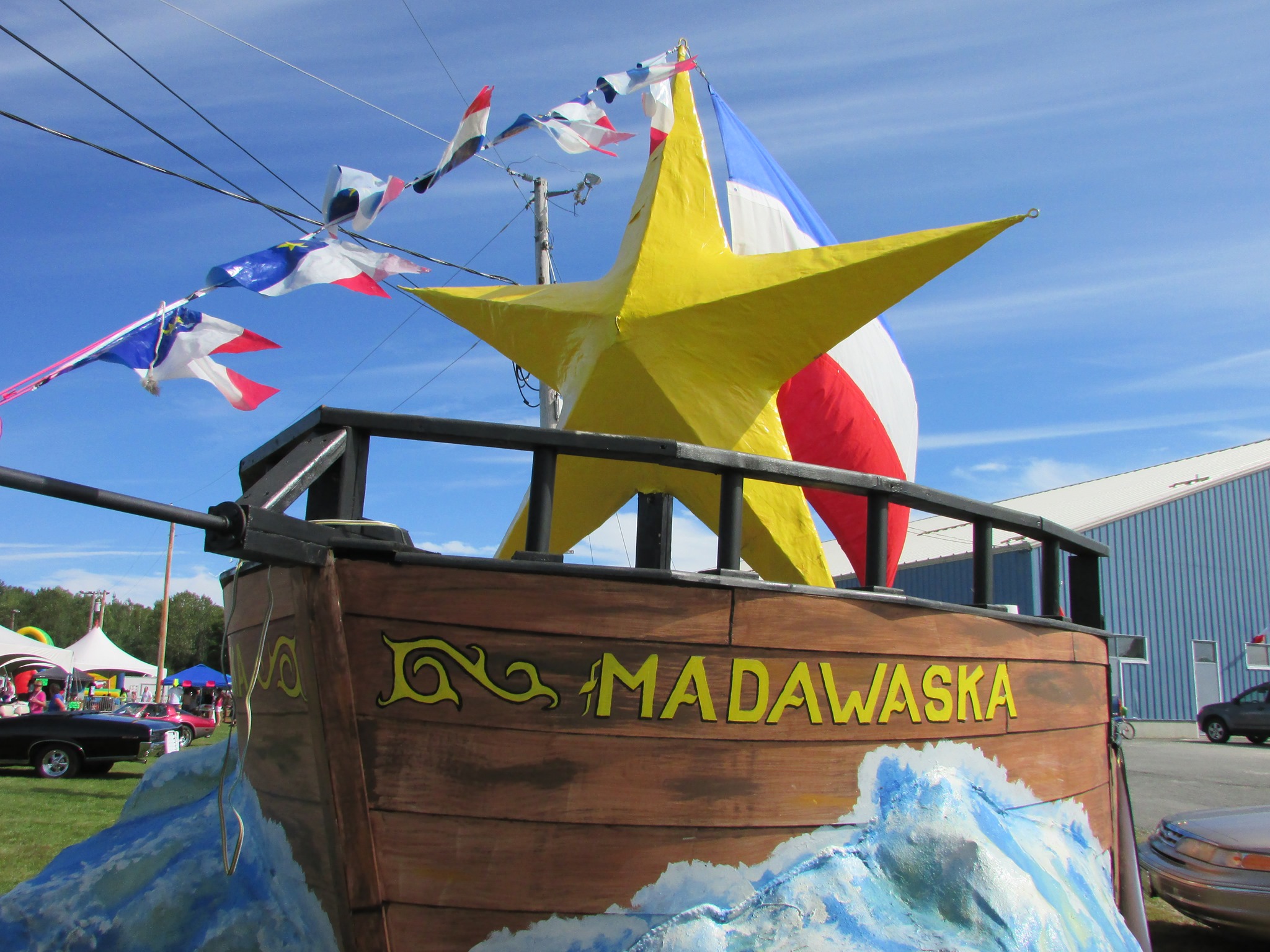
During the festival, the Acadian flag—a tricolor of blue, white, and red with a gold star representing the Stella Maris—is seen flying from every porch and storefront in Madawaska. This star is the symbol of Mary, the patron saint of the Acadians, and serves as a guiding light for the community. The festival often opens with ceremonies at the Acadian Cross Historic Site, a landmark that marks the spot where the first Acadian families landed in the region. This site serves as a somber yet prideful reminder of the grit and determination required to build a new life in the wilderness.
The Tintamarre: A Joyful Rebellion
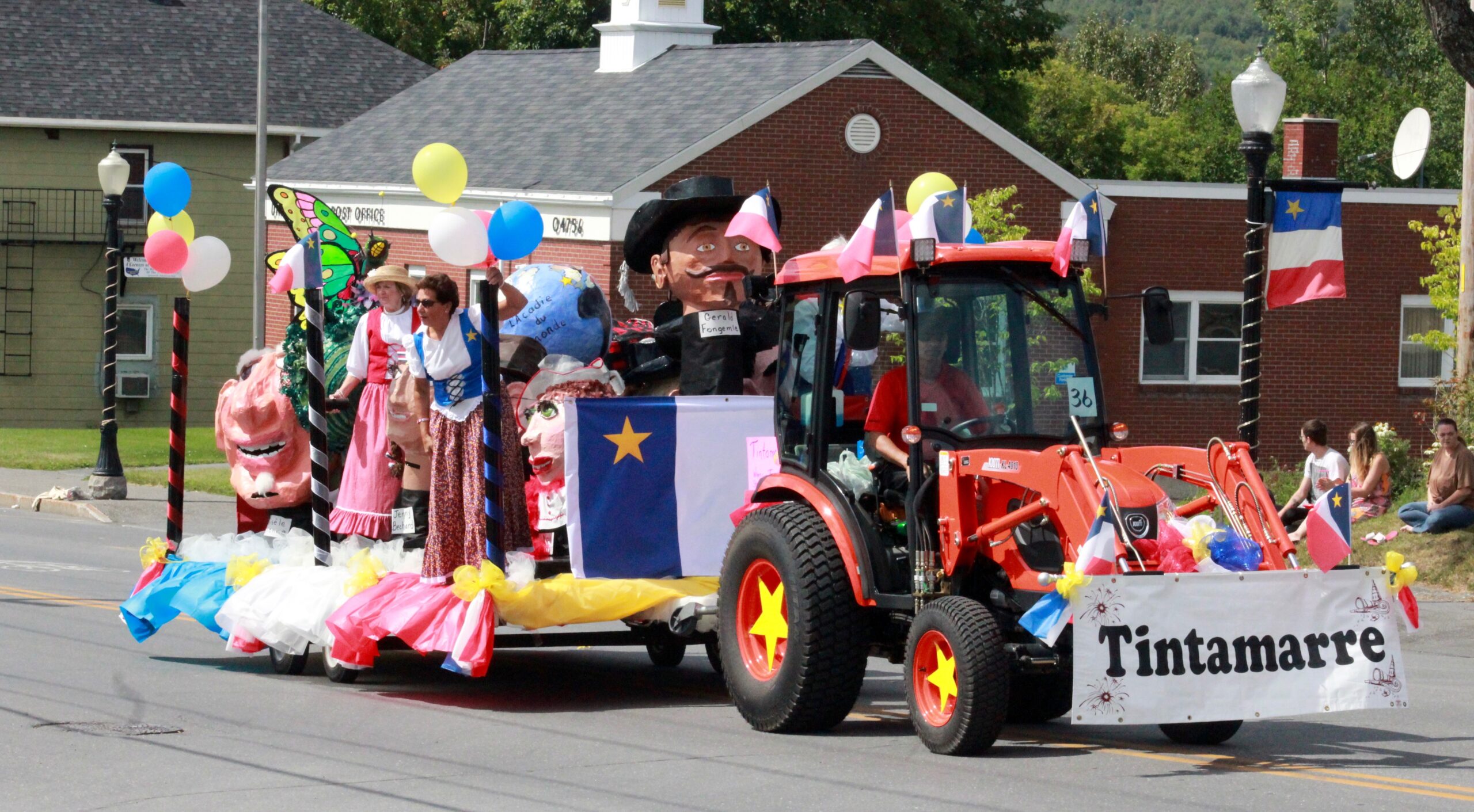
Perhaps the most famous cultural activity of the Acadian Festival is the Tintamarre. This tradition involves a parade of people dressed in traditional colors, carrying noisemakers, drums, and whistles. The goal is simple: to make as much noise as possible. Historically, the Tintamarre was a way for the Acadian people to proclaim their presence and survival to the world. In Madawaska, this event transforms the main streets into a sea of sound and color, inviting locals and tourists alike to join the cacophony and celebrate the fact that the Acadian spirit remains unbroken.
Signature Activities and Community Traditions
The Acadian Festival is structured to offer something for everyone, ranging from intellectual historical pursuits to high-energy physical competitions. The schedule is typically packed with events that celebrate the family unit, which is the bedrock of Acadian society.
Family Reunions and Genealogy
A central pillar of the festival is the official family reunion. Each year, a specific Acadian family name—such as Cyr, Pelletier, or Daigle—is chosen as the “honored” family. Relatives from across the United States and Canada travel to Madawaska to trace their lineage. The Madawaska Historical Society often hosts workshops where experts help attendees navigate ancestral records. These reunions are deeply emotional, often resulting in the discovery of long-lost cousins and the sharing of oral histories that have been passed down through generations.
The Festival Parade and Party in the Park
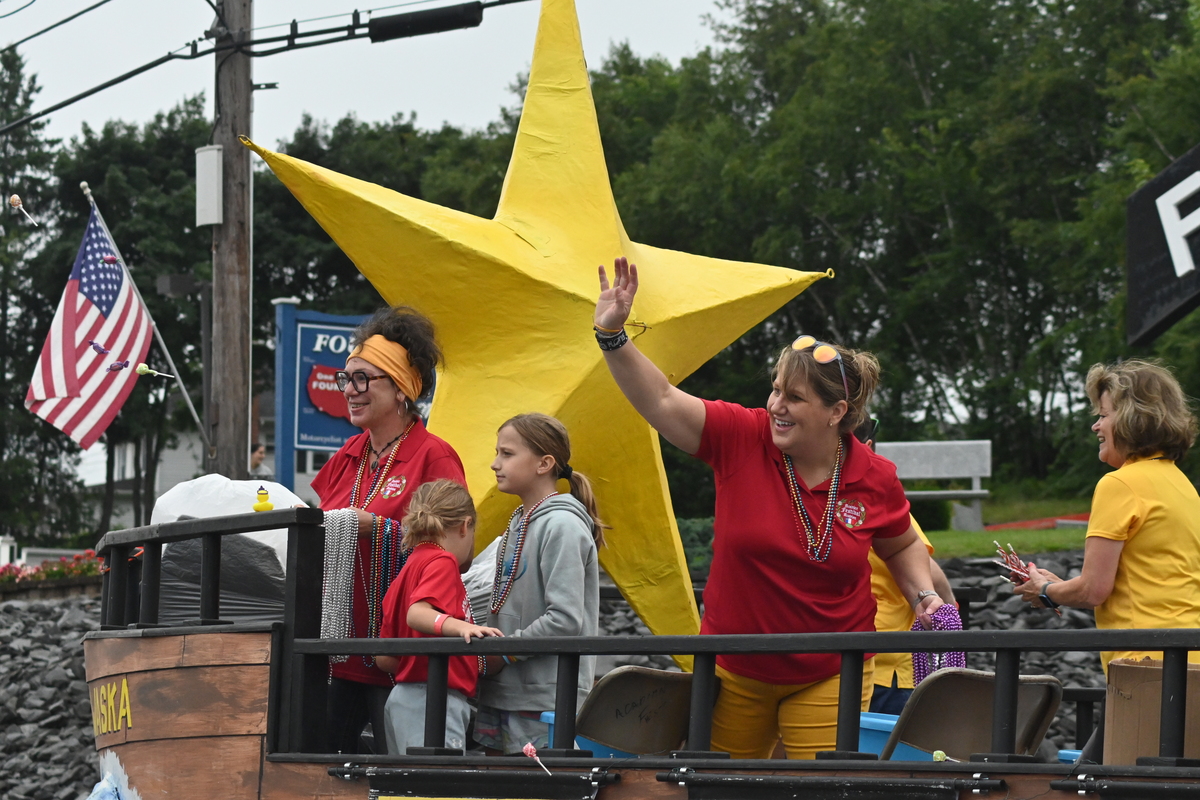
The grand parade is a highlight for many, featuring elaborate floats, marching bands, and local dignitaries. Following the parade, the action moves to the Multi Purpose Center and local parks for the “Party in the Park.” Here, attendees can witness traditional Acadian music, which heavily features the fiddle and the accordion. The “clogging” or step-dancing is a sight to behold, as performers of all ages demonstrate the rhythmic footwork that has been a staple of Acadian social gatherings for centuries.
Arts, Crafts, and Traditional Skills
Tourism in the St. John Valley during the festival is also an opportunity to appreciate regional craftsmanship. The Acadian Festival hosts a large arts and crafts fair where local artisans sell handmade goods. Visitors can find intricate woodworking, hand-woven textiles, and pottery. There are often demonstrations of traditional skills, such as spinning wool or blacksmithing, providing an educational experience that highlights the self-sufficiency required of early settlers in Maine.
A Culinary Journey: Tasting Acadian Heritage
Food is perhaps the most accessible and delightful way to experience the Acadian culture. The festival is a gastronomic tour of the St. John Valley, focusing on hearty, soulful dishes that were born out of necessity and the ingredients available in the harsh northern climate.
Ploye: The Buckwheat Staple
The most iconic food you will encounter at the Acadian Festival is the Ploye. A Ploye is a type of pancake made from buckwheat flour, water, and a leavening agent. Unlike a traditional American pancake, it is cooked only on one side, resulting in a distinct yellow color and a surface filled with “eyes” or small holes. During the festival, there is often a Ploye eating contest and massive griddles where hundreds of these treats are served with butter, sugar, molasses, or even cretons (a savory pork spread).
Fricot and Tourtière
Beyond the Ploye, visitors are encouraged to try Chicken Fricot, a traditional Acadian stew made with chicken, potatoes, and “poutines râpées” (dumplings). It is the ultimate comfort food. Another must-try is Tourtière, a savory meat pie usually filled with minced pork and seasoned with spices like cinnamon and cloves. These dishes reflect the French culinary roots of the Acadians but have been adapted over the centuries to the local landscape of Aroostook County.
Local Ingredients and Community Suppers
Many local churches and organizations, such as the Knights of Columbus, host community suppers during the festival week. These meals are a fantastic way for tourists to sit down with locals and hear stories about life in Madawaska. These dinners often feature locally grown Maine Potatoes, which are famous worldwide and a primary industry in the region.
Essential Tips for Planning Your Festival Experience
Attending the Acadian Festival requires some planning, as Madawaska is located in a remote part of the country. However, the journey is part of the charm, taking travelers through some of the most beautiful scenic vistas in the United States.
When to Go and Where to Stay
The festival typically takes place in mid-August, coinciding with National Acadian Day on August 15th. Because Madawaska is a small town, accommodations can fill up quickly. Many visitors choose to stay in neighboring towns like Fort Kent or Van Buren. For those who enjoy the outdoors, there are several campgrounds along the St. John River that offer stunning views of the Canadian wilderness just across the water.
Exploring the Surrounding Region
While the festival is the main attraction, the St. John Valley has much more to offer. A visit to the Tante Blanche Museum is essential for any history buff. The museum complex includes several historic buildings, including a 19th-century log house. For a moment of reflection, travelers often head to Mizpah, a nearby retreat known for its peaceful trails and beautifully crafted small chapels.
Crossing the Border
Since Madawaska sits directly on the border with Canada, it is very common for festival-goers to cross the bridge into Edmundston, New Brunswick. The two towns share a deep cultural connection, and many festival events are actually cross-border collaborations. Be sure to bring your passport if you intend to explore the Canadian side of the Acadian heartland, as the botanical gardens and local cafes in Edmundston are well worth the visit.
The Acadian Festival in Maine is more than just a summer fair; it is a profound celebration of identity. For the tourist, it offers a rare opportunity to witness a culture that prioritizes family, food, and music above all else. Whether you are dancing at the Tintamarre, tracing your roots in a genealogy workshop, or enjoying a Ploye by the St. John River, you will leave with a deep appreciation for the enduring spirit of the Acadian people.
LifeOutOfTheBox is a participant in the Amazon Services LLC Associates Program, an affiliate advertising program designed to provide a means for sites to earn advertising fees by advertising and linking to Amazon.com. Amazon, the Amazon logo, AmazonSupply, and the AmazonSupply logo are trademarks of Amazon.com, Inc. or its affiliates. As an Amazon Associate we earn affiliate commissions from qualifying purchases.