
In the rugged, northeastern corner of the United States, where the morning mist clings to ancient pines and the salty spray of the Atlantic Ocean hits the granite shores, symbols of heritage carry immense weight. For Maine, a state defined by its wilderness and its “Vacationland” moniker, few symbols are as beloved as the official state bird: the Black-capped Chickadee (Poecile atricapillus).
This small, energetic songbird was officially adopted by the Maine Legislature in 1927, and since then, it has become an inseparable part of the state’s identity. While some states choose majestic raptors or colorful tropical migrants, Maine selected a bird that mirrors the character of its people—resilient, social, and remarkably hardy in the face of long, biting winters. Understanding the Maine state bird is more than a lesson in ornithology; it is a gateway to exploring the natural landmarks and cultural history of the Pine Tree State.
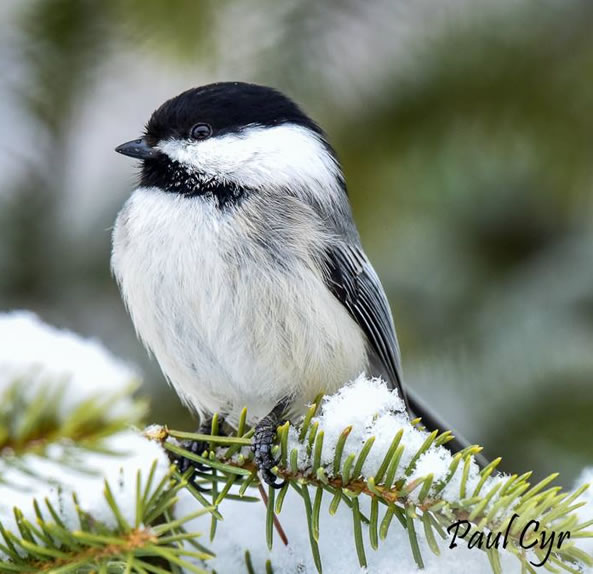
The Identity and History of the Black-capped Chickadee
The Black-capped Chickadee is a year-round resident of Maine, meaning it does not flee to warmer climates when the temperatures drop. This steadfastness is a point of pride for locals. In 1927, when the bird was formally designated, it beat out several other contenders because it was easily recognizable by every schoolchild from Portland to the northern reaches of Aroostook County.
Physical Characteristics and Recognition
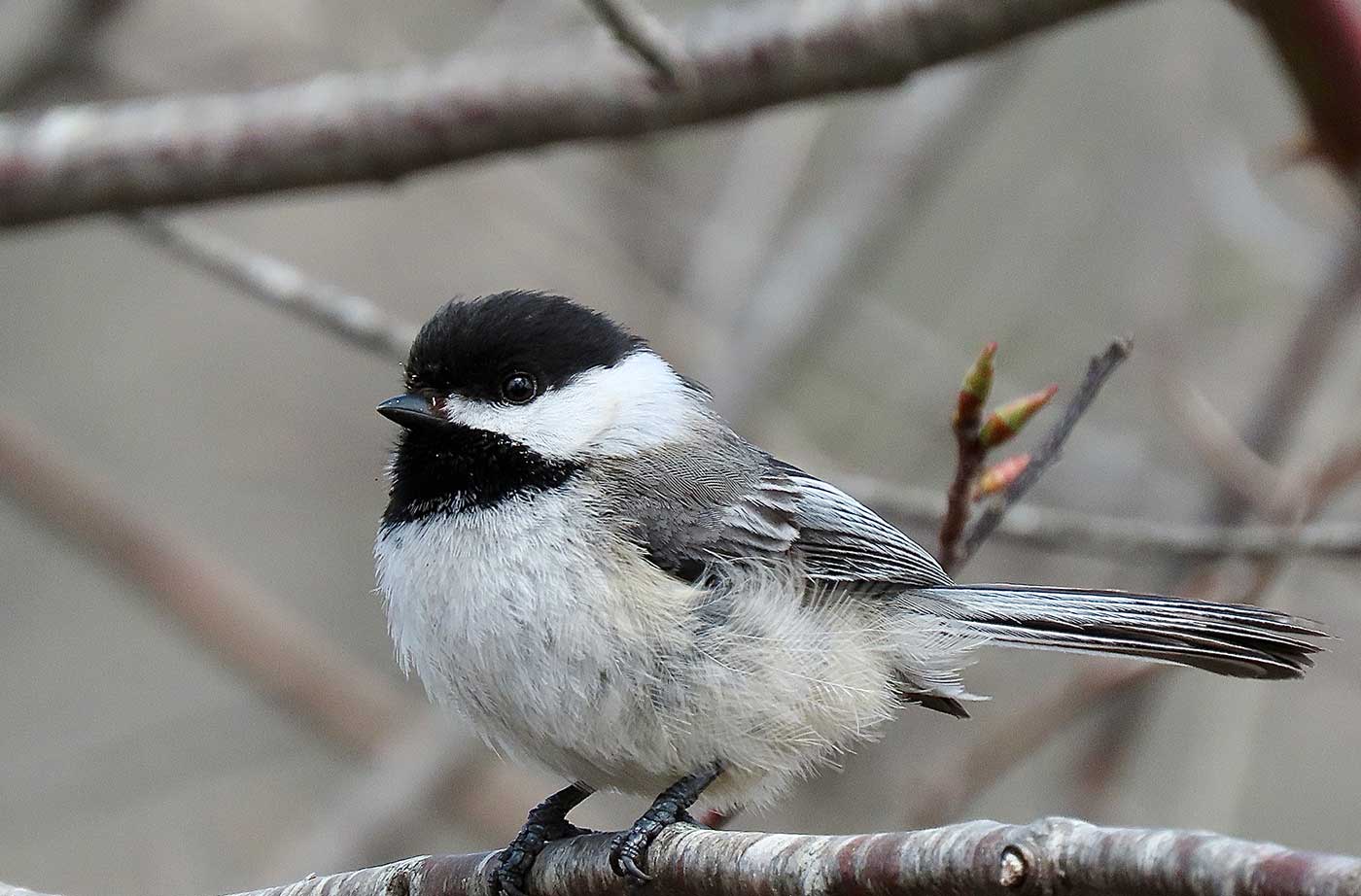
The chickadee is instantly recognizable by its “cap” and “bib” of jet-black feathers, contrasted against stark white cheeks. Its back is a soft, slate gray, and its underparts are white with buff-colored flanks. Despite its tiny size—usually measuring between 4 and 6 inches—it is a bird of high energy. One of its most distinctive features is its complex vocalization. Its namesake “chick-a-dee-dee-dee” call is used for social signaling, with the number of “dees” at the end often indicating the level of perceived threat in the environment. During the spring, visitors to the state’s capital, Augusta, will often hear its clear, two-note “fee-bee” whistle, which serves as a territorial song.
Resilience and Survival in the North Woods
What makes the Black-capped Chickadee a true natural landmark of New England is its incredible physiological adaptation to the cold. Unlike many species in North America, the chickadee can lower its body temperature at night to enter a state of regulated hypothermia, or torpor, which allows it to conserve energy during sub-zero nights. Furthermore, these birds are known for their exceptional memory; they hide thousands of seeds across the forests of Maine and can remember the exact location of each cache months later. This intelligence and grit have made it a symbol of the state’s enduring spirit.
Iconic Landmarks for Observing Maine’s State Bird
For travelers and nature enthusiasts visiting Maine, seeing the state bird in its natural habitat is often a highlight of the trip. Because the chickadee thrives in mixed hardwood and coniferous forests, the state’s vast network of parks and preserves offers unparalleled opportunities for observation.
Acadia National Park
Located primarily on Mount Desert Island near the charming town of Bar Harbor, Acadia National Park is one of the most visited natural landmarks in the country. The park’s diverse ecosystems, ranging from coastal spruce-fir forests to mountain summits, are prime territory for the Black-capped Chickadee. Hikers on the Jordan Pond Path or the trails around Cadillac Mountain are almost guaranteed to encounter these inquisitive birds. They are often quite bold, fluttering close to visitors as they forage for insects and seeds among the lichen-covered branches.
Baxter State Park and the North Woods
For those seeking a more wilderness-focused experience, Baxter State Park in the heart of the state offers a rugged backdrop. Home to Mount Katahdin, the northern terminus of the Appalachian Trail, this park represents the vast, untamed interior of Maine. The chickadees here are part of a massive boreal ecosystem that stretches toward Canada. Observing the state bird in these deep woods, surrounded by moose and the occasional black bear, provides a sense of the bird’s role in a larger, ancient landscape.
Coastal Preserves and Botanical Gardens
Further south, the Coastal Maine Botanical Gardens in Boothbay provide a more manicured but equally vibrant environment for birdwatching. The chickadees here are accustomed to human presence, making them excellent subjects for photography. Similarly, the urban landmarks of Portland, such as the Eastern Promenade, offer a chance to see the bird against the backdrop of Casco Bay, proving that this avian symbol is as comfortable in the city as it is in the wild.
The Broader Natural Heritage of the Pine Tree State
The Black-capped Chickadee does not exist in a vacuum; it is part of a rich tapestry of natural history that defines Maine. To understand the bird is to understand the geography and the biological landmarks of the region.
The Forest and the Sea
Maine is the most heavily forested state in the United States, with nearly 90% of its land covered by trees. This “Landmark of Green” is dominated by the Eastern White Pine, the official state tree. The chickadee’s reliance on these forests for nesting sites—often using abandoned woodpecker holes or excavating its own in soft, decaying wood—highlights the interconnectivity of Maine’s environmental symbols. While the state bird represents the woods, the Atlantic Puffin often serves as the unofficial symbol of the coast, particularly around the islands near Rockland and Machias Seal Island.
Conservation and the Future
The preservation of Maine’s landmarks, from the peaks of Mount Katahdin to the marshes of Scarborough, is vital for the continued success of the state bird. Climate change and habitat loss remain significant threats to avian populations across North America. Fortunately, Maine has a long history of conservation leadership. Organizations and state agencies work tirelessly to maintain the integrity of the North Woods, ensuring that the chickadee remains a common sight for future generations of residents and tourists alike.
Planning Your Nature-Focused Trip to Maine
If you are planning a trip to the Pine Tree State to experience its natural landmarks and spot the Black-capped Chickadee, timing and location are key.
Best Seasons for Birdwatching
While the chickadee is a year-round resident, the experience of seeing them changes with the seasons.
- Spring and Summer: This is the best time for hearing their varied songs and seeing them in their most active nesting phase. Coastal towns like Camden and Rockport are beautiful during these months, offering lush greenery and pleasant temperatures.
- Autumn: The fall foliage in Maine is world-renowned. As the leaves turn brilliant shades of orange and red in Bangor and the surrounding highlands, chickadees are busy caching food for the winter.
- Winter: For a true Maine experience, visiting in winter allows you to witness the chickadee’s resilience. Ski resorts around Bethel or Sugarloaf often have bird feeders where these tiny birds congregate, providing a dash of life against the white snow.

Essential Stops Along the Way
Beyond the major parks, several other locations are essential for any nature-themed itinerary:
- Ogunquit: Known for the Marginal Way, a mile-long cliff walk that offers stunning views of the ocean and opportunities to see both land and sea birds.
- Kennebunkport: Home to the Rachel Carson National Wildlife Refuge, which protects valuable salt marshes and estuaries.
- Moosehead Lake: The largest mountain lake in the eastern United States, perfect for seeing the bird in a pristine boreal setting.
- Old Orchard Beach: While famous for its pier and amusement park, the nearby marshlands are excellent for spotting various species.
In conclusion, the Black-capped Chickadee is more than just an answer to a trivia question about “What is the Maine state bird?” It is a living landmark that embodies the tenacity, charm, and natural beauty of Maine. Whether you are exploring the high-end shops of Portland, hiking the trails of Acadia National Park, or enjoying the quietude of a cabin near Rangeley, the cheerful call of the chickadee serves as the soundtrack to the quintessential New England experience. By protecting the landscapes where this bird thrives, we ensure that the spirit of Maine remains vibrant and wild for all who venture to its shores.
LifeOutOfTheBox is a participant in the Amazon Services LLC Associates Program, an affiliate advertising program designed to provide a means for sites to earn advertising fees by advertising and linking to Amazon.com. Amazon, the Amazon logo, AmazonSupply, and the AmazonSupply logo are trademarks of Amazon.com, Inc. or its affiliates. As an Amazon Associate we earn affiliate commissions from qualifying purchases.