
Planning a trip across Florida often involves understanding the distances between its vibrant cities. For many contemplating a visit to the Sunshine State, the question of “How far is Cape Coral from Miami?” is a practical starting point. This guide delves into the specifics of this journey, offering insights into travel times, routes, transportation options, and essential tips to ensure a seamless experience. Whether you’re relocating, planning a multi-city vacation, or simply curious about traversing South Florida, understanding the logistics between these two distinct destinations is key to a well-organized itinerary.
The Distance and Driving Time: What to Expect
The geographical expanse separating Cape Coral on the Gulf Coast from Miami on the Atlantic coast is significant, yet manageable for a day trip or as part of a longer tour. The journey primarily involves traversing the width of the state, cutting through diverse landscapes from the serene Everglades to bustling metropolitan areas.
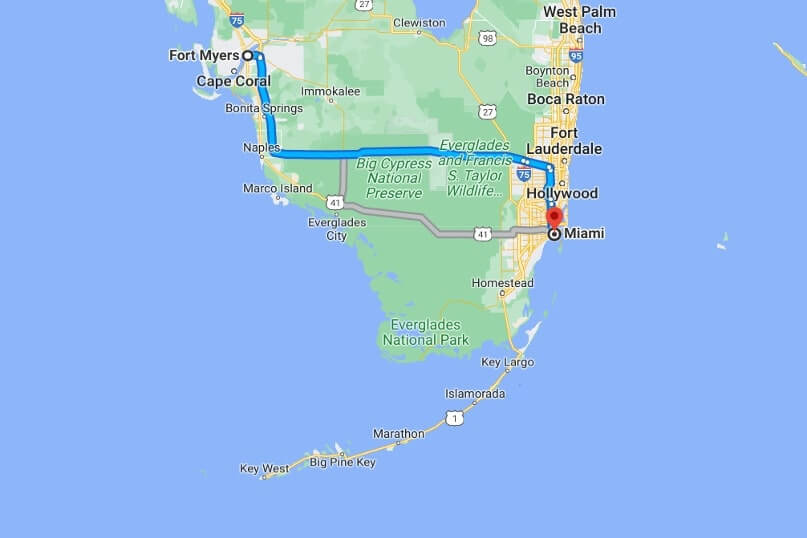
The Direct Route: I-75 South
The most common and efficient way to travel between Cape Coral and Miami is via Interstate 75 (I-75), often referred to as “Alligator Alley” as it crosses the northern edge of the Everglades.
- Exact Mileage: The approximate driving distance is around 150 to 160 miles (240-257 kilometers), depending on your precise starting point in Cape Coral and your final destination within Miami. For instance, from central Cape Coral to downtown Miami, it’s typically closer to 155 miles.
- Typical Driving Time: Under ideal conditions, with minimal traffic and consistent speeds, the drive can be completed in approximately 2 hours and 30 minutes to 3 hours. This estimate assumes adherence to speed limits and minimal stops.
- Factors Affecting Travel Time: Several variables can influence the actual duration of your journey.
- Traffic: Miami is a major metropolitan area notorious for its traffic congestion, especially during rush hours (typically 7-9 AM and 4-6 PM on weekdays). Exiting Cape Coral and navigating through Fort Myers can also encounter local delays. Weekend traffic, particularly on Sundays when people return from trips, can also add considerable time.
- Road Construction: Florida is continually expanding its infrastructure, and construction zones along I-75 can lead to lane closures and slowdowns. It’s always wise to check real-time traffic updates before you depart.
- Weather Conditions: Heavy rain, common during Florida’s summer (wet season), can reduce visibility and necessitate slower speeds, adding to travel time. Tropical storms or hurricanes can, of course, cause significant disruptions or make travel impossible.
- Stops: Whether for fuel, restroom breaks, or a quick meal, any stops will naturally extend your overall travel time. Factor these in when planning your schedule.
Segments of the Journey
The drive can be broadly divided into two main segments:
- Cape Coral to Naples: This initial stretch is relatively straightforward, involving local roads to access I-75 South. This segment is typically less congested.
- Naples to Miami (Alligator Alley): This is the longest and most direct part of the journey. Alligator Alley is a tolled section of I-75 characterized by long, straight stretches through the Everglades. While picturesque in its unique way, drivers should be aware of the limited services available directly on this stretch.
Navigating the Journey: Road Conditions and Traffic
Understanding the nuances of driving in Florida, especially on key interstate highways, is crucial for a smooth trip. The route from Cape Coral to Miami is generally well-maintained but does have specific considerations, particularly regarding tolls and traffic patterns.
Key Roadways: I-75 and Tolls
The primary artery for this journey is Interstate 75 (I-75). A significant portion of I-75 between Naples and Fort Lauderdale (and subsequently into Miami) is a toll road known as Alligator Alley.
- Toll Payment Methods:
- SunPass: This electronic transponder system is the most convenient and cost-effective way to pay tolls in Florida. Vehicles with a SunPass transponder pay a discounted rate and can pass through toll plazas without stopping. You can purchase a SunPass transponder at most major grocery stores (like Publix), pharmacies (like CVS and Walgreens), and service plazas.
- Toll-by-Plate: If you don’t have a SunPass, the toll system will photograph your license plate, and a bill will be mailed to the registered owner of the vehicle. This method is generally more expensive than using SunPass and can incur administrative fees. Rental car companies often have their own toll programs, which might add daily fees on top of the actual tolls, so it’s advisable to check with your rental provider.
- Cash: While some older toll booths accepted cash, many modern toll facilities in Florida are now fully electronic (cashless). It’s best not to rely on cash for tolls on Alligator Alley.
- Total Toll Cost: The toll for Alligator Alley typically ranges from $3 to $4.50 for a standard passenger vehicle, depending on the payment method.
Essential Stops and Services Along the Way
While Alligator Alley is relatively sparse in terms of exits, there are a few key points for travelers to consider for breaks:
- Rest Areas/Service Plazas: There are dedicated service plazas along Alligator Alley that offer restrooms, gas stations, and convenience stores. These are well-marked and provide necessary amenities for the long stretch through the Everglades.
- Cities for a Quick Break:
- Naples: Before committing to the long stretch of I-75 across the state, Naples provides ample opportunities for fuel, dining, and a brief stretch of the legs. It’s a charming city known for its upscale shopping and beautiful beaches, making it a pleasant pre-journey stop.
- Fort Lauderdale: As you approach the Miami metropolitan area, you’ll pass through Fort Lauderdale. This city also offers numerous exits with access to food, fuel, and other services, serving as a gateway to Miami.
Beyond Driving: Other Transportation Options
While driving remains the most flexible and popular choice for the Cape Coral to Miami route, other transportation methods exist, each with its own advantages and disadvantages.
Bus Services
- Greyhound: Intercity bus services like Greyhound offer a budget-friendly option for traveling between Fort Myers (the closest major station to Cape Coral) and Miami.
- Pros: Generally the most economical choice. You don’t have to worry about driving, tolls, or parking.
- Cons: Significantly longer travel times (often 4-6 hours or more due to multiple stops). Less flexibility in schedule and routes. Stations might not always be in the most convenient locations, requiring additional local transport. Comfort can vary.
Air Travel: Regional Airports and Connections
For a distance of 150-160 miles, flying is generally not the most practical or time-efficient option unless it’s part of a longer connecting itinerary.
- Local Airports:
- Southwest Florida International Airport (RSW): Located near Fort Myers, this is the closest major airport to Cape Coral.
- Miami International Airport (MIA) and Fort Lauderdale-Hollywood International Airport (FLL): These are the primary airports serving the Miami area.
- Feasibility: Direct flights between RSW and MIA or FLL are rare, as the distance is too short to be cost-effective for airlines. If available, the total time spent traveling to and from airports, security, boarding, and the short flight itself would likely exceed or be comparable to driving, often at a higher cost. It is only really viable if you are connecting to another flight out of Miami or Fort Lauderdale.
Rideshare and Private Transfers
- Rideshare Services (Uber/Lyft): Services like Uber and Lyft are available for long-distance trips.
- Pros: Convenient door-to-door service. You can relax during the journey.
- Cons: Can be quite expensive for a 150+ mile trip, often costing several hundred dollars, making it impractical for most budgets compared to driving your own vehicle or renting one. Availability of drivers willing to make such a long trip might also be a factor during off-peak hours.
- Private Car Services: For a more luxurious or hassle-free experience, private car services are an option.
- Pros: Professional drivers, comfortable vehicles, scheduled pickups. Ideal for business travelers or those prioritizing convenience.
- Cons: Significantly more expensive than rideshare services or driving yourself.
Planning Your Trip: Tips for a Smooth Journey
A well-planned journey from Cape Coral to Miami can be as enjoyable as the destinations themselves. Consider these tips to ensure a stress-free travel day.
Best Time to Travel
- Time of Day: To avoid the worst of Miami traffic, aim to depart Cape Coral early in the morning (before 6 AM) or later in the day (after 10 AM, avoiding the initial rush, or after 6 PM, avoiding the evening rush). Mid-day travel on weekdays is often the smoothest.
- Day of the Week: Weekday travel (Tuesday, Wednesday, Thursday) typically sees less recreational traffic than Fridays, Saturdays, and Sundays. Sunday afternoons can be particularly heavy with weekend travelers returning home.
- Seasonality: Florida’s “snowbird” season (roughly November to April) brings increased traffic throughout the state, especially on I-75. Summer travel (June to September) might encounter fewer vehicles but more afternoon thunderstorms.
Vehicle Preparation and Safety
- Pre-Trip Check: Before embarking on any long drive, ensure your vehicle is in good condition. Check tire pressure, oil levels, and other fluids. Top off your gas tank, especially before getting on Alligator Alley, where gas stations are less frequent.
- Emergency Kit: It’s always wise to carry a basic emergency kit, including jumper cables, a flashlight, a first-aid kit, and a fully charged cell phone.
- Wildlife Awareness: While driving through the Everglades stretch of I-75, be mindful of wildlife, particularly at dawn and dusk. Alligators are often seen in the canals alongside the road, but larger animals can occasionally pose a hazard.
What to Pack and Consider
- Toll Payment: Ensure you have a working SunPass transponder or are prepared for Toll-by-Plate billing.
- Snacks and Drinks: Long stretches of highway mean fewer immediate options for food and beverages. Pack some water and snacks to keep you refreshed.
- Entertainment: For passengers, having books, music, or other forms of entertainment can make the journey more pleasant. Ensure your phone or navigation system is fully charged.
- Sun Protection: Even inside a car, Florida sun can be intense. Consider sunglasses and perhaps sunscreen for longer drives.
Making the Most of Both Destinations
While the focus here is on the journey, it’s worth a brief mention of what awaits you at either end, reinforcing why this trip is a popular one for travelers.
Why Visit Cape Coral?
Cape Coral is renowned as a “Waterfront Wonderland,” boasting over 400 miles of navigable canals, more than any other city in the world. This makes it a paradise for boating, fishing, and watersports enthusiasts. It’s a family-friendly destination with attractions like the Sun Splash Family Waterpark, beautiful parks, and a relaxed, community-oriented atmosphere. Its proximity to the stunning beaches of Sanibel Island and Captiva Island also makes it an excellent base for exploring Southwest Florida’s natural beauty.
Why Visit Miami?
In stark contrast to Cape Coral’s tranquility, Miami is a dynamic, international hub bursting with energy. Famous for its iconic South Beach and its vibrant Art Deco Historic District, Miami offers world-class dining, luxury shopping, pulsating nightlife, and a rich cultural tapestry influenced by its diverse Latin American and Caribbean communities. Explore the Cuban rhythms of Little Havana, the artistic flair of Wynwood Walls, or the lush green spaces of Coconut Grove and Coral Gables. Miami promises an unforgettable urban adventure.
The journey from Cape Coral to Miami is a straightforward one, typically involving a scenic 2.5 to 3-hour drive across Florida via I-75. With careful planning regarding traffic, tolls, and necessary stops, travelers can seamlessly transition between the Gulf Coast’s relaxed charm and the Atlantic Coast’s vibrant metropolis. Whether for business or leisure, understanding this route is the first step toward a successful Florida adventure.
LifeOutOfTheBox is a participant in the Amazon Services LLC Associates Program, an affiliate advertising program designed to provide a means for sites to earn advertising fees by advertising and linking to Amazon.com. Amazon, the Amazon logo, AmazonSupply, and the AmazonSupply logo are trademarks of Amazon.com, Inc. or its affiliates. As an Amazon Associate we earn affiliate commissions from qualifying purchases.