
For travelers planning an itinerary through South Florida, understanding the spatial relationship between its key cities is crucial. The question “How far is Homestead from Miami?” is more than just a query about mileage; it’s an inquiry into accessibility, travel time, and the potential for integrating two distinct yet complementary destinations into a single, enriching travel experience. While Miami captivates with its vibrant urban energy, stunning beaches, and diverse cultural tapestry, Homestead offers a tranquil escape, serving as a gateway to natural wonders and agricultural charm. This article delves into the practicalities of traveling between these two Florida locales, providing insights for a seamless exploration of the region.
The Geographic Proximity: Understanding the Distance
At first glance, Homestead and Miami appear to be part of the same sprawling metropolitan area, and indeed, they are both situated within Dade County. However, their positions within this expansive county define distinct travel characteristics.
Straight-Line vs. Driving Distance
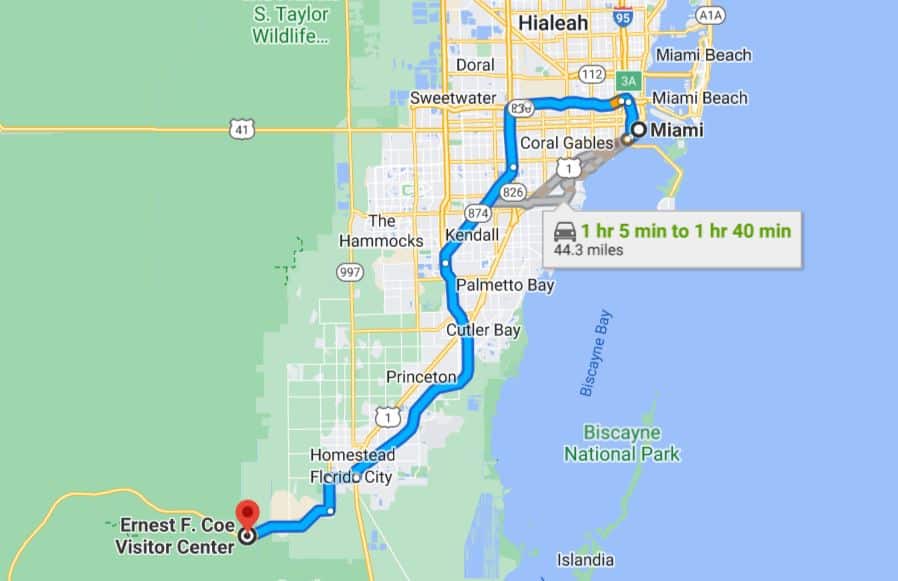
The straight-line or as-the-crow-flies distance between Homestead and Miami is approximately 25-30 miles (40-48 kilometers), depending on the specific points chosen within each city (e.g., downtown to downtown, or city limits to city limits). However, travelers are more concerned with the actual driving distance, which takes into account roads and highways.
Typically, the driving distance from central Homestead to Downtown Miami ranges from 30 to 40 miles (48 to 64 kilometers). This variation depends on the exact starting point in Homestead (which is a relatively large city itself) and the destination within Miami (e.g., South Beach, Miami International Airport, Coral Gables). For instance, traveling from the historic downtown area of Homestead to the bustling Brickell financial district in Miami would typically fall within this range. The journey offers glimpses of varied South Florida landscapes, from agricultural expanses in the south to the denser urban fabric approaching Miami.
Key Markers and Landmarks Between Cities
The route between Homestead and Miami is punctuated by several notable areas and landmarks that hint at the transition from agricultural zones to suburban and then urban environments. As one drives north from Homestead, the landscape gradually changes from farmlands and nurseries to more developed areas. The section of US-1 between the two cities is particularly notable for its roadside attractions, including fruit stands and small businesses that cater to local and tourist traffic. Further north, the suburban sprawl begins to intensify, eventually giving way to the high-rises and busy thoroughfares of Miami proper. This journey provides a geographic narrative of South Florida’s diverse character.
Navigating the Journey: Travel Time and Routes
While distance provides a static measurement, travel time is a dynamic factor influenced by various conditions. Understanding the primary routes and potential impediments is essential for planning.
Primary Driving Routes
The most common and efficient routes connecting Homestead and Miami include:
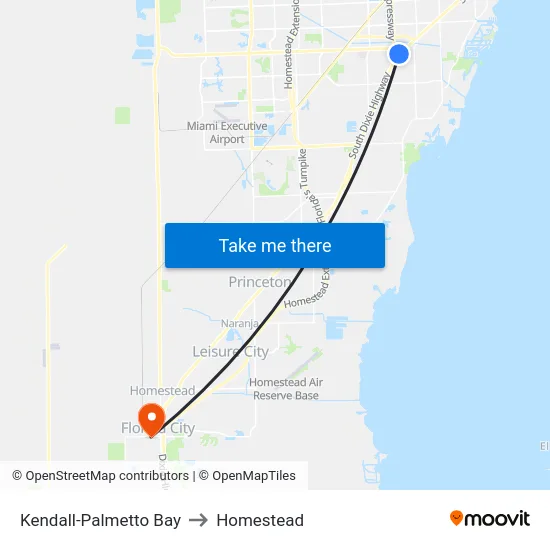
- Florida’s Turnpike (SR 821): This is often the preferred route for its speed and directness. It’s a toll road, but it bypasses much of the local traffic, especially in the more congested areas. From Homestead, you can access the Turnpike and head north towards Miami. It connects to various major Miami arteries, offering flexibility depending on your final destination within the city.
- US-1 (South Dixie Highway): This historic highway runs directly through many South Florida communities. While more scenic and offering more opportunities to stop at local businesses, it is also subject to significantly more traffic lights and local congestion, particularly during peak hours. It’s a good choice if you’re not in a hurry and wish to experience the local flavor, but generally slower than the Turnpike.
- Krome Avenue (SW 177th Avenue/SR 997): Running west of US-1 and parallel to the Turnpike for a stretch, Krome Avenue offers an alternative, especially if your destination is on the western side of Miami or if you want to avoid some tolls. However, parts of it are more rural, and it can also experience traffic, especially near major intersections.
Factors Influencing Travel Time
Under ideal conditions, a drive from Homestead to Miami can take as little as 45 minutes to an hour. However, this is an optimistic estimate. Several factors can significantly extend travel time:
- Traffic: Miami is notorious for its traffic congestion. Peak commuting hours (typically 7-9 AM and 4-7 PM on weekdays) can easily double or triple travel times. Even midday, unexpected incidents or construction can cause delays.
- Time of Day/Day of Week: Weekends, particularly during special events or tourist seasons, can also see increased traffic. Early mornings or late evenings generally offer the clearest roads.
- Road Construction: Ongoing infrastructure projects are common in a growing region like South Florida, which can lead to lane closures and detours.
- Destination within Miami: Traveling to South Beach often involves navigating causeways over Biscayne Bay, which can add a considerable amount of time compared to reaching destinations closer to the mainland, like Dadeland or Kendall. Similarly, getting to the Golden Glades Interchange area from Homestead will take longer than reaching Coral Gables.
Alternative Transportation Options
While driving is the most flexible option, a few alternatives exist:
- Public Transportation: Miami-Dade Transit operates bus routes that connect Homestead to Miami, often requiring transfers to the Metrorail system for efficient access to various Miami neighborhoods. This is generally the most time-consuming option but also the most economical. It’s not ideal for travelers with significant luggage or strict schedules.
- Ride-Sharing Services/Taxis: Services like Uber or Lyft are readily available in both cities. While convenient, the cost for a one-way trip can be substantial given the distance.
- Rental Cars: For tourists, a rental car remains the most recommended mode of transport for exploring both Homestead and Miami and the surrounding attractions.
Why the Distance Matters: Travel Implications for Visitors
The distance between Homestead and Miami shapes how travelers might plan their visit, offering opportunities for diverse experiences.
Day Trips and Excursions
The drive is certainly manageable for day trips. Many visitors staying in Miami will make the journey south to explore attractions near Homestead, and vice versa. It’s entirely feasible to spend a morning exploring the natural beauty near Homestead and then return to Miami for an evening out. The key is to account for travel time, especially during peak hours.
Exploring South Florida’s Diverse Offerings
The relatively short distance between these two cities allows travelers to experience the full spectrum of South Florida’s appeal. From Homestead’s serene landscapes and outdoor adventures to Miami’s dynamic urban scene, the proximity means you don’t have to choose one over the other. This complementarity makes South Florida a unique travel destination.
Planning Your Itinerary
When planning, consider basing yourself in one city and taking excursions to the other. If you prioritize nightlife, high-end dining, and beach access, Miami makes a natural home base. If your focus is on nature, agriculture, and a more laid-back atmosphere, Homestead or the nearby Florida Keys might be more suitable, with occasional trips to Miami for specific events or experiences. Strategic planning of travel times is crucial to maximize enjoyment and minimize time spent in transit.
Homestead: A Gateway to Unique South Florida Experiences
While often overshadowed by its glamorous northern neighbor, Homestead is a vibrant destination in its own right, offering a distinctly different side of South Florida.
Natural Wonders at Your Doorstep
Homestead’s primary allure lies in its unparalleled access to two of America’s most iconic national parks. Everglades National Park, a sprawling wetland ecosystem, is just a short drive west, offering airboat rides, wildlife viewing (including alligators!), and serene walking trails. To the east, Biscayne National Park protects a significant portion of Biscayne Bay and its barrier reefs, making it a paradise for snorkeling, diving, and boating enthusiasts. The Fruit & Spice Park in the nearby Redland area showcases a vast collection of exotic fruits, vegetables, and herbs, providing an edible education.
Agricultural Richness and Local Flavors
The fertile lands surrounding Homestead, known as the Redland, are a hub of agricultural activity. Visitors can explore numerous U-pick farms, roadside stands brimming with fresh produce, and unique culinary experiences. Establishments like Schnebly Redland’s Winery & Brewery offer a taste of local innovation, producing wines from tropical fruits and craft beers. This area provides a refreshing contrast to the urban landscape, emphasizing farm-to-table experiences and a connection to the land.
Historical Significance and Community Charm
Homestead itself boasts a rich history, evident in its historic downtown area with its preserved architecture and local shops. The city also hosts the Homestead-Miami Speedway, a major venue for NASCAR events, drawing racing enthusiasts from across the globe. The community vibe is distinct from Miami’s bustling pace, offering a more relaxed and authentic South Florida experience rooted in local traditions and outdoor living.
Miami: The Vibrant Metropolis Awaiting Exploration
Just a comfortable drive north, Miami stands as a global icon of style, culture, and entertainment, offering a dazzling array of experiences for every type of traveler.
Beaches and Urban Excitement
Miami’s most famous assets are its stunning beaches. Miami Beach, particularly South Beach, is world-renowned for its white sands, turquoise waters, and vibrant Art Deco architecture. Beyond the sand, the city pulses with energy, offering an electric nightlife, high-end shopping on Lincoln Road, and a diverse culinary scene that spans from casual beachside bites to Michelin-starred dining.
Cultural Hotspots
Miami is a melting pot of cultures, particularly influenced by its strong Latin American and Caribbean communities. Explore the colorful streets and sounds of Little Havana, where Cuban coffee, cigars, and salsa rhythms fill the air. The Art Deco Historic District on South Beach offers a journey back in time with its beautifully preserved 1930s architecture. For art lovers, the Wynwood Walls present an outdoor gallery of massive, vibrant murals, transforming an industrial area into an artistic wonderland. Other notable neighborhoods like the Design District and Coconut Grove offer unique atmospheres and attractions.
Dining and Entertainment
From celebrity-chef restaurants to authentic street food, Miami’s food scene is incredibly dynamic and diverse, reflecting its multicultural population. Nightlife options are equally varied, ranging from exclusive nightclubs to cozy cocktail bars and live music venues. The city also hosts numerous international events, including Art Basel Miami Beach and the South Beach Wine & Food Festival, ensuring there’s always something exciting happening.
In conclusion, the distance between Homestead and Miami is easily traversable, making both cities accessible within a reasonable drive. This proximity allows travelers to seamlessly blend the natural beauty and agricultural charm of Homestead with the urban excitement and cultural richness of Miami, creating a comprehensive and unforgettable South Florida travel itinerary. By understanding the routes, potential travel times, and the unique offerings of each destination, visitors can craft a truly diverse and engaging journey.
LifeOutOfTheBox is a participant in the Amazon Services LLC Associates Program, an affiliate advertising program designed to provide a means for sites to earn advertising fees by advertising and linking to Amazon.com. Amazon, the Amazon logo, AmazonSupply, and the AmazonSupply logo are trademarks of Amazon.com, Inc. or its affiliates. As an Amazon Associate we earn affiliate commissions from qualifying purchases.