
The journey between the vibrant metropolis of Miami, Florida, and the bustling southern hub of Atlanta, Georgia, is a frequent consideration for both business travelers and vacationers. These two iconic American cities represent distinct cultural and economic centers, making the travel corridor between them a significant artery for commerce and tourism. Understanding the distance, various travel options, and logistical considerations is key to planning a seamless and enjoyable trip. Whether you prefer the open road, the efficiency of air travel, or a more leisurely pace by bus or train, a well-informed decision can significantly enhance your experience. This comprehensive guide will break down everything you need to know about traversing the distance between Miami and Atlanta.

The Straightforward Answer: Distance and Time
At its core, the question “How far is Miami from Atlanta?” is about physical distance and the time it takes to cover it. However, these figures vary considerably depending on the mode of transportation chosen.
By Road: Miles and Driving Hours
The driving distance between Miami and Atlanta is approximately 660 to 700 miles (around 1,060 to 1,126 kilometers), depending on the specific starting and ending points within each metropolitan area and the exact route taken. The most common and direct route primarily follows Interstate 75 (I-75) through the heart of Florida and Georgia.
For this distance, the estimated driving time typically ranges from 10 to 12 hours of pure driving. This estimate, however, does not account for stops for fuel, meals, restroom breaks, or potential traffic delays, especially around major urban areas like Orlando or the Atlanta Metropolitan Area. For a comfortable trip, most travelers plan for at least one significant stop, extending the total travel time to 12-14 hours, or even an overnight stay for a more relaxed pace.
By Air: Flight Duration
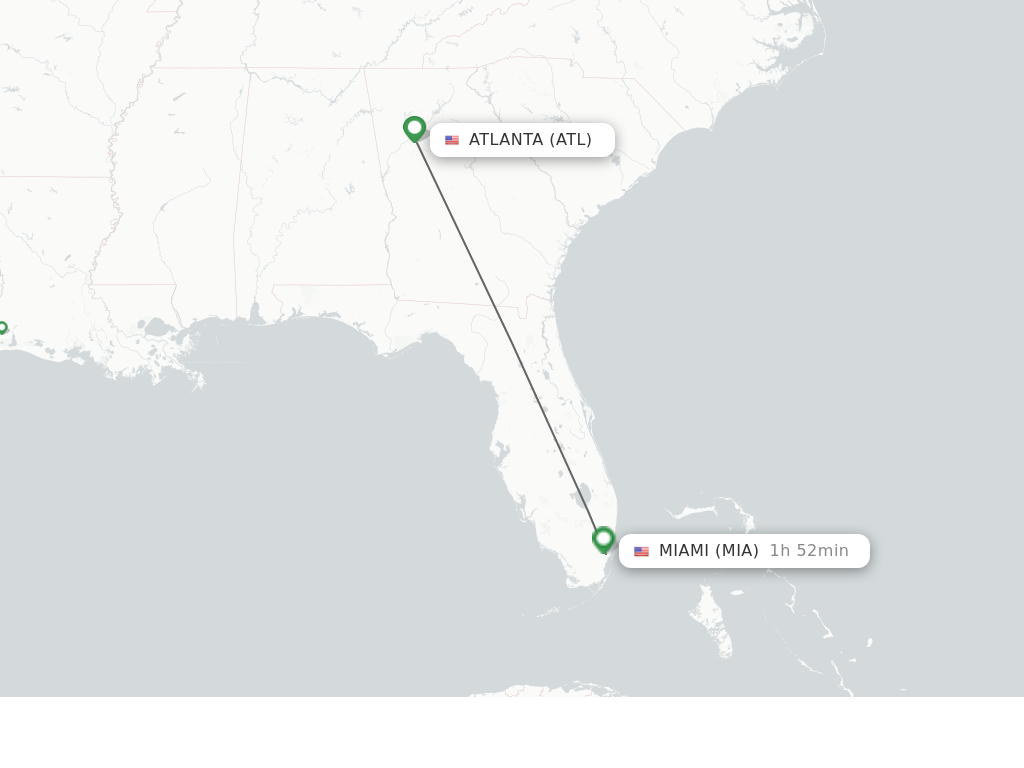
Flying is by far the quickest way to travel between Miami and Atlanta. Direct flights typically have a duration of about 1 hour and 45 minutes to 2 hours. This is the “wheels up to wheels down” time.
However, the total travel time for air journeys must also factor in pre-flight processes (check-in, security, boarding) and post-flight logistics (deplaning, baggage claim, ground transportation). When you add these elements, a typical air travel experience from door-to-door can easily span 4 to 6 hours, sometimes more if there are significant delays or long layovers. Nonetheless, it remains the most time-efficient option for covering such a long distance.
Other Modes: Bus and Train Overview
For those seeking alternatives to driving or flying, bus and train services connect Miami and Atlanta, albeit with considerably longer travel times.
- Bus Services: A bus journey can take anywhere from 12 to 18 hours, depending on the number of stops, transfers, and specific routes chosen by operators like Greyhound. While it’s generally the most budget-friendly option, the extended duration and multiple stops require a certain level of patience and flexibility.
- Train Travel: Amtrak offers routes connecting the two cities, though often requiring transfers. The total travel time by train can be the longest, potentially ranging from 18 to 24 hours or more, including layovers. This option is often favored for the experience of train travel itself, offering comfort and scenic views rather than speed.
Navigating the Journey: Road Trip Essentials
Embarking on a road trip from Miami to Atlanta offers flexibility, freedom, and the opportunity to discover hidden gems along the way. Careful planning is essential to ensure a smooth and enjoyable experience.
Choosing Your Route: I-75 and Beyond
The primary artery for this journey is Interstate 75 (I-75). Starting from the Miami-Dade County area, you’ll typically take the Florida Turnpike north until it merges with or connects to I-75. I-75 then takes you directly through the heart of Florida, past Gainesville and Lake City, crossing into Georgia near Valdosta, and continuing north through Macon before reaching Atlanta.
While I-75 is the most direct, alternative routes might be considered if you wish to avoid specific stretches of traffic or visit other areas. For instance, a route along Florida’s east coast (via I-95) to Jacksonville and then west to I-75 could be an option, though it typically adds significant mileage and time. For most travelers, sticking to I-75 provides the most efficient balance of speed and directness.
Recommended Stopovers and Attractions Along the Way
Breaking up the drive is crucial for comfort and safety. Here are a few recommended areas for a rest or an overnight stop:
- Orlando, Florida: Located roughly halfway through Florida, Orlando is an excellent place for a meal or an overnight stay, offering countless hotels and dining options. It’s about 3.5-4 hours from Miami.
- Gainesville, Florida: Further north, Gainesville provides a good stop before crossing into Georgia. It’s a university town with a relaxed atmosphere.
- Valdosta, Georgia: Just across the Florida-Georgia border, Valdosta is a convenient stop with numerous amenities, marking roughly two-thirds of the journey completed.
- Macon, Georgia: Located about an hour and a half south of Atlanta, Macon can be a good final stretch stop or an overnight point if you plan to arrive in Atlanta refreshed.
Tips for a Smooth Drive: Fuel, Rest, and Traffic Considerations
- Fueling Up: Gas stations are plentiful along I-75. Plan to refuel before entering more remote stretches or during peak travel times to avoid potential lines.
- Rest Stops: Utilize the numerous rest areas and travel centers along the interstate. Don’t push yourself if you feel fatigued.
- Traffic Hotspots: Be prepared for potential traffic congestion around Orlando and, most significantly, as you approach the Atlanta Metropolitan Area. Using real-time navigation apps (like Google Maps or Waze) is highly recommended to predict and potentially circumvent delays. Peak rush hours (morning and late afternoon/early evening) on weekdays are particularly challenging in and around Atlanta.
- Vehicle Maintenance: Ensure your vehicle is in good condition before embarking on a long drive. Check tires, oil, and fluid levels.
Taking to the Skies: Air Travel Insights
For those prioritizing speed and convenience, air travel is the preferred choice for connecting Miami and Atlanta.
Major Airports and Airlines
- In Miami: The primary airport is Miami International Airport (MIA). An alternative for South Florida travelers, sometimes offering more competitive fares, is Fort Lauderdale-Hollywood International Airport (FLL), about 30 miles north of Miami.
- In Atlanta: The gateway is Hartsfield-Jackson Atlanta International Airport (ATL), famously the busiest airport in the world by passenger traffic.
Numerous airlines operate direct flights on this route, including major carriers like Delta Air Lines, American Airlines, and low-cost carriers such as Southwest Airlines, Spirit Airlines, and Frontier Airlines. The competition often leads to a wide range of pricing and flight times.
Booking Strategies and Cost Considerations
- Book in Advance: As with most flights, booking tickets several weeks or months in advance typically yields better prices, especially for peak travel seasons or holidays.
- Flexibility: Being flexible with your travel dates and times can help you find cheaper fares. Mid-week flights (Tuesday, Wednesday) are often less expensive than weekend travel.
- Consider FLL: If you’re willing to make the drive to Fort Lauderdale-Hollywood International Airport, it might offer more budget-friendly options, particularly with low-cost carriers.
- Baggage Fees: Factor in baggage fees, especially with budget airlines, as these can significantly increase the total cost of your ticket.
Airport Transfers and Ground Transportation in Miami and Atlanta
Upon arrival, seamless ground transportation is crucial:
- Miami International Airport (MIA): Offers various options including the MIA Mover to the Metrorail and Tri-Rail commuter trains, taxis, ride-sharing services, and rental cars.
- Hartsfield-Jackson Atlanta International Airport (ATL): Atlanta’s MARTA train system provides direct access from the airport to downtown, Midtown, and other key areas. Taxis, ride-sharing, and rental cars are also readily available. Pre-booking an airport transfer can save time upon arrival, especially during busy periods.
Alternative Travel: Bus and Rail Options
While slower, bus and rail travel provide unique advantages, often appealing to budget-conscious travelers or those who prefer a more relaxed journey without the stresses of driving or flying.
Bus Services: Affordability and Duration
Greyhound is the primary bus service connecting Miami and Atlanta. Daily departures are available from both cities.
- Pros: Significantly cheaper than flying or driving, especially for solo travelers. Allows you to relax and avoid driving fatigue.
- Cons: Long travel times (12-18 hours), multiple stops, and comfort levels may be lower than other modes. Schedules can sometimes be subject to delays.
It’s advisable to check the specific route and estimated travel time for your desired date, as express services might be available, which can reduce travel duration.
Train Travel: A Scenic but Slower Option
Amtrak offers train services that connect Miami to Atlanta. Typically, this involves taking the Silver Service line (Silver Star or Silver Meteor) from Miami to a transfer point, often in Jacksonville or even further north, before connecting to a route heading to Atlanta.
- Pros: Comfortable seating, the ability to walk around, dining car services, and a unique travel experience. Less stressful than driving and offers scenic views not seen from the highway.
- Cons: The longest travel time (18-24+ hours, including transfers), and potentially more expensive than a bus ticket, though often cheaper than last-minute flights. The directness and frequency of service are also more limited compared to air or road.
Train travel is ideal for those who aren’t on a strict schedule and enjoy the journey as much as the destination.
Comparing Costs and Convenience
The choice between bus and rail often comes down to a trade-off between cost, time, and comfort:
- Bus: Best for maximum affordability, longest travel time, and moderate comfort.
- Train: A mid-range option for comfort and experience, but with the longest travel time and a slightly higher cost than a bus.
- Overall: Air travel offers the best convenience and shortest travel time, but at a higher cost, especially when considering peak travel. Driving provides flexibility but demands personal effort and carries costs for fuel, tolls, and potential overnight stays.
Planning Your Trip: What to Consider
Beyond the mode of transport, several factors can influence your journey between Miami and Atlanta, Georgia.
Best Time to Travel
- Weather: Florida summers are hot and humid with frequent afternoon thunderstorms, which can affect driving conditions and flight delays. Georgia experiences similar weather patterns. Late fall, winter, and early spring generally offer the most pleasant weather for travel in both states, with cooler temperatures and less humidity.
- Peak Seasons: School holidays, major events in either city (e.g., sporting events, music festivals), and national holidays can significantly impact travel prices and congestion for all modes of transport. Booking well in advance during these times is crucial.
Budgeting for Your Journey
- Driving: Factor in fuel costs (a full tank for an SUV could be around $70-90, and you’ll need multiple fills), potential toll fees (especially on the Florida Turnpike), and possible overnight accommodation.
- Flying: Consider ticket price, baggage fees, and ground transportation to/from airports.
- Bus/Train: Generally fixed ticket prices, but factor in food and drink during the long journey, and local transportation to/from stations.
A detailed budget can help determine the most financially sensible option for your specific circumstances.
Why Make the Journey: Brief Highlights of Each Destination
While the focus here is on the journey, understanding the allure of each destination can inform your travel decisions.
- Miami: Known for its stunning beaches, vibrant South Beach nightlife, art deco architecture, diverse culinary scene, and strong Latin American influence. It’s a prime destination for sun-seekers and culture enthusiasts.
- Atlanta: A city rich in history, from its role in the Civil Rights Movement to its designation as a major business and transportation hub. Visitors are drawn to its world-class museums, green spaces, diverse neighborhoods, and burgeoning food scene.

Conclusion
The distance between Miami, Florida, and Atlanta, Georgia, is substantial, spanning approximately 660-700 miles. Your choice of travel mode hinges on a balance of time, budget, and personal preference. Air travel offers unparalleled speed, completing the journey in under two hours of flight time. A road trip, while consuming 10-12 hours of driving, provides the ultimate flexibility and opportunity for exploration. For those prioritizing cost-efficiency over speed, bus or train services offer viable, albeit considerably longer, alternatives. Regardless of how you choose to traverse this vibrant corridor, a well-planned trip ensures a smoother and more enjoyable experience, connecting two of the Southeast’s most dynamic cities.
LifeOutOfTheBox is a participant in the Amazon Services LLC Associates Program, an affiliate advertising program designed to provide a means for sites to earn advertising fees by advertising and linking to Amazon.com. Amazon, the Amazon logo, AmazonSupply, and the AmazonSupply logo are trademarks of Amazon.com, Inc. or its affiliates. As an Amazon Associate we earn affiliate commissions from qualifying purchases.