
Embarking on a journey across Florida’s diverse landscapes, from the theme park capital of Orlando, Fl to the vibrant shores of Miami, Fl, is a popular endeavor for both residents and visitors alike. Understanding the logistics of this route is paramount for efficient and enjoyable travel planning. This guide delves into the precise distances, various transportation methods, and essential considerations to navigate the approximately 230-250 miles separating these two iconic Florida cities. Whether you prioritize speed, scenic beauty, or cost-effectiveness, an informed decision will enhance your travel experience, transforming a simple commute into an integral part of your Florida adventure.

The Essential Distance and Travel Time Between Florida’s Hubs
The fundamental question of “how far” between Orlando, Fl and Miami, Fl can be answered in multiple ways, depending on the mode of transport and the specific route taken. While the direct aerial distance offers one perspective, ground travel requires a more detailed understanding of road networks, rail lines, and bus routes. Each option presents a unique blend of distance, travel time, and overall experience, making the choice dependent on individual preferences and priorities.
By Road: Driving Distances and Routes
Driving is, without a doubt, the most common method of travel between Orlando, Fl and Miami, Fl, offering unparalleled flexibility. The journey typically covers a distance of approximately 230 to 250 miles (370 to 400 kilometers), depending on the exact starting and ending points within each metropolitan area.
There are two primary driving routes:
- Florida’s Turnpike (SR 91): This is generally the most direct and fastest route, covering about 235 miles. It is an inland, toll road known for its relatively smooth traffic flow outside of peak hours. The drive typically takes 3.5 to 4 hours under ideal conditions, but factors such as traffic congestion, construction, and necessary rest stops can easily extend this to 4.5 to 5 hours. Tolls are significant on this route, making a SunPass or E-ZPass transponder highly recommended for convenience and potential savings.
- Interstate 95 (I-95 South): This coastal route covers a similar distance, ranging from 230 to 250 miles, and typically takes 4 to 5 hours, often longer than the Turnpike. While I-95 is not a toll road for most of its length between Orlando, Fl and Miami, Fl, it is notorious for heavier traffic, especially around urban centers like Palm Beach and Fort Lauderdale. Opting for I-95 might be appealing for those who prefer avoiding tolls or wish to potentially access coastal towns.
Regardless of the chosen route, it is crucial to account for potential delays. Travel during weekday rush hours (generally 7-9 AM and 4-6 PM) or on holiday weekends can significantly increase travel times.
By Air: Flight Details
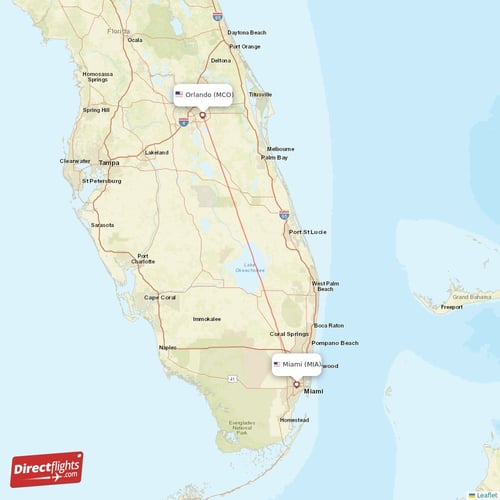
For those prioritizing speed above all else, flying remains the quickest way to cover the distance between Orlando, Fl and Miami, Fl. The direct aerial distance, often referred to as “as the crow flies,” is approximately 205 miles (330 kilometers).
Direct flights between Orlando International Airport (MCO) and Miami International Airport (MIA) typically have an in-air duration of about 1 hour to 1 hour and 15 minutes. However, the total travel time extends considerably when accounting for ground transportation to and from airports, security checks, boarding, and baggage claim. This can easily push the door-to-door travel time to 3.5 to 5 hours, comparable to or even exceeding a direct drive on Florida’s Turnpike. Budget airlines often offer competitive fares, but it’s essential to factor in potential baggage fees and airport transfer costs.
By Rail and Bus: Alternative Ground Transport
Several alternative ground transportation options offer a different pace and experience, often appealing to those who prefer not to drive or fly.
- Brightline: This high-speed rail service has revolutionized intercity travel in Florida. The journey from Orlando to Miami with Brightline takes approximately 3 to 3.5 hours, making it competitive with driving on the Turnpike. Passengers enjoy modern amenities, comfortable seating, and the ability to work or relax without the stress of traffic. Brightline stations are centrally located, offering good connectivity to local transport in both cities.
- Amtrak: While Amtrak also serves the route, its travel times are significantly longer than Brightline. The journey typically takes 5 to 6 hours or more, often involving multiple stops. While it offers a traditional rail experience, it is generally not the fastest option.
- Bus Services (Greyhound, RedCoach): Numerous bus companies operate daily services between Orlando, Fl and Miami, Fl. Travel times usually range from 4 to 6 hours, depending on the number of stops and traffic conditions. Bus travel is often the most budget-friendly option, providing a no-frills yet practical solution for many travelers. Services like RedCoach offer a more premium experience with larger seats and onboard amenities.
Choosing Your Mode of Transport: Pros and Cons
Selecting the optimal mode of transportation between Orlando, Fl and Miami, Fl involves weighing various factors, including cost, convenience, travel time, and personal preferences. Each option has distinct advantages and disadvantages that cater to different travel styles and budgets.
Driving: Flexibility vs. Costs
Driving offers a unique blend of freedom and potential complexities, making it a suitable choice for certain travelers.
-
Pros:
- Flexibility and Freedom: Drivers have complete control over their schedule, route, and stops, allowing for spontaneous detours to attractions or scenic spots along the way.
- Luggage Capacity: Ideal for travelers with significant luggage, sports equipment, or those moving household items, as there are fewer restrictions compared to air or rail travel.
- Cost-Effectiveness for Groups: For families or groups, sharing the cost of fuel and tolls can make driving more economical than purchasing multiple individual tickets for flights or trains.
- Access to Remote Areas: A car provides unparalleled access to destinations not directly served by public transport, both in Orlando, Fl, Miami, Fl, and anywhere in between.
-
Cons:
- Tolls, Gas, and Parking: The journey on Florida’s Turnpike involves substantial tolls, and fuel costs can add up. Parking in Miami, Fl, especially in popular areas, can be expensive and challenging to find.
- Traffic and Stress: Navigating potentially heavy traffic, particularly around urban centers and during peak hours, can be stressful and significantly extend travel times.
- Car Rental Considerations: If you’re renting a car, you’ll need to factor in rental fees, insurance, and potentially one-way drop-off charges if you don’t return to Orlando, Fl.
Flying: Speed vs. Hassle
While flying is inherently the fastest way to cover the geographical distance, the overall travel experience can be more involved than often perceived.
-
Pros:
- Fastest Travel Time (in-air): The actual flight duration is just over an hour, making it the quickest option for covering the primary distance.
- Less Stress of Driving: Avoids the fatigue and stress associated with driving long distances, navigating traffic, and paying tolls.
-
Cons:
- Airport Security and Transfers: The time spent on airport transfers, security checks, waiting for boarding, and baggage claim significantly adds to the overall travel time, often negating the speed advantage of the flight itself.
- Baggage Limits and Fees: Airlines have strict baggage allowances, and exceeding them can incur substantial additional costs, especially for checked luggage.
- Cost Can Be Higher: While budget airlines offer competitive fares, the total cost (including baggage, seat selection, and airport transfers) can often exceed driving or rail options, especially for solo travelers.
- Environmental Impact: Flying has a higher carbon footprint compared to ground transportation options like trains or buses.

Rail and Bus: Comfort and Budget
Rail and bus services provide a middle ground, offering a balance of comfort, cost, and convenience, especially for those preferring not to engage in driving.
-
Pros:
- Relaxing Travel: Passengers can relax, work, read, or enjoy the scenery without the need to focus on driving. This makes it a less strenuous option.
- Scenic Views (sometimes): While Florida’s interior landscape might not be as dramatic as some other regions, rail and bus journeys can still offer glimpses of the state’s diverse environment.
- Eco-Friendly: Public transport, particularly trains, generally has a lower environmental impact per passenger compared to driving or flying.
- Budget-Friendly (Bus): Bus services like Greyhound and RedCoach often offer the most economical fares, making them an excellent choice for budget-conscious travelers.
- Central Stations: Train and bus stations are typically located closer to city centers than airports, potentially reducing transfer times and costs upon arrival.
-
Cons:
- Longer Travel Times: Except for Brightline, most rail and bus services take longer than driving or the total flight time, often due to multiple stops or less direct routes.
- Fixed Schedules: Travelers are bound by predetermined departure and arrival times, offering less flexibility than driving.
- Less Direct Routes (for some): While Brightline is direct, other services might take more circuitous paths or have numerous stops, adding to the journey duration.
Planning Your Journey: Tips for a Smooth Trip
Regardless of your chosen mode of transport, meticulous planning is key to ensuring a seamless and enjoyable journey from Orlando, Fl to Miami, Fl. Anticipating potential challenges and making informed decisions can significantly enhance your travel experience.
Best Time to Travel
Timing your journey strategically can save you hours and reduce stress.
- Avoiding Peak Season and Rush Hour: Florida experiences peak tourist seasons, particularly during winter (November to April) and major holidays. During these times, roads, airports, and train services can be significantly busier. If driving, aim to travel during off-peak hours, ideally mid-morning (after 9 AM) or early afternoon (before 3 PM) on weekdays to avoid the daily commuter rush in both Central Florida and South Florida. Weekend travel, especially Fridays and Sundays, can also be heavy.
- Weather Considerations: Florida’s hurricane season runs from June 1st to November 30th. While direct hurricane impacts are relatively rare, tropical storms can bring heavy rain, strong winds, and localized flooding, potentially disrupting travel plans. Always check weather forecasts before departing, particularly during these months. Summer afternoons often experience thunderstorms, which can cause temporary slowdowns on roads and flight delays.
Essential Stops and Detours (if driving)
For those opting to drive, the journey doesn’t have to be a non-stop dash. Planning a strategic break can refresh drivers and add an enjoyable dimension to the trip.
- Rest Stops: Both Florida’s Turnpike and I-95 feature numerous service plazas offering fuel, food, and restroom facilities. Plan to stop every 2-3 hours to stretch your legs and stay alert.
- Brief Points of Interest:
- Near Kennedy Space Center: If taking I-95 or are willing to detour slightly, the area around Titusville and the Space Coast offers a unique stopping point. A quick visit to the visitor complex (though not a brief stop) or viewing the launchpads from afar can be memorable.
- Palm Beach County: Palm Beach offers upscale shopping and beautiful beaches, making for a pleasant, albeit slightly longer, break. West Palm Beach also has vibrant downtown areas.
- Fort Lauderdale: Just north of Miami, Fl, Fort Lauderdale is known for its canals, beaches, and dining. It serves as a natural break point before the final stretch into Miami if traffic is heavy.
Remember, the goal is to enhance the travel, not turn a road trip into a full vacation detour unless specifically intended. Keep these stops brief to maintain reasonable overall travel time.
Practical Considerations
A few practical tips can make the journey smoother:
- Tolls (SunPass, E-ZPass): If driving on Florida’s Turnpike, acquiring a SunPass transponder (or checking if your rental car has one) is highly advisable. It saves time by allowing cashless toll payments and often offers discounted rates. Many tolls in Florida are now cashless, relying on electronic transponders or “Toll-by-Plate” systems, which can result in higher charges and administrative fees for rental cars. E-ZPass is also accepted on Florida toll roads.
- Car Rental Tips: When renting a car, confirm the toll policy and inquire about unlimited mileage options. Ensure the vehicle is suitable for the distance and check for any one-way drop-off fees if you’re not returning to your origin.
- Packing Essentials for the Journey: Pack snacks and water, especially if driving, to avoid unnecessary stops. A car charger for your phone and a good navigation system (or app like Google Maps/Waze) are indispensable. For rail or bus travel, consider a comfortable pillow, headphones, and a good book or entertainment.
Making the Most of Your Florida Connection
The journey between Orlando, Fl and Miami, Fl is more than just covering distance; it’s an opportunity to connect with the diverse essence of Florida. Understanding the roles of these cities in the state’s travel tapestry and how the journey itself can contribute to the overall experience is key to a fulfilling trip.
Orlando: The Theme Park Capital
Orlando, Fl stands as a global beacon for entertainment and family adventures. It is synonymous with world-renowned theme parks, drawing millions of visitors annually. For many, Orlando serves as the vibrant starting point or a memorable concluding chapter of their Florida travels. While its identity is deeply rooted in its attractions, in the context of travel between cities, Orlando functions as a major transportation hub, offering extensive car rental services from Orlando International Airport, and excellent connectivity for rail and bus services, making it an efficient springboard for journeys southward.
Miami: The Vibrant Gateway
At the southern end of the journey lies Miami, Fl, a city defined by its dazzling beaches, dynamic arts scene, Latin American influences, and pulsating nightlife. Miami, Fl acts as a crucial gateway, not only to South Florida’s unique culture but also as a primary port for cruises to the Caribbean and beyond. Its sophisticated transportation infrastructure, including Miami International Airport and Fort Lauderdale-Hollywood International Airport nearby, and advanced rail and bus networks, positions it as an ideal destination to explore or as a launching point for further adventures. The energy and multicultural tapestry of Miami often provide a stark yet complementary contrast to Orlando’s family-centric allure.
Beyond the A to B: Integrating Your Journey
The travel itself, rather than merely being a means to an end, can be an enriching part of your Florida experience. Choosing a travel method that aligns with your personal travel philosophy allows you to integrate the journey seamlessly into your overall vacation or business trip.
- For the Adventurous Driver: Opting for a scenic route, even if slightly longer, and incorporating a planned stop at a unique Florida town or natural landmark can transform the drive into an mini-adventure.
- For the Efficient Business Traveler: High-speed rail like Brightline offers the comfort and connectivity to work or relax, making productive use of travel time, often arriving closer to downtown business districts than airports.
- For the Budget-Conscious Explorer: Bus travel, while longer, provides an economical way to traverse the state, allowing more funds to be allocated to experiences at the destination.
- For the Leisure Seeker: Trains offer a tranquil way to watch the landscape change, providing a break from the intensity of theme parks or the urban rush, easing into or out of the destination’s vibe.
Understanding “how far is Orlando, Fl to Miami, Fl?” extends beyond a simple mileage figure. It encompasses a careful consideration of travel modes, associated times, costs, and the quality of the journey itself. By planning thoughtfully, your trip between these two Florida powerhouses can be as engaging and memorable as the destinations themselves.
LifeOutOfTheBox is a participant in the Amazon Services LLC Associates Program, an affiliate advertising program designed to provide a means for sites to earn advertising fees by advertising and linking to Amazon.com. Amazon, the Amazon logo, AmazonSupply, and the AmazonSupply logo are trademarks of Amazon.com, Inc. or its affiliates. As an Amazon Associate we earn affiliate commissions from qualifying purchases.