
For many travelers in the United States, Miami stands as a vibrant gateway to the Caribbean and Latin America. Its dynamic atmosphere, stunning beaches, and rich cultural tapestry make it a desirable destination in its own right. Just a short flight away, yet a world apart in many respects, lies Puerto Rico, the “Island of Enchantment,” a U.S. territory that beckons with its unique blend of Spanish colonial history, lush rainforests, and sun-kissed shores. The question “How far is Puerto Rico from Miami?” is more than just a query about geographical distance; it’s an inquiry into the ease of access, the time investment, and the potential for a seamless travel experience between two distinct yet interconnected hubs.
Understanding this distance is crucial for anyone planning a trip that might involve visiting both destinations or choosing between them. It impacts everything from flight duration and cost to the overall feasibility of combining them into a single itinerary. This article delves into the precise geographical separation, the practicalities of travel, and why this connection offers such compelling opportunities for exploration and cultural immersion.
The Geographic Reality: Distance and Location
To truly appreciate the proximity and separation of these two popular destinations, it’s essential to pinpoint their positions on the global map. While both share a tropical allure and a connection to the Caribbean, they are separated by a significant stretch of water.
Straight-Line Distance and Air Miles
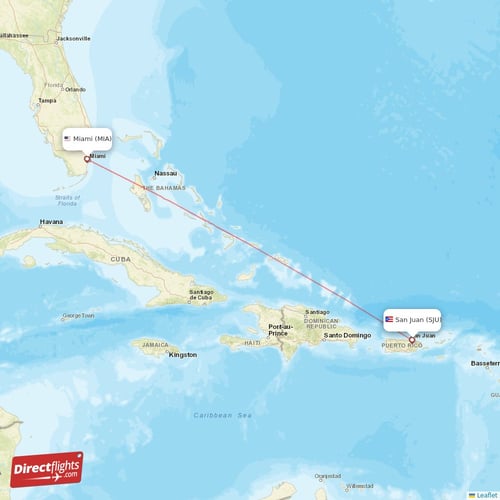
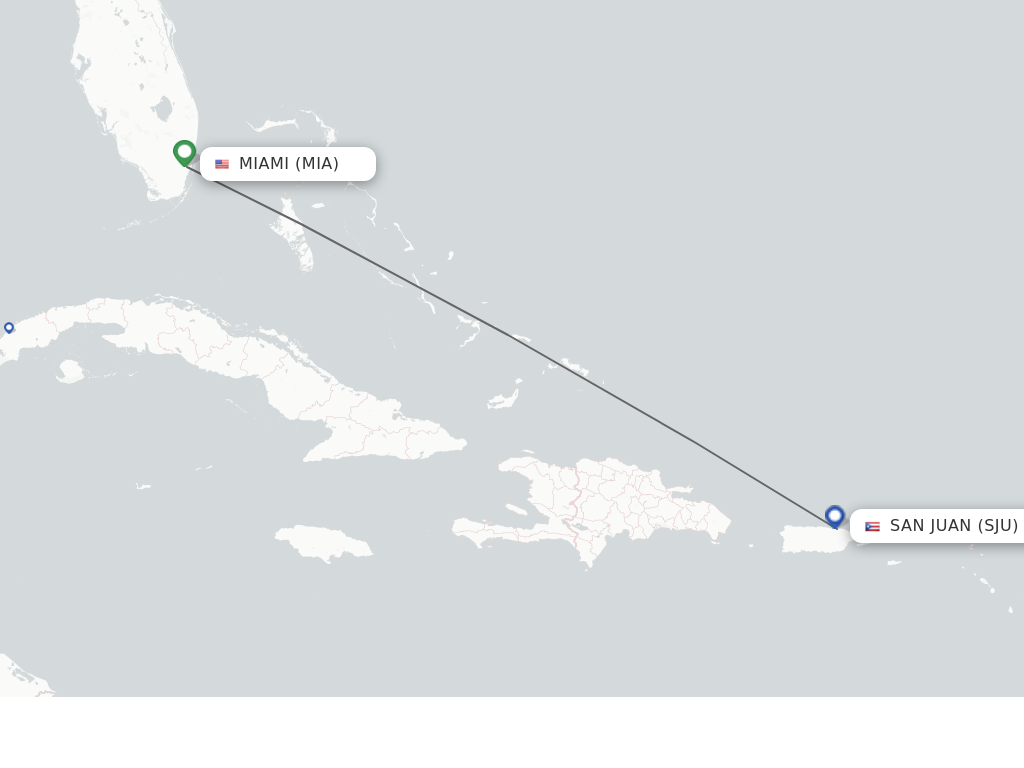
The shortest distance between Miami, Florida, and San Juan, Puerto Rico—the primary entry point for the island—is approximately 1,100 nautical miles or about 1,260 statute miles (2,030 kilometers). This measurement represents the “as the crow flies” distance, which is the direct path an aircraft would take, bypassing any landmasses. It’s a significant distance, indicating an inter-island or international flight rather than a short hop across a state.
Positional Context and Water Bodies
Miami is located on the southeastern coast of Florida, at the edge of the Atlantic Ocean and bordering the Gulf of Mexico via the Florida Straits. Puerto Rico, conversely, is situated much further southeast, deep within the Caribbean Sea, positioned as the easternmost island of the Greater Antilles. Between Miami and Puerto Rico lies a vast expanse of the Atlantic Ocean, dotted with other Caribbean islands, particularly the Bahamas and the Turks and Caicos. This substantial water body means that air travel is not just the most efficient, but virtually the only practical commercial means of transit.
Time Zone Differences
While not directly related to physical distance, understanding time zones is a critical aspect of travel planning. Miami observes Eastern Standard Time (EST) during winter and Eastern Daylight Time (EDT) during summer. Puerto Rico, on the other hand, observes Atlantic Standard Time (AST) year-round and does not switch to daylight saving. This means that Puerto Rico is consistently one hour ahead of Miami when Miami is on EDT, and two hours ahead when Miami is on EST. For travelers, this small time shift can affect connection times, arrival schedules, and the initial adjustment to island life.
Navigating the Journey: Travel Options and Duration
Given the geographical separation, the modes of transportation between Miami and Puerto Rico are quite specific, with air travel being overwhelmingly dominant for its speed and convenience.
Air Travel: The Primary Mode
For the vast majority of travelers, flying is the only sensible option. The journey is direct, relatively quick, and well-serviced by numerous airlines.
Major Airports and Airlines
Travelers typically depart from Miami International Airport (MIA) or sometimes Fort Lauderdale-Hollywood International Airport (FLL), both offering robust service to Puerto Rico. The primary arrival airport in Puerto Rico is Luis Muñoz Marín International Airport (SJU) in San Juan.
Several major carriers operate this route, reflecting its popularity. These include American Airlines, Spirit Airlines, JetBlue, and Frontier Airlines, among others. Competition among these airlines often leads to competitive pricing, especially when booking in advance or during off-peak seasons.
Typical Flight Duration
A direct flight from Miami to San Juan generally takes between 2 hours and 30 minutes to 3 hours. This relatively short flight time makes Puerto Rico an excellent choice for a weekend getaway or a longer vacation from Florida. When factoring in check-in, security, boarding, and deplaning, the total door-to-door travel time will naturally be longer, but the actual time spent in the air is minimal for an international-feeling destination.
Cruise Ships: A Scenic Alternative
While not a point-to-point transport method in the same vein as flying, cruise ships offer an alternative for those who enjoy sea travel and a more leisurely journey. Many Caribbean cruises depart from PortMiami or Port Everglades (near Fort Lauderdale) and include San Juan as a port of call.
Duration and Experience
A cruise journey from Miami to Puerto Rico will typically be part of a multi-day itinerary, usually lasting 7 days or more, with stops at several Caribbean islands. The sailing time from Miami to San Juan would likely take at least two full days at sea, offering travelers a chance to enjoy the ship’s amenities and the open ocean. This option is less about getting there quickly and more about the journey itself and experiencing multiple destinations.
Other Modes (Less Practical)
For commercial travelers, there are no practical ferry services or train routes connecting Miami and Puerto Rico. While private yachts or cargo ships could make the journey, they are not viable options for the average tourist due to time, cost, and logistics. Therefore, air travel remains the undisputed champion for speed and accessibility.
Why the Distance Matters: Connecting Two Vibrant Cultures

The relatively short flight distance between Miami and Puerto Rico is more than just a logistical detail; it represents a significant bridge connecting two distinct yet culturally resonant regions.
A Bridge Between Continents and Islands
Miami’s identity is deeply intertwined with its role as a key port and cultural melting pot for Latin America and the wider Caribbean. Its strong Hispanic influence, evident in its cuisine, music, and neighborhoods like Little Havana, makes it feel like a prelude to more distant tropical locales. Puerto Rico, in turn, serves as a vital anchor in the eastern Caribbean, showcasing a unique blend of Taíno, Spanish, and African heritage, all under the U.S. flag. This geographical proximity facilitates a continuous flow of people, ideas, and goods, reinforcing existing cultural ties and fostering new ones.
Cultural Exchange and Influence
The ease of travel between Miami and Puerto Rico promotes a vibrant cultural exchange. Many Puerto Ricans have family or business connections in Florida, and vice versa. This constant movement helps maintain and evolve shared Hispanic traditions while also highlighting the unique elements of Puerto Rican culture. Travelers from Miami can easily immerse themselves in the rich history of Old San Juan or the natural wonders of El Yunque National Forest, while visitors from Puerto Rico can enjoy Miami’s urban sophistication and diverse entertainment. The relatively short flight time means that these distinctive experiences are highly accessible to one another.
Economic and Tourism Ties
The accessibility between Miami and Puerto Rico significantly underpins their economic relationship, particularly in tourism. Both destinations thrive on attracting visitors, and the direct air links facilitate travel for leisure and business. Many tour operators and travel agencies offer packages that might include elements of both destinations, especially for cruise passengers starting or ending their Caribbean journeys in Florida. This symbiotic relationship boosts both economies and expands the travel horizons for countless individuals.
Planning Your Trip: Essential Travel Considerations
Embarking on a journey from Miami to Puerto Rico requires a few key considerations to ensure a smooth and enjoyable experience.
Best Time to Travel
Both Miami and Puerto Rico are popular year-round, but specific seasons offer distinct advantages and disadvantages:
- Peak Season (December to April): This is the dry season for both destinations, offering pleasant temperatures and lower humidity. It’s ideal for beach activities and outdoor exploration. However, demand is high, leading to increased flight and accommodation prices.
- Shoulder Season (May-June, November): These months can offer a good balance of weather and fewer crowds, often with more reasonable prices.
- Off-Peak/Hurricane Season (July to October): This period sees higher temperatures, humidity, and the risk of hurricanes in the Caribbean basin. While travel during this time can offer significant savings, travelers should be vigilant about weather forecasts and consider travel insurance.
Documentation and Entry Requirements
One of the most appealing aspects of traveling to Puerto Rico from Miami for U.S. citizens is the lack of passport requirement. As a U.S. territory, travel between the mainland United States and Puerto Rico is considered domestic. U.S. citizens only need a government-issued photo ID (like a driver’s license) for air travel. However, it’s always advisable to carry a passport if you have one, just as a universally accepted form of identification. For non-U.S. citizens, the same U.S. entry requirements apply for visiting Puerto Rico as for visiting any other part of the mainland United States.
Budgeting for the Journey
Costs can fluctuate significantly based on travel dates, how far in advance you book, and your chosen airline.
- Flights: Round-trip airfare can range from $150-$400 USD or more, with peak season and last-minute bookings pushing prices higher. Budget airlines often offer cheaper base fares but charge extra for baggage and seat selection.
- Accommodation: Both Miami and Puerto Rico offer a wide range of accommodation, from budget-friendly guesthouses to luxury resorts. Prices will vary widely.
- Local Transport: Consider car rental for greater flexibility, especially in Puerto Rico outside of San Juan. Taxis and ride-sharing are readily available in both cities.
Packing Essentials
Given the tropical climates of both Miami and Puerto Rico, packing light, breathable clothing is essential. Don’t forget swimwear, sunscreen, insect repellent (especially for El Yunque or bioluminescent bay tours), comfortable walking shoes, and a light rain jacket, as tropical showers can be common.
Exploring Beyond the Horizon: What Awaits in Each Destination
The relatively short distance between Miami and Puerto Rico means that exploring the unique attractions of both is highly feasible, offering travelers a diverse experience.
The Allure of Miami
Miami is an electrifying city defined by its dazzling beaches, pulsating nightlife, and iconic Art Deco architecture.
- South Beach: Famous for its white sands, vibrant Ocean Drive, and celebrity sightings.
- Art Deco Historic District: A beautifully preserved neighborhood in South Beach with pastel-colored buildings from the 1930s and 40s.
- Little Havana: Experience Cuban culture through its cigar shops, vibrant murals, authentic restaurants, and the famous Domino Park.
- Culinary Scene: Miami boasts a world-class culinary scene, blending Latin American flavors with international sophistication.
- Arts and Culture: Explore the colorful street art of Wynwood Walls or the museums and galleries of the Design District.
The Charms of Puerto Rico
Puerto Rico offers a deeply authentic Caribbean experience, rich in history, natural beauty, and a distinct cultural identity.
- Old San Juan: A UNESCO World Heritage site, this historic district mesmerizes with its cobblestone streets, colorful colonial buildings, and grand fortresses like El Morro and San Cristobal.
- El Yunque National Forest: The only tropical rainforest in the U.S. National Forest System, offering lush hiking trails, waterfalls, and diverse wildlife.
- Bioluminescent Bays: Experience the magical glow of microorganisms in one of Puerto Rico’s three bioluminescent bays, most famously Mosquito Bay on Vieques Island.
- Stunning Beaches: From the surfing waves of Rincón to the serene sands of Flamenco Beach on Culebra, Puerto Rico offers an array of pristine coastal experiences.
- Puerto Rican Cuisine: Indulge in mofongo, lechón, alcapurrias, and other delectable local dishes.
In conclusion, the distance between Puerto Rico and Miami, while substantial, is effortlessly bridged by a short flight, making both destinations incredibly accessible for travelers seeking diverse experiences. Whether you’re drawn to Miami’s urban glamour or Puerto Rico’s island charm, the journey between them is swift, paving the way for unforgettable Caribbean adventures.
LifeOutOfTheBox is a participant in the Amazon Services LLC Associates Program, an affiliate advertising program designed to provide a means for sites to earn advertising fees by advertising and linking to Amazon.com. Amazon, the Amazon logo, AmazonSupply, and the AmazonSupply logo are trademarks of Amazon.com, Inc. or its affiliates. As an Amazon Associate we earn affiliate commissions from qualifying purchases.