
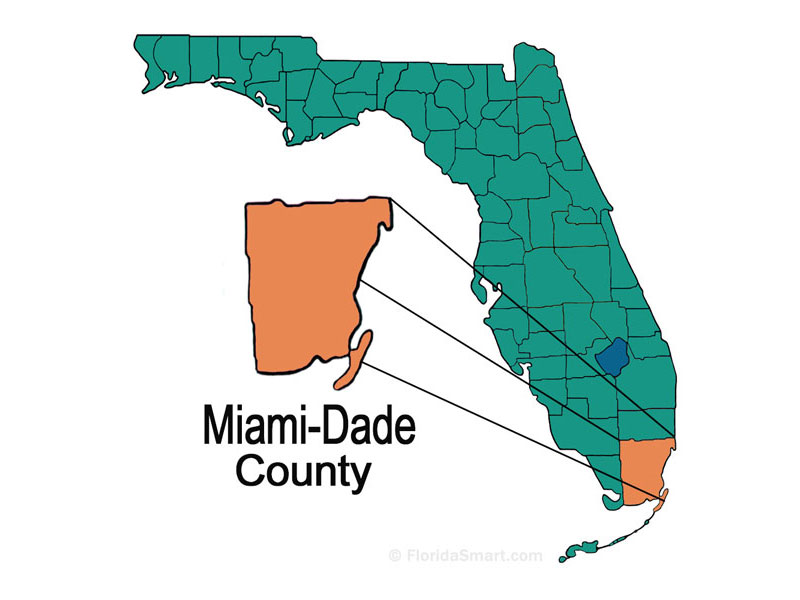
The question “Is Miami a county?” is a common one that often leads to confusion for visitors and even some residents of South Florida. The simple answer is no; Miami is a major city, the largest in the region, but it is not a county. Instead, Miami serves as the vibrant heart and county seat of Miami-Dade County, one of the most populous and geographically diverse counties in the state of Florida. Understanding this crucial distinction is key to navigating the administrative, geographical, and cultural landscape of this dynamic corner of the United States.
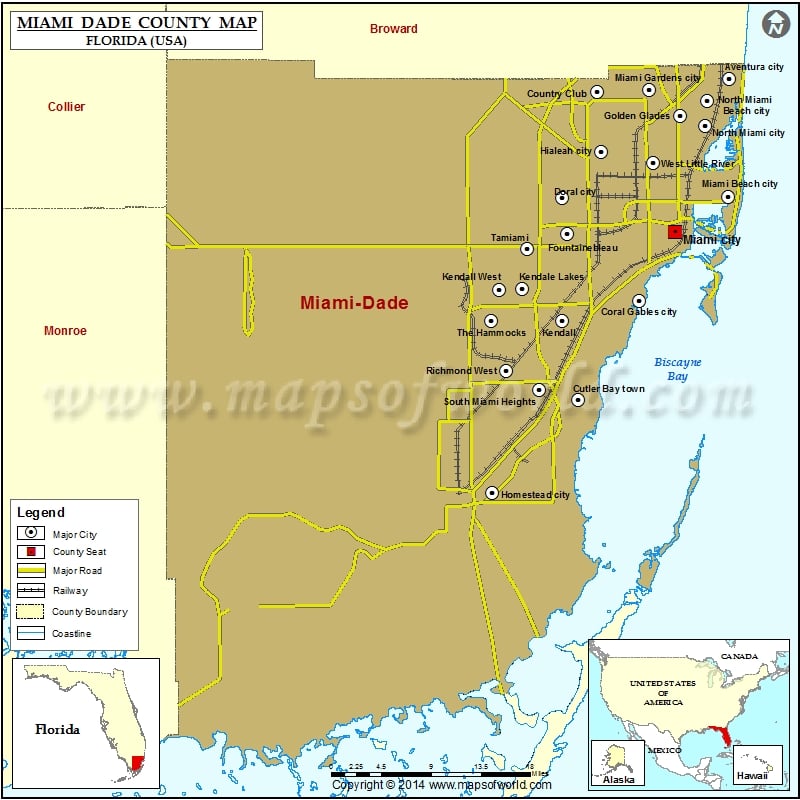
This administrative structure means that while Miami is undeniably the most recognized name, it exists within a much larger governmental and geographical framework. The county itself encompasses a vast area, stretching from the eastern coast along the Atlantic Ocean deep into the western Everglades National Park wetlands, and from the northern reaches bordering Broward County down to the southern agricultural plains. For travelers, comprehending this relationship is not merely a technicality; it profoundly impacts how one perceives distances, identifies attractions, understands local governance, and ultimately plans an itinerary to experience the rich tapestry of the area. This article will delve into the intricacies of this relationship, shedding light on how the city and county operate, what makes each unique, and why this distinction is so vital for anyone exploring one of the world’s most captivating travel destinations.
Unpacking Miami’s Geographical Identity
To truly appreciate Miami as a destination, one must first grasp its fundamental geographical and administrative identity. The misconception that Miami is a county stems from its sheer size, global recognition, and the fact that its name is often used interchangeably to refer to the broader metropolitan area. However, the reality is a classic example of a major city functioning as the nucleus of a much larger county.
City vs. County: A Fundamental Distinction
At its core, a city like Miami is an incorporated municipality with its own elected mayor and city commission, responsible for providing localized services such as police, fire, sanitation, and zoning within its specific boundaries. These boundaries are typically well-defined and relatively compact compared to a county. Miami itself occupies a significant but finite area on the southeastern tip of Florida.
A county, on the other hand, is a larger administrative subdivision of a state. It often encompasses numerous cities, towns, and unincorporated areas. Miami-Dade County is governed by a Board of County Commissioners, which oversees a wide range of regional services that transcend city limits, including major transportation infrastructure, regional planning, public hospitals, water and sewer systems, and county-wide parks. The county acts as an umbrella government, coordinating services and setting policies that affect all residents and visitors within its expansive jurisdiction. This dual layer of governance allows for both localized attention to urban needs and broader regional strategies for growth and resource management.
The Birth of Miami-Dade County
The history of Miami-Dade County traces back to 1836, when it was created as Dade County, named after Major Francis L. Dade, a soldier killed in the Second Seminole War. At its inception, the county was vast, covering much of what is now South Florida, including present-day Palm Beach, Broward, and Collier counties. Over time, as Florida grew and populations shifted, these larger territories were carved out to form new counties.
The city of Miami itself was officially incorporated much later, in 1896, largely due to the efforts of Julia Tuttle, known as the “Mother of Miami,” and the extension of Henry Flagler’s Florida East Coast Railway. As Miami blossomed into a major metropolitan center in the 20th century, the relationship between the thriving city and its encompassing county became increasingly complex. In 1997, voters officially changed the county’s name to Miami-Dade County to better reflect the global prominence of its namesake city and to distinguish it from other “Dade” entities that existed elsewhere. This renaming solidified the strong, albeit distinct, identities of both the city and the county in the public consciousness.
Exploring the Vastness of Miami-Dade County
Understanding that Miami is a city within Miami-Dade County opens up a much broader canvas for exploration. The county is an incredibly diverse region, both in its urban landscape and natural environment, offering a spectrum of experiences far beyond the bustling city limits of Miami proper.
Major Cities and Communities within the County
Miami-Dade County is home to 34 incorporated municipalities, each with its unique character, attractions, and local governance. While Miami is the largest and most famous, many other cities contribute significantly to the county’s overall allure.
To the east, across Biscayne Bay, lies Miami Beach, a separate municipality famous for its pristine beaches, vibrant nightlife, and the iconic Art Deco Historic District in South Beach. Other notable cities include the elegant, tree-lined streets of Coral Gables, known for its Mediterranean Revival architecture and the Venetian Pool; the affluent island community of Key Biscayne, offering tranquil beaches and state parks; and the bustling, family-friendly city of Doral, a hub for business and golf. Further south, Homestead serves as an agricultural center and the gateway to the Everglades National Park and Biscayne National Park. Upscale areas like Aventura and Bal Harbour offer luxury shopping and fine dining, while historic neighborhoods such as Coconut Grove boast a bohemian vibe. Each of these communities, while distinct, is part of the larger Miami-Dade County fabric, sharing resources and contributing to the region’s diverse cultural and economic landscape.
Beyond the Beaches: Diverse Landscapes
While Miami-Dade County is globally recognized for its stunning coastline and urban beaches, its geographical diversity extends far beyond the sand and surf. To the west, a significant portion of the county is covered by the Everglades National Park, a unique wetland ecosystem teeming with wildlife, offering airboat tours, hiking trails, and unparalleled opportunities for nature photography and birdwatching. This vast natural preserve contrasts sharply with the urbanized eastern corridor, providing a crucial ecological balance and a different kind of visitor experience.
South of the metropolitan core, the Redland district and Homestead area reveal a rich agricultural landscape, home to fruit farms, nurseries, and a more rural way of life, providing fresh produce to the region and unique agritourism opportunities. The southern boundary of the county touches the Florida Keys, positioning Miami-Dade County as a gateway to these famous islands. Moreover, the county encompasses a significant portion of Biscayne National Park, protecting the waters of Biscayne Bay, coral reefs, and a chain of barrier islands, offering incredible opportunities for snorkeling, diving, boating, and kayaking amidst vibrant marine life. This blend of bustling urbanity, pristine beaches, and wild natural beauty within a single county makes Miami-Dade County an extraordinarily rich destination for any traveler.
Why Understanding Miami’s Structure Matters for Travelers
For travelers planning a visit to South Florida, grasping the city-county relationship is more than just an academic exercise; it has practical implications that can significantly enhance their experience, from navigation to understanding local services and planning their itinerary.
Navigating Attractions and Services
Knowing that Miami is a city within Miami-Dade County helps travelers accurately locate attractions and understand distances. Many popular tourist spots are not actually within the city limits of Miami itself. For instance, the famous beaches and Art Deco Historic District are in Miami Beach, a separate municipality. Similarly, exploring the diverse neighborhoods like Little Havana, Wynwood, Brickell, or the Design District means traversing different areas that, while commonly associated with “Miami,” may fall under various local jurisdictions within the broader county.
Transportation is another key area. Public transit systems like Metrorail and Metrobus are typically county-wide services, meaning a single fare or pass can often take you across multiple cities within Miami-Dade County. Understanding this helps in planning cost-effective and efficient movement between different parts of the region, from Miami International Airport to the cruise terminals at PortMiami, or from Downtown Miami to the tranquility of a beach in Key Biscayne. Furthermore, emergency services, tourism information centers, and even local regulations (such as alcohol sales hours or beach rules) can vary slightly from one municipality to another, making a basic understanding of the administrative divisions quite beneficial.
Local Governance and Regional Planning
While tourists might not directly engage with local governance, understanding the division of responsibilities between city and county impacts the overall travel experience. County-level decisions often shape major infrastructure projects like highways, airports, and seaports, affecting accessibility to and from the region. Regional planning by Miami-Dade County influences everything from environmental protection (crucial for preserving natural attractions like the Everglades National Park) to the development of large-scale cultural institutions and park systems.
For example, a county-wide initiative to enhance green spaces or improve public transportation will benefit visitors regardless of which specific city they are staying in. Likewise, understanding that certain attractions or policies are managed at the city level (Miami Beach might have different noise ordinances than Coral Gables) can help set expectations and ensure a smoother trip. This layered approach to governance ensures that both hyper-local needs and broader regional goals are addressed, contributing to the rich, well-managed, and diverse visitor experience that Miami-Dade County offers.
The Allure of Miami: A Premier Travel Destination
Despite the administrative complexities, the magnetic appeal of “Miami” as a destination remains undiminished. Its global reputation is built on a vibrant blend of culture, natural beauty, and ceaseless energy, making it a premier choice for travelers worldwide.
Iconic Neighborhoods and Cultural Hubs
The city of Miami and its surrounding county are a melting pot of cultures, reflected in its distinct neighborhoods. Downtown Miami and Brickell boast a glistening skyline of financial towers and luxury condos, alongside cultural gems like the Pérez Art Museum Miami and the Adrienne Arsht Center for the Performing Arts. Just a short drive away, Little Havana immerses visitors in Cuban culture, with its iconic Calle Ocho, lively domino games, and authentic eateries. The artsy district of Wynwood, famous for its vibrant street art at the Wynwood Walls and trendy galleries, draws a younger, creative crowd. The upscale Design District is a mecca for luxury fashion and cutting-edge architecture. Each neighborhood offers a unique slice of Miami’s identity, promising an endless array of exploration and cultural immersion.
Beyond the core city, Miami Beach offers its own distinct vibe, from the historical Art Deco Historic District to the bustling Lincoln Road Mall and sophisticated restaurants. Coral Gables exudes old-world charm, while Coconut Grove provides a laid-back, bohemian atmosphere by the bay. This rich tapestry of distinct communities, all operating under the umbrella of Miami-Dade County, ensures that every traveler can find a corner that resonates with their interests.
Recreational Activities and Natural Wonders
The geographical expanse of Miami-Dade County translates into an astonishing variety of recreational activities and access to unparalleled natural wonders. The county’s eastern edge is defined by miles of pristine sandy beaches, perfect for sunbathing, swimming, and water sports. The warm waters of the Atlantic Ocean and Biscayne Bay are ideal for boating, jet-skiing, paddleboarding, and fishing.
Further inland and to the west, the unique ecosystems of Everglades National Park invite adventure seekers to explore its sawgrass prairies, cypress swamps, and mangrove forests, encountering alligators, crocodiles, and a myriad of bird species. To the south, Biscayne National Park protects a stunning underwater world of coral reefs, historical shipwrecks, and diverse marine life, accessible via snorkeling, diving, and glass-bottom boat tours. Families can enjoy the Zoo Miami or the Phillip and Patricia Frost Museum of Science. From world-class golf courses in Doral to serene botanical gardens like Fairchild Tropical Botanic Garden in Coral Gables, the recreational possibilities are boundless. This seamless integration of urban sophistication with wild, untamed nature is a hallmark of the Miami experience within its expansive county.

Conclusion: Embracing the Complexity of a Dynamic Region
To circle back to our initial question, “Is Miami a county?”, the definitive answer is no. Miami is a vibrant, iconic city, serving as the proud county seat of Miami-Dade County, a much larger and more diverse administrative entity. This distinction is far from trivial; it is fundamental to understanding the geography, governance, and very fabric of this dynamic South Florida region.
For travelers, recognizing this relationship unlocks a deeper appreciation for the area’s rich offerings. It explains why a single trip can encompass the dazzling nightlife of Miami Beach, the cultural immersion of Little Havana, the natural serenity of Everglades National Park, and the architectural marvels of Coral Gables, all within the same overarching administrative boundary. This knowledge empowers visitors to navigate the region more effectively, plan their excursions with greater precision, and engage more meaningfully with the myriad of attractions and communities that constitute the greater Miami area. In essence, while the city of Miami shines brightly as a global beacon, it is the vast and multifaceted Miami-Dade County that truly forms the expansive and inviting canvas for an unforgettable travel experience.
LifeOutOfTheBox is a participant in the Amazon Services LLC Associates Program, an affiliate advertising program designed to provide a means for sites to earn advertising fees by advertising and linking to Amazon.com. Amazon, the Amazon logo, AmazonSupply, and the AmazonSupply logo are trademarks of Amazon.com, Inc. or its affiliates. As an Amazon Associate we earn affiliate commissions from qualifying purchases.