
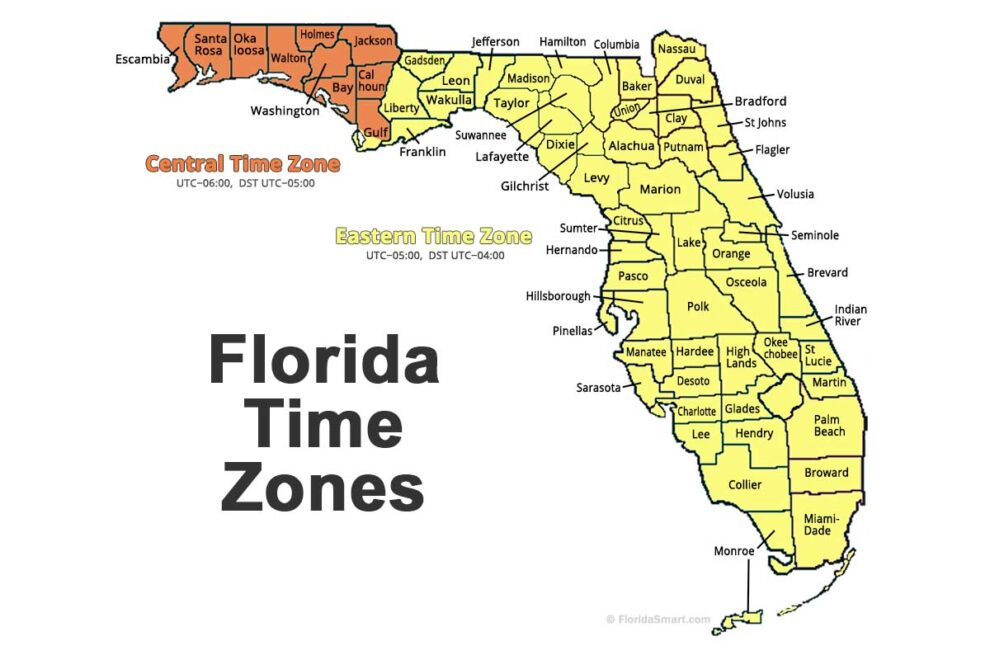
For travelers planning a vibrant escape to the sun-drenched shores of Miami, understanding local time is a foundational element of seamless trip planning. The simple answer to “Is Miami Eastern Time?” is unequivocally yes. Miami, like the majority of Florida, operates within the Eastern Time Zone. However, the implications of this extend far beyond a mere confirmation, touching upon everything from flight schedules and booking activities to managing jet lag and coordinating with loved ones back home. This comprehensive guide delves into the nuances of Miami’s time zone, offering insights and practical advice to ensure your visit is as relaxing and enjoyable as possible.

Understanding Time Zones: What is Eastern Time?
The Eastern Time Zone, often abbreviated as ET, is one of the most populous time zones in the United States and North America. It encompasses a vast geographical area, stretching from the eastern seaboard of the United States and Canada down to parts of Florida and into the Caribbean.
EST vs. EDT: Daylight Saving Time in Florida
A critical distinction within the Eastern Time Zone is the shift between Eastern Standard Time (EST) and Eastern Daylight Time (EDT). Like most states in the United States, Florida observes Daylight Saving Time. This means that:
- Eastern Standard Time (EST) is in effect during the fall and winter months. It is 5 hours behind Coordinated Universal Time (UTC) – denoted as UTC-5.
- Eastern Daylight Time (EDT) comes into play during the spring and summer months, when clocks are moved forward by one hour. It is 4 hours behind Coordinated Universal Time (UTC) – denoted as UTC-4.
This annual adjustment, typically occurring in March and November, can sometimes catch travelers off guard. It’s essential to be aware of the exact dates of these transitions, particularly if your travel dates straddle these periods, to avoid missing flights or appointments. While there have been discussions in Florida about making Daylight Saving Time permanent, for now, the state continues to observe the biannual clock change.
Geographical Context: Where Eastern Time Extends
The Eastern Time Zone covers the entire eastern seaboard of the United States, including major cities like New York City, Washington D.C., and Atlanta, as well as most of Florida, including popular destinations like Orlando, Fort Lauderdale, and of course, Miami. Only a small portion of Florida’s panhandle observes Central Time. This wide coverage means that if you’re traveling within the eastern United States, you might not experience a time zone change, simplifying travel logistics for many domestic visitors.
Why Time Zones Matter for Miami Travelers
Understanding Miami’s time zone is far more than a trivial detail; it’s a cornerstone of effective travel planning and a comfortable experience. Neglecting this crucial aspect can lead to missed connections, scheduling conflicts, and unnecessary stress.
Flight Schedules and Connections
The most immediate impact of time zones for travelers is on flight schedules. All flight times are listed in the local time of departure and arrival. If you’re flying to Miami from a different time zone, especially from the west, you will effectively “lose” hours. For instance, traveling from Los Angeles (Pacific Time, UTC-8) to Miami (Eastern Time, UTC-5) means a 3-hour difference. A flight departing Los Angeles at 9:00 AM Pacific Time will land in Miami at 5:00 PM Eastern Time (assuming a 5-hour flight). This shift must be factored into onward travel plans, hotel check-ins, and any immediate engagements. For international travelers, the time difference can be even more substantial, requiring careful management of connections at major hubs like Miami International Airport or PortMiami for cruise departures.
Booking Activities and Reservations
Miami is a city brimming with activities, from dining at world-class restaurants in South Beach to exploring the colorful streets of the Art Deco Historic District or embarking on an Everglades National Park airboat tour. All reservations for these experiences will be based on Eastern Time. Double-checking the time zone when making bookings from a different location is paramount. Imagine missing a sunset cruise on Biscayne Bay because you calculated the time incorrectly – a simple oversight that can spoil a planned highlight of your trip.
Communication with Home and Business
Maintaining contact with family, friends, or colleagues in different time zones requires a conscious effort. If you’re based on the West Coast, your family back home will be three hours behind Miami time. For business travelers, scheduling virtual meetings or calls with offices in other time zones requires careful coordination to avoid calling during off-hours or disrupting workflows. Setting clear expectations and communicating your new time zone to those you plan to connect with can prevent misunderstandings.

Health and Well-being: Avoiding Jet Lag
Travelers crossing multiple time zones, particularly from west to east, are susceptible to jet lag. This physiological disruption can manifest as fatigue, insomnia, headaches, and digestive issues, dulling the excitement of arrival. Understanding the time difference in advance allows you to proactively prepare, whether by gradually adjusting your sleep schedule before departure or implementing strategies upon arrival to mitigate its effects.
Navigating Miami on Eastern Time: Tips for a Smooth Trip
With Miami’s adherence to Eastern Time firmly established, travelers can adopt several strategies to ensure a seamless and enjoyable experience. Proactive planning and smart adjustments are key to embracing Miami’s rhythm from the moment you land.
Pre-Departure Preparation
Before your journey begins, make time zone awareness an integral part of your planning checklist.
- Update All Devices: Ensure your smartphone, tablet, and smartwatches are set to automatically update their time zone, or manually set them to Eastern Time before you depart.
- Review Itinerary: Double-check all flight times, hotel check-in/check-out times, and reservation confirmations, confirming they are all specified in Eastern Time.
- Gradual Sleep Adjustment: If you’re traveling from a significantly different time zone, try to shift your sleep schedule by an hour or two each day in the days leading up to your trip. This pre-adjustment can significantly reduce the impact of jet lag.
- Communicate Your Schedule: Inform family, friends, and business associates of your travel schedule and the time zone change to coordinate communication effectively.
Upon Arrival: Immediate Adjustments
The moment you arrive in Miami, commit to living on local time.
- Reset Your Internal Clock: As soon as you step off the plane, mentally (and physically) switch to Miami time. Even if you’re tired, try to stay awake until a reasonable local bedtime.
- Seek Sunlight: Exposure to natural light, especially in the morning, helps regulate your body’s circadian rhythm. Spend time outdoors, perhaps with a walk along Miami Beach or exploring the vibrant Art Deco Historic District.
- Hydrate and Eat Lightly: Dehydration can exacerbate jet lag symptoms. Drink plenty of water and opt for lighter meals, at least for the first day, to help your body adjust.
- Avoid Excessive Napping: While a short power nap (20-30 minutes) can be helpful, long naps can make it harder to sleep at night on local time.
Maximizing Your Days: Activities and Dining
Miami’s dynamic culture offers a plethora of experiences, and being in sync with local time allows you to fully immerse yourself.
- Embrace Early Mornings: The morning light in Miami is beautiful and often less crowded. Enjoy an early breakfast, a jog along South Beach, or a visit to popular attractions like the Wynwood Walls before the midday rush.
- Plan Evening Entertainment: Miami comes alive at night. From world-class dining in Brickell to lively bars in Little Havana, having your internal clock aligned with local time means you can fully enjoy these experiences without feeling prematurely tired.
- Utilize Scheduling Apps: Calendar and reminder apps on your phone can be invaluable for keeping track of bookings and planned activities, especially if you’re still adjusting to the time difference. Set alarms for important events based on Eastern Time.
Beyond the Clock: Miami’s Rhythms and Your Travel Experience
While the precise hours on the clock are important, the spirit and rhythm of Miami itself also contribute to your travel experience. Being aware of these broader cultural and seasonal timings can enhance your journey.
The Miami Lifestyle: Early Birds and Night Owls
Miami is a city that caters to both early risers and night owls. The beaches and parks begin to stir with activity at sunrise, while the dining and nightlife scenes often extend well into the early hours.
- Flexible Itinerary: While it’s good to have a plan, allow for some flexibility in your itinerary, especially during your first day or two. This allows your body to naturally adjust to the local rhythm without feeling rushed or overwhelmed.
- Embrace the Pace: Miami’s pace can be vibrant and energetic. Don’t be afraid to embrace the city’s late-night culture, but also understand that mornings can be equally rewarding for exploring attractions without the crowds.
Seasonal Considerations and Events
Miami’s calendar is punctuated by world-renowned events that can influence not only availability and pricing but also the overall atmosphere.
- Peak Season: During cooler winter months, Miami is a popular escape, meaning attractions, restaurants, and hotels can be busy. Book well in advance.
- Summer Heat: The summer months bring higher temperatures and humidity, alongside the hurricane season. However, this also means fewer crowds and often better deals on travel and accommodation.
- Major Events: From the culinary delights of Miami Spice to the international art spectacle of Art Basel Miami Beach, these events have specific schedules that operate strictly on Eastern Time. Incorporating these into your itinerary requires meticulous time-zone planning.
Making the Most of Your Time
Ultimately, understanding that Miami is on Eastern Time is about empowering you to make the most of every moment. By acknowledging the time zone, making necessary adjustments, and respecting the city’s rhythm, you can ensure your vacation is free from avoidable stressors. Focus on immersing yourself in the destination, whether it’s enjoying the stunning ocean views, savoring the diverse culinary scene, or dancing the night away. Your awareness of the clock will allow you to relax and fully embrace the unique charm and energy that Miami has to offer.
LifeOutOfTheBox is a participant in the Amazon Services LLC Associates Program, an affiliate advertising program designed to provide a means for sites to earn advertising fees by advertising and linking to Amazon.com. Amazon, the Amazon logo, AmazonSupply, and the AmazonSupply logo are trademarks of Amazon.com, Inc. or its affiliates. As an Amazon Associate we earn affiliate commissions from qualifying purchases.