
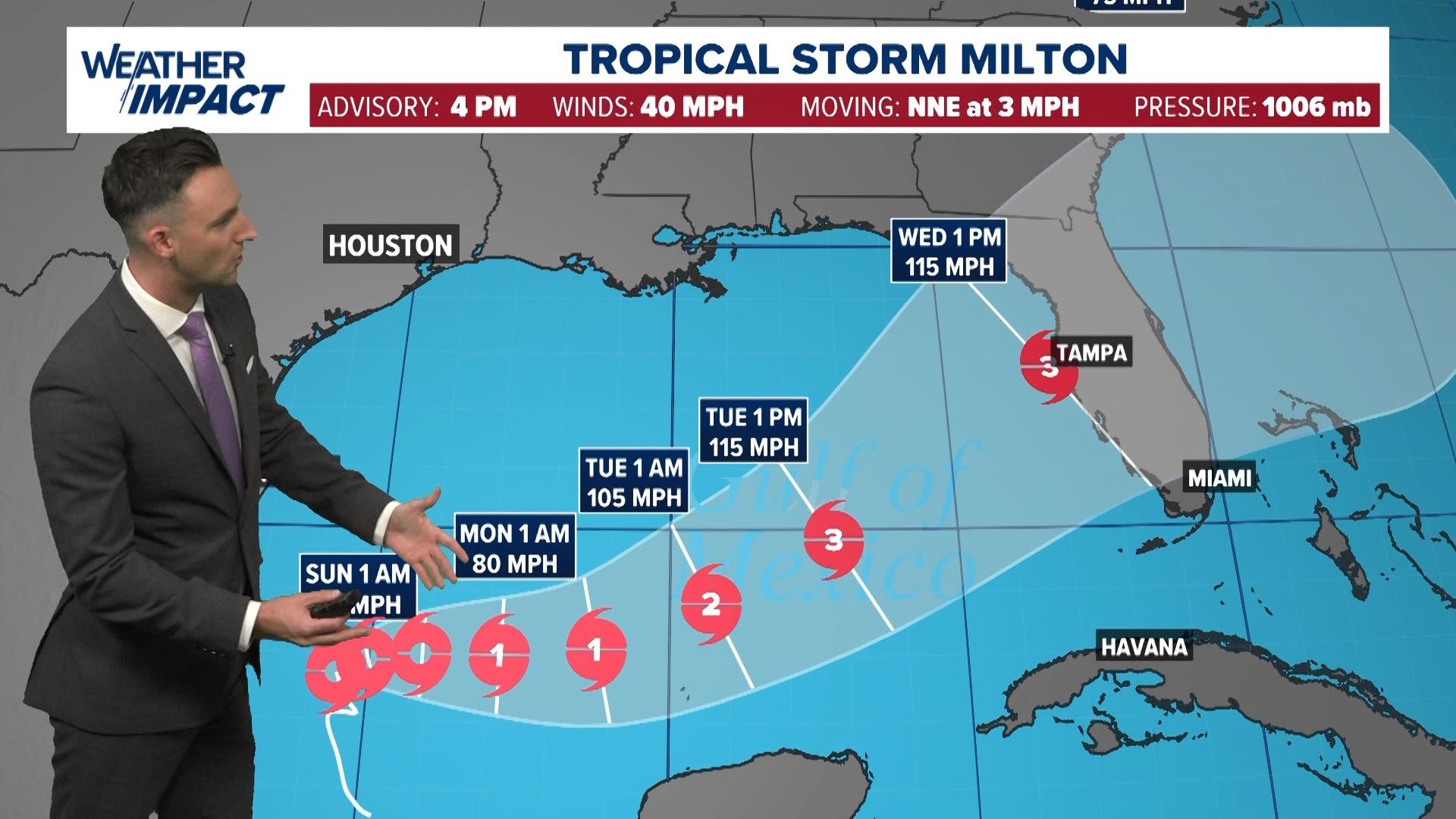
The mere mention of a hurricane approaching sends ripples of concern through residents and, perhaps even more acutely, through prospective travelers. For a vibrant, coastal metropolis like Miami, situated in the hurricane-prone state of Florida, the question “Is the hurricane going to hit Miami?” isn’t just a weather query; it’s a critical factor shaping travel decisions, impacting everything from flight bookings and hotel reservations to the very feasibility of a planned vacation. Understanding the dynamics of hurricane season, knowing how to interpret official warnings, and preparing for potential disruptions are paramount for any traveler considering a trip to this dazzling destination during the summer and fall months.

Understanding Hurricane Season and Miami’s Vulnerability
Miami’s allure is undeniable, with its stunning beaches, dynamic nightlife, and rich cultural tapestry. However, its geographic location makes it susceptible to tropical weather systems, particularly during the official Atlantic hurricane season, which runs from June 1st to November 30th. Travelers planning visits within this window must be acutely aware of the risks and how to navigate them effectively.
Florida’s Climate and Hurricane Risk
Florida is renowned for its tropical climate, characterized by warm temperatures and abundant sunshine, which attracts millions of visitors annually. This climate, however, also fosters the conditions necessary for hurricane development in the Atlantic Ocean, Caribbean Sea, and Gulf of Mexico. Miami, located on the southeastern tip of the Florida peninsula, is directly exposed to systems emerging from the Atlantic Ocean and Caribbean, making it a high-risk area for direct hurricane impacts or significant indirect effects. While many storms curve away or dissipate, the potential for a direct hit is always present, necessitating vigilance.
Key Phases of a Hurricane Threat
The journey of a hurricane from a distant disturbance to a potential landfall involves several distinct phases, each requiring different levels of awareness and action from travelers. Initially, a tropical wave or depression forms, often thousands of miles away. As it strengthens and organizes, it may be upgraded to a tropical storm, then a hurricane, with categories indicating its intensity.
Crucially, official bodies like the National Hurricane Center (NHC), part of the National Weather Service, issue advisories, watches, and warnings. A “hurricane watch” means hurricane conditions are possible within 48 hours, while a “hurricane warning” signifies that hurricane conditions are expected within 36 hours. Understanding these distinctions is vital for travelers to make informed decisions about whether to proceed with or alter their travel plans.
Preparing Your Travel Plans for a Potential Strike
Proactive preparation is the best defense against the uncertainty of hurricane season. For travelers, this means more than just packing sunscreen; it involves strategic planning that prioritizes safety and minimizes financial losses.
Monitoring Official Sources and Forecasts
Reliable information is your most valuable asset during hurricane season. Travelers should make it a habit to regularly check updates from official meteorological organizations. The National Hurricane Center provides comprehensive forecasts, track models, and detailed advisories that are updated frequently. Local government websites for Miami-Dade County, Fort Lauderdale, and Palm Beach also offer critical local information, including evacuation routes, shelter locations, and public safety announcements. Relying on reputable sources prevents panic caused by rumors and ensures decisions are based on the most accurate data available.
The Role of Travel Insurance
For any trip during hurricane season, travel insurance is not merely an option; it’s a necessity. Policies vary widely, so it’s essential to understand what is covered. Look for “cancel for any reason” (CFAR) policies if flexibility is paramount, though these are typically more expensive. Standard travel insurance may cover cancellations or interruptions due to named storms, but often only if the policy was purchased before the storm was named or forecast. Carefully review the fine print regarding natural disasters, evacuation orders, and travel delays to ensure adequate coverage for your specific concerns. This can protect your investment in flights, accommodations, and pre-booked experiences like tours to Everglades National Park or cruises departing from PortMiami.
Essential Evacuation and Safety Protocols
Should a hurricane warning be issued for Miami, local authorities may issue evacuation orders. Travelers must take these directives seriously. Knowing your evacuation zone, understanding designated routes, and having a plan to leave the area are critical. If you are staying in a hotel, inquire about their specific hurricane preparedness plans and evacuation procedures upon arrival. Familiarize yourself with nearby designated shelters, though evacuating inland to a safer region is generally recommended if possible. Safety always supersedes the desire to continue a vacation.
Navigating Travel Disruptions and Cancellations
Even if a hurricane doesn’t directly hit Miami, its proximity can cause significant travel disruptions. Being prepared to handle these changes gracefully can salvage aspects of your trip or help you rebook with minimal hassle.
Airline and Hotel Policies During a Hurricane Threat
Airlines like American Airlines and others operating out of Miami International Airport or Fort Lauderdale-Hollywood International Airport often issue waivers allowing passengers to change their flight dates or destinations without penalty when a hurricane threatens a specific region. Similarly, hotels and resorts usually have policies for cancellations or modifications during a declared emergency, though these vary. It’s crucial to contact your airline and accommodation provider directly as soon as a storm threatens to understand your options. Be patient, as call centers can become overwhelmed during these periods.
Rethinking Your Itinerary: Alternatives and Flexibility
If Miami is under threat, consider alternative destinations. Perhaps a trip to the United States West Coast or a different region of the United States not in the path of the storm could be an option. Flexibility is key. If rescheduling is possible, shifting your Miami trip to later in the season or even the following year can often be done with minimal fees, especially with appropriate travel insurance or airline waivers. Sometimes, even a slight shift in dates can mean the difference between a hurricane-interrupted vacation and a peaceful getaway.
Post-Storm Travel Considerations
After a hurricane passes, the immediate aftermath can still pose challenges for travelers. Airports may remain closed, roads might be impassable due to flooding or debris, and essential services could be disrupted. Even if Miami is spared a direct hit, neighboring areas like the Florida Keys might be severely affected, impacting regional travel. It’s advisable to wait for official declarations that the area is safe for visitors and that infrastructure has been restored before traveling. This not only ensures your safety but also avoids straining local resources that are focused on recovery.
What to Do If You’re Already in Miami
For travelers who find themselves in Miami when a hurricane threat materializes, swift and decisive action is paramount. Your immediate safety is the top priority.
Emergency Kits and Shelters
Every traveler in a hurricane-prone area should have a basic understanding of emergency preparedness. This includes knowing where to find fresh water, non-perishable food, flashlights, a first-aid kit, and any necessary medications. While hotels may have emergency supplies, being self-sufficient for at least 72 hours is recommended. If evacuation is not possible, local authorities will designate public shelters. These are typically schools or community centers designed to withstand hurricane-force winds. Familiarize yourself with the closest shelters and their operational status by checking Miami-Dade County emergency management websites.
Communication Strategies
During and after a hurricane, cellular networks can be overloaded or damaged, making communication difficult. Inform loved ones of your plans and status before the storm hits. Consider carrying a portable charger for your phone. If power outages occur, a battery-powered or hand-crank radio can be invaluable for receiving updates from emergency services. Utilize text messages rather than calls if networks are congested, as texts often get through more reliably. FEMA also provides guidance on communication plans during disasters.
Following Local Authority Directives
The most critical advice for anyone in Miami during a hurricane threat is to obey all directives from local emergency management officials. This includes evacuation orders, shelter-in-place instructions, and curfews. These measures are put in place for your safety and the safety of the community. Ignoring them not only puts yourself at risk but can also endanger first responders who might have to rescue you. Whether you’re exploring the Art Deco Historic District on South Beach or enjoying the vibrant streets of Little Havana, always prioritize official guidance.
The Resilience of Miami and Future Travel
Miami has a long history of weathering storms and emerging stronger. The resilience of its residents and infrastructure is a testament to its enduring appeal as a top travel destination.
Recovering and Rebuilding Efforts
Following any significant storm, Miami and its surrounding areas typically embark on swift and efficient recovery and rebuilding efforts. Infrastructure is repaired, power is restored, and attractions reopen. While the immediate aftermath can be challenging, the city’s commitment to restoring its vibrancy for both residents and tourists is strong. Travelers who follow official guidance and respect the recovery process often find that the city quickly returns to its lively self. Areas around Biscayne Bay and South Beach, for instance, are meticulously maintained and are usually among the first to bounce back.
Miami as a Year-Round Destination
Despite hurricane season, Miami remains a fantastic year-round destination. For those who prefer to avoid the risks of hurricane season, planning a trip between December and May offers cooler temperatures, lower humidity, and virtually no threat of tropical storms. This period is often considered the peak tourist season, offering ideal conditions for enjoying all that Miami has to offer, from cultural festivals to pristine beach days.

Supporting Local Tourism Post-Storm
If you’ve had to cancel or postpone a trip to Miami due to a hurricane threat, consider rescheduling once the region has fully recovered. Supporting local tourism post-storm is crucial for the economic recovery of the community. Visiting once the all-clear is given helps local businesses, restaurants, and attractions regain their footing, ensuring that Miami continues to thrive as a premier travel destination for years to come. Whether the hurricane hits or veers away, Miami’s spirit and its invitation to travelers remain unwavering.
LifeOutOfTheBox is a participant in the Amazon Services LLC Associates Program, an affiliate advertising program designed to provide a means for sites to earn advertising fees by advertising and linking to Amazon.com. Amazon, the Amazon logo, AmazonSupply, and the AmazonSupply logo are trademarks of Amazon.com, Inc. or its affiliates. As an Amazon Associate we earn affiliate commissions from qualifying purchases.