
For many travelers, a zip code might seem like a mundane detail, a mere administrative necessity. Yet, when planning an immersive journey to a vibrant destination like Miami, understanding its postal codes transforms from a triviality into a powerful tool. Miami is not a monolithic entity; it’s a sprawling mosaic of distinctive neighborhoods, each offering a unique flavor, atmosphere, and set of experiences. Delving into Miami’s zip code system provides an invaluable geographic compass, enabling visitors to pinpoint ideal accommodations, navigate efficiently, discover hidden gems, and truly tailor their adventure in the Magic City.

Far from being just a mailing address, a zip code in Miami acts as a shorthand for a particular micro-destination, signaling everything from architectural style and culinary trends to nightlife intensity and proximity to key attractions. Whether you’re seeking the pulsating energy of South Beach, the cultural richness of Little Havana, or the serene luxury of Coral Gables, knowing the relevant zip codes can profoundly enhance your planning process and on-the-ground experience. This guide will demystify Miami’s zip code landscape, equipping you with the insights needed to navigate this dynamic Florida gem like a seasoned local.
Decoding Miami’s Zip Code System: A Traveler’s Geographic Compass
The perception that Miami has a single zip code is a common misconception, often stemming from its global recognition as a singular destination. In reality, the metropolitan area known broadly as Miami encompasses a multitude of distinct cities, towns, and unincorporated communities, all within Miami-Dade County. Each of these areas, and often specific neighborhoods within them, is assigned one or more unique zip codes by the United States Postal Service. For travelers, this postal stratification is less about mail delivery and more about understanding the city’s complex, diverse geography.
The Primary Zip Codes and Their General Areas
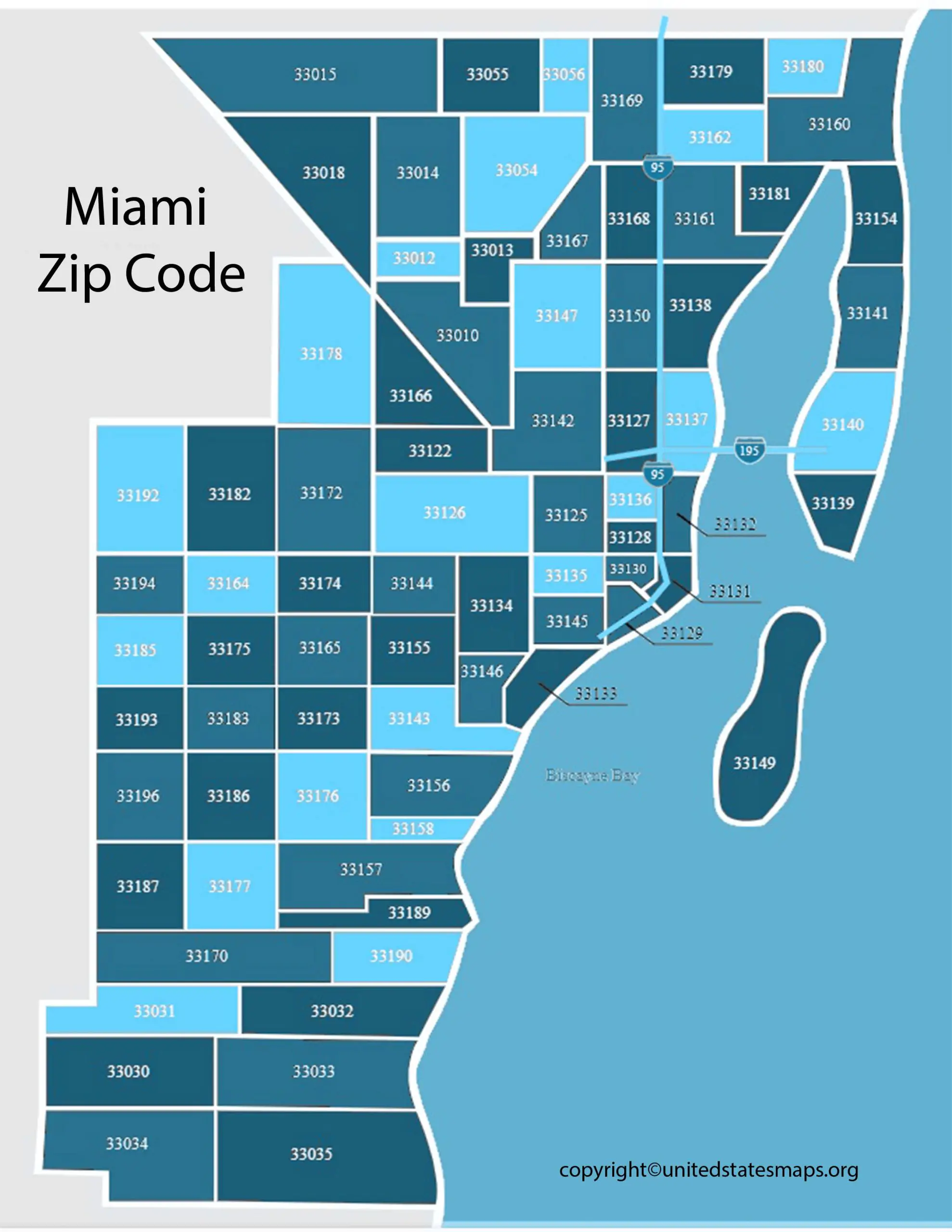
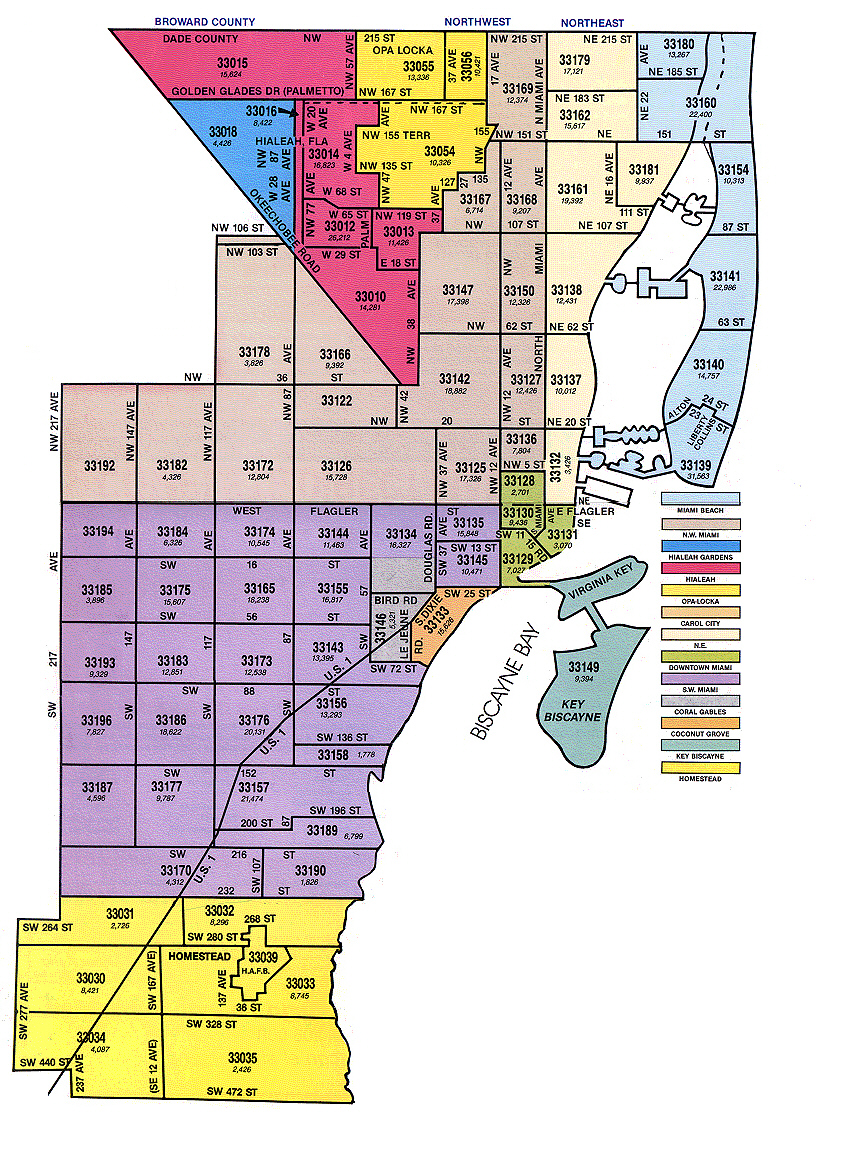
While there are dozens of zip codes across the broader Miami-Dade County, certain ones immediately bring to mind iconic travel experiences. For instance, the main “city of Miami” zip codes typically range from 331XX, with suffixes denoting different sectors. Downtown Miami and Brickell often fall within 33130 or 33131. Across Biscayne Bay, Miami Beach is primarily covered by 33139 and 33140, with 33139 specifically identifying the famed South Beach area. These core zip codes serve as excellent starting points for travelers, immediately orienting them to the city’s most visited and recognizable districts. Recognizing these key numerical identifiers allows visitors to quickly grasp the proximity of attractions, the general vibe of an area, and the logistical challenges or advantages associated with their chosen location.
Beyond the Basics: Understanding Miami-Dade’s Broader Scope
It’s crucial for travelers to understand that ” Miami” as a travel destination often refers to the expansive Miami-Dade County, which is larger and more varied than just the central Miami municipality. This county stretches from the shores of the Atlantic Ocean to the edge of the Everglades National Park, encompassing a vast array of communities, each with its own postal codes and distinct character. From the luxurious enclaves of Bal Harbour (33154) to the family-friendly suburbs of Doral (33178, 33122), and the historic charm of Homestead (33030), the zip codes paint a detailed map of this diverse region. For those planning extended stays or seeking specific niche experiences—be it fishing charters, agricultural tours, or serene beachfront escapes away from the crowds—exploring zip codes beyond the immediate urban core can unlock a completely different side of what Miami has to offer. This broader understanding prevents potential surprises regarding travel times or the immediate environment surrounding a chosen accommodation.
Zip Codes as Neighborhood Identifiers: Tailoring Your Miami Experience
Understanding Miami’s zip codes is akin to having an insider’s guide to its myriad neighborhoods. Each numeric sequence unlocks a distinct world, allowing travelers to curate an experience that perfectly matches their preferences, whether they seek pulsating nightlife, cultural immersion, serene relaxation, or family-friendly fun.
The Vibrant Core: Downtown Miami & Brickell (e.g., 33130, 33131)
For travelers drawn to urban sophistication, towering skyscrapers, and a bustling financial district that transforms into a vibrant cultural hub, zip codes like 33130 and 33131 point directly to Downtown Miami and Brickell. Here, modern architecture mingles with historic landmarks, and the area pulsates with energy from day to night. Visitors can explore world-class institutions like the Pérez Art Museum Miami and the Frost Science Museum, catch a show at the Adrienne Arsht Center, or simply stroll along the waterfront at Bayfront Park overlooking Biscayne Bay. The dining scene is exceptionally diverse, catering to every palate, from upscale eateries to casual, trendy spots. These zip codes are perfect for business travelers, culture enthusiasts, and anyone seeking a dynamic, walkable urban experience.
Sun-Kissed Shores: Miami Beach & South Beach (e.g., 33139, 33140)
When thoughts turn to iconic beaches, pastel-colored Art Deco Historic District architecture, and legendary nightlife, the zip codes 33139 and 33140 immediately come to mind, encapsulating Miami Beach, particularly the world-renowned South Beach. 33139 specifically covers the southernmost, most famous stretch, home to Ocean Drive, Lincoln Road Mall, and countless boutiques, restaurants, and clubs. Further north, 33140 maintains the beachfront charm but often with a slightly more relaxed, residential feel. These areas are ideal for sun-seekers, party-goers, fashion enthusiasts, and those looking to immerse themselves in Miami’s vibrant, glamorous seaside culture.
Artistic Enclaves & Cultural Hubs: Wynwood & Design District (e.g., 33127, 33137)
For travelers with an appreciation for art, innovation, and cutting-edge design, zip codes like 33127 and 33137 pinpoint Wynwood and the Design District. Wynwood, located within 33127, is globally recognized for its vibrant street art and the famous Wynwood Walls, an outdoor museum of murals. This once-industrial area has transformed into a bohemian playground with art galleries, unique boutiques, innovative eateries, and lively breweries. Adjacent to it, the Design District, primarily within 33137, offers a more upscale experience, housing luxury fashion brands, high-end furniture showrooms, and architecturally stunning buildings. These zip codes are a must-visit for trendsetters, art lovers, and those seeking a unique cultural and shopping experience distinct from the beach scene.
Upscale Retreats & Family-Friendly Charm: Coral Gables & Coconut Grove (e.g., 33134, 33133)
If your travel vision includes tree-lined streets, historic architecture, and a more refined, tranquil ambiance, then zip codes 33134 and 33133 are your destinations. 33134 covers Coral Gables, known for its Mediterranean Revival architecture, the iconic Biltmore Hotel, and the shopping and dining hub of Miracle Mile. It’s a city designed for beauty and boasts attractions like the Venetian Pool and the Fairchild Tropical Botanic Garden. Just south, 33133 encompasses Coconut Grove, Miami’s oldest continuously inhabited neighborhood. Here, a bohemian spirit blends with upscale marinas, charming boutiques, and lush parks. Key attractions include the Vizcaya Museum & Gardens and the peaceful waterfront parks. These areas appeal to families, couples seeking romance, and travelers who appreciate history, elegance, and a quieter pace.
Coastal Serenity and Suburban Comfort: Key Biscayne & Aventura (e.g., 33149, 33180)
For those desiring a more secluded island escape or a luxurious shopping and resort experience, zip codes 33149 and 33180 offer distinct options. 33149 belongs to Key Biscayne, a barrier island known for its pristine beaches, natural parks like Crandon Park and Bill Baggs Cape Florida State Park, and a tranquil, upscale residential atmosphere. It’s a haven for outdoor enthusiasts, offering cycling paths, kayaking, and excellent birdwatching. Further north in Miami-Dade County, 33180 covers Aventura, celebrated for its namesake mall, the Aventura Mall, one of the largest in the United States. Aventura is also home to luxury high-rises, golf courses, and fine dining, appealing to shoppers and those looking for a sophisticated, amenity-rich retreat.
Practical Applications for the Savvy Traveler
Understanding Miami’s zip code map goes far beyond mere curiosity; it’s a strategic advantage for any savvy traveler. This knowledge equips you with the power to make informed decisions that optimize your itinerary, budget, and overall experience.
Streamlining Accommodation Choices
One of the most significant benefits of knowing Miami’s zip codes is in refining your search for accommodation. Whether you’re using booking websites, vacation rental platforms, or direct hotel searches, filtering by zip code can immediately narrow down options to your preferred neighborhood. Want to be steps from the sand and nightlife of South Beach? Search 33139. Prefer a quieter, upscale stay near historic sites? Try 33134 for Coral Gables. This precision saves time and ensures you’re booking within the exact geographic and atmospheric zone that aligns with your travel goals, avoiding surprises once you arrive.
Navigating Local Transport and Distances
Miami is a sprawling city, and understanding the relative locations of its zip codes is crucial for planning transportation. Knowing that 33139 ( South Beach) is a distinct entity from 33130 ( Downtown Miami) helps you anticipate travel times, estimate ride-sharing costs, and determine if public transport options like the Metromover or Metrobus will suit your needs. It allows you to group activities by geographic proximity, minimizing transit time and maximizing exploration time. For instance, combining a visit to the Pérez Art Museum Miami in 33132 with dinner in nearby Brickell (33131) makes perfect logistical sense.
Discovering Local Dining and Shopping Hotspots
Every Miami neighborhood boasts its own unique culinary landscape and shopping ethos. By understanding the zip codes, you can directly target specific dining experiences or retail therapy. Craving authentic Cuban food? Focus your search on Little Havana (33135). Looking for high-end fashion and luxury brands? The Design District (33137) is your go-to. Alternatively, if you’re hunting for independent boutiques and art-inspired finds, Wynwood (33127) offers an eclectic mix. This targeted approach allows you to dive deep into local scenes rather than just skimming the surface.
Event Planning and Venue Selection
For those planning special events, business meetings, or even just searching for live music venues, zip codes are indispensable. A conference attendee might prioritize hotels within Downtown Miami (33130/33131) for proximity to convention centers. A couple planning a destination wedding might explore the romantic, historic venues in Coral Gables (33134) or the beachfront resorts in Miami Beach (33139/33140). This granular understanding helps ensure that the chosen location perfectly aligns with the event’s atmosphere, accessibility requirements, and surrounding amenities.
Beyond the Postal Code: The Essence of Miami’s Micro-Destinations
While zip codes provide a practical framework, their true value lies in what they represent: distinct micro-destinations within the broader tapestry of Miami. Each numerical boundary informally delineates an area with its own architectural character, demographic makeup, cultural leanings, and lifestyle rhythm.
The Dynamic Relationship Between Zip Codes and Neighborhood Identity
The identity of Miami’s neighborhoods is deeply intertwined with their geographic location, often reflected in their zip codes. A zip code isn’t just a label; it’s a descriptor that evokes a certain image and expectation. The 33139 of South Beach conjures images of vibrant nightlife and sun-drenched beaches, while the 33134 of Coral Gables speaks to historic elegance and lush landscapes. These numerical identifiers help travelers understand that Miami offers a spectrum of experiences—from the metropolitan hustle of Downtown Miami to the artistic flair of Wynwood and the serene beauty of Key Biscayne. Recognizing this dynamic relationship allows for a richer appreciation of the city’s diversity and helps in managing expectations for different areas.
Planning Your Multi-Faceted Miami Journey
For the ultimate Miami travel experience, embrace the city’s segmented nature. Don’t limit your exploration to just one zip code. By understanding where different experiences reside, you can plan a multi-faceted journey that transitions seamlessly from the art galleries of 33127, to the high-end shopping of 33180, and then to the historic charm of 33135 for a taste of authentic Little Havana. This approach ensures you capture the true essence of Miami – a city of endless discovery, where every turn, and every zip code, unveils a new adventure.
In conclusion, “What is Miami zip code?” is a question that opens the door to a deeper understanding of this incredible destination. While there isn’t a single answer, the diverse range of zip codes across Miami-Dade County serves as an invaluable guide for travelers. From selecting the perfect neighborhood for your stay to efficiently navigating between attractions and discovering authentic local experiences, a grasp of Miami’s postal geography is a potent tool. It transforms your visit from a generic trip into a meticulously planned adventure, allowing you to unlock the full magic and unparalleled diversity that the city truly offers. So, next time you plan a trip to Miami, remember to look beyond the general city name and explore the specific zip codes that promise to deliver your ideal travel story.
LifeOutOfTheBox is a participant in the Amazon Services LLC Associates Program, an affiliate advertising program designed to provide a means for sites to earn advertising fees by advertising and linking to Amazon.com. Amazon, the Amazon logo, AmazonSupply, and the AmazonSupply logo are trademarks of Amazon.com, Inc. or its affiliates. As an Amazon Associate we earn affiliate commissions from qualifying purchases.