
Miami, the dazzling gem of Florida’s southeastern coast, consistently beckons travelers with its vibrant culture, stunning beaches, and an undeniably enticing allure. A crucial element of this appeal, and often the first question on a prospective visitor’s mind, revolves around its climate. While the specific temperature in Miami today might fluctuate slightly, the city is renowned for its consistent warmth, providing a perennial escape from colder climes. Understanding Miami’s unique weather patterns isn’t just about packing the right outfit; it’s about optimizing your entire travel experience, from choosing activities to making the most of every sun-drenched moment. This guide delves into the nuances of Miami’s climate, offering insights to help you plan an unforgettable trip to this captivating United States destination.

Miami’s Tropical Allure: Understanding Its Unique Climate
At its heart, Miami’s character is shaped by its geographical location and a distinct subtropical climate that ensures year-round warmth. This isn’t merely a pleasant attribute; it’s the very foundation of the city’s outdoor-centric lifestyle and its global appeal as a premier travel destination.
The Humid Subtropical Climate Explained
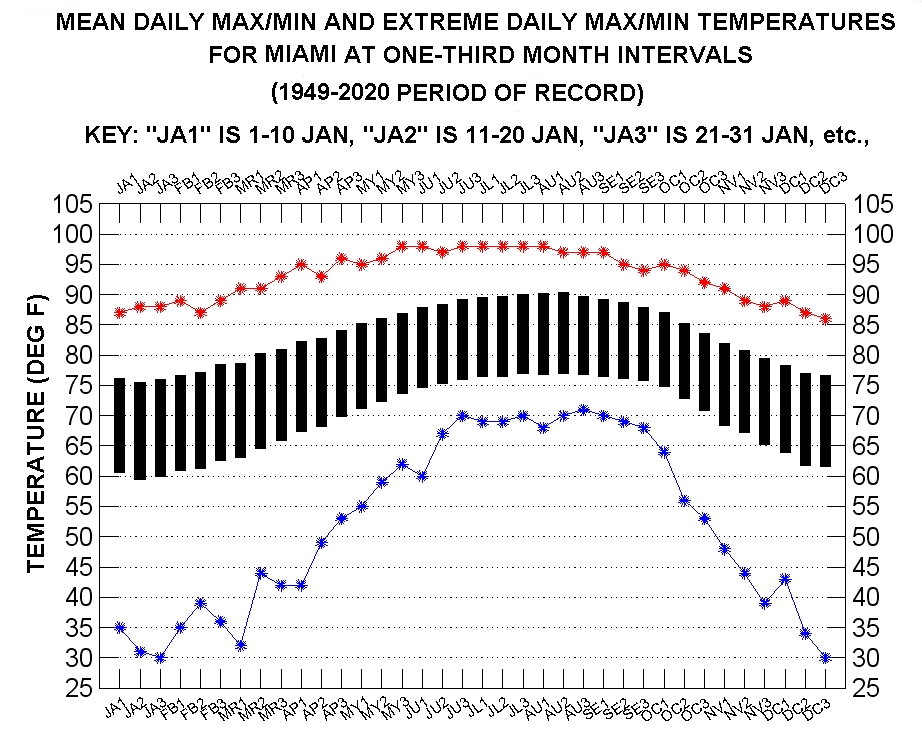
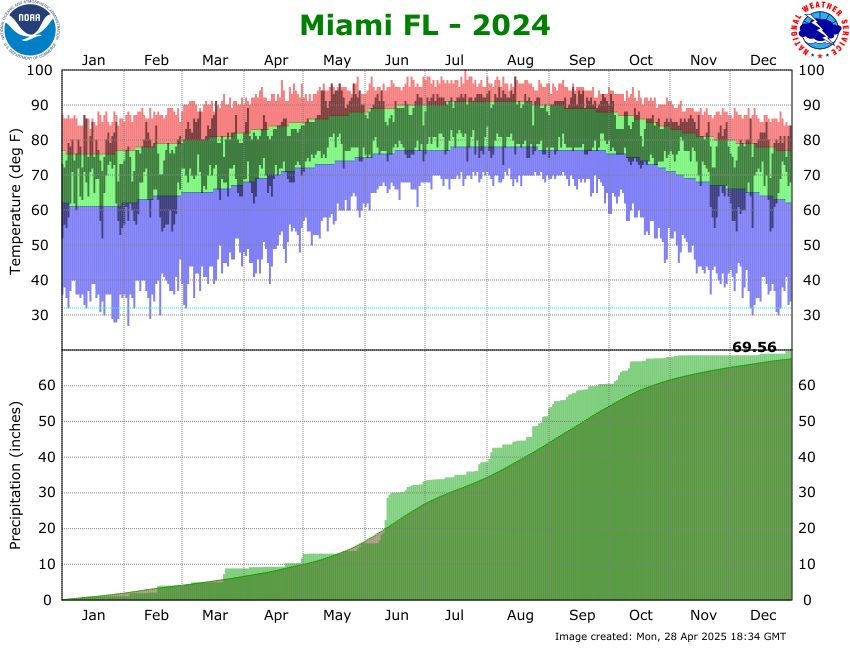
Miami officially falls under a tropical monsoon climate, specifically a humid subtropical variant, according to climate classifications. This classification points to consistently high temperatures throughout the year, ample sunshine, and a pronounced wet season. The influence of the nearby Atlantic Ocean and the Gulf Stream plays a significant role, moderating extreme temperatures and contributing to the humidity. Unlike many other global destinations that experience four distinct seasons, Miami primarily oscillates between a warm, wet season and a warm, dry season. This means that even in its “cooler” months, the temperatures remain exceedingly pleasant, often hovering in the 70s°F (20s°C), while the warmer months see averages consistently in the high 80s°F (30s°C) with significant humidity. This stable warmth is a key draw for travelers seeking a reliable dose of sunshine and agreeable conditions, whether for a quick getaway or an extended stay.
Seasonal Variations (or Lack Thereof)
While Miami doesn’t experience the dramatic seasonal shifts common in temperate zones, there are noticeable differences that impact travel planning. The “winter” months, typically from December to May, are often considered the prime travel season. During this period, temperatures are exceptionally comfortable, humidity is lower, and rainfall is minimal. Days are bright and breezy, perfect for beach activities, exploring outdoor markets, or enjoying al fresco dining.
Conversely, Miami’s “summer” (June to November) ushers in higher temperatures, intense humidity, and the region’s rainy season. Afternoon thunderstorms are common, often brief but intense, providing a refreshing break from the heat. This period also coincides with hurricane season, which requires travelers to stay informed about weather advisories. Despite the humidity and rain, summer in Miami has its own charm: lush landscapes, fewer crowds, and often better deals on accommodations and flights. It’s also when the ocean temperatures are at their warmest, making for incredibly inviting swims. Understanding these subtle seasonal nuances allows travelers to prepare effectively and tailor their itineraries to the prevailing conditions.
Beyond the Thermometer: How Miami’s Weather Shapes Your Travel Experience
Knowing the average temperature is just the starting point; truly understanding Miami’s climate involves recognizing its practical implications for your travel plans. From the contents of your luggage to the timing of your excursions, the weather profoundly influences how you experience this dynamic city.
Packing Smart for Paradise
Given Miami’s year-round warmth, a smart packing strategy is essential. Lightweight, breathable fabrics like cotton, linen, and moisture-wicking materials are your best friends. Swimwear is a non-negotiable item, as are sunglasses, a wide-brimmed hat, and high-SPF sunscreen to protect against the strong Florida sun. Even during the cooler “winter” months, evenings can feel a bit breezy, especially near the ocean, so a light sweater, cardigan, or a stylish shawl is a practical addition. For the rainy season, a compact umbrella or a lightweight rain jacket can be invaluable for navigating unexpected downpours. Comfortable walking shoes are a must, particularly if you plan to explore neighborhoods like South Beach’s Art Deco Historic District or the vibrant streets of Wynwood. Remember, casual chic is the prevailing fashion ethos in Miami, so focus on versatile pieces that can transition from beach to dinner.
Embracing Outdoor Adventures
Miami’s climate is tailor-made for outdoor pursuits, making it a playground for adventure seekers and sun worshippers alike. The inviting temperatures mean that beach days are almost always on the agenda, whether you’re lounging on the iconic sands of South Beach or strolling through Lummus Park. Water sports thrive here, from paddleboarding and kayaking in the calm waters of Biscayne Bay to jet-skiing and parasailing along the coast. Beyond the immediate city, the climate enables exploration of unique natural wonders. A short drive west leads to the unparalleled ecosystem of Everglades National Park, where airboat tours offer thrilling encounters with wildlife. Even urban green spaces, such as Bayfront Park or the Fairchild Tropical Botanic Garden, provide lush, comfortable environments for leisurely walks and outdoor events, showcasing Miami’s commitment to blending urbanity with nature.
Navigating Miami’s Humidity and Sun
While the warmth is a major draw, Miami’s intense sun and often high humidity require some strategic planning. Hydration is paramount; always carry water, especially when engaging in outdoor activities. Seek shade during the peak sun hours, typically between 10 AM and 4 PM, and consider planning more strenuous activities for the early morning or late afternoon. Many Miami attractions, such as the Pérez Art Museum Miami (PAMM) or the Phillip and Patricia Frost Museum of Science, offer air-conditioned retreats for midday breaks. Utilizing hotel pools or the refreshing ocean can also provide welcome relief from the heat. Embrace the local custom of a leisurely afternoon break, perhaps with a refreshing Cuban coffee or a cold drink, allowing you to recharge before enjoying Miami’s vibrant evening scene.
When to Visit: Optimizing Your Miami Travel Dates
The “best” time to visit Miami largely depends on your priorities, whether you’re seeking perfect weather, fewer crowds, or better value. Each season offers a distinct flavor of the city, and understanding these differences is key to planning your ideal trip.
Peak Season Perks (and Prices)
Miami’s peak travel season runs from roughly December through May. During these months, the weather is often described as ideal: warm, dry, and less humid, with average temperatures ranging from the low 70s to low 80s°F (22-28°C). This period avoids the intense heat and humidity of summer, making it perfect for exploring outdoors, enjoying the beaches, and attending a plethora of festivals and events, such as the renowned Art Basel Miami Beach or the South Beach Wine & Food Festival. The comfortable climate attracts a larger influx of tourists, leading to higher prices for flights and accommodations, as well as more crowded attractions and restaurants. For those who prioritize perfect weather and a bustling atmosphere, the peak season is undeniably the prime time to experience Miami at its vibrant best, making advance bookings essential.
Summer’s Charms (and Challenges)
The period from June to November marks Miami’s off-peak or “summer” season. Temperatures are consistently hot, often in the high 80s°F (30s°C), accompanied by high humidity. This is also the rainy season, characterized by frequent, often heavy, afternoon thunderstorms that typically clear quickly, leaving behind a steamy atmosphere. Importantly, this period also coincides with the Atlantic hurricane season, from June 1st to November 30th, necessitating awareness and flexibility in travel plans.
Despite these challenges, summer in Miami offers compelling advantages. The lower demand means significantly fewer crowds, allowing for a more relaxed experience at popular attractions and a better chance to snag prime spots on the beach. Travelers can often find excellent deals on hotels and flights, making it a more budget-friendly option. The ocean water is incredibly warm, ideal for swimming and water sports. Furthermore, Miami’s indoor attractions, such as its world-class museums and vibrant shopping districts, provide cool, comfortable alternatives during the hottest or wettest parts of the day. For those willing to embrace the heat and occasional rain, summer reveals a different, more laid-back side of Miami, often with a lively local vibe.
Practical Tips for a Seamless Miami Stay
Beyond understanding the climate, implementing practical strategies will enhance your Miami travel experience, ensuring comfort and enjoyment regardless of the daily forecast.
Staying Hydrated and Sun-Safe
This cannot be stressed enough: the Florida sun is powerful, and dehydration can quickly impact your enjoyment. Always carry a reusable water bottle and refill it frequently. Many establishments offer water, and there are public water fountains available. Generously apply broad-spectrum sunscreen with an SPF of 30 or higher, and reapply it every two hours, or more often if swimming or sweating. Protective clothing, such as rash guards, wide-brimmed hats, and UV-blocking sunglasses, adds another layer of defense. For prolonged sun exposure, consider seeking shade under umbrellas or awnings, or plan your activities to avoid the harshest midday rays. Prioritizing sun safety allows you to enjoy Miami’s outdoor splendor responsibly.
Weather-Proofing Your Itinerary
While Miami boasts consistent warmth, being flexible with your itinerary is a smart approach, especially during the rainy season. Keep an eye on local weather forecasts, which are highly accurate and can help you adjust plans on the fly. If an afternoon thunderstorm is predicted, consider visiting an indoor attraction like the Vizcaya Museum & Gardens, or exploring the vibrant shops and galleries of Lincoln Road Mall or Brickell City Centre. Having backup indoor activities or being open to shifting beach time to mornings can make all the difference. Miami offers a wealth of diverse experiences, so a little adaptability ensures that no matter what the sky holds, your day remains full of opportunities for enjoyment.
Understanding Miami’s Microclimates
While the city generally shares a similar climate, subtle microclimates can exist. Coastal areas, particularly Miami Beach, often benefit from cooling ocean breezes that can make the intense heat feel slightly more bearable compared to inland areas. These breezes can also lead to slight temperature variations and influence humidity levels. When checking the forecast, it’s beneficial to specify your exact location within the broader Miami metropolitan area (e.g., South Beach vs. Coral Gables vs. Doral) for the most accurate local conditions. Understanding these minor distinctions can help you choose the best time and location for specific activities, enhancing your overall comfort and enjoyment during your Miami travels.
In conclusion, while the specific temperature in Miami today is a dynamic figure, the overarching theme is one of warmth and sunshine. This iconic city’s climate is its defining characteristic, enabling an unparalleled range of outdoor activities and creating a perpetually inviting atmosphere. By understanding its subtropical nuances, packing wisely, and planning your itinerary with a touch of flexibility, you’re not just visiting Miami; you’re immersing yourself in an experience that is perfectly attuned to its sun-drenched, vibrant nature, ensuring a truly memorable journey.
LifeOutOfTheBox is a participant in the Amazon Services LLC Associates Program, an affiliate advertising program designed to provide a means for sites to earn advertising fees by advertising and linking to Amazon.com. Amazon, the Amazon logo, AmazonSupply, and the AmazonSupply logo are trademarks of Amazon.com, Inc. or its affiliates. As an Amazon Associate we earn affiliate commissions from qualifying purchases.