
The summer of 2010 marked a pivotal moment in sports history, an event so significant it transcended the realm of basketball and profoundly impacted the lifestyle and global perception of an entire city. On July 8, 2010, LeBron James, then the most sought-after free agent in the National Basketball Association, announced his decision to leave the Cleveland Cavaliers and join the Miami Heat. This move, famously dubbed “The Decision,” was more than just a roster change for a sports franchise; it was a catalyst that reshaped Miami‘s identity, amplifying its status as a vibrant lifestyle destination, drawing in a new wave of visitors eager to immerse themselves in the burgeoning energy of a championship-caliber city. For four electrifying years, LeBron James’s presence redefined the city’s allure, turning it into a beacon for sports enthusiasts, celebrities, and luxury travelers alike. This era illustrates perfectly how major cultural and sporting events can intricately weave into the fabric of a city’s lifestyle, creating an experience far richer than mere tourism.
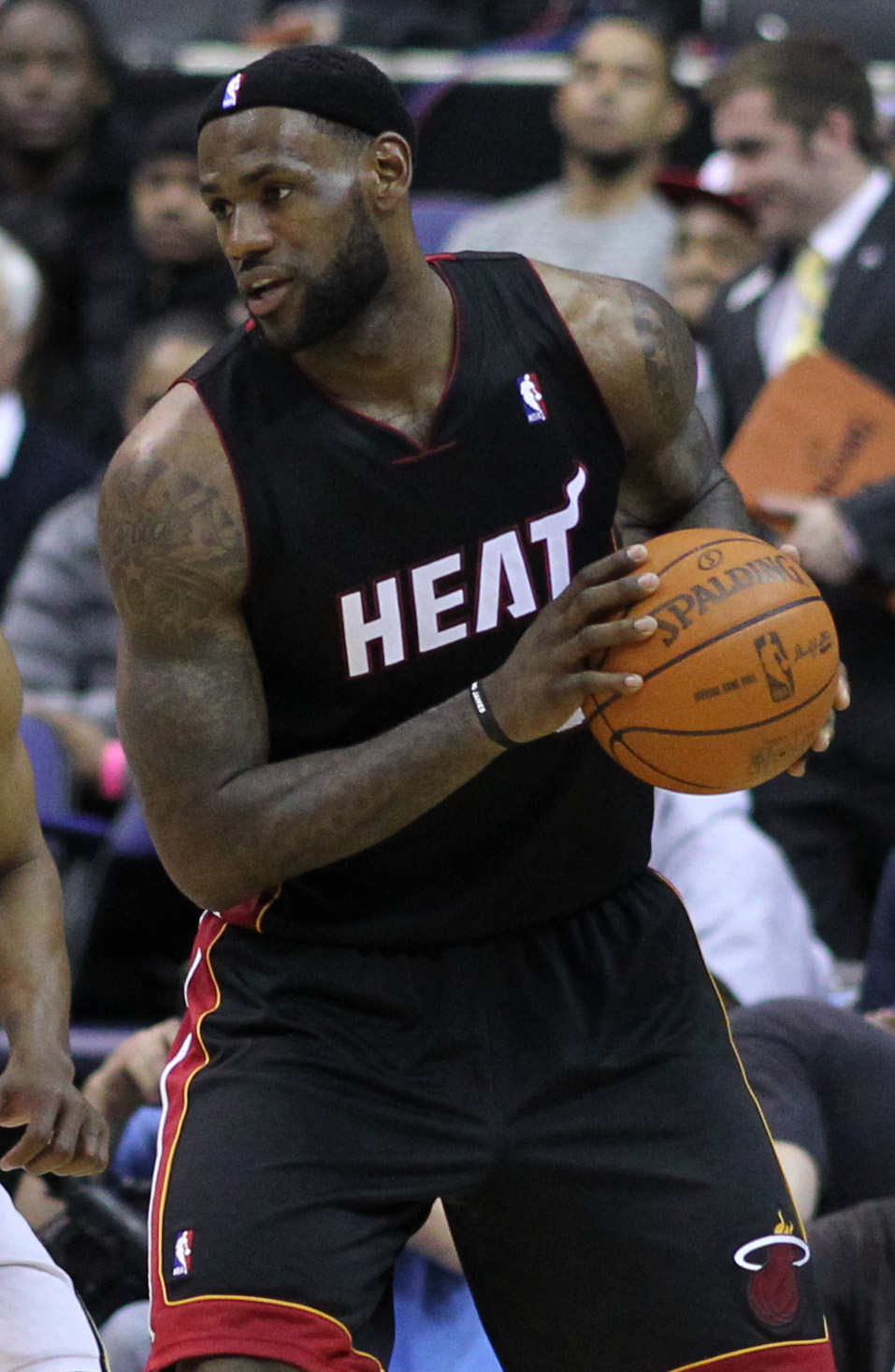
The Decision That Reshaped a City’s Vibe
Before “The Decision,” Miami was already a globally recognized hotspot, synonymous with sun-kissed beaches, pulsating nightlife, and Art Deco architecture. However, the arrival of LeBron James ignited a new, palpable energy that infused every aspect of the city’s character, transforming it from a beautiful destination into an unparalleled hub of sports, celebrity, and high-octane excitement.
Miami Before LeBron
Prior to 2010, Miami had carved out a distinct reputation. It was a playground for the rich and famous, a melting pot of Latin American cultures, and a haven for those seeking a luxurious escape. Iconic areas like South Beach were synonymous with glamorous resorts, world-class dining, and an endless party scene. The city’s sporting landscape certainly existed, with the Miami Heat having won a championship in 2006, and the Miami Dolphins and Florida Marlins (now Miami Marlins) adding to its athletic resume. Yet, the city’s primary draw for visitors remained its intrinsic leisure and entertainment offerings. Sports were an element, but not the dominant lifestyle force that would soon emerge. The city was fashionable, vibrant, and alluring, but a certain global intensity and expectation for sustained dominance were still nascent.
The Arrival: July 8, 2010
The moment LeBron James uttered the words “I’m going to take my talents to South Beach and join the Miami Heat” on national television, an immediate and dramatic shift occurred. It wasn’t just a sports announcement; it was a cultural earthquake. Overnight, Miami became the epicenter of the basketball universe. The buzz was electrifying, creating a pervasive sense of anticipation and excitement throughout the city. This wasn’t merely about adding a talented player; it was about forming a “Big Three” with fellow superstars Dwyane Wade and Chris Bosh, promising an era of unparalleled success. This influx of celebrity and concentrated talent injected an entirely new level of swagger and confidence into Miami’s already vibrant persona, making it an even more magnetic destination for those seeking to be at the heart of where things were happening.
Miami Heat’s Golden Era: A Lifestyle Phenomenon
The four years LeBron James spent with the Miami Heat (2010-2014) were nothing short of a golden era, not just for the team, but for Miami as a premier lifestyle destination. The “Heatles” phenomenon transformed the city’s social and economic landscape, creating a unique blend of sports, celebrity, and luxury that captivated global attention.
The Heatles Effect: Sports, Celebrity, and Culture Collide
The fusion of LeBron James, Dwyane Wade, and Chris Bosh created an unstoppable force on the court and an unprecedented cultural phenomenon off it. Suddenly, every Miami Heat game became a star-studded event, attracting an array of celebrities, musicians, and public figures to the Kaseya Center (then the American Airlines Arena). This celebrity magnet effect spilled over into the city’s restaurants, nightclubs, and luxury hotels. Areas like Brickell and South Beach witnessed an even greater surge in their already thriving social scenes, with an added layer of sports-driven glamour. The casual Miami chic was now infused with a competitive edge and a palpable sense of being at the forefront of global entertainment. This period saw the culture of sports seamlessly merge with the city’s existing luxury lifestyle, creating a unique synergy that appealed to a diverse demographic of affluent travelers and lifestyle connoisseurs.
Elevated Experiences for the Traveler

For travelers, the LeBron James era transformed attending a sporting event into a quintessential Miami lifestyle experience. It wasn’t just about watching a game; it was about participating in a high-status social ritual. Travel agencies and luxury concierge services began offering exclusive packages that combined prime game tickets with VIP access to after-parties, reservations at top-tier restaurants, and stays in opulent suites overlooking Biscayne Bay. The demand for private jets, luxury car services, and exclusive club access soared, as visitors sought to fully immerse themselves in the high-stakes, high-glamour atmosphere that defined this era. The city’s existing infrastructure for luxury tourism perfectly complemented the new demands generated by the “Heatles,” making Miami an even more compelling destination for those seeking an elevated and dynamic travel lifestyle.
Beyond the Court: LeBron’s Legacy on Miami’s Appeal
While LeBron James’s tenure in Miami was relatively short, his impact extended far beyond the four championship appearances and two NBA titles. His presence solidified Miami’s reputation as a magnet for global attention, leaving an enduring legacy on its urban identity and appeal as a destination for sports tourism and dynamic lifestyle experiences.
A Magnet for Global Attention
The “Heatles” years put Miami under an intense global spotlight. News channels, sports media, and lifestyle magazines worldwide focused on the team’s every move, inadvertently showcasing Miami’s vibrant culture, stunning landscapes, and bustling social scene. This sustained, high-profile exposure elevated the city’s visibility and brand recognition to unprecedented levels. Miami was no longer just a holiday destination; it was a cultural nexus where elite sports, entertainment, and luxury lifestyle converged. This attracted not only sports fans but also a diverse array of visitors interested in the city’s dynamic energy, its burgeoning art scene, and its reputation as a hub for innovation and trendsetting. The narrative of LeBron James chasing championships became inextricably linked with the narrative of Miami as a city of ambition and success.
Enduring Impact on Sports Tourism and Urban Identity
Even after LeBron James’ departure in 2014, the benchmark he set for excellence and the blueprint he established for sports-infused urban lifestyle endured. The Miami Heat remained a premier franchise, and the city continued to draw visitors eager to experience the electric atmosphere that had become its hallmark. The “Heatles” era cemented Miami’s place as a top-tier sports tourism destination, where world-class athletic events are seamlessly integrated into a luxurious and entertaining urban experience. The city’s identity was permanently enriched, proving that a sports team’s success, particularly when spearheaded by a global icon, can significantly elevate a city’s overall lifestyle appeal, attracting a steady stream of travelers seeking more than just a vacation—they seek an experience steeped in excitement, glamour, and competitive spirit.
Planning Your Miami Lifestyle Experience
For those inspired by the allure of LeBron James’s Miami era and wishing to immerse themselves in the city’s unique blend of sports and luxury, planning your visit offers myriad opportunities to embrace this dynamic lifestyle.
Immersing in the Miami Sports Scene
A trip to Miami during basketball season is incomplete without experiencing a Miami Heat game at the state-of-the-art Kaseya Center. The arena itself is a destination, offering premium seating, exclusive club access, and a vibrant atmosphere that continues the legacy of the “Heatles” years. For a more casual yet equally enthusiastic experience, numerous sports bars and gastropubs across the city, particularly in Mary Brickell Village and Wynwood, offer fantastic environments to catch a game, complete with gourmet food and craft cocktails. Checking the Miami Heat schedule in advance and booking tickets for a key matchup can elevate your entire trip into a memorable lifestyle event.

Embracing Miami’s Dynamic Lifestyle
Beyond the courtside action, Miami invites you to delve into its broader luxury lifestyle. Complement your sports experience with fine dining at establishments known for their celebrity clientele, exclusive shopping sprees in the Design District, or relaxing days at upscale spa resorts. Explore the art galleries of Wynwood, or take a yacht cruise along the coastline to truly appreciate the city’s opulent charm. The key to a fulfilling Miami lifestyle experience is to seamlessly integrate its various facets—sports, luxury, culture, and nightlife—to create a bespoke journey that caters to your desire for excitement and sophistication.
In conclusion, LeBron James joined the Miami Heat on July 8, 2010, initiating an era that transcended sports. His arrival was not merely a transaction but a transformative moment that profoundly influenced Miami’s lifestyle and global appeal. It cemented the city’s status as a dynamic destination where world-class sports converge with luxury living, vibrant culture, and unparalleled excitement, continuing to draw travelers seeking an energetic blend of all that the ultimate Miami lifestyle has to offer.
LifeOutOfTheBox is a participant in the Amazon Services LLC Associates Program, an affiliate advertising program designed to provide a means for sites to earn advertising fees by advertising and linking to Amazon.com. Amazon, the Amazon logo, AmazonSupply, and the AmazonSupply logo are trademarks of Amazon.com, Inc. or its affiliates. As an Amazon Associate we earn affiliate commissions from qualifying purchases.