
Florida, often dubbed the Sunshine State, holds an undeniable allure for millions. From its pristine beaches and vibrant cities to its world-famous attractions, it’s a destination that consistently captivates tourists and beckons potential residents. But beyond the postcard-perfect images and vacation highlights, the question remains: Is Florida truly a good place to live? This isn’t a simple yes or no answer; rather, it’s a nuanced exploration of lifestyle, climate, culture, and economics.
For many, the idea of permanent sunshine, year-round outdoor activities, and a relaxed pace of life is incredibly appealing. For others, concerns about hurricane season, the cost of living, or population density might temper their enthusiasm. This comprehensive guide delves into the various facets of life in Florida, drawing from the perspectives of travel, tourism, accommodation, and lifestyle, to help you determine if this diverse state aligns with your vision of a good place to call home.
The Allure of the Sunshine State: What Makes Florida Desirable?
Florida’s reputation as a paradise is well-earned, built upon a foundation of natural beauty, endless entertainment, and a unique cultural tapestry. These elements contribute significantly to its desirability as a place to live, offering a lifestyle that many find irresistible.
Unparalleled Natural Beauty and Outdoor Activities
One of the most compelling reasons to consider living in Florida is its stunning natural landscape. The state boasts thousands of miles of coastline, featuring some of the world’s most beautiful beaches. Imagine waking up to the gentle sounds of waves and having easy access to stretches of soft, white sand like Clearwater Beach, consistently ranked among the best in the United States, or the iconic shores of Miami Beach with its Art Deco backdrop. On the Gulf Coast, Siesta Key Beach offers powdery quartz sand that stays cool even on the hottest days.
Beyond the beaches, Florida is a haven for outdoor enthusiasts. The unique ecosystems of Everglades National Park provide opportunities for airboat tours, wildlife viewing (including alligators and a diverse bird population), and exploring untouched wilderness. The enchanting Florida Keys, a coral cay archipelago, is perfect for snorkeling, diving, fishing, and boating, offering a distinctly laid-back island lifestyle. Freshwater springs, such as those found in Silver Springs State Park, provide crystal-clear waters perfect for swimming, kayaking, and paddleboarding, often alongside manatees.

The year-round warm weather enables a constant engagement with nature. Golf courses are abundant, catering to all skill levels. Fishing, whether deep-sea in the Atlantic Ocean or fly-fishing in the Gulf of Mexico, is a popular pastime. Cycling trails, nature preserves, and state parks are scattered throughout, ensuring that outdoor adventure is always just a short drive away. This constant access to nature and outdoor recreation significantly enhances the quality of life for residents, promoting an active and healthy lifestyle.
A Hub for World-Class Attractions and Entertainment
Florida is synonymous with entertainment, and living here means having unparalleled access to some of the world’s most famous attractions. Orlando, in particular, is a global epicenter for theme parks. Residents can enjoy the magic of Walt Disney World Resort or experience the thrilling rides and cinematic adventures at Universal Orlando Resort. Other major attractions include the animal encounters and rollercoasters of Busch Gardens Tampa Bay and the marine life wonders at SeaWorld Orlando. These parks offer not just entertainment but also significant employment opportunities and contribute to a vibrant local economy.
Beyond theme parks, Florida offers a diverse range of entertainment options. The Kennedy Space Center Visitor Complex on the Space Coast provides an inspiring glimpse into space exploration. Major cities like Miami, Tampa, and Fort Lauderdale boast thriving arts scenes, live music venues, professional sports teams (NFL, NBA, NHL, MLB), and a bustling nightlife. From high-energy dance clubs to intimate jazz lounges, there’s entertainment for every taste. For families, the sheer volume of attractions means endless possibilities for weekend outings and memorable experiences.
Diverse Culinary and Cultural Experiences
Florida’s melting pot of cultures is beautifully reflected in its culinary scene and vibrant communities. The state’s proximity to the Caribbean and Latin America, especially in South Florida, has created a rich tapestry of flavors. Residents can savor authentic Cuban cuisine in Miami’s Little Havana, indulge in fresh seafood caught daily off the coast, or explore innovative farm-to-table restaurants that highlight local produce. Food festivals and farmers’ markets are common occurrences, celebrating everything from citrus fruits to stone crabs.
Culturally, Florida is equally diverse. Historic cities like St. Augustine, the oldest continuously inhabited European-established settlement in the United States, offer a deep dive into centuries of history, complete with cobblestone streets, ancient forts, and charming architecture. Miami is a global cultural hub, with its Wynwood Walls showcasing vibrant street art, numerous art galleries, and a strong international influence. The state hosts countless festivals, ranging from music and film to art and food, fostering a dynamic and engaging environment for residents. This blend of international influences and historical roots creates a fascinating cultural landscape that enriches daily life.
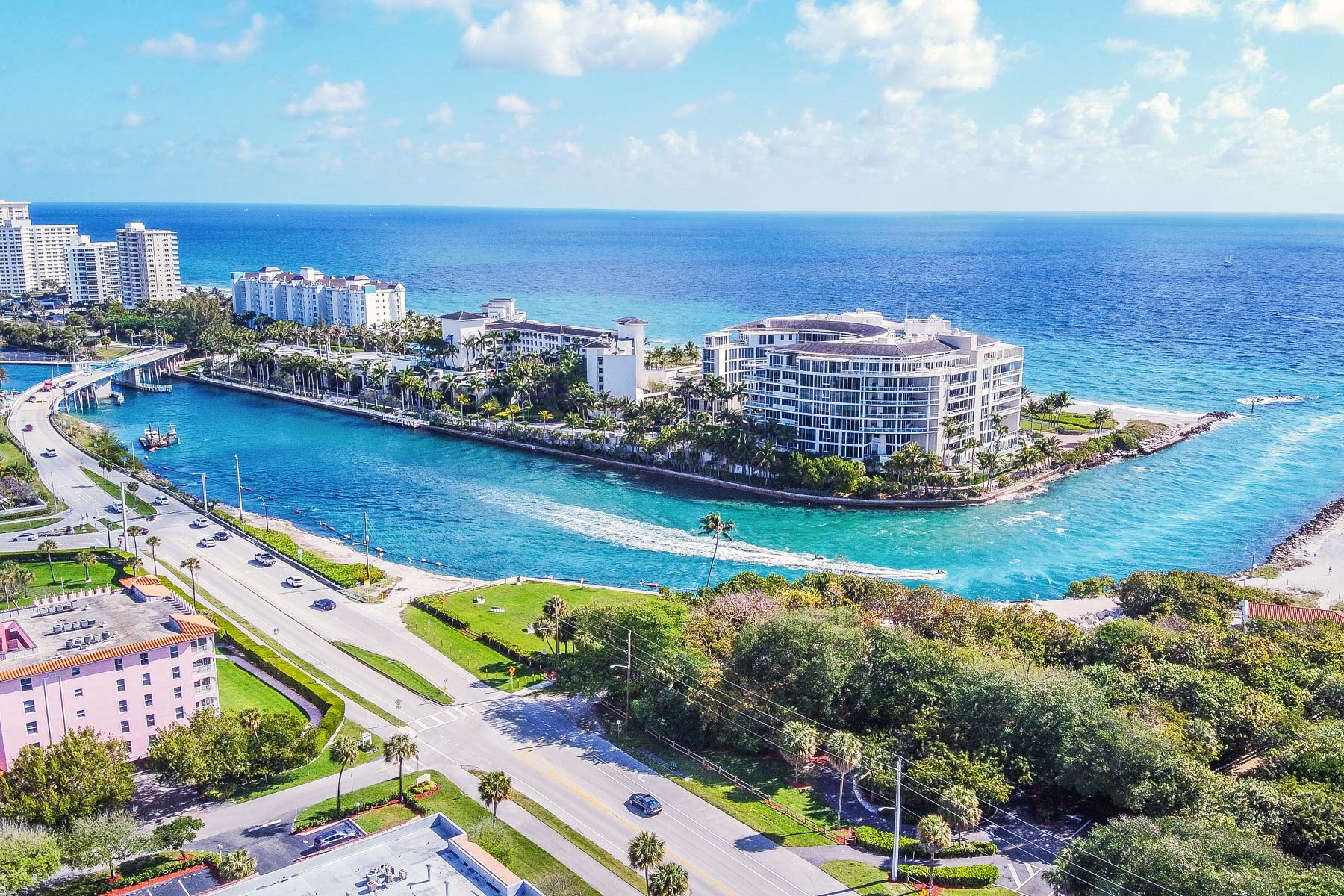
Favorable Economic Climate and Lifestyle Opportunities
One of the most significant financial advantages of living in Florida is the absence of a state income tax. This means residents keep more of their earnings, which can be a substantial benefit, especially for those relocating from states with high income taxes. The job market in Florida is also robust and growing, particularly in sectors such as tourism, hospitality, healthcare, aerospace, logistics, and technology. Major companies are increasingly choosing to establish or expand their operations in Florida, creating new employment opportunities.
For retirees, Florida has long been a top choice, and for good reason. The warm climate, active lifestyle, and tax benefits make it an ideal place to enjoy post-career life. The state offers numerous active adult communities, such as The Villages, designed to cater to a senior demographic with amenities like golf courses, clubhouses, and social activities. Beyond retirement, the state’s entrepreneurial spirit and growing tech hubs in cities like Tampa and Orlando also present opportunities for business owners and innovators. The overall lifestyle promotes activity and community engagement, offering a high quality of life for many different demographics.

Navigating the Challenges: Considerations for Florida Living
While Florida offers many attractions, it’s crucial to approach the decision to move there with a clear understanding of the potential challenges. No place is perfect, and the Sunshine State has its share of considerations that prospective residents should weigh carefully.
Cost of Living and Housing Market Dynamics
Despite the absence of state income tax, the overall cost of living in Florida can be surprisingly high, particularly in popular metropolitan areas and coastal regions. The demand for housing has driven up home prices in cities like Miami, Orlando, Tampa, Naples, and Sarasota. While more affordable options can be found in less densely populated areas, these often come with longer commutes to job centers or fewer amenities. Rent, especially in tourist-heavy zones, can also be steep.
A significant factor in the cost of living is insurance. Homeowner’s insurance, flood insurance, and hurricane insurance are often essential and can be quite expensive, reflecting the state’s vulnerability to tropical storms. Property taxes, while not excessively high in comparison to some other states, can still be a substantial expense, varying by county and property value. Utilities, particularly air conditioning during the long summer months, can also add up. Prospective residents should thoroughly research the cost of living in their desired areas, considering all these factors, not just housing prices.
Environmental Factors and Climate Concerns
Florida’s beautiful tropical climate comes with its own set of environmental challenges. The most significant is hurricane season, which runs from June 1st to November 30th. While modern building codes and preparedness efforts have vastly improved safety, residents must be aware of the risks, understand evacuation procedures, and be prepared for potential power outages and property damage. Living in Florida means accepting this annual reality and taking necessary precautions.
Beyond hurricanes, the state experiences long, hot, and humid summers. Temperatures regularly soar into the 90s (Fahrenheit), coupled with high humidity, which can be uncomfortable for those not accustomed to it. This dictates a lifestyle largely centered around air conditioning and indoor activities during the hottest parts of the day. For outdoor enthusiasts, early mornings and evenings become prime time for activities.
Wildlife, while fascinating, can also pose challenges. Alligators are common in freshwater bodies, and various insects, including mosquitoes, thrive in the humid climate. Learning to coexist with these elements is part of living in Florida. Additionally, environmental concerns like red tide and algae blooms can sometimes affect coastal waters, impacting marine life and beach activities.
Traffic and Population Density
Florida is one of the fastest-growing states in the United States, and this rapid population influx, combined with a steady stream of tourists, can lead to significant traffic congestion, especially in major metropolitan areas like Miami, Orlando, and Tampa. Commutes can be lengthy, and navigating popular tourist zones requires patience. Infrastructure is constantly being updated, but it often struggles to keep pace with growth.
High population density also means crowded attractions, restaurants, and public spaces, particularly during peak tourist seasons or holidays. While there are quieter pockets and charming small towns, those seeking a truly secluded and tranquil environment might find the constant hustle and bustle of Florida‘s most popular areas challenging. This is particularly noticeable along the coasts and in Central Florida, where the major theme parks draw millions annually.
Lifestyle and Community: Finding Your Niche in Florida
Florida’s diverse geography and population mean that “living in Florida” is not a monolithic experience. The state offers a wide spectrum of lifestyles, from bustling urban centers to tranquil beach towns and sprawling retirement communities. Understanding these distinctions is key to finding a place that truly feels like home.
Family-Friendly Environments
For families, Florida offers a wealth of opportunities. Beyond the obvious appeal of theme parks, many communities are designed with families in mind, featuring excellent public parks, recreational sports leagues, and a variety of family-oriented events. While the public education system can vary significantly by district, many areas boast highly-rated schools, particularly in suburbs like Winter Park near Orlando, or Wellington in Palm Beach County.
The warm weather facilitates year-round outdoor play, and access to beaches, springs, and nature trails means children have ample opportunities to explore and stay active. Many residential communities feature amenities like pools, playgrounds, and clubhouses, fostering a strong sense of community among families. Weekend excursions to zoos, aquariums, and children’s museums are popular, ensuring that boredom is rarely an issue.
Retirement Havens and Active Adult Communities
Florida remains the undisputed champion for retirees seeking an active and fulfilling post-career life. Communities like The Villages exemplify this, offering a vast array of activities, from golf and tennis to pickleball and social clubs, all within a golf-cart-friendly environment. Cities such as Naples and Sarasota on the Gulf Coast are renowned for their upscale retirement living, pristine beaches, cultural institutions, and world-class healthcare facilities.
These areas cater specifically to the needs and interests of seniors, providing accessible amenities, a strong social network, and a slower pace of life than the bustling tourist centers. Many retirees are drawn to the low-maintenance living options, vibrant social calendars, and the opportunity to remain active and engaged throughout their golden years. The state’s favorable tax environment further enhances its appeal for those living on fixed incomes.
Urban Sophistication vs. Laid-back Coastal Living
The lifestyle in Florida can vary dramatically depending on your chosen location. For those who thrive in a fast-paced, cosmopolitan environment, cities like Miami offer a truly international experience. Areas like Brickell boast a skyline of towering condos, high-end dining, luxury shopping, and a vibrant nightlife scene, reminiscent of New York or Los Angeles but with a distinct Latin flair and tropical backdrop. Orlando offers a growing downtown area with diverse culinary experiences, entertainment, and a burgeoning tech industry. Jacksonville in North Florida combines a large metropolitan area with coastal access and a more traditional Southern charm.
Conversely, for those seeking a more relaxed, beach-centric existence, Florida has countless charming coastal towns. From the historic ambiance of St. Augustine to the artistic vibe of St. Pete Beach, the laid-back island culture of Key West, or the family-friendly shores of Anna Maria Island and Destin in the Panhandle, there are options for every preference. These communities typically offer a slower pace, abundant water activities, and a strong local identity centered around the ocean. Before making a move, visiting various regions is crucial to experience their unique atmospheres firsthand and determine which lifestyle best suits your personal preferences.
Accommodation and Relocation: Making the Move
Relocating to Florida involves navigating its dynamic real estate market and understanding the various accommodation options available, whether for a temporary stay or a long-term residence.
Understanding the Real Estate Market
The Florida real estate market is incredibly diverse, offering everything from quaint single-family homes in suburban neighborhoods to luxurious waterfront condos and sprawling estates. Popular areas often see competitive markets, with properties selling quickly. Prospective buyers should be aware of the different types of properties available, including traditional houses, townhouses, and condominiums, each with its own advantages and potential homeowner’s association (HOA) fees.
Working with a knowledgeable local real estate agent is highly recommended to navigate the nuances of the market, understand regional price variations, and identify neighborhoods that align with your lifestyle and budget. Beyond the purchase price, it’s essential to factor in property taxes, insurance costs (especially for flood and hurricane coverage), and potential HOA or community development district (CDD) fees, which can significantly impact the overall cost of homeownership. For those seeking long-term accommodation without immediate homeownership, the rental market is also robust, though competitive in high-demand areas.
Short-Term vs. Long-Term Stay Options
Before making a permanent move, many advise a “test run” in Florida. This can involve a short-term stay to experience life in different areas during various seasons. Options for short-term accommodation include booking traditional hotels and resorts, which offer a wide range of amenities from pools and gyms to dining and entertainment. For a more immersive experience, vacation rentals through platforms like Airbnb or VRBO allow visitors to stay in residential settings, offering a taste of what daily life might be like in a specific neighborhood.
For those ready to commit to a longer stay, renting an apartment or house is a common first step. This provides flexibility while you get acquainted with the local area, explore job opportunities, and decide on a more permanent location. Many apartment complexes in Florida offer resort-style amenities, blurring the lines between vacation and daily living. Understanding the booking process, lease agreements, and local rental regulations is crucial for a smooth transition, ensuring that your accommodation meets both your immediate and long-term needs.
Final Verdict: Is Florida Right for You?
So, is Florida a good place to live? For many, the answer is a resounding yes. The promise of sunshine, beaches, world-class entertainment, and a tax-friendly environment makes it an undeniably attractive proposition. It’s a state that caters to a wide demographic, from young professionals and growing families to active retirees and luxury travelers, offering a spectrum of experiences and lifestyles.
However, the “good” in “good place to live” is highly subjective. The challenges of a high cost of living in desirable areas, the annual threat of hurricanes, intense summer heat and humidity, and significant traffic congestion are real factors that must be considered. What one person perceives as an energetic urban environment, another might view as overcrowded and stressful.
Ultimately, whether Florida is the right place for you depends on your personal priorities, financial situation, and tolerance for its unique characteristics. If you thrive on outdoor activities, value diverse cultural experiences, and can navigate the practical challenges, the Sunshine State could very well be your ideal home. If you prefer four distinct seasons, a quieter pace, or a lower cost of living, then thorough research into specific cities or even other states might be more suitable.
To truly answer the question for yourself, consider visiting the areas you are interested in, ideally during different seasons, and experiencing daily life rather than just the tourist attractions. Engage with locals, explore neighborhoods, and spend time understanding the rhythm of life beyond the vacation glow. By doing so, you can make an informed decision and discover if the enchanting allure of Florida aligns with your aspirations for a fulfilling life.
LifeOutOfTheBox is a participant in the Amazon Services LLC Associates Program, an affiliate advertising program designed to provide a means for sites to earn advertising fees by advertising and linking to Amazon.com. Amazon, the Amazon logo, AmazonSupply, and the AmazonSupply logo are trademarks of Amazon.com, Inc. or its affiliates. As an Amazon Associate we earn affiliate commissions from qualifying purchases.