
Florida, often referred to as the Sunshine State, holds a unique and complex identity that extends far beyond its famous beaches and theme parks. While its vibrant tourism industry, diverse landscapes, and array of lifestyle options are universally appealing, understanding Florida’s political leanings has become a frequent topic of discussion. The simple question of whether Florida is a “Red State” or a “Blue State” belies a nuanced political history and a demographic tapestry that influences everything from local governance to statewide policies, which in turn can subtly shape the visitor experience.
For travelers, hoteliers, and those interested in the broader tourism ecosystem, the political label might seem peripheral. However, political shifts can impact everything from environmental regulations affecting natural attractions to the cultural climate of cities, funding for public services, and even the types of events and activities promoted. While Florida’s allure remains strong, a deeper dive into its political landscape provides a richer context for appreciating its multifaceted appeal and understanding the evolving character of its diverse communities. Historically a swing state, Florida has undergone significant transformations, particularly in recent years, solidifying its reputation in national politics while continuing to offer an unparalleled range of experiences for every type of traveler.
Understanding Florida’s Political Spectrum Through a Travel Lens
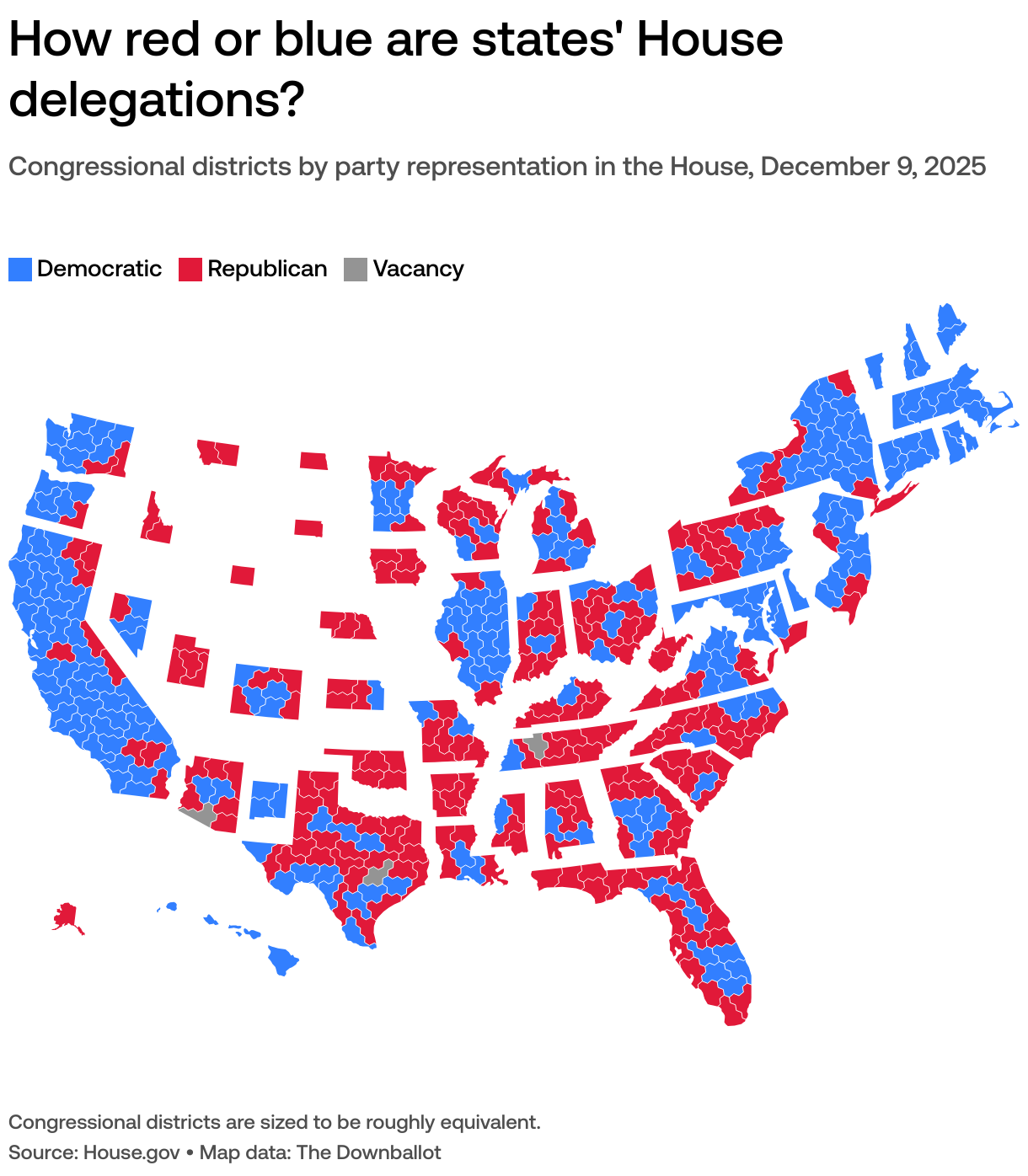
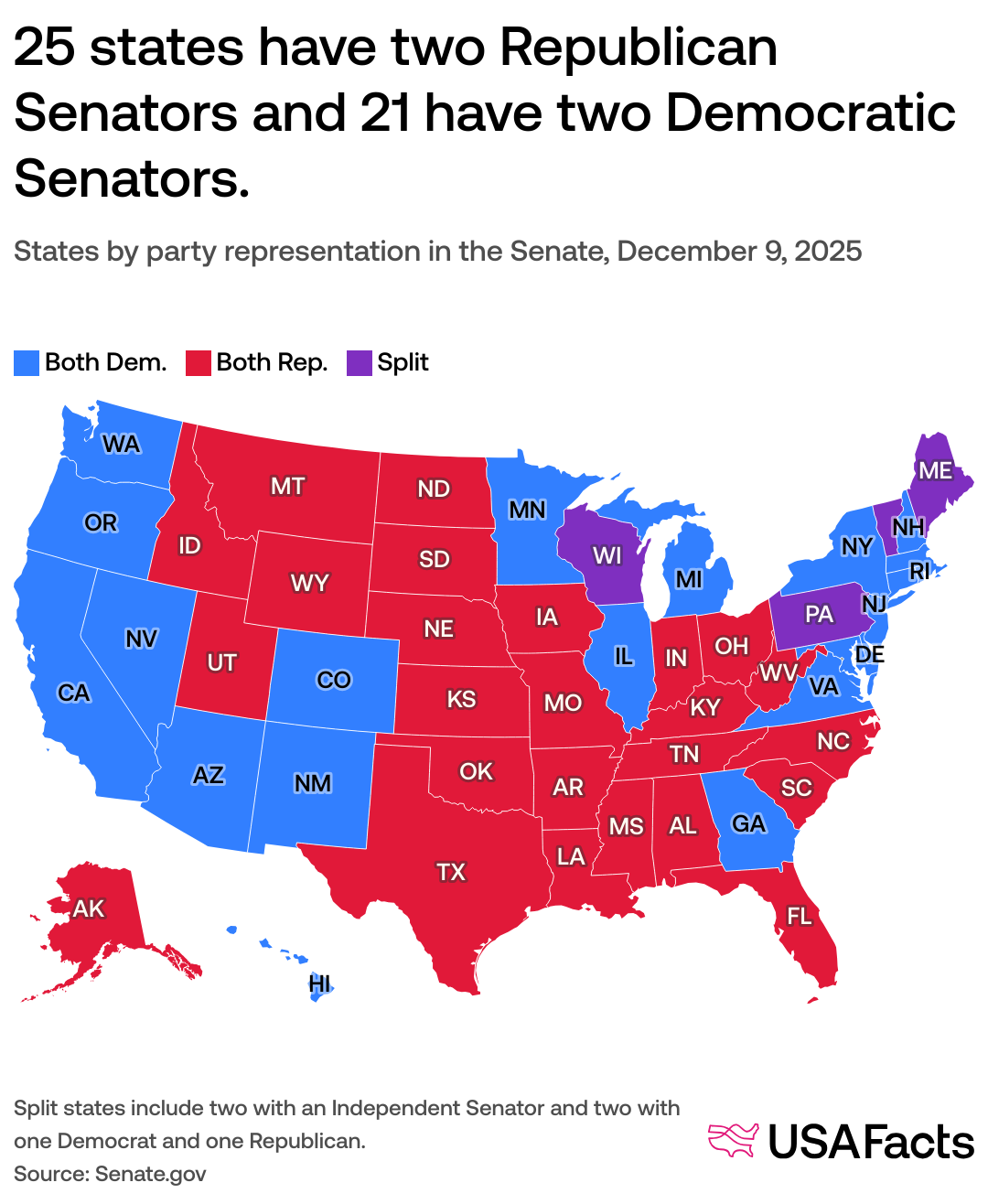
To truly grasp Florida’s political identity, one must look beyond simplistic labels and recognize the dynamic forces at play. For decades, Florida was the quintessential swing state, famously deciding presidential elections by razor-thin margins. This earned it a reputation as a bellwether for national sentiment, where both the Democratic Party and Republican Party invested heavily in campaigning. However, recent trends suggest a pronounced shift, with the state increasingly leaning towards the Republican side. This shift is not uniform across the entire state; rather, it reflects a complex interplay of demographic changes, migration patterns, and evolving political priorities that manifest differently across its major urban centers, sprawling suburban areas, and traditional rural communities.
From a travel perspective, these political leanings can sometimes correlate with the cultural atmosphere and the types of experiences available. For instance, areas with a stronger Democratic presence often feature a more liberal social environment, thriving arts scenes, diverse culinary landscapes reflecting various immigrant communities, and a focus on urban development and public transit. Conversely, more Republican-leaning areas might emphasize traditional values, outdoor recreational activities, and a focus on local businesses and community events. While these are broad generalizations, they provide a framework for understanding the subtle cultural nuances that make each Florida destination distinct.
Historical Context and Recent Shifts
Florida’s political journey is a fascinating narrative of evolution. For much of the 20th century, particularly after the Civil War, the state was predominantly a Democratic stronghold, similar to other Southern states. However, the latter half of the century saw a gradual realignment, particularly with the influx of retirees and migrants from other parts of the United States and Latin America. Many newcomers brought different political affiliations, diluting the traditional Democratic base. The 2000 Presidential elections, famously decided by a mere 537 votes in Florida, crystallized its image as the ultimate battleground.
More recently, the shift towards a “Red State” designation has become more pronounced. Factors contributing to this include a significant migration of individuals from higher-taxed, more liberal states seeking a different lifestyle and lower cost of living, combined with strong support for specific Republican policies. The Covid-19 pandemic also played a role, with Florida’s more open approach attracting residents and businesses, further solidifying its conservative leanings in some areas. This evolving political landscape has led to the election of Republican governors and state legislatures for extended periods, allowing for the implementation of policies that reflect a conservative agenda. For visitors, this translates into a state where policies on education, environmental protection, and social issues are often shaped by a conservative viewpoint, though the daily experience for tourists often remains largely unaffected by these broader political currents. The state’s inherent hospitality and focus on tourism transcend many of these political divides.
The Electoral Map: Cities vs. Rural Areas
Delving deeper into Florida’s political geography reveals a classic urban-rural divide. Major metropolitan areas and their surrounding suburbs tend to lean blue, while the vast majority of rural counties, particularly in the northern and central parts of the state, are staunchly red.
-
Blue Pockets (Urban Centers): Cities like Miami, Fort Lauderdale, Orlando, Tampa, and St. Petersburg are generally Democratic strongholds. These vibrant hubs are characterized by diverse populations, a high concentration of universities, bustling arts and cultural scenes, and a more progressive social outlook. Miami, for instance, with its rich Latin American influence, particularly from Cuba and South America, exhibits a unique political dynamic where certain segments of the Hispanic population lean Republican, especially those with strong anti-socialist sentiments. Yet, the overall urban fabric, particularly in areas like South Beach and the Art Deco Historic District, retains a liberal, cosmopolitan feel. Orlando, driven by its massive tourism industry and a large service sector workforce, also tends to vote Democratic. These cities are prime destinations for travelers seeking lively nightlife, world-class dining, cultural attractions, and a dynamic urban experience.
-
Red Strongholds (Rural and Suburban Areas): Much of Florida’s interior, including the panhandle and many of the smaller towns, votes overwhelmingly Republican. These areas often have a more agricultural base, a higher proportion of native Floridians, and a focus on traditional industries and values. Counties in the panhandle, often referred to as “North Florida,” exhibit political leanings more akin to the deep South. Even some significant suburban communities, especially those that have experienced rapid growth from domestic migration, have solidified into Republican strongholds, creating a robust conservative base throughout the state. Destinations like St. Augustine, while a historical gem and popular tourist spot, lies within a historically red region, yet its appeal as the nation’s oldest city transcends political divides, drawing visitors interested in its rich history and colonial architecture. The Gulf Coast communities south of Tampa, such as Sarasota and Naples, while affluent and diverse, also exhibit strong conservative tendencies, attracting retirees and families who appreciate a more subdued pace and luxurious, family-friendly resorts.
This geographical split means that while Florida as a whole may lean red, visitors can find distinct “blue” experiences within its major cities, offering a range of atmospheres that cater to different preferences, proving that the state is not a monolith despite its statewide political trends.
How Politics Intersects with Florida’s Vibrant Tourism and Lifestyle
While the political colors of Florida might be a national talking point, the state’s enduring appeal to tourists and residents alike is largely insulated from day-to-day political wrangling. Florida’s tourism industry is a colossal economic engine, meticulously designed to offer world-class experiences that transcend political affiliation. Whether you’re a luxury traveler seeking exclusive resorts, a family planning a magical trip, a budget-conscious adventurer, or a business professional attending a conference, Florida provides an unparalleled array of options.
The political environment, however, can indirectly influence aspects of tourism. For example, environmental policies shaped by state leadership can impact the preservation of natural landmarks like the Everglades National Park or the state’s pristine beaches. Similarly, cultural policies might affect public funding for arts organizations or the types of events supported by local municipalities. Yet, the underlying infrastructure of hospitality, the natural beauty, and the sheer volume of attractions mean that Florida remains an incredibly welcoming and diverse destination for all.
Diverse Destinations for Every Traveler
Florida truly offers a destination for every taste, often reflecting the unique cultural and socio-economic dynamics that might subtly align with political leanings, though not explicitly.
-
The Theme Park Capital: Orlando stands as the undisputed champion of family entertainment, home to Walt Disney World Resort, Universal Orlando Resort, and numerous other attractions. This area is a melting pot of visitors from around the globe, and its tourism-centric economy ensures a welcoming, family-friendly atmosphere that largely sidesteps political discourse. The sheer scale of accommodation, from budget-friendly hotels to lavish resorts, caters to a universal desire for fun and escapism.
-
Cosmopolitan Flair: Miami and Fort Lauderdale on the Atlantic Coast offer a vibrant, international experience. Miami is a global hub for art, fashion, and culture, with its iconic South Beach, the colorful Art Deco Historic District, and the rich Cuban heritage of Little Havana. These cities, with their diverse populations and progressive urban policies, appeal to a more cosmopolitan crowd, often aligning with a “blue” lifestyle. Luxury hotels, boutique accommodations, and high-end dining are plentiful here.
-
Historic Charm and Coastal Beauty: St. Augustine, the oldest continuously inhabited European-established settlement in the United States, draws history buffs and those seeking quaint charm. Further north, Jacksonville offers a blend of urban amenities and natural beauty, while Daytona Beach is famous for its motorsports and beach culture. These areas, particularly the more traditional coastal towns, showcase a blend of historical reverence and outdoor leisure that transcends partisan lines.
-
Gulf Coast Serenity: Along the Gulf Coast, destinations like Sarasota, Naples, and St. Petersburg offer pristine white-sand beaches, calm waters, and a more relaxed pace. Sarasota is known for its arts and culture, while Naples embodies upscale luxury. Tampa combines a bustling port city with attractions like Busch Gardens Tampa Bay. These areas, while often politically conservative, are globally recognized for their natural beauty and high quality of life, attracting a wide spectrum of visitors seeking relaxation and refinement.
-
The Florida Keys: Stretching south from the mainland, the Florida Keys, culminating in Key West, offer a distinctly bohemian and laid-back vibe. Known for incredible snorkeling, diving, fishing, and sunset celebrations, the Keys foster a unique culture of independence and acceptance that has attracted artists, free spirits, and tourists looking for an escape. Key West, in particular, has a historically progressive social scene, making it a vibrant anomaly in the state’s political map.
Each of these regions, regardless of its political leanings, contributes to Florida’s reputation as a top-tier global destination, demonstrating that the state’s diverse appeal is its strongest asset.
Accommodation Choices and Visitor Experience
The range of accommodation in Florida is as diverse as its political landscape, catering to every conceivable preference and budget. This wide selection ensures that the state remains accessible and attractive to a broad demographic, from luxury seekers to budget-conscious families.
-
Luxury Resorts and Boutique Hotels: In cities like Miami, Palm Beach, Naples, and Sarasota, travelers will find an abundance of five-star resorts offering opulent suites, world-class amenities, gourmet dining, and personalized services. These establishments often become destinations in themselves, providing exclusive experiences that are largely independent of the local political climate. Think sprawling oceanfront properties, championship golf courses, and rejuvenating spas.
-
Family-Friendly Resorts and Vacation Rentals: Orlando is unparalleled in its offering of family-centric resorts, complete with themed pools, kids’ clubs, and shuttle services to theme parks. Beyond Orlando, vacation rentals, from cozy apartments to large villas, are popular across the state, especially in beach towns and areas like the Florida Keys, allowing families and groups to enjoy a home-away-from-home experience.
-
Budget-Friendly Options: For those traveling on a shoestring, Florida also provides numerous budget hotels, motels, and campgrounds. Many major hotel chains offer economical options near popular attractions, ensuring that the Sunshine State remains an attainable vacation spot for everyone.
-
Unique Stays: Beyond the conventional, Florida boasts unique accommodations such as historic inns in St. Augustine, eco-lodges near the Everglades National Park, and charming guesthouses in Key West. These options provide immersive experiences that connect travelers more deeply with local culture and nature, often reflecting the specific character and values of their surrounding communities.
Regardless of the political leanings of a particular region, the Florida hospitality industry prioritizes service, quality, and guest satisfaction. This dedication ensures that the visitor experience remains consistently excellent, allowing travelers to focus on enjoyment rather than political labels. The booking process, online reviews, and comparison tools available through platforms like lifeoutofthebox.com streamline the search for the perfect accommodation, making planning a Florida getaway seamless and stress-free.
Navigating Florida: A State of Contrasts and Cohesion
Ultimately, the question of whether Florida is a “Red State” or a “Blue State” serves as a starting point for understanding its evolving identity, rather than a definitive label that dictates the visitor experience. While statewide elections may indicate a lean towards one political color, the daily life and tourist appeal of Florida are far more intricate and inclusive. The state thrives on its contrasts – bustling urban centers versus tranquil natural preserves, high-octane theme parks versus serene beaches, and a blend of conservative traditions with progressive innovation. These contrasts are what make Florida endlessly fascinating and universally appealing.
For anyone planning a trip, the key is to understand that Florida’s hospitality and allure are designed to welcome everyone, irrespective of political leanings. Its natural landmarks, world-renowned attractions, diverse cultural experiences, and wide range of accommodation options stand as testaments to its ability to transcend divisive labels. The focus on travel, local culture, and unforgettable experiences ensures that Florida remains a top destination for a myriad of reasons that far outweigh its political complexion.

Beyond the Ballot Box: Florida’s Universal Appeal
Florida’s true appeal lies in its ability to offer something compelling for literally everyone. The state is a natural wonder, boasting thousands of miles of coastline along the Atlantic Coast and the Gulf Coast, home to some of the world’s most beautiful beaches. Beyond the sand, vast ecosystems like the Everglades National Park provide unique opportunities for eco-tourism, wildlife viewing, and outdoor adventures, appealing to nature lovers and conservationists of all stripes.
Culturally, Florida is a vibrant mosaic. From the colonial history of St. Augustine to the space exploration marvels at the Kennedy Space Center, and the eclectic arts scene of Miami or St. Petersburg, the state offers rich educational and entertainment experiences. The food scene is equally diverse, from fresh seafood in coastal towns to authentic Cuban cuisine in Little Havana and gourmet dining in Orlando’s top resorts. These experiences are shared and enjoyed by millions annually, proving that while politics might divide, the joys of travel and discovery unite.
The lifestyle options within Florida are equally varied. Whether you’re seeking the fast-paced luxury of Miami, the relaxed, family-friendly atmosphere of the Gulf Coast, the adventurous spirit of the Florida Keys, or the enchanting world of Walt Disney World Resort, the state accommodates a multitude of preferences. This focus on individual lifestyle choices and diverse experiences is a core part of the Florida identity, far more defining than its political leanings.
Planning Your Florida Getaway
When planning a trip to Florida, prospective visitors should focus on their interests, desired activities, and budget, rather than getting caught up in political labels. The state’s extensive travel guides, hotel comparisons, and accommodation reviews available online are invaluable resources for crafting the perfect itinerary.
Consider what kind of experience you’re looking for:
- For Theme Park Enthusiasts: Head to Orlando for unparalleled entertainment at Walt Disney World Resort and Universal Orlando Resort.
- For Beach Lovers: Explore the white sands of the Gulf Coast in Sarasota or the vibrant shores of South Beach in Miami.
- For Culture and History Buffs: Immerse yourself in St. Augustine’s colonial past or Miami’s Art Deco Historic District and Little Havana.
- For Nature and Adventure Seekers: Discover the unique ecosystem of Everglades National Park or the underwater wonders of the Florida Keys.
- For Luxury Travelers: Indulge in the high-end resorts and sophisticated dining in Naples, Palm Beach, or Miami.
The true essence of Florida lies in its ability to cater to these diverse interests with unwavering hospitality. While the state’s political identity may have shifted, its core mission as a world-class travel destination remains steadfast, offering a rich tapestry of experiences that appeal to the global traveler and local alike.
Conclusion
So, is Florida a Red State or a Blue State? In the realm of state-level politics and recent election outcomes, it has undeniably solidified its position as a “Red State,” reflecting a clear shift in its political landscape. However, this political label tells only a part of the story. From a travel, tourism, and lifestyle perspective, Florida remains a vibrant “rainbow state” of experiences, offering a kaleidoscope of destinations, accommodations, and cultural encounters that transcend simplistic political categorization. Its major cities often retain liberal leanings, while rural areas embody conservative values, creating a dynamic balance that contributes to the state’s multifaceted character.
For travelers, the enduring allure of Florida lies in its universal appeal: the sun-drenched beaches, world-class attractions, diverse culinary scenes, rich history, and abundant natural beauty. These elements are the true hallmarks of the Sunshine State, ensuring that whether you align with red, blue, or any other hue, a memorable and enriching experience awaits every visitor. The hospitality industry, the diverse communities, and the stunning landscapes collectively offer a welcome that is, and always has been, truly bipartisan.
LifeOutOfTheBox is a participant in the Amazon Services LLC Associates Program, an affiliate advertising program designed to provide a means for sites to earn advertising fees by advertising and linking to Amazon.com. Amazon, the Amazon logo, AmazonSupply, and the AmazonSupply logo are trademarks of Amazon.com, Inc. or its affiliates. As an Amazon Associate we earn affiliate commissions from qualifying purchases.