
Travel plans are intricate tapestries, woven with anticipation and meticulous planning. When a thread snaps – say, a flight cancellation – the entire pattern can unravel, leaving travelers grounded and frustrated. For those scheduled to depart from or arrive into Miami today, the abrupt notice of cancelled flights undoubtedly brings a cascade of questions and concerns. As a major international gateway, Miami International Airport (MIA), along with its regional counterpart Fort Lauderdale-Hollywood International Airport (FLL), plays a critical role in global connectivity, particularly linking North America with Latin America and the Caribbean. Therefore, a significant disruption here sends ripples far beyond Florida‘s sunny shores.
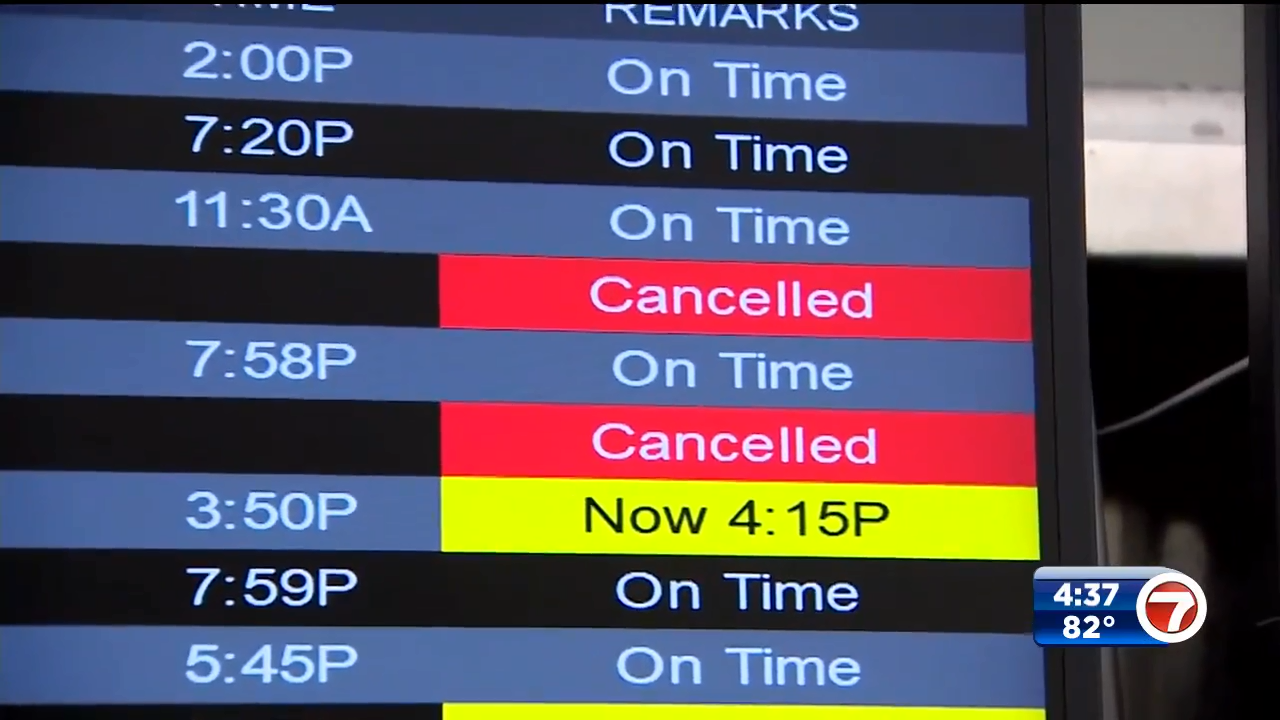
Understanding the root cause of these cancellations is the first step towards navigating the ensuing chaos. While the specific reason can vary from day to day, a confluence of factors, ranging from unpredictable weather phenomena characteristic of the region to complex operational hurdles within the aviation industry, frequently contribute to such widespread disruptions. This article delves into the most common culprits behind today’s flight cancellations in Miami, offering insights into why your travel plans might have been derailed and providing actionable advice on how to respond.
Unpacking the Primary Culprits Behind Disruptions
Flight cancellations are rarely arbitrary; they stem from a series of interconnected challenges that compromise safety, efficiency, or logistical viability. For a bustling hub like Miami, these challenges often manifest in predictable patterns, yet their exact timing and severity remain inherently unpredictable.
Meteorological Mayhem: Miami’s Vulnerability to Weather
Perhaps the most common and often unavoidable reason for flight cancellations in Miami is the weather. Florida’s unique geographical position makes it highly susceptible to a range of atmospheric disturbances.
Tropical Storms and Hurricanes: A Seasonal Threat
While hurricanes are primarily a concern during the Atlantic hurricane season (June 1st to November 30th), their influence can extend far beyond direct landfalls. Even a distant tropical storm or hurricane, perhaps brewing in the Caribbean Sea or tracking near the Bahamas or Cuba, can severely impact air travel to and from Miami. These systems generate strong winds, torrential rain, and significant turbulence, making takeoffs, landings, and en-route segments unsafe. Air traffic control (ATC) centers, in coordination with airlines, often implement ground stops or outright cancellations to ensure passenger and crew safety, and to prevent aircraft from being stranded in potentially hazardous conditions. Moreover, even if Miami itself experiences fair weather, a severe storm impacting an originating or destination airport, or even a critical waypoint along a flight path, can lead to cancellations.
Severe Thunderstorms and Frontal Systems: Daily Delays
Beyond tropical systems, Miami is famous for its almost daily afternoon thunderstorms during the warmer months. These pop-up storms, often intense but localized, can rapidly develop into formidable weather phenomena with lightning, heavy rain, and powerful downdrafts. While short-lived, their sudden appearance can necessitate immediate ground stops, rerouting of incoming flights, and significant delays for departing aircraft. When such storms are widespread or persist for extended periods, the cumulative effect on airport operations, runway availability, and air traffic control workload can lead to a domino effect of cancellations. Similarly, cold fronts sweeping across the southeastern United States can bring their own set of challenges, including strong winds and widespread turbulence, further complicating flight schedules.
Operational Hurdles and Airline Challenges
Beyond the vagaries of weather, the highly interconnected and resource-intensive nature of airline operations means that internal issues can also lead to widespread cancellations.
Staffing Shortages and Crew Availability
In the wake of recent global events, the aviation industry has faced persistent challenges with staffing, particularly for pilots, flight attendants, and ground crew. Airlines operate under strict regulations regarding crew rest periods and duty limits. If a crew member is delayed on an inbound flight, falls ill, or reaches their maximum duty time, a subsequent flight they were scheduled to operate may be cancelled due to a lack of available, legal crew. The issue is exacerbated when crew members are “out of position” due to earlier disruptions at other hubs like Atlanta or Dallas/Fort Worth, making it difficult to reposition them to Miami in time for their next assignment. Major carriers like American Airlines and Delta Air Lines, which have significant operations in Miami, are particularly susceptible to these challenges.
Aircraft Maintenance and Mechanical Issues
Airlines adhere to rigorous maintenance schedules and safety protocols. Occasionally, an unexpected mechanical issue can arise, requiring an aircraft to be taken out of service for repairs. While airlines maintain spare aircraft, their availability can be limited, especially during peak travel seasons or when multiple aircraft encounter problems simultaneously. A single mechanical issue can trigger a chain reaction, leading to the cancellation of several flights an aircraft was scheduled to operate throughout the day. Given the rapid turnaround times at busy airports, even a short delay for a repair can have disproportionate effects on the entire flight schedule.
The Ripple Effect: How Cancellations Impact Your Journey
When flights are cancelled in a major hub like Miami, the consequences extend far beyond the immediate inconvenience, creating significant logistical and financial challenges for travelers.
Immediate Consequences: Missed Connections and Stranded Travelers
Miami International Airport is a critical hub for connecting flights, especially for passengers traveling between the United States and destinations across South America, Central America, and the Caribbean, as well as Europe. A cancellation can mean missing an onward international connection, potentially stranding travelers thousands of miles from their final destination. This is particularly stressful for those on tight schedules, such as business travelers or families with time-sensitive plans. Passengers flying budget airlines like Spirit Airlines or Frontier Airlines might find their rebooking options more limited or come with additional costs.
Accommodation and Unexpected Stays
When cancellations occur, especially late in the day, travelers may find themselves unexpectedly needing accommodation. Miami’s hotel market can be competitive, and last-minute bookings can be expensive. Many travelers will scramble to find rooms at nearby airport hotels like the Hilton Miami Airport Blue Lagoon or downtown options like the JW Marriott Marquis Miami. Airlines might offer hotel vouchers for overnight stays due to cancellations within their control (e.g., mechanical issues), but rarely for weather-related disruptions, leaving passengers to bear the cost.
Financial and Logistical Headaches
Beyond the immediate scramble for accommodation, flight cancellations can lead to a host of financial and logistical burdens.
Unanticipated Expenses
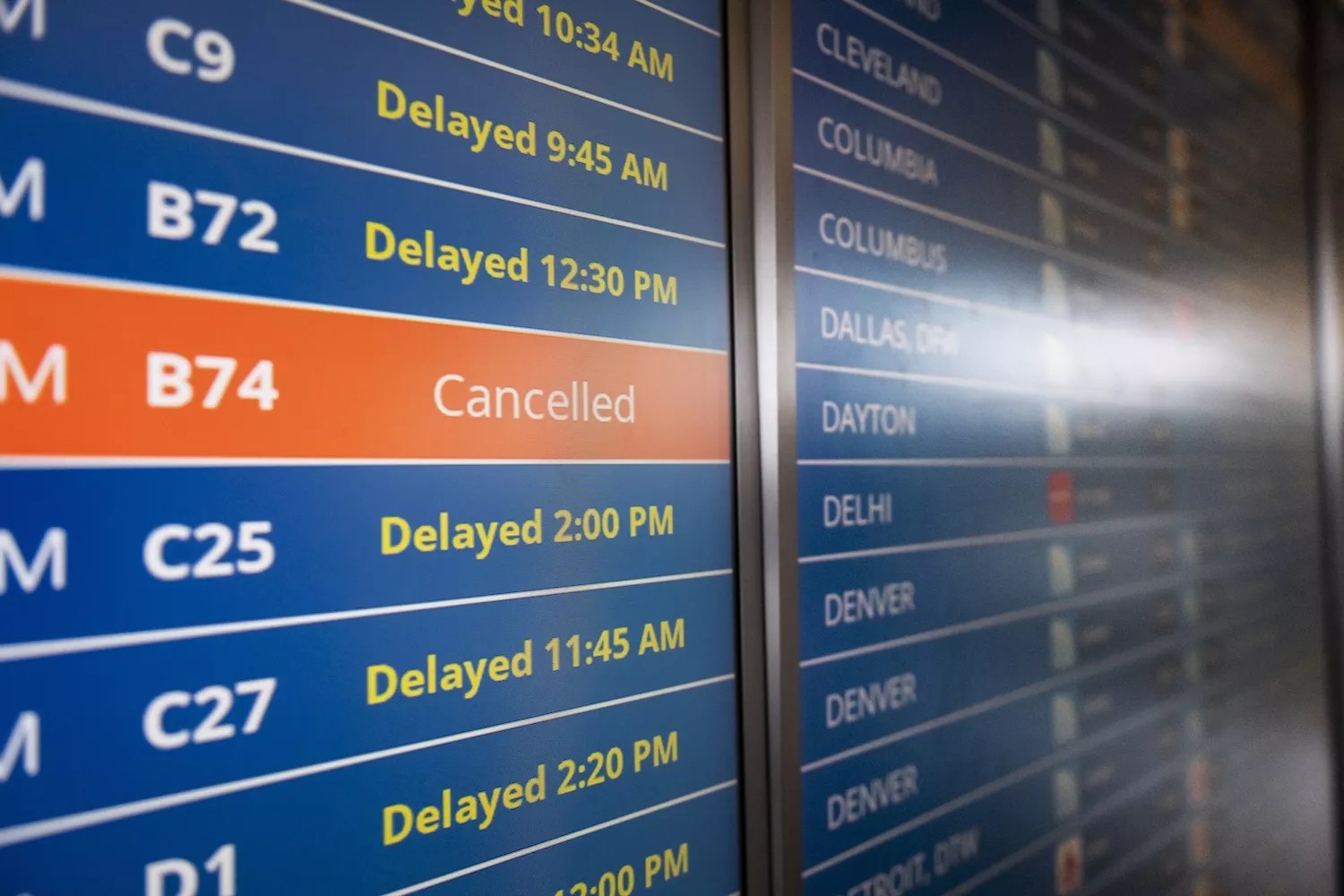
Stranded travelers often face unexpected expenses for meals, ground transportation, and new accommodation. While some credit cards offer travel delay protection, and comprehensive travel insurance can cover these costs, many travelers opt not to purchase them, leaving them vulnerable to out-of-pocket expenses. Rebooking fees, though often waived during mass cancellations, can still apply depending on the airline and the specific circumstances.
Alternative Transportation and Route Changes
For those needing to reach destinations within Florida or nearby states, exploring alternative modes of transport becomes necessary. Services like Brightline offer high-speed rail options to cities like Orlando and West Palm Beach, but availability and cost can be prohibitive for last-minute bookings, especially for families. Others might consider rental cars, but these can also be scarce and expensive during widespread travel disruptions. The complexity of rerouting, especially for international itineraries, adds another layer of stress, often requiring multiple phone calls and long waits.
Navigating the Disruption: A Traveler’s Guide
When faced with a flight cancellation, knowledge and quick action are your best allies. Being prepared and understanding your rights can significantly mitigate the stress and financial impact.
Staying Informed and Proactive
The moment you become aware of a potential cancellation, leverage all available resources to stay updated.
Utilize Airline Apps and Flight Trackers
Download your airline’s official app immediately. These apps often provide the most up-to-date information, including cancellation notices, rebooking options, and potential vouchers, sometimes even before airport screens are updated. Enable push notifications for your flight. Additionally, use third-party flight tracking websites like FlightAware or FlightStats to monitor your specific flight, as well as the status of the inbound aircraft that would operate your flight. This can give you early warning signs.
Direct Communication with the Airline
While phone lines may be jammed, try to reach the airline via multiple channels:
- Phone: Call the airline’s customer service number. If possible, use international numbers or elite status lines which might have shorter wait times.
- Social Media: Many airlines have active customer service teams on X (formerly Twitter) or Facebook who can assist with rebooking.
- Website Chat: Check if the airline’s website offers a live chat feature.
- Airport Desk: If you are already at the airport, head to the customer service desk, but be prepared for long queues. Prioritize finding the shortest line for your specific airline.
Understanding Your Rights and Options
Knowing what you are entitled to can make a significant difference in how you manage a cancellation.
Department of Transportation (DOT) Regulations
For flights within, to, or from the United States, the Department of Transportation (DOT) mandates certain protections. If your flight is cancelled, you are generally entitled to a refund if you choose not to travel, regardless of the reason for cancellation. For significant delays or cancellations within the airline’s control, they may also be obligated to provide meals, accommodation, and transportation to/from the hotel. However, for weather-related cancellations, these amenities are typically not required, although some airlines might offer them as a goodwill gesture.
Airline-Specific Policies and Travel Insurance
Each airline has its own “Contract of Carriage” which outlines its responsibilities during disruptions. Familiarize yourself with your airline’s policy on cancellations, particularly regarding rebooking, refunds, and amenities. If you purchased travel insurance, review your policy details immediately. Comprehensive travel insurance often covers expenses like accommodation, meals, and even alternative transportation costs resulting from covered delays or cancellations. This is where investing in a good policy truly pays off, especially for international travel or during hurricane season in Miami.
Making the Best of an Unexpected Miami Stay
While a flight cancellation is undeniably frustrating, an unexpected layover in Miami doesn’t have to be a complete write-off. With a bit of flexibility, you can turn a setback into an impromptu opportunity.
Embracing Flexibility and Local Exploration
If you find yourself with an unexpected day or even a few hours in Miami, and your rebooking is sorted, consider a quick exploration.
Short Stays and Local Highlights
Miami offers a wealth of attractions. If you have a few hours, a taxi or rideshare can take you to the vibrant Wynwood Walls for stunning street art, or to South Beach for a taste of its iconic Art Deco architecture and ocean views. The Bayside Marketplace near downtown offers shops, restaurants, and boat tours. For an overnight stay, booking a hotel in areas like Brickell or Downtown Miami will give you access to dining and entertainment, ensuring your unexpected pause isn’t entirely wasted. Remember to factor in travel time back to the airport for your rescheduled flight.
Future-Proofing Your Travel Plans
Learning from experience is key. Incorporate strategies into your future travel planning to minimize the impact of potential disruptions.
Consider Direct Flights and Buffer Time
Wherever possible, opt for direct flights to reduce the chances of missed connections. If a connecting flight is unavoidable, especially when traveling through weather-prone regions or with tight international connections, try to build in a significant buffer time between flights. An overnight layover can sometimes be a blessing in disguise, allowing for unexpected delays without derailing your entire itinerary. When planning international trips through Miami, consider arriving a day early to account for potential issues.

Pack Smart and Stay Prepared
Always pack essential items in your carry-on, including medications, a change of clothes, basic toiletries, chargers, and any important documents. This ensures you have what you need if your checked luggage is delayed or if you’re stranded unexpectedly. Keep copies of your travel documents and airline contact information readily accessible. Furthermore, downloading offline maps of your destination and potential layover cities can be incredibly helpful when facing connectivity issues or navigating unfamiliar territory.
In conclusion, flight cancellations in Miami are often a convergence of challenging weather patterns and intricate operational logistics, highlighting the delicate balance required to keep the complex ecosystem of air travel functioning smoothly. While frustrating, understanding the ‘why’ behind these disruptions empowers travelers to respond effectively, turning a potential travel nightmare into a manageable, albeit unexpected, chapter of their journey. By staying informed, knowing your rights, and adopting a flexible mindset, you can navigate these unforeseen challenges with greater ease and resilience, ensuring that even a cancelled flight doesn’t completely eclipse the joy of travel.
LifeOutOfTheBox is a participant in the Amazon Services LLC Associates Program, an affiliate advertising program designed to provide a means for sites to earn advertising fees by advertising and linking to Amazon.com. Amazon, the Amazon logo, AmazonSupply, and the AmazonSupply logo are trademarks of Amazon.com, Inc. or its affiliates. As an Amazon Associate we earn affiliate commissions from qualifying purchases.