
Understanding the true scale of an airport like Minneapolis-Saint Paul International Airport (MSP) goes beyond mere square footage; it encompasses its operational capacity, passenger throughput, vast infrastructure, and significant economic footprint. For travelers planning a journey, making connections, or simply curious about their gateway to Minnesota, comprehending the size of MSP is crucial for a smooth and enjoyable travel experience. As one of the busiest airports in the Midwest and a critical hub in the North American aviation network, MSP stands as a testament to modern air travel logistics and efficiency.
A Comprehensive Look at Minneapolis-Saint Paul International Airport’s Scale
Minneapolis-Saint Paul International Airport, managed by the Metropolitan Airports Commission (MAC), is far more than just a place to catch a flight. It’s an intricate ecosystem designed to handle millions of passengers and thousands of tons of cargo annually. Its physical dimensions and operational capabilities are impressive, placing it among the elite airports in the U.S..

Geographic Footprint and Operational Capacity
MSP sprawls across approximately 3,400 acres of land, a vast expanse that accommodates its two main terminals, four runways, and an extensive network of taxiways and support facilities. The four runways are strategically designed to allow for simultaneous operations, even in challenging weather conditions, maximizing efficiency and minimizing delays. The longest runway, measuring over 11,000 feet, can accommodate the largest aircraft, enabling direct flights to distant international destinations. This multi-runway configuration is a hallmark of major global hubs, distinguishing MSP from smaller regional airports.
In terms of operational capacity, MSP consistently ranks among the top 20 busiest airports in the U.S. by passenger volume. Before the global pandemic, it served over 39.5 million passengers annually. While numbers fluctuated, the airport has shown remarkable resilience and growth, quickly returning to near pre-pandemic levels. Its ability to handle such a massive volume of traffic is a testament to its robust air traffic control systems, efficient ground operations, and the continuous investment in infrastructure by the Metropolitan Airports Commission. This scale is comparable to other significant gateways like Denver International or Atlanta Hartsfield-Jackson in terms of its strategic importance and volume within its respective region.
Terminal Infrastructure: Navigating MSP’s Hubs
MSP operates two distinct terminals: Terminal 1 (Lindbergh) and Terminal 2 (Humphrey). While separate, they are seamlessly connected by the convenient Light Rail Transit (LRT) system, ensuring easy transfers for connecting passengers and those utilizing different airlines.
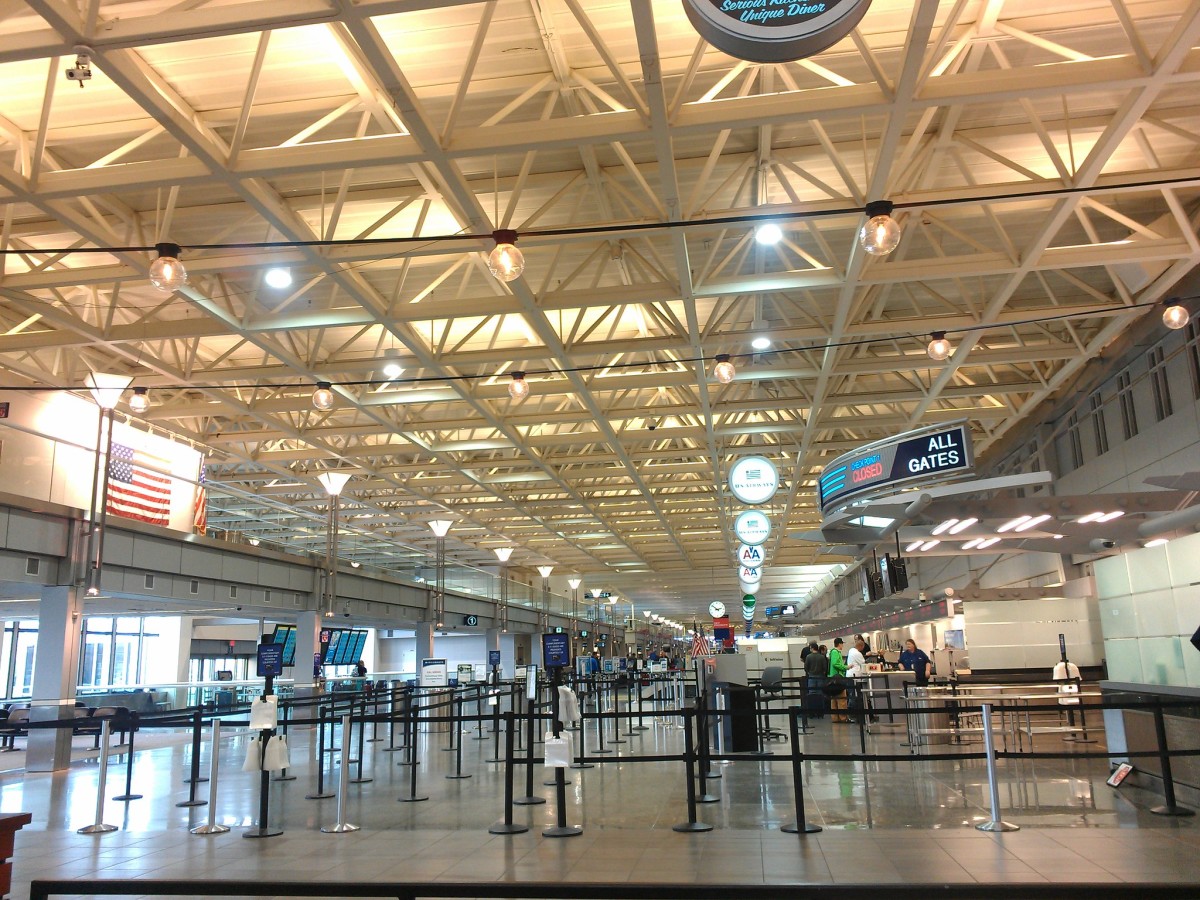
Terminal 1 (Lindbergh) is the larger of the two, serving as the primary hub for Delta Air Lines and hosting the majority of major domestic and international carriers. It boasts seven concourses (A, B, C, D, E, F, G) and over 100 gates, spreading across a considerable length that can sometimes feel like a small city. This terminal is equipped with extensive amenities, including a wide array of dining and shopping options, multiple airline lounges, and various passenger services. The design allows for efficient passenger flow, but its sheer size means travelers should factor in ample walking time, especially between distant gates.
Terminal 2 (Humphrey), while smaller, is equally vital. It primarily caters to budget and charter airlines, including Spirit Airlines, Southwest Airlines, and Sun Country Airlines. It features 10 gates and offers a more compact, often quicker, experience for travelers. Despite its smaller footprint, Terminal 2 (Humphrey) provides a comprehensive selection of services, including restaurants, retail stores, and essential passenger facilities. The direct LRT connection to Terminal 1 (Lindbergh) and downtown Minneapolis and Saint Paul makes it an accessible and efficient entry point for many visitors.
Navigating the Vastness: Traveler Experience at MSP
The expansive nature of Minneapolis-Saint Paul International Airport is thoughtfully designed with the traveler experience in mind. From the layout of its concourses to the availability of a diverse range of services, MSP aims to make the journey as comfortable and efficient as possible, despite its significant size.
Concourse Design and Walkability
Terminal 1 (Lindbergh) is known for its long concourses, particularly Concourse G, which extends quite a distance. Travelers with tight connections or those simply wishing to minimize walking can take advantage of numerous moving walkways strategically placed throughout the terminal. The average walking time between gates within the same concourse can range from a few minutes to over fifteen minutes, depending on the specific gates. For transfers between different concourses, particularly those connected by the central mall area, travelers should allow at least 20-30 minutes, especially if passing through security checkpoints for re-entry, although most transfers within Terminal 1 (Lindbergh) are airside.
Accessibility is a priority, with elevators and escalators widely available, alongside services for passengers with reduced mobility. Digital signage provides real-time gate information and estimated walking times, helping passengers plan their movements effectively. For those with long layovers, the airport offers comfortable seating areas, quiet zones, and even a dedicated meditation room, providing respite from the bustling environment.
Services and Amenities Spread Across the Airport
Across its vast footprint, MSP offers an impressive array of services and amenities, catering to every traveler’s needs. Dining options are extensive, ranging from quick-service cafes and fast food to sit-down restaurants offering local flavors and international cuisine. Travelers can find popular chains alongside unique local establishments, providing a true taste of Minnesota. Retail therapy is also readily available, with duty-free shops, bookstores, electronics retailers, and souvenir shops scattered throughout both terminals.
For those seeking a more exclusive experience, Terminal 1 (Lindbergh) hosts several airline lounges, including multiple Delta Sky Clubs due to Delta Air Lines’ significant presence, as well as lounges for other carriers and independent lounge access programs. Beyond these, MSP is known for its traveler-centric facilities. There are dedicated nursing mothers’ rooms, multiple pet relief areas both pre- and post-security, and captivating art installations that rotate regularly, enhancing the aesthetic appeal of the terminals. Free Wi-Fi is available throughout the airport, and charging stations are plentiful. Security checkpoints, including options for TSA PreCheck and Global Entry passengers, are efficiently managed to streamline the departure process. Ground transportation is equally robust, with readily available rental cars, taxis, ride-shares, and direct LRT connections to downtown Minneapolis and Saint Paul, connecting travelers effortlessly to the wider Twin Cities metropolitan area.
Economic and Regional Impact of MSP’s Size
The sheer size and operational capacity of Minneapolis-Saint Paul International Airport extend far beyond its runways and terminals, making it an indispensable economic engine for Minnesota and the surrounding region. Its expansive operations support a vibrant ecosystem of businesses and employment opportunities.
A Major Economic Engine for Minnesota
MSP’s operations directly and indirectly support tens of thousands of jobs, ranging from airline staff, ground handlers, and security personnel to concession workers, maintenance crews, and administrative employees. This direct employment generates substantial wages and contributes significantly to the local and state tax base. Beyond the airport campus, MSP stimulates countless indirect jobs in tourism, hospitality, transportation, and logistics industries across the Twin Cities and beyond. The accessibility provided by a major international airport attracts businesses to the region, facilitates trade, and makes Minnesota an attractive location for corporate headquarters and conventions. The continued growth and development of MSP are therefore intrinsically linked to the economic prosperity and global competitiveness of the state. It acts as a primary gateway for tourists eager to explore Minnesota’s natural beauty and urban attractions, further bolstering the state’s economy.
Future Expansions and Developments
Recognizing its vital role, the Metropolitan Airports Commission continually invests in enhancing MSP’s infrastructure and passenger experience. Future expansion plans often involve optimizing runway utilization, upgrading terminal facilities, and improving ground access to accommodate projected growth in passenger and cargo volumes. These developments are not merely about increasing capacity but also about integrating sustainable practices, such as energy-efficient building designs, waste reduction initiatives, and the adoption of cleaner technologies for ground support equipment. The airport’s commitment to modernization ensures that it remains competitive, efficient, and environmentally responsible, ready to meet the evolving demands of air travel for decades to come. These ongoing investments highlight the forward-thinking approach to maintaining MSP’s status as a top-tier international airport, always striving to improve its vast facilities and services.
Strategic Positioning in the North American Air Travel Network
Minneapolis-Saint Paul International Airport’s substantial size and geographic location contribute to its strategic importance within the broader North American air travel network. It functions as a critical nexus, connecting the Midwest to the rest of the world.
Hub for Delta Air Lines
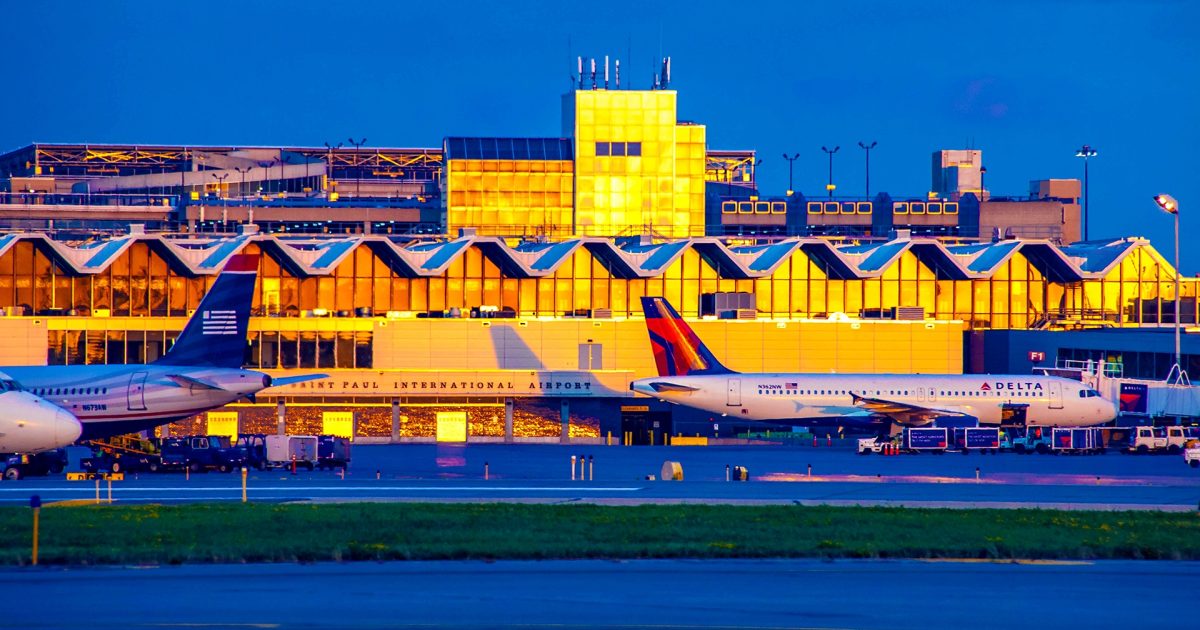
One of the defining characteristics of MSP’s operational scale is its role as a major hub for Delta Air Lines. This partnership significantly enhances the airport’s connectivity, offering travelers an extensive network of domestic and international flights. Delta Air Lines utilizes MSP as a key transfer point, funneling passengers from smaller regional airports across the Midwest to larger cities and global destinations. The presence of a dominant airline hub means a high frequency of flights, greater flexibility for travelers, and a wider range of direct routes that might otherwise be unavailable. For passengers flying Delta Air Lines, MSP offers a seamless experience with consolidated services and dedicated infrastructure designed to facilitate efficient connections. This hub status is a significant factor in the airport’s overall passenger volume and its ability to support such a large physical and operational footprint.
Connecting the Midwest and Beyond
Beyond its role as a Delta Air Lines hub, MSP is a vital gateway for the entire Midwest region. Its central location makes it an ideal connection point for both domestic and international travel, reducing the need for travelers from surrounding states to fly through more congested coastal hubs. The airport offers direct flights to numerous cities across the U.S., as well as significant international destinations in Europe, Asia, Canada, and Latin America. This extensive connectivity not only serves the travel needs of millions but also facilitates commerce, cultural exchange, and tourism, strengthening Minnesota’s ties to the global community. The substantial size of MSP is, therefore, a reflection of its critical function as a bridge between the heartland of America and the world.
In conclusion, Minneapolis-Saint Paul International Airport is an undeniably large and complex facility, stretching across thousands of acres and processing millions of passengers annually. Its size is a direct measure of its importance as a major North American air travel hub, a significant economic contributor to Minnesota, and a meticulously designed gateway ensuring a comprehensive and efficient experience for all travelers. For anyone passing through, understanding the scale of MSP transforms the journey from a mere transit into an appreciation of modern aviation’s impressive capabilities.
LifeOutOfTheBox is a participant in the Amazon Services LLC Associates Program, an affiliate advertising program designed to provide a means for sites to earn advertising fees by advertising and linking to Amazon.com. Amazon, the Amazon logo, AmazonSupply, and the AmazonSupply logo are trademarks of Amazon.com, Inc. or its affiliates. As an Amazon Associate we earn affiliate commissions from qualifying purchases.