
For travelers considering a visit to Minneapolis, particularly during the colder months, a common and critical question often arises: “How much snow does Minneapolis have?” The answer is, quite a lot, making it a quintessential winter destination with unique travel implications and opportunities. This vibrant Minnesota city is renowned for its significant annual snowfall, transforming its urban landscape into a picturesque, often bustling, winter wonderland. Understanding the city’s snowy disposition is key to planning an enjoyable and well-prepared trip, ensuring visitors can fully embrace or skillfully navigate its winter charm.
Minneapolis’s climate is characterized by distinct seasons, with winters that are long, cold, and undeniably snowy. Far from being a deterrent, this climate shapes much of the local lifestyle and offers a specific kind of travel experience that draws those seeking winter sports, festive atmospheres, or simply the serene beauty of a snow-covered city. This article delves into the specifics of Minneapolis’s snowfall, offering insights for prospective travelers on what to expect, how to prepare, and how to make the most of a visit to this captivating northern city, regardless of the season.
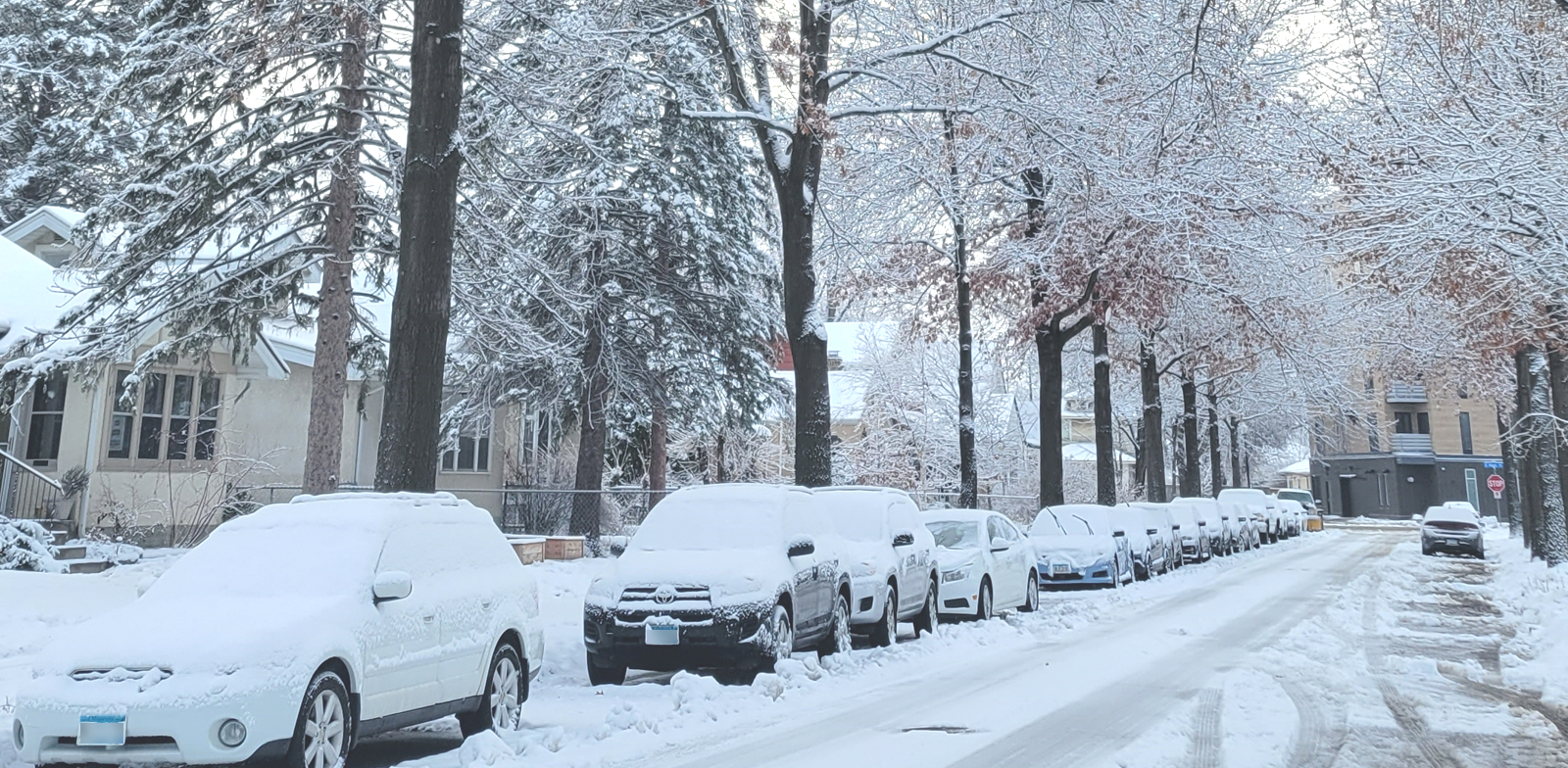
Minneapolis’s Winter Wonderland: An Overview of Snowfall
The reputation of Minneapolis as a snowy city is well-earned, rooted in meteorological facts and the lived experience of its residents and visitors. Its geographical location and climate patterns converge to create conditions ripe for substantial snowfall each winter, painting the landscape in shades of white for several months of the year.
Average Annual Snowfall and Seasonal Patterns
On average, Minneapolis receives approximately 54 inches (137 cm) of snow annually. However, this is just an average, and actual snowfall can vary significantly from year to year. Some winters might see barely 30 inches, while others could easily surpass 80 inches. The primary snowfall season typically stretches from November through March, though early flurries can appear in October and late snowfalls can surprise residents in April.
December, January, and February are usually the snowiest months, often seeing consistent accumulations and prolonged periods of snow cover. During these peak winter months, it’s not uncommon for the city to be blanketed in several inches, or even feet, of snow for weeks at a time. The frequency and intensity of snow events mean that the city is well-equipped for snow removal, ensuring that daily life and infrastructure largely continue uninterrupted, a testament to the community’s adaptation to its snowy environment. For travelers, this means a reliable chance of experiencing a true winter landscape during these months.
Factors Contributing to Minneapolis’s Snowy Reputation
Several geographical and meteorological factors contribute to Minneapolis’s generous snowfall. Located in the upper Midwest of the United States, the city is far from the moderating influence of oceans, leading to a continental climate characterized by extreme seasonal temperature swings.
One significant factor is its proximity to cold air masses that sweep down from the Arctic. When these frigid air masses interact with moisture-laden systems, often originating from the Great Lakes or the Gulf of Mexico, conditions become ideal for widespread snow. The prevailing westerly winds often carry moisture across the plains, and as these systems encounter the colder air over Minnesota, precipitation falls as snow. Lake-effect snow, while more prominent in areas directly downwind of the Great Lakes, can also play a role, albeit a lesser one, in contributing to regional snowfall, particularly when specific wind patterns align. Furthermore, the city’s elevation, though not mountainous, is sufficient to experience sustained periods of freezing temperatures, ensuring that precipitation falls and remains as snow for extended durations.
Record-Breaking Winters and Notable Seasons
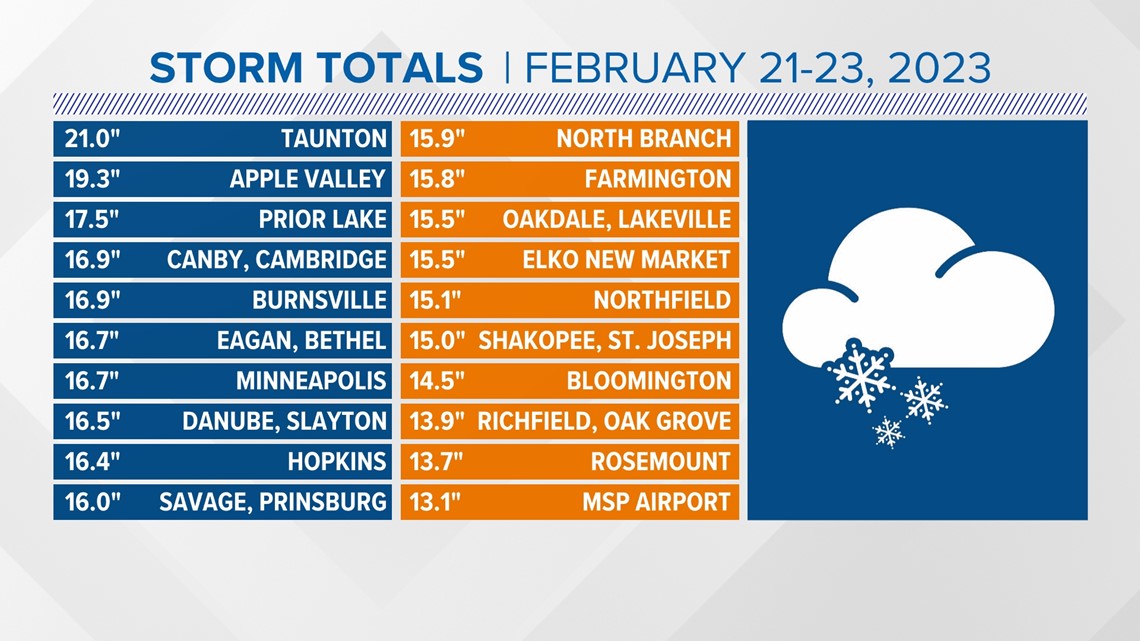
While 54 inches is the average, Minneapolis has seen its share of monumental winters. The record for the snowiest winter was set in 1983-1984, when a staggering 98.6 inches (250 cm) of snow fell. Other memorable winters include 2010-2011, which saw 86.8 inches, and more recently, the winter of 2022-2023, which brought 90.3 inches, reminding everyone of the city’s capacity for extreme snow events. These record years highlight the variability and the potential for a truly immersive winter experience. Such heavy snowfalls can occasionally disrupt travel, but they also create unparalleled opportunities for winter sports and truly spectacular scenery, drawing those who specifically seek out such conditions. For travelers, understanding this potential is part of the allure and preparation for a Minneapolis winter trip.
Preparing for Your Snowy Minneapolis Travel
Traveling to Minneapolis in winter requires specific preparation to ensure comfort, safety, and an enjoyable experience. The significant snowfall and often sub-zero temperatures demand careful planning, from what to pack to how you’ll navigate the city.
Essential Packing for a Minnesota Winter
Layering is paramount when visiting Minneapolis in winter. Start with a moisture-wicking base layer, followed by insulating mid-layers (fleece, wool, down). Your outermost layer should be a heavy, waterproof, and windproof winter coat or parka, preferably one that covers down to your thighs. Crucial accessories include a warm hat that covers your ears, a scarf or neck gaiter, and waterproof gloves or mittens. For footwear, insulated, waterproof boots with good traction are indispensable for walking on snowy or icy sidewalks. Don’t forget thick wool socks. While much of Minneapolis is connected by its innovative skyway system, you will inevitably venture outdoors, and proper attire makes all the difference.
Navigating Winter Transportation
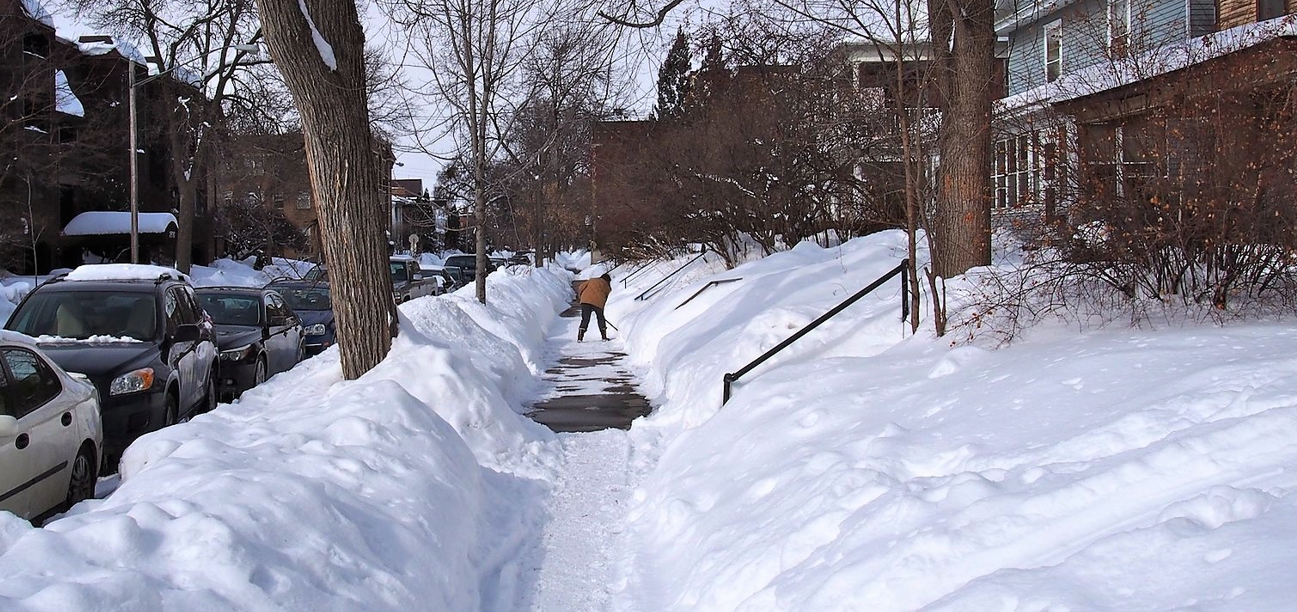
Getting around Minneapolis in winter is manageable, thanks to efficient snow removal efforts, but visitors should be aware of potential challenges.
- Driving: If you plan to rent a car, ensure it has good winter tires and consider four-wheel drive. Roads are generally well-plowed, but side streets can remain snowy or icy for longer. Always check road conditions before heading out. Be prepared for slower speeds and increased stopping distances.
- Public Transit: Metro Transit offers bus and light rail services connecting Minneapolis and St. Paul, including routes to and from the airport. While generally reliable, heavy snowfall can cause delays, so allow extra time.
- Rideshares/Taxis: Services like Uber and Lyft are available, but demand may surge during snowstorms, leading to higher prices and longer wait times.
- Skyway System: Minneapolis boasts an impressive 11-mile network of enclosed, climate-controlled skyways connecting downtown buildings. This pedestrian bridge system is a lifesaver for getting around central Minneapolis without braving the cold or snow, allowing access to restaurants, shops, and attractions. However, the skyways typically operate during business hours and are not always open on weekends or holidays, so check schedules if relying on them.
Health and Safety Tips in Cold Weather
Cold weather can pose health risks if not properly managed. Be mindful of frostbite and hypothermia, especially during extended outdoor exposure. Cover exposed skin, take frequent breaks indoors to warm up, and stay hydrated (even if you don’t feel thirsty). Icy surfaces are common, so walk cautiously and wear appropriate footwear to prevent slips and falls. If driving, keep an emergency kit in your vehicle, including blankets, extra warm clothing, a flashlight, and a phone charger. Always check local weather forecasts before planning outdoor activities and adjust your itinerary as needed to prioritize safety.
Embracing the Flakes: Winter Activities and Attractions in Minneapolis
Far from shutting down, Minneapolis truly comes alive in winter, offering a unique array of activities that celebrate its snowy environment. For travelers, this means opportunities for adventure, relaxation, and cultural immersion, all against a beautiful, white backdrop.
Outdoor Adventures on Snow and Ice
The abundant snow and frozen lakes create a natural playground for winter enthusiasts.
- Cross-Country Skiing and Snowshoeing: Minneapolis parks boast miles of groomed trails. The Chain of Lakes Regional Park, encompassing Lake Harriet, Bde Maka Ska, and Lake of the Isles, transforms into a cross-country skiing paradise. Equipment rentals are often available at park concessions.
- Ice Skating: Numerous outdoor rinks pop up across the city, offering a classic winter experience. The rink at Lake of the Isles is particularly scenic.
- Ice Fishing: For a truly Minnesota experience, consider trying ice fishing on one of the many frozen lakes, such as Lake Nokomis. Local guides can provide equipment and expertise.
- Winter Hiking: Even in winter, trails at places like Minnehaha Park offer stunning views, especially of the partially frozen Minnehaha Falls.
Indoor Escapes from the Cold
When the temperatures drop or you need a break from the elements, Minneapolis offers a wealth of indoor attractions.
- Shopping: The famous Mall of America, though technically in Bloomington just south of Minneapolis, is a major draw, offering endless shopping, dining, and entertainment options under one roof. Downtown Minneapolis also provides extensive retail therapy, accessible via the skyway system.
- Arts and Culture: Immerse yourself in the city’s vibrant arts scene. Visit the Walker Art Center and its adjacent sculpture garden (partially accessible in winter), catch a performance at the renowned Guthrie Theater, or explore one of the many museums.
- Sports and Entertainment: Catch a Minnesota Timberwolves basketball game at the Target Center or a Minnesota Wild hockey game at the Xcel Energy Center in nearby St. Paul for an electrifying local experience.
Iconic Winter Events and Festivals
Minneapolis and its twin city St. Paul host a number of exciting winter festivals that celebrate the season.
- Holidazzle: During the holiday season, Holidazzle in downtown Minneapolis offers outdoor markets, ice skating, and festive entertainment, transforming Loring Park into a magical winter village.
- Loppet Winter Festival: This multi-day event in Theodore Wirth Park features cross-country ski races, snowshoeing, fat biking, and various winter celebrations, attracting both competitive athletes and casual participants.
- St. Paul Winter Carnival: Just across the Mississippi River in St. Paul, this historic festival is one of the oldest and largest winter festivals in the United States, offering ice palaces, parades, snow and ice sculpture contests, and much more. While not directly in Minneapolis, it’s an easily accessible and quintessential Twin Cities winter experience.
- Ice Castles: In some years, a stunning Ice Castles attraction takes root in the Minneapolis area, offering an otherworldly experience of frozen waterfalls, tunnels, and sculptures illuminated with LED lights.
The Broader Travel Picture: Beyond the Snowfall
Understanding the extent of snow in Minneapolis is crucial, but it’s also part of a larger travel narrative. The city’s preparedness and local culture make it a fantastic destination year-round, with winter offering a distinct flavor.
When to Visit: Weighing the Seasons
While this article focuses on winter, it’s important to note that Minneapolis offers different charms in every season.
- Winter (November-March): Ideal for snow sports, cozy indoor activities, and experiencing festive winter events. Expect significant snow and cold temperatures. This is the time to embrace the “how much snow” question fully.
- Spring (April-May): As snow melts, the city awakens with blooming flowers and warming temperatures. It’s a transition period, with fewer crowds and pleasant weather for exploring.
- Summer (June-August): Warm and sunny, perfect for enjoying the lakes, outdoor dining, festivals, and the vibrant park system. This is peak tourist season, offering a stark contrast to winter.
- Fall (September-October): Crisp air, stunning autumn foliage, and comfortable temperatures make this another popular time to visit for outdoor activities and scenic drives.
For those curious about “how much snow,” a winter visit is essential. However, for a broader experience of Minneapolis, considering travel in other seasons provides a complete picture of this dynamic city.
The Local Approach to Winter Living
Minneapolitans are not merely accustomed to snow; they thrive in it. The city’s infrastructure, from efficient plowing to the expansive skyway system, is designed to keep life moving despite the elements. Locals embrace the cold with a hearty attitude, engaging in outdoor activities and finding warmth in community gatherings and vibrant indoor spaces. This resilient and resourceful spirit contributes to a welcoming atmosphere for travelers, demonstrating that winter here is not a time for hibernation, but for different forms of enjoyment and activity. Experiencing Minneapolis in winter offers a unique insight into this distinct regional culture.
Minneapolis All Year Round
Ultimately, the answer to “How much snow does Minneapolis have?” is: enough to make it a memorable part of your travel experience, especially if you visit during the winter months. The city’s annual snowfall average of over 50 inches ensures a picturesque, often activity-filled, winter landscape for several months. Whether you seek thrilling outdoor adventures on pristine snow, cultural enrichment in world-class institutions, or the cozy warmth of a vibrant urban core connected by skyways, Minneapolis offers a robust travel experience. From its snowy peaks of winter to the lush greens of summer, each season unveils a different facet of this adaptable and engaging destination. For any traveler, Minneapolis promises a unique blend of natural beauty and urban sophistication, always ready to welcome visitors, come snow or shine.
LifeOutOfTheBox is a participant in the Amazon Services LLC Associates Program, an affiliate advertising program designed to provide a means for sites to earn advertising fees by advertising and linking to Amazon.com. Amazon, the Amazon logo, AmazonSupply, and the AmazonSupply logo are trademarks of Amazon.com, Inc. or its affiliates. As an Amazon Associate we earn affiliate commissions from qualifying purchases.