
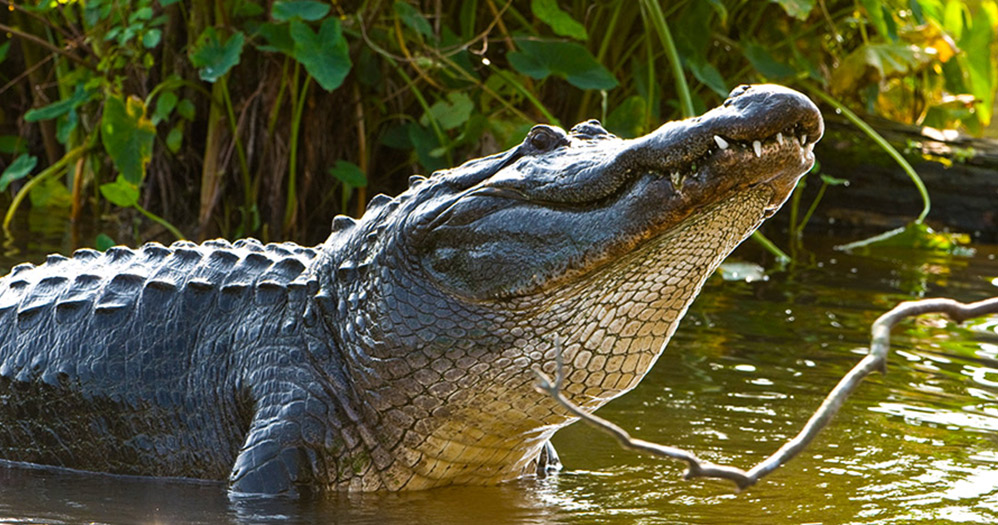
Absolutely, Mississippi is indeed home to a robust population of American Alligators. For travelers seeking unique wildlife encounters and an authentic glimpse into the state’s diverse ecosystems, the presence of these ancient reptiles adds an undeniable layer of excitement and natural wonder. Far from being a mere footnote, alligators are an integral part of Mississippi’s wetlands, rivers, and bayous, offering visitors a compelling reason to explore its scenic natural landscapes.
The question of whether Mississippi harbors alligators often arises from those unfamiliar with the state’s geography and climate. Nestled in the southeastern United States, Mississippi provides ideal conditions for alligator habitats – warm temperatures, abundant freshwater sources, and expansive marshlands. This article serves as a comprehensive guide for travelers eager to understand where these magnificent creatures thrive, how they are managed, and how visitors can experience them safely and responsibly as part of an unforgettable journey through the Magnolia State. From guided swamp tours to tranquil paddles through national wildlife refuges, the opportunity to observe alligators in their natural environment is a quintessential Mississippi travel experience.
Mississippi’s Alligator Habitats: Where to Find Them
The diverse geography of Mississippi creates a patchwork of habitats perfectly suited for the American Alligator. While they are most commonly associated with the state’s southern regions, their range extends much further inland, wherever suitable water bodies exist. Understanding these primary habitats is key for any traveler hoping to spot these elusive reptiles.
Coastal Wetlands and Marshes
The Mississippi Gulf Coast is arguably the most famous and accessible area for alligator sightings. Here, the freshwater rivers meet the brackish waters of the Mississippi Sound and the Gulf of Mexico, creating vast expanses of tidal marshes, swamps, and bayous. These intricate waterways are teeming with life, providing alligators with ample food sources and secluded basking spots. Popular areas include the marshlands surrounding Biloxi, Gulfport, and Ocean Springs. Guided airboat tours are particularly popular in these coastal regions, offering visitors a thrilling, up-close experience with the local wildlife, often including guaranteed alligator sightings. The unique ecosystem of places like the Grand Bay National Estuarine Research Reserve provides critical habitat and opportunities for observation.
Inland Rivers and Lakes
Beyond the coast, Mississippi’s extensive network of rivers and lakes also supports thriving alligator populations. The mighty Mississippi River and its tributaries, such as the Pearl River and Pascagoula River, provide deep, slow-moving waters and oxbow lakes where alligators can be found. Further north, even large reservoirs like the Ross Barnett Reservoir near Jackson have established alligator populations, though they are generally less concentrated and require more patience to spot compared to the coastal marshes. These inland areas offer a different kind of travel experience, often characterized by quieter, more serene settings ideal for kayaking, canoeing, or fishing, with the added possibility of a memorable alligator encounter.
Wildlife Refuges and State Parks
Mississippi boasts several national wildlife refuges and state parks specifically designed to protect and preserve natural habitats, many of which are prime alligator territory. Destinations like the St. Catherine Creek National Wildlife Refuge near Natchez offer extensive wetlands and backwaters where alligators are common. Similarly, state parks along the coast, such as Shepard State Park in Gautier, may have designated viewing areas or walking trails that provide safe opportunities to observe these reptiles, particularly during warmer months when they are more active and visible. These protected areas are fantastic resources for eco-tourists and nature photographers, offering educational insights alongside wildlife viewing.
Alligator Ecology and Conservation in Mississippi
The presence of a healthy alligator population in Mississippi is a testament to successful conservation efforts. Once endangered, the American Alligator has made a remarkable comeback, largely due to protective measures and careful management, making its observation a sustainable travel activity.
The American Alligator: Keystone Predator
The American Alligator (Alligator mississippiensis) is a keystone species in its ecosystem. As apex predators, they play a crucial role in controlling populations of other animals, maintaining the balance of their wetland environments. They create “alligator holes” during dry seasons, which retain water and provide refuge for fish, insects, and other wildlife, ensuring survival during droughts. These holes also concentrate nutrients, fostering plant growth. For travelers, understanding the ecological significance of alligators enhances the appreciation of their role within Mississippi’s natural heritage. Seeing an alligator in its natural habitat isn’t just a thrilling sight; it’s witnessing a vital component of a complex and healthy ecosystem.
Conservation Efforts and Management
The successful recovery of the American Alligator is a conservation success story. In Mississippi, the Mississippi Department of Wildlife, Fisheries, and Parks (MDWFP) plays a pivotal role in monitoring and managing the state’s alligator population. Their efforts include habitat preservation, population surveys, and strict regulations on hunting, which help maintain a sustainable balance. The alligator was removed from the endangered species list in 1987, a direct result of such dedicated conservation work across the United States. Travelers can take comfort in knowing that their alligator viewing experiences contribute to eco-tourism that supports these ongoing conservation initiatives.
Alligator Hunting Season: A Sign of Healthy Populations

Paradoxically, the existence of a highly regulated alligator hunting season in Mississippi is another indicator of a thriving population. The MDWFP issues a limited number of permits each year for a specific season, primarily to manage population growth and prevent overpopulation in certain areas. This regulated activity not only provides recreational opportunities but also generates revenue that directly supports wildlife management and research programs. For travelers, this means that the populations are healthy enough to sustain both regulated harvesting and robust viewing opportunities, underscoring the state’s commitment to ecological stewardship.
Experiencing Alligators Safely: Travel Tips for Visitors
While the allure of seeing an alligator in the wild is powerful, safety must always be the top priority. Travelers can enjoy incredible encounters by following simple guidelines and respecting these powerful creatures.
Guided Tours and Safaris
For first-time visitors or those seeking the most reliable and informative experience, guided alligator tours are highly recommended. Many reputable operators along the Mississippi Gulf Coast offer swamp and bayou tours, often on airboats or pontoon boats. These tours are led by experienced guides who know the best spots for sightings, can educate visitors about alligator behavior and ecology, and ensure a safe distance is maintained. Some popular tours depart from areas near Biloxi and Gulfport, offering a blend of thrilling adventure and educational content. This option provides not only safety but also an enhanced understanding of the ecosystem from local experts.
Self-Guided Viewing and Best Practices
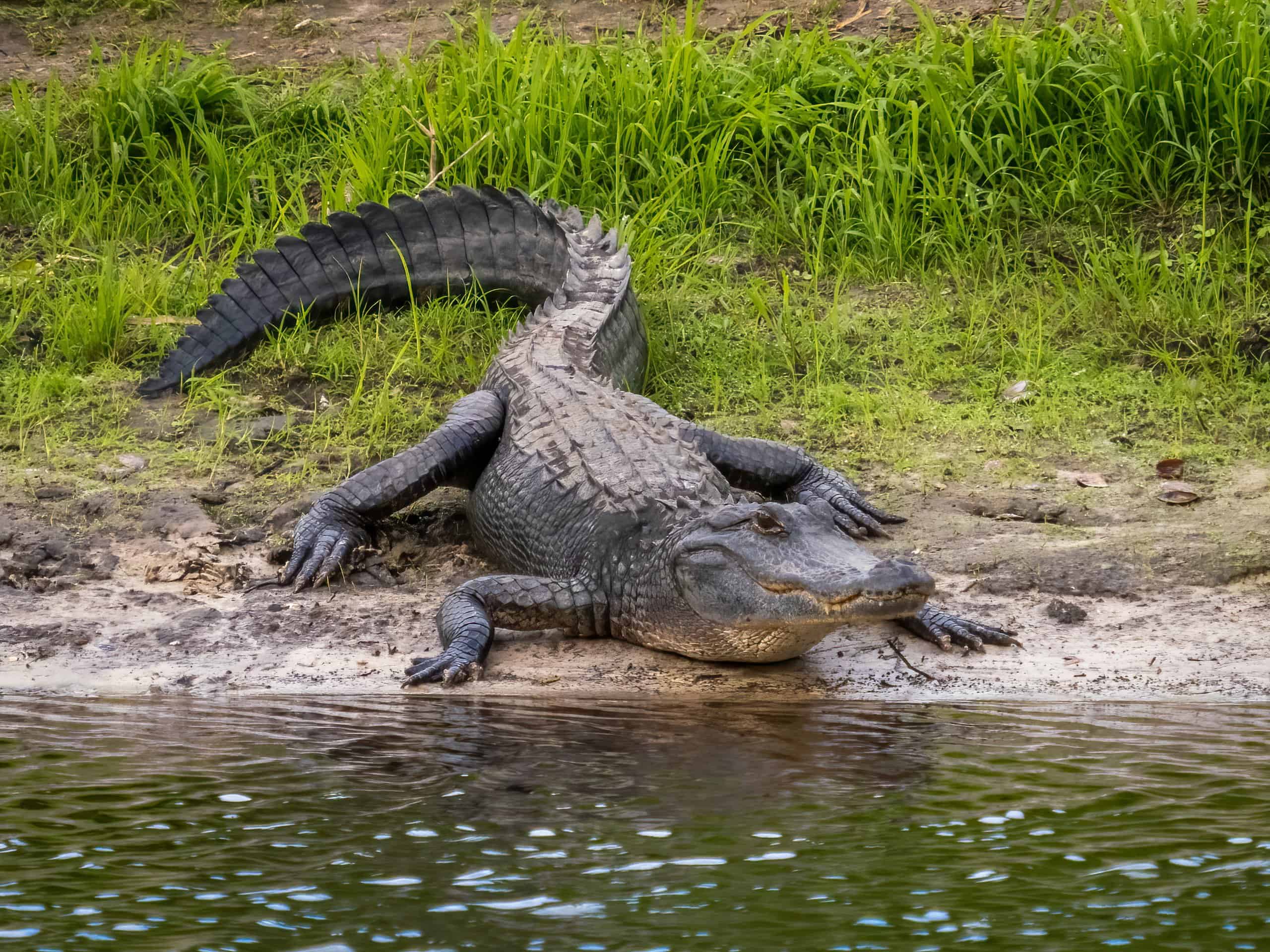
For more adventurous travelers, self-guided viewing is possible in many state parks and wildlife refuges. Early morning or late afternoon are often the best times for sightings, as alligators are more active during cooler parts of the day. Look for them basking on sunny banks or floating silently on the water’s surface, with only their eyes and nostrils visible. Bring binoculars for better observation from a safe distance. Always stick to marked trails and viewing platforms, and never venture into dense vegetation along the water’s edge. Patience is key, as wildlife observation often requires quiet persistence.
Crucial Safety Precautions
Respecting alligators is paramount. Here are essential safety rules for travelers:
- Never Feed Alligators: This is not only illegal but also extremely dangerous. Feeding habituates them to humans, leading them to associate people with food, which increases the risk of attacks.
- Maintain a Safe Distance: Alligators are wild animals. Keep a significant distance, at least 60 feet (18 meters), from any alligator you encounter. They can move surprisingly fast, both on land and in water.
- Supervise Children and Pets: Keep children and pets away from the water’s edge in known alligator habitats. Pets can resemble natural prey to alligators.
- Swim Only in Designated Areas: Avoid swimming or wading in waters where alligators are known to live, especially during dawn, dusk, and nighttime when they are most active.
- Observe Warning Signs: Heed all warning signs posted in parks and wildlife areas regarding alligator presence. These are there for your safety.
- Do Not Harass or Disturb: Never attempt to approach, provoke, or capture an alligator. This is dangerous and illegal.
By adhering to these simple but critical rules, travelers can have an incredible and safe experience observing Mississippi’s most famous reptile.
Beyond Alligators: Exploring Mississippi’s Natural Beauty
While alligators are undoubtedly a major draw for wildlife enthusiasts, a trip to Mississippi offers a wealth of other natural attractions and activities that complement the alligator-viewing experience. The state’s natural beauty extends far beyond its wetlands, inviting travelers to explore a diverse array of landscapes.
Other Wildlife Encounters
Mississippi’s rich ecosystems support a vibrant array of other wildlife. Birdwatchers will revel in the state’s numerous bird species, particularly along the migratory flyways of the Gulf Coast and within its national forests. White-tailed deer, foxes, rabbits, turtles, and various snake species are also common. Dolphins can often be spotted in the Mississippi Sound, and marine life abounds in the coastal waters. A travel itinerary focused on natural exploration can easily include diverse wildlife photography and observation opportunities.
Outdoor Activities and Adventures
The state’s natural landscapes lend themselves to a multitude of outdoor activities.
- Boating and Fishing: From deep-sea fishing charters in the Gulf of Mexico to freshwater angling in inland lakes and rivers, Mississippi is a paradise for water sports enthusiasts. Many areas offer boat rentals, allowing visitors to explore the waterways at their own pace.
- Kayaking and Canoeing: Paddle through serene bayous and quiet rivers, experiencing the wetlands up close. This offers a different perspective on the alligator habitats and a tranquil way to observe nature.
- Hiking and Biking: Numerous state parks and national forests provide extensive trail systems for hiking, biking, and nature walks. These trails often wind through diverse ecosystems, offering scenic views and opportunities to spot wildlife. The Gulf Islands National Seashore offers stunning coastal trails and pristine beaches.
- Camping: For those who wish to immerse themselves fully in nature, camping options range from primitive backcountry sites to well-equipped campgrounds in state parks, providing an overnight experience under the Mississippi stars.
Coastal Towns and Culture
After a day of wildlife adventures, travelers can unwind and explore the charming coastal towns of Mississippi. Cities like Biloxi, Gulfport, and Ocean Springs offer a blend of history, vibrant arts scenes, delicious fresh seafood, and entertainment. From historic lighthouses and museums to art galleries and bustling boardwalks, the Mississippi Gulf Coast provides a rich cultural backdrop to any nature-focused itinerary. Sampling local cuisine, particularly fresh seafood dishes, is an experience in itself, offering a taste of the region’s unique heritage.
In conclusion, Mississippi unequivocally has alligators, and their presence makes the state an exceptional destination for travelers seeking authentic wildlife encounters. By understanding where to find them, appreciating their ecological importance, and adhering to safety guidelines, visitors can enjoy a truly memorable experience. Beyond the thrilling alligator sightings, Mississippi’s abundant natural beauty and diverse recreational opportunities solidify its standing as a premier destination for nature lovers and adventure seekers alike, offering a rich tapestry of experiences waiting to be discovered.
LifeOutOfTheBox is a participant in the Amazon Services LLC Associates Program, an affiliate advertising program designed to provide a means for sites to earn advertising fees by advertising and linking to Amazon.com. Amazon, the Amazon logo, AmazonSupply, and the AmazonSupply logo are trademarks of Amazon.com, Inc. or its affiliates. As an Amazon Associate we earn affiliate commissions from qualifying purchases.