
For the culinary traveler embarking on a journey through the heart of the American South, the question “How long to cook Mississippi Pot Roast?” transcends a simple recipe inquiry. It becomes an invitation to delve into the very essence of Southern Cuisine, a testament to patience, tradition, and the deep-rooted culture of hospitality that defines the state of Mississippi. This iconic dish, celebrated for its fork-tender meat and rich, savory flavors, isn’t just food; it’s a narrative of comfort, community, and the slow rhythm of life in a region where culinary heritage is cherished. Understanding the cooking time for a Mississippi Pot Roast is, in effect, understanding a key component of its cultural significance, a journey into the gastronomic soul of the Magnolia State.

The Heart of Southern Hospitality: Mississippi Pot Roast as a Culinary Icon
The Mississippi Pot Roast, despite its relatively recent surge in popularity, has swiftly cemented its place as a quintessential example of comfort food deeply embedded in Southern hospitality. Originating from a recipe that went viral online, it quickly captured the imagination of home cooks and food enthusiasts alike, becoming synonymous with the kind of hearty, soulful dishes that define Mississippi’s culinary landscape. This dish is more than just a meal; it’s an experience, a cornerstone of family gatherings, Sunday dinners, and the welcoming spirit found across towns from Jackson to Natchez. Its fame speaks to the region’s appreciation for simple, yet profound, flavors that tell a story of agricultural bounty and communal dining.
The Genesis of a Modern Classic
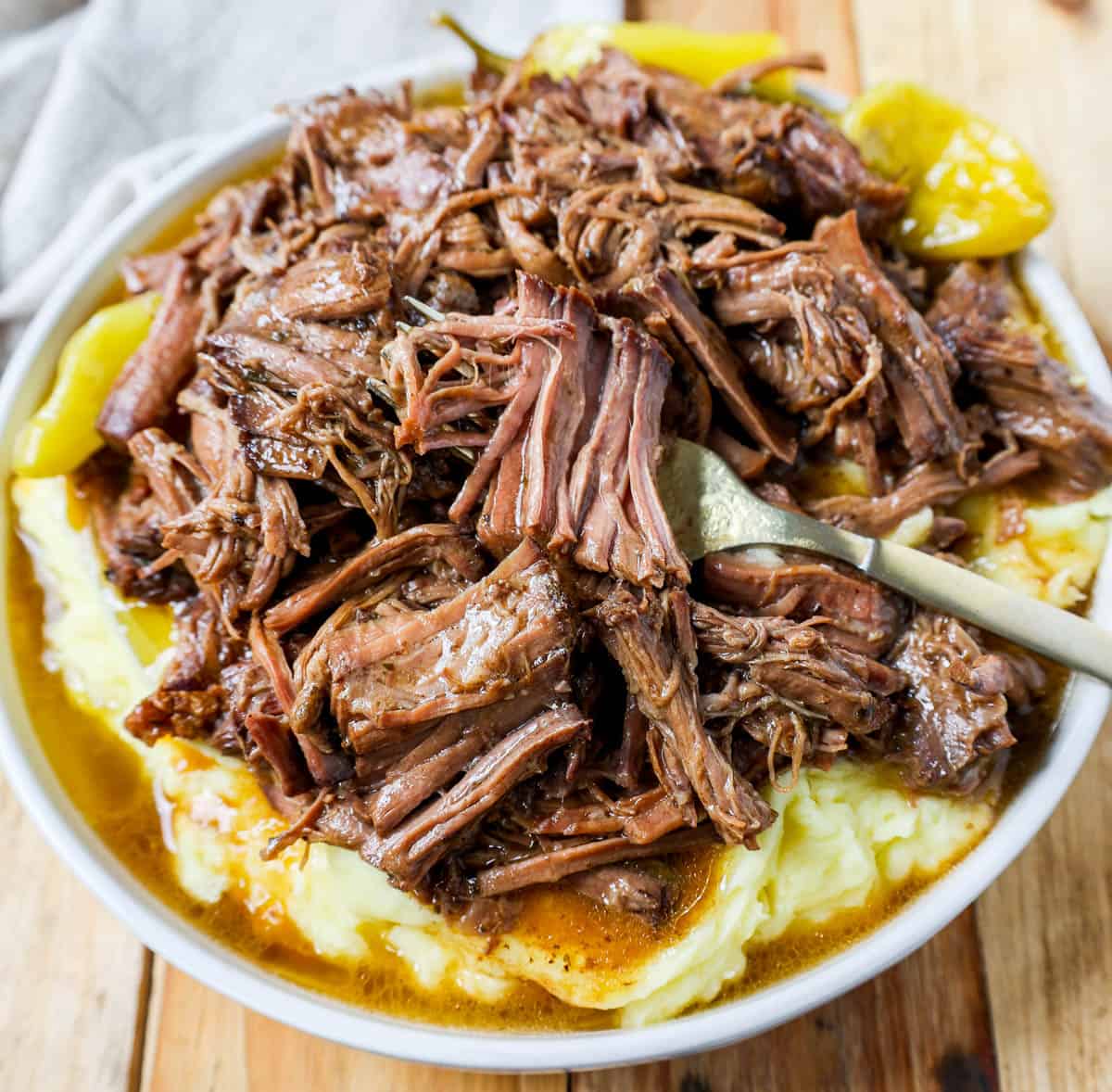
While the exact origin story of the Mississippi Pot Roast is often attributed to a woman named Robin Chapman from Ripley, Mississippi, who shared her recipe in the early 2000s, its roots draw upon much older traditions of slow-cooked, economical cuts of meat. The genius of the recipe lies in its elegant simplicity and the transformative power of its core ingredients: a chuck roast, a packet of ranch seasoning mix, a packet of au jus gravy mix, butter, and pepperoncini. These seemingly disparate elements combine to create a deeply flavorful, tender, and incredibly satisfying dish that requires minimal effort but yields maximum reward. This approach—leveraging accessible ingredients to create something extraordinary—is a hallmark of many beloved Southern recipes, reflecting a history of making delicious meals from what was readily available.
Beyond the Plate: A Taste of Mississippi Culture
For tourists exploring Mississippi, encountering the Pot Roast often comes with a deeper dive into the local culture. It’s a dish that symbolizes the unhurried pace of life, the generosity of spirit, and the emphasis on food as a binder of community. Whether sampled in a quaint local diner in Oxford, at a bustling community festival in Vicksburg, or shared in a Mississippian home, the Pot Roast offers a tangible connection to the state’s identity. It represents the very essence of comfort food—dishes that nourish the body and soul, evoke nostalgia, and create lasting memories. Understanding its place in Mississippi’s culinary tapestry is key to appreciating the state’s broader cultural narrative, where food, history, and community are inextricably linked.
Unraveling the Mystery: Why Time is the Secret Ingredient
The core question, “How long to cook Mississippi Pot Roast?” is central to unlocking its rich flavor and signature melt-in-your-mouth texture. Unlike many dishes that prioritize speed, the Mississippi Pot Roast thrives on the slow-cooking method, a culinary approach deeply respected in Southern kitchens. This extended cooking time is not merely a suggestion; it is a fundamental requirement that transforms an inexpensive cut of beef into a luxurious, tender meal, making it an ideal experience for those who appreciate the patience involved in traditional cooking.
The Science of Slow Cooking: Transforming Chuck Roast
The magic of the Mississippi Pot Roast lies in its main ingredient: the chuck roast. This cut of beef, sourced from the shoulder, is rich in connective tissue, which can make it tough if cooked quickly. However, prolonged exposure to low, moist heat — the hallmark of slow cooking — allows this connective tissue, primarily collagen, to break down slowly into gelatin. This process is what renders the meat incredibly tender and succulent, literally falling apart with the touch of a fork. It’s also crucial for allowing the flavors from the ranch, au jus, butter, and pepperoncini to deeply penetrate the meat, creating a complex, savory profile that is impossible to achieve through faster cooking methods.
For an optimal Mississippi Pot Roast, the typical cooking time varies slightly depending on the method:
- Slow Cooker: This is arguably the most popular and forgiving method. For a 3-4 pound chuck roast, cooking on LOW for 6-8 hours or on HIGH for 3-4 hours is generally recommended. The longer cooking time on low heat tends to yield the most tender and flavorful results, allowing for a truly hands-off experience.
- Oven (Dutch Oven): Using a heavy-bottomed Dutch oven allows for excellent heat distribution and retention. Covered tightly, a 3-4 pound roast will typically need to cook at 300°F (150°C) for 3-4 hours, or until it’s easily shredded.
- Instant Pot/Pressure Cooker: While traditionalists might argue against it, a pressure cooker significantly reduces the cooking time. For a 3-4 pound roast, it typically requires 60-90 minutes of high-pressure cooking, followed by a natural release of pressure for at least 15-20 minutes, or until the pressure naturally dissipates. While quicker, some argue it doesn’t develop the same depth of flavor as truly slow-cooked versions.
Patience as a Virtue: A Culinary Philosophy
The extended cooking duration for Mississippi Pot Roast reflects a broader culinary philosophy prevalent in the South: that good food takes time. It’s a quiet rebellion against fast food culture, emphasizing the sensory pleasures of anticipation and the reward of a meal prepared with care. For tourists, embracing this slow-food mentality offers a unique window into the culture of Mississippi, where traditions are valued, and meals are often central to social life. The aroma filling the kitchen for hours, the gentle bubbling, and the knowledge that a magnificent feast is steadily unfolding are all part of the experience, contributing to the dish’s comforting and nostalgic appeal. This patience is not merely for the cook but for anyone who wishes to truly savor the authenticity of Mississippian cuisine.
Experiencing Mississippi Pot Roast: A Tourist’s Guide to Culinary Immersion
For the discerning traveler, experiencing Mississippi Pot Roast is an essential part of a holistic tourism journey through the state. It offers a tangible connection to local culture, history, and community spirit. While its viral nature means many restaurants across the country might feature it, savoring this dish in its home state provides an unparalleled authenticity, enriched by the local atmosphere and culinary traditions.
Dining Out: Where to Find the Best Bites
While not every restaurant will feature ” Mississippi Pot Roast” explicitly on their menu, many local establishments, particularly those specializing in comfort food or Southern home cooking, will offer a version of pot roast that closely resembles or is directly inspired by the famous recipe. Seek out family-owned diners, traditional Southern eateries, and even some upscale restaurants that put a gourmet spin on classic dishes.
- Jackson: As the capital city, Jackson boasts a variety of dining options. Look for establishments in areas like Fondren or downtown that pride themselves on using local ingredients and preserving Southern culinary traditions.
- Natchez: Known for its antebellum homes and rich history, Natchez offers dining experiences that often reflect its heritage. Many restaurants here focus on traditional Southern comfort food served in charming, historic settings.
- Oxford: Home to the University of Mississippi, Oxford has a vibrant food scene that blends classic Southern fare with contemporary influences. Exploring its town square often leads to delightful culinary discoveries.
- The Delta: Venturing into the Delta region, particularly towns like Clarksdale or Greenville, will offer opportunities to taste authentic Southern cooking in its purest form, often in unpretentious, beloved local spots.
Always ask locals for their recommendations; they are the best guides to finding the most authentic and beloved versions of regional dishes.
Culinary Workshops and Festivals
For a more hands-on experience, consider seeking out culinary workshops or cooking classes in Mississippi. While specific ” Mississippi Pot Roast” classes might be rare, many focus on broader Southern cooking techniques that would include slow-roasting meats. These immersive experiences can teach you not only how to prepare the dish but also about the ingredients sourced locally and the history behind them.
Additionally, keep an eye on local food festivals, particularly during the autumn months. Many festivals across Mississippi celebrate regional food, and it wouldn’t be uncommon to find vendors serving their rendition of pot roast or similar hearty Southern stews. These festivals are fantastic opportunities to sample a wide array of local delicacies and engage directly with the culinary community.
Beyond the Plate: The Cultural Significance of Slow Cooking
The Mississippi Pot Roast, and indeed much of Southern cooking, embodies a deeper cultural significance tied to the practice of slow cooking. This method of preparation is more than just a technique; it is a philosophy that reflects the values of community, resourcefulness, and the appreciation of life’s unhurried moments. For tourists seeking to understand the soul of Mississippi, observing and participating in this culinary tradition offers profound insights.
A Legacy of Resourcefulness and Comfort
Historically, slow cooking was a practical necessity, especially in rural Southern communities. Tougher, less expensive cuts of meat, like the chuck roast, were transformed into tender, flavorful meals through hours of gentle cooking. This resourcefulness is a cornerstone of Southern culinary heritage, born out of agricultural abundance and the need to make every ingredient count. The Mississippi Pot Roast elegantly continues this legacy, demonstrating how humble ingredients, when treated with patience and care, can yield extraordinary results. It speaks to a time when food was a celebration of what the land provided and a testament to clever kitchen ingenuity.
Moreover, the slow-cooked meal became a symbol of comfort and sustenance. The aroma filling a home for hours created an inviting atmosphere, signaling that a nourishing meal was underway. This sense of comfort is deeply ingrained in the dish’s appeal; it’s food that feels like a warm embrace, a culinary representation of Southern hospitality that welcomes and satisfies.
Community and Connection
In Mississippi, food is often a central pillar of community life. Gatherings around a shared meal, particularly one that has taken hours to prepare, foster deeper connections and conversations. The act of sitting down together to enjoy a slow-cooked meal encourages lingering, storytelling, and the strengthening of familial and social bonds. The Mississippi Pot Roast, served family-style with classic sides like mashed potatoes, green beans, or cornbread, exemplifies this communal spirit. It’s not just about consuming food; it’s about the shared experience, the conversation, and the creation of memories around the table.
For visitors, participating in or observing such a meal provides a genuine glimpse into the fabric of Mississippian society, where slowing down and savoring moments with loved ones is paramount. It’s an opportunity to move beyond superficial tourism and engage with the authentic rhythms of local life, appreciating how food traditions nurture both individuals and the collective spirit.
Bringing Mississippi Home: Recreating the Experience
For many culinary tourists, the ultimate souvenir is not a trinket but a recipe—a tangible way to transport the flavors and memories of a trip back to their own kitchens. Recreating the Mississippi Pot Roast allows you to extend your culinary journey and share a piece of Southern culture with friends and family. Understanding the “how long” is crucial here, not just for the technical success of the dish, but for embodying the spirit of patient, soulful cooking that makes it so special.
Essential Ingredients and Authentic Flavors
To genuinely recreate the Mississippi Pot Roast experience, start with quality ingredients. While you might not have access to local Mississippi beef, choosing a well-marbled chuck roast is paramount. The quality of the meat will significantly impact the final tenderness and flavor.
- Chuck Roast: A 3-4 pound cut is ideal.
- Dry Ranch Seasoning Mix: One packet.
- Dry Au Jus Gravy Mix: One packet.
- Butter: Half a stick (4 tablespoons), unsalted or salted to preference.
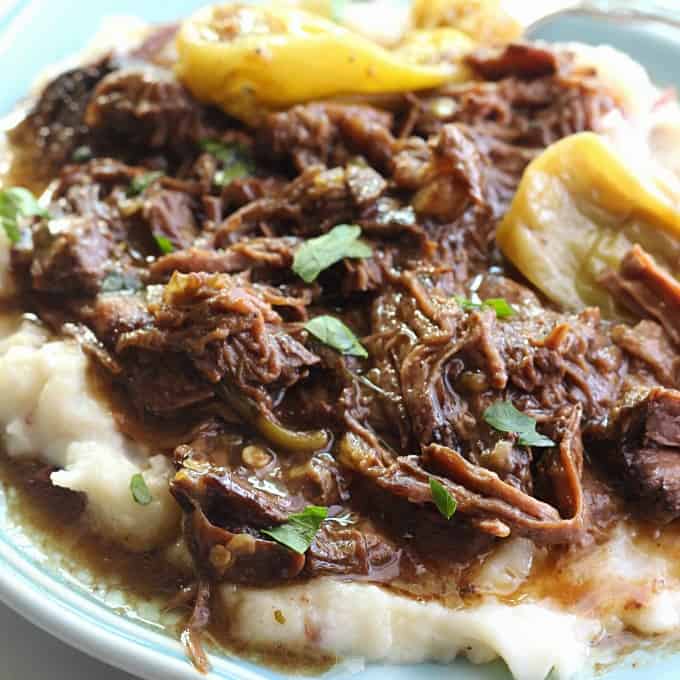
- Pepperoncini: About 4-6 whole pepperoncini, plus a splash (2-3 tablespoons) of their brine. These provide a subtle tang and a slight kick that cuts through the richness of the beef.
Resist the urge to overcomplicate the recipe. Its beauty lies in its simplicity and the synergy of these few ingredients.
The Art of Patience: Embracing the Slow Cook
As discussed, the cooking time is non-negotiable for achieving the desired tenderness. Whether you opt for a slow cooker or a Dutch oven in your own kitchen, committing to the extended cooking duration is key. The slow cooker method is often preferred for its ease, allowing you to “set it and forget it,” much like the leisurely pace of Southern living. This long, gentle simmer ensures the chuck roast becomes meltingly tender, absorbing all the savory, tangy, and rich flavors of the seasoning and butter.
When serving, traditional accompaniments often include creamy mashed potatoes (perfect for soaking up the abundant, flavorful gravy), steamed green beans, or a simple side salad. The Pot Roast itself is so rich and satisfying that it needs little else to shine.
Sharing the Story: More Than Just a Meal
When you serve your homemade Mississippi Pot Roast, take a moment to share the story behind it. Talk about its origins in Mississippi, the culture of slow cooking, and how the lengthy preparation time is an act of culinary love and tradition. By doing so, you’re not just serving a dish; you’re sharing a piece of your travel experience and bringing the essence of Mississippi’s warm hospitality and rich culinary heritage directly to your table. This transforms the act of cooking into a continuation of your tourism journey, celebrating local culture through the universal language of food.
LifeOutOfTheBox is a participant in the Amazon Services LLC Associates Program, an affiliate advertising program designed to provide a means for sites to earn advertising fees by advertising and linking to Amazon.com. Amazon, the Amazon logo, AmazonSupply, and the AmazonSupply logo are trademarks of Amazon.com, Inc. or its affiliates. As an Amazon Associate we earn affiliate commissions from qualifying purchases.