
The Mississippi River, a colossal artery dissecting the heartland of the United States, has shaped landscapes, economies, and cultures for millennia. From its humble beginnings in Lake Itasca, Minnesota, to its grand delta emptying into the Gulf of Mexico, this iconic waterway stretches approximately 2,340 miles. For centuries, its vastness presented both a vital transport route and an imposing barrier. Bridging such an immense and dynamic natural landmark is an engineering marvel, a testament to human ingenuity and perseverance. The seemingly simple question, “How many bridges cross the Mississippi River?” opens a fascinating exploration into history, architecture, and the crucial role these structures play as indispensable landmarks connecting communities and commerce.
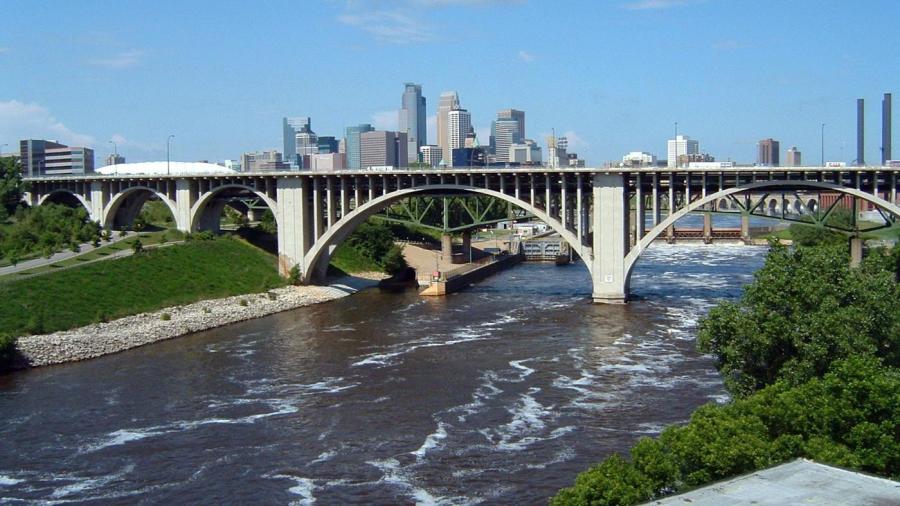
The Engineering Feat: Bridging the Mighty Mississippi
The story of bridging the Mississippi River is one of audacious vision, technological advancement, and overcoming formidable natural challenges. For a river of its scale, navigating its currents, contending with its depth, and building structures robust enough to withstand its powerful flows and seasonal changes required innovative thinking and immense resources.
A Historical Perspective on River Crossings
Before the advent of modern bridge technology, crossing the Mississippi River was a laborious and often perilous endeavor. Ferries were the primary means of transport, shuttling people, goods, and livestock across its wide expanse. However, as the United States expanded westward in the 19th century, the demand for more efficient and permanent crossings became undeniable. The river, while a highway for trade, was also a significant impediment to land-based travel and economic integration.
The true era of Mississippi River bridging began in earnest with the construction of the Eads Bridge in St. Louis, Missouri. Completed in 1874, this pioneering structure was an engineering marvel for its time. Designed by James B. Eads, it was the first steel-truss bridge of its kind and the longest arch bridge in the world upon its completion. Its construction faced unprecedented challenges, including deep foundations requiring pneumatic caissons (a relatively new technology) and the immense scale of the project. The Eads Bridge didn’t just connect two riverbanks; it symbolized America’s industrial might and its determination to conquer geographical barriers. Its success paved the way for countless future crossings, each building on the lessons learned and technologies developed. The rapid pace of industrialization and westward expansion further fueled the need for more bridges, transforming the river from an obstacle into a series of interconnected pathways.
Diversity in Design and Function
The sheer variety of bridges spanning the Mississippi River reflects both the different eras of their construction and the specific challenges posed by their locations. From simple girder bridges over narrower stretches to monumental suspension bridges crossing wide, navigable channels, each structure is a unique architectural solution.
Common bridge types found along the Mississippi River include:
- Truss Bridges: Characterized by their triangulated framework, providing excellent strength-to-weight ratios. Many older railway bridges and significant road crossings employ this design.
- Cantilever Bridges: Often seen on longer spans, these bridges use structures that project horizontally into space, supported on only one end. The Huey P. Long Bridge in New Orleans is a prime example.
- Arch Bridges: Like the iconic Eads Bridge, these use a curved structural form that transfers loads horizontally to abutments.
- Cable-Stayed Bridges: More modern designs, these feature one or more towers from which cables support the bridge deck. The Clark Bridge in Alton, Illinois, is a stunning example.
- Suspension Bridges: While less common on the Mississippi River due to the presence of numerous other effective designs, some sections might incorporate elements.
- Drawbridges (or Bascule Bridges): Critical in areas with significant river navigation, these bridges can open to allow tall vessels to pass, such as those found closer to the Gulf of Mexico where ocean-going ships frequently travel.
These bridges serve a myriad of functions, predominantly carrying vehicular traffic (highways, interstates), railway lines, and in some cases, pedestrian walkways and utility pipelines. Their design is a direct response to the river’s characteristics at that specific point—its width, depth, current, soil conditions, and the navigation clearance required for river traffic.
Counting the Crossings: A Data-Driven Exploration
The question of “how many” is deceptively complex when it comes to Mississippi River bridges. Unlike a fixed number of states or counties, the count can fluctuate based on definitions and data collection methodologies.
The Elusive Exact Number
There isn’t one universally agreed-upon, precise figure for the number of bridges crossing the Mississippi River. This ambiguity stems from several factors:
- Definition of “Bridge”: Does it include every small culvert or only significant crossings? Are railway bridges counted separately from highway bridges that might share a pier system?
- Scope: Does the count include every crossing from its source to its mouth, or only major, publicly accessible bridges?
- Dynamic Nature: Bridges are built, decommissioned, or sometimes even collapse (like the tragic I-35W Mississippi River bridge in Minneapolis in 2007, which was then rebuilt).
Despite these challenges, common estimates suggest that there are generally between 100 and 150 major, publicly recognized bridges that span the main channel of the Mississippi River. This number typically includes highway bridges, significant railway bridges, and major municipal crossings. If one were to include every small, localized crossing, including those over side channels, oxbow lakes, or bypasses directly linked to the river’s floodplain, the number would certainly swell into the hundreds, potentially even thousands. For the purpose of understanding critical landmarks, however, the focus remains on the larger, more impactful structures.
Major Conurbations and Their Bridge Networks
The concentration of bridges naturally correlates with population centers and strategic transportation corridors. Several major cities owe their growth and connectivity directly to the bridges that span the Mississippi River at their location.
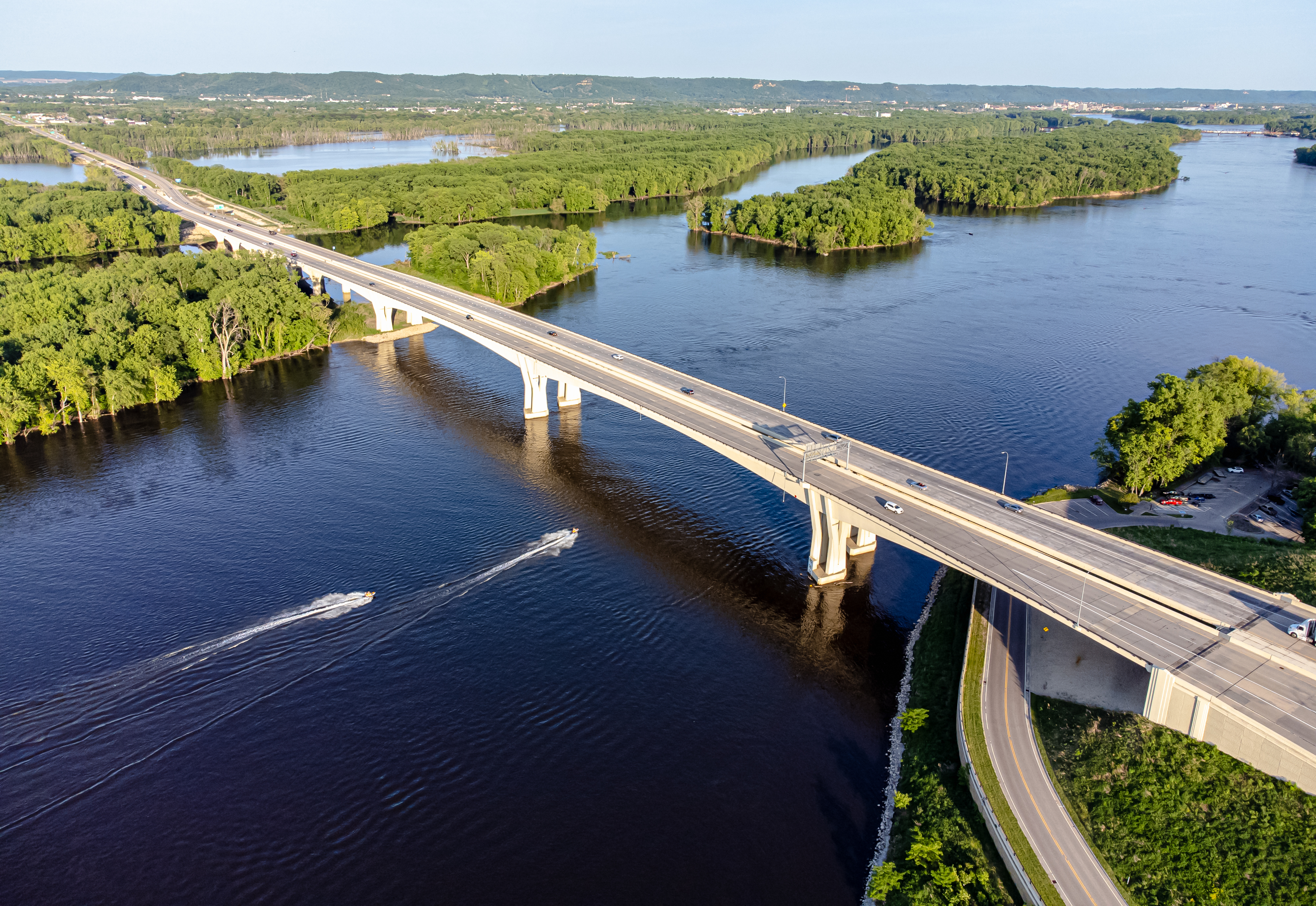
- Minneapolis and St. Paul (The Twin Cities): As the Mississippi River begins its southerly journey, the Twin Cities area in Minnesota is home to numerous bridges. These bridges are vital for daily commutes, connecting the two cities and their sprawling suburbs. The modern I-35W Mississippi River bridge, rebuilt after its predecessor’s collapse, stands as a symbol of resilience and engineering improvement.
- St. Louis, Missouri: A historic crossroads, St. Louis boasts a remarkable collection of bridges. Besides the pioneering Eads Bridge, the city is served by the Poplar Street Bridge, the Martin Luther King Bridge, and the modern Stan Musial Veterans Memorial Bridge, all critical links for Interstate 70 and other major routes. The presence of the majestic Gateway Arch on the river’s edge further underscores the river’s significance to the city’s identity.
- Memphis, Tennessee: Positioned strategically along the middle Mississippi, Memphis is a major transportation hub. The iconic Hernando de Soto Bridge, often recognized by its distinctive “M” shape, carries Interstate 40 traffic and is a vital east-west connector. Other significant crossings include the Memphis-Arkansas Bridge (I-55) and the historic Frisco Bridge, a railway pioneer.
- New Orleans, Louisiana: Near the river’s mouth, where it is at its widest and deepest, New Orleans relies on massive structures to span the waterway. The Huey P. Long Bridge is a colossal cantilevered truss bridge accommodating both rail and road traffic, serving as a crucial gateway into the city. Further downstream, the Crescent City Connection (formerly the Greater New Orleans Bridge) provides two impressive cantilevered crossings for US Route 90 Business.
Iconic Mississippi River Bridges as Landmarks
Beyond their functional utility, many Mississippi River bridges have achieved landmark status, celebrated for their architectural brilliance, historical significance, or cultural impact. They are not merely structures but symbols of progress, resilience, and connectivity.
The Eads Bridge: A Pioneer of Innovation
Located in St. Louis, the Eads Bridge remains one of the most historically significant landmarks on the Mississippi River. Its construction in the 1870s marked a pivotal moment in American engineering. As the first bridge of any type to extensively use steel as a primary structural material, it revolutionized bridge building. Its elegant triple-arch design, spanning over 6,400 feet, was an audacious undertaking that faced skepticism and immense technical challenges. Today, the Eads Bridge is a National Historic Landmark, carrying both vehicle and light rail traffic, serving as a tangible link to a heroic era of infrastructure development. Its graceful arches against the St. Louis skyline, with the Gateway Arch nearby, create an unforgettable vista.
The Hernando de Soto Bridge: A Modern Marvel
In Memphis, the Hernando de Soto Bridge is instantly recognizable by its distinctive twin “M” shaped arches. Completed in 1973, this steel arch bridge carries Interstate 40 and is a critical artery for cross-country commerce and travel. Its sheer scale and modern aesthetics make it a striking feature of the Memphis skyline, particularly when illuminated at night. While primarily a utilitarian structure, its visual impact and vital role in national transportation elevate it to landmark status. Its recent closure and subsequent repair after a structural crack highlighted its indispensable nature to the regional and national economy.
The Huey P. Long Bridge (New Orleans): A Dual-Purpose Giant
South of New Orleans, where the Mississippi River flows mightily towards the Gulf of Mexico, stands the Huey P. Long Bridge. Completed in 1935, this colossal cantilevered truss bridge was a significant engineering accomplishment during the Great Depression. It is remarkable for being one of the longest and highest railway bridges in the United States, while also accommodating vehicle traffic. Its impressive length and height, designed to allow deep-water ships to pass underneath, reflect the immense scale of the river at this point. Major expansion projects in the 21st century have widened its roadways, further cementing its role as a vital transportation landmark connecting the East and West Banks of the Mississippi River for both local commuters and national logistics.
Other Notable Crossings
The narrative of Mississippi River bridges includes many other structures, each with its own story and local significance:
- The I-35W Mississippi River bridge in Minneapolis stands as a testament to engineering learning and resilience. Its rapid rebuilding after the 2007 collapse showcased modern construction capabilities and a renewed commitment to infrastructure safety.
- The Clark Bridge, spanning the river between Alton, Illinois, and West Alton, Missouri, is a beautiful cable-stayed design, often praised for its elegant aesthetics and efficient structure.
- The Chain of Rocks Bridge, north of St. Louis, once carried Route 66 and is famous for its distinct 22-degree bend mid-span. Now a pedestrian and cycling path, it offers panoramic views and a unique historical experience.
The Bridges’ Enduring Legacy and Future
The bridges crossing the Mississippi River are more than just concrete and steel; they are essential threads in the fabric of the United States, embodying decades of progress and an unwavering commitment to connectivity.
Economic and Cultural Impact
These landmarks are powerhouses for trade and commerce, facilitating the movement of goods and people across the nation. They enable tourism, allowing travelers to explore the diverse landscapes and cultures along the river’s banks. Culturally, many bridges have become symbols for their respective cities, appearing on postcards, in local folklore, and as backdrops for public events. They represent overcoming natural boundaries and fostering community cohesion, literally bringing people together.

Maintenance, Modernization, and Sustainability
As many of these structures age, the challenge of maintenance and modernization grows. Infrastructure integrity is a constant concern, requiring continuous investment in inspections, repairs, and upgrades to ensure safety and functionality. New construction projects often incorporate sustainable design principles, minimizing environmental impact and building resilience against future challenges like climate change and increased traffic loads. The future of Mississippi River bridges will involve balancing historical preservation with the demands of modern engineering and environmental stewardship.
In conclusion, while an exact number remains somewhat fluid, the Mississippi River is spanned by well over a hundred major bridges, each a remarkable landmark in its own right. These structures are not merely crossings; they are enduring monuments to human ingenuity, vital arteries of commerce, and cherished symbols of connectivity that continue to shape the geography and identity of the American heartland.
LifeOutOfTheBox is a participant in the Amazon Services LLC Associates Program, an affiliate advertising program designed to provide a means for sites to earn advertising fees by advertising and linking to Amazon.com. Amazon, the Amazon logo, AmazonSupply, and the AmazonSupply logo are trademarks of Amazon.com, Inc. or its affiliates. As an Amazon Associate we earn affiliate commissions from qualifying purchases.