
For residents and prospective patients in Mississippi, understanding the financial implications of accessing medical marijuana is a crucial aspect of managing personal health and finances within their lifestyle. The state’s medical cannabis program, established to provide relief for qualified individuals, brings with it a new set of expenditures that patients must factor into their budgets. Beyond the initial consultation and registration, the ongoing cost of medication can significantly impact a patient’s financial planning. This article delves into the various components that contribute to the overall expense of medical marijuana in the Magnolia State, offering a comprehensive look at what patients can expect to pay and how these costs might integrate into their daily lives.
The journey to obtaining medical cannabis involves several distinct financial steps, from initial medical evaluations to purchasing products from licensed dispensaries. Each stage presents its own fee structure, which can vary based on service providers, product types, and market dynamics. By breaking down these costs, individuals can gain a clearer picture of the financial commitment required, enabling them to make informed decisions about their healthcare options and adjust their lifestyle budgets accordingly.
The Landscape of Medical Marijuana in Mississippi
The introduction of medical marijuana in Mississippi has created a structured environment for patients seeking alternative treatments. For those whose lifestyles are significantly impacted by qualifying medical conditions, understanding the framework of the state’s program is the first step toward managing the associated costs.
Program Overview and Patient Eligibility
Mississippi’s medical cannabis program is designed for patients suffering from a list of debilitating conditions, which include but are not limited to cancer, Parkinson’s disease, multiple sclerosis, spastic quadriplegia, chronic pain, and PTSD. To qualify, an individual must be a resident of Mississippi and receive a recommendation from a state-licensed physician who has completed specific training requirements. This initial medical consultation is the gateway to the program and carries its own fee, which is typically an out-of-pocket expense as medical marijuana evaluations are not usually covered by health insurance. Patients must understand that this fee is distinct from the cost of the cannabis products themselves, representing a foundational lifestyle investment in their health journey. The physician’s role extends beyond mere recommendation; they must certify that the patient has a qualifying condition and that medical cannabis is an appropriate treatment. This rigorous process ensures that the program serves those genuinely in need while also contributing to the overall cost structure.
Dispensary Network and Accessibility
The accessibility of medical marijuana dispensaries across Mississippi plays a critical role in both convenience and pricing. As the program matures, more licensed dispensaries are opening, creating a competitive market that could, over time, influence product costs. Currently, dispensaries are becoming operational in various cities, from major hubs like Jackson to smaller communities. The geographical distribution of these dispensaries can affect travel costs for patients living in more rural areas, adding an indirect expense to their medical marijuana budget. For instance, a patient in a remote part of the state might incur fuel costs or require special transportation to reach the nearest licensed facility, further impacting their lifestyle budget. The availability of products can also vary from one dispensary to another, influencing choice and potentially leading patients to seek specific strains or forms of cannabis at different locations, each with its own pricing model. This evolving network shapes how patients integrate medical cannabis into their daily routines and financial planning.
Breaking Down the Costs: What to Expect
When considering medical marijuana in Mississippi, patients need to account for more than just the price of the cannabis itself. A full financial picture involves several distinct expenditures, each contributing to the overall lifestyle cost.
Initial Consultation and Recommendation Fees
The first significant cost for a prospective patient is the fee for a medical evaluation with a qualified physician. These consultations are essential for determining eligibility and obtaining the necessary recommendation. Physician consultation fees in Mississippi can range widely, typically falling between $150 and $250. This is a one-time fee for the initial visit, though some physicians may offer follow-up visits or require annual re-evaluations, each incurring additional costs. Since these services are generally not covered by insurance, patients must budget for this expense entirely out-of-pocket. It’s an investment in accessing the program, and a critical initial step that patients must factor into their personal finance planning for their health.
State Registration Card Fees
Once a physician’s recommendation is secured, the next step is applying for the Mississippi Medical Cannabis Patient Identification Card through the state’s Department of Health. As of the program’s early stages, the application fee for a patient identification card is $25. This fee is a mandatory governmental charge that covers the administrative costs of processing the application and issuing the card. Caregivers can also apply for identification cards, with a similar fee. This card is essential for legally purchasing medical cannabis from licensed dispensaries, and it usually needs to be renewed annually, incurring the same fee each time. This recurring cost needs to be integrated into a patient’s annual lifestyle budget.
Product Pricing: Flower, Vapes, Edibles
The most variable and significant cost for medical marijuana patients in Mississippi will be the products themselves. Pricing is influenced by several factors, including the type of product, its potency, strain rarity, and the specific dispensary.
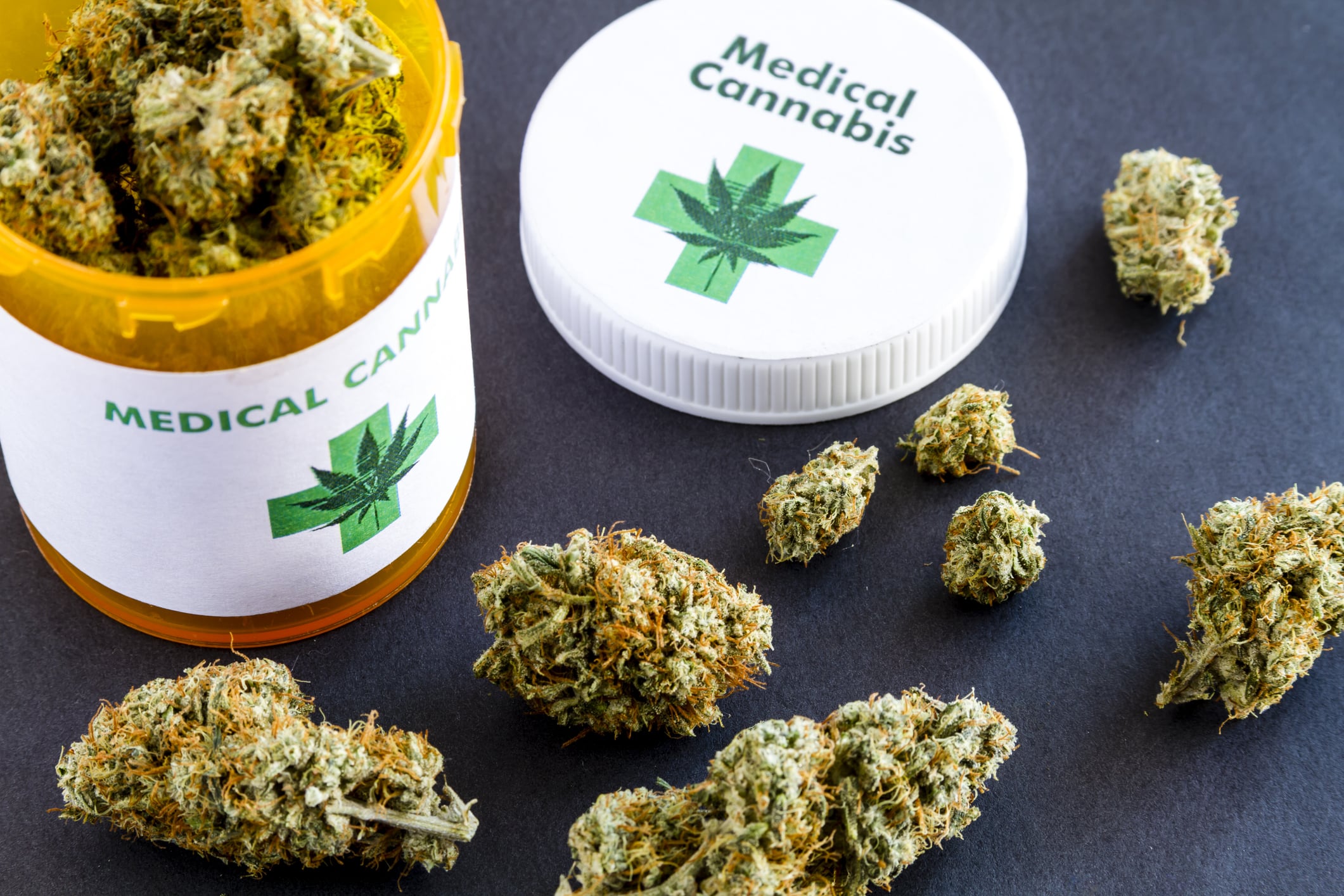
- Flower (Buds): This is often the most common form of medical cannabis. Prices for a single gram of flower can range from $10 to $20, with ounces (approximately 28 grams) potentially costing anywhere from $200 to $400 or more, depending on quality and strain. Patients with higher daily dosages will see these costs accumulate quickly. For example, a patient requiring 1-2 grams per day could spend $300-$600 per month on flower alone.
- Vape Cartridges: Pre-filled cartridges containing cannabis oil are popular for their convenience and discretion. Prices typically range from $40 to $80 for a 0.5-gram cartridge and $70 to $120 for a 1-gram cartridge. The longevity of a cartridge depends on usage frequency, but a regular user might go through 2-4 cartridges per month, leading to a monthly expense of $100-$300.
- Edibles: Products like gummies, chocolates, and tinctures offer a discreet and long-lasting effect. Prices for edibles can vary based on dosage and product type, often ranging from $20 to $60 per package. The total cost will depend on the patient’s required dosage and how frequently they consume edibles.
- Other Products: Concentrates (shatter, wax, live resin), topicals, and other specialized products will have their own price points, often reflecting higher potency or specialized extraction methods. Concentrates, for instance, can be more expensive per gram but may also be more potent, potentially lasting longer.
These product costs are the primary ongoing expense and directly impact a patient’s recurring lifestyle budget. For many, finding the right balance between therapeutic efficacy and affordability is a key challenge.
Ancillary Costs
Beyond the core medical and product expenses, there are other potential costs that patients might encounter. These can include:
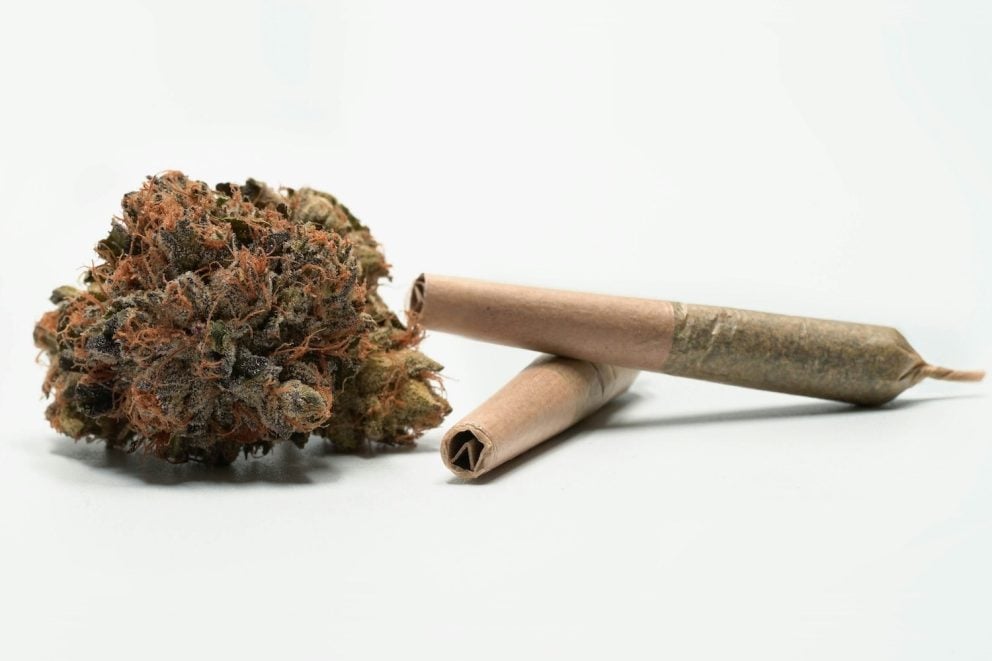
- Accessories: For patients consuming flower, this might involve purchasing grinders, pipes, vaporizers, or rolling papers. While not strictly part of the medical cost, they are necessary for consumption and add to the overall lifestyle expense. A quality vaporizer can be a significant upfront investment ($100-$300+), but might save money on product over time by increasing efficiency.
- Storage Solutions: Proper storage to maintain product quality and safety might require specialized containers or humidors.
- Delivery Fees (if applicable): Some dispensaries may offer delivery services, especially in more rural areas or for patients with mobility issues. These services typically come with an additional fee.
- Travel Costs: As mentioned, transportation to and from dispensaries, especially for patients residing far from urban centers like Gulfport or Tupelo, can add up, including fuel costs or public transport fares.
While seemingly minor, these ancillary costs can accumulate and should be factored into a comprehensive lifestyle budget for medical marijuana patients.
Factors Influencing Medical Marijuana Pricing in Mississippi
The price of medical marijuana in Mississippi is not arbitrary; it’s shaped by a complex interplay of market forces, regulatory decisions, and operational realities. Understanding these factors can help patients anticipate price fluctuations and make more informed purchasing decisions.
Market Dynamics and Supply & Demand
As a nascent market, Mississippi’s medical cannabis industry is still finding its equilibrium. Initially, limited cultivation and processing facilities can lead to higher prices due to constrained supply. As more cultivators and processors become operational and expand their production, increased supply is likely to drive prices down. Demand also plays a critical role. A higher number of registered patients seeking medical cannabis could put upward pressure on prices if supply doesn’t keep pace. Furthermore, the cost of cultivation itself – including energy, labor, equipment, and compliance with strict agricultural standards – directly impacts the wholesale price for dispensaries, which is then passed on to the consumer. For instance, growing premium, organic strains requires more resources, leading to higher retail prices. The efficiency and scale of the supply chain will significantly influence the long-term affordability for patients integrating this into their lifestyle.
Taxation and Regulatory Framework
Taxes are an unavoidable component of most regulated industries, and medical marijuana is no exception. Mississippi levies a wholesale tax on cannabis products sold between cultivation facilities and dispensaries, and potentially a state sales tax at the retail level. These taxes are ultimately absorbed into the final retail price, increasing the cost for patients. Beyond direct taxation, the extensive regulatory framework governing medical cannabis in Mississippi also contributes to pricing. Strict testing requirements, security protocols, licensing fees for cultivators and dispensaries, and seed-to-sale tracking systems all add to the operational costs for businesses. These compliance costs are significant and are factored into the pricing strategy of dispensaries, impacting the lifestyle budget of patients. The state’s commitment to product safety and quality, while beneficial for patients, inherently comes with an associated financial cost.
Geographic Variations
While statewide regulations provide a baseline, there can be subtle geographic variations in pricing across Mississippi. Dispensaries in larger urban centers like Jackson or Gulfport might experience more competition, potentially leading to competitive pricing. Conversely, dispensaries in less populated areas, perhaps like Tupelo, might face less competition but higher logistical costs for transporting products, which could translate to slightly different price points. Real estate costs for dispensary locations also vary by region, and these operational overheads are reflected in product pricing. Patients might find marginal price differences by traveling to different areas, though the travel costs often outweigh any potential savings, making local options more practical for most lifestyle considerations.
Navigating Affordability: Tips for Mississippi Patients
Managing the costs of medical marijuana is an ongoing aspect of the patient lifestyle in Mississippi. With careful planning and informed choices, patients can effectively integrate these expenses into their personal finance strategies.
Budgeting for Medical Marijuana
The most fundamental step is to create a realistic budget that accounts for all aspects of medical marijuana expenses. This includes the initial consultation and state card fees, as well as recurring product costs and ancillary items. Patients should track their consumption rates and average monthly spending to understand their financial outlay. It can be helpful to set a specific monthly allowance for medical cannabis, just as one would for groceries or utilities, to avoid overspending. Considering the initial investment in a quality vaporizer might save money in the long run by requiring less product for the same effect. Regular reviews of this budget can help patients adapt to changes in their medical needs or market prices, ensuring that medical cannabis remains an affordable and sustainable part of their lifestyle.
Leveraging Dispensary Deals and Loyalty Programs
As the market matures, many dispensaries in Mississippi are beginning to offer various incentives to attract and retain customers. Patients should actively seek out these opportunities. This might include:
- First-time patient discounts: Many dispensaries offer a percentage off the first purchase.
- Daily or weekly specials: Keep an eye out for specific product sales or “happy hour” discounts.
- Loyalty programs: Signing up for a dispensary’s loyalty program can earn points for every dollar spent, redeemable for discounts on future purchases.
- Bulk purchase discounts: Buying larger quantities of flower or cartridges, if financially feasible and within possession limits, can often result in a lower per-unit cost.
- Discounts for veterans or low-income patients: Some dispensaries may offer compassionate care programs or specific discounts for qualifying individuals.
Actively engaging with local dispensaries and staying informed about their promotions can significantly reduce overall costs, making medical marijuana more accessible within a patient’s lifestyle budget.
Understanding Product Potency and Value
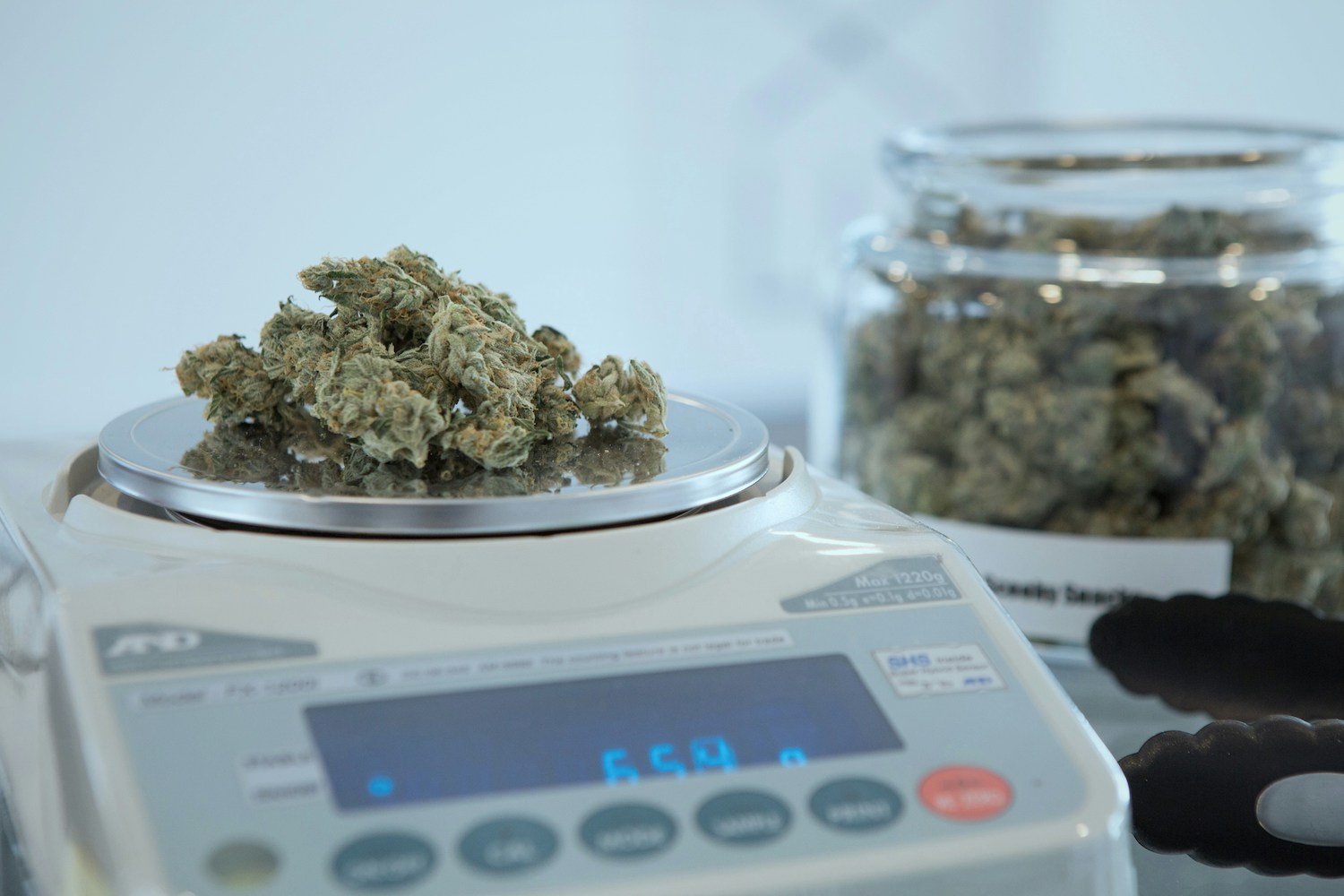
Not all cannabis products are created equal, and understanding potency is key to maximizing value. A higher THC or CBD percentage in flower or concentrates might mean a patient needs to consume less to achieve the desired therapeutic effects, potentially making a slightly more expensive but potent product more cost-effective in the long run. Patients should discuss potency options with their recommending physician and dispensary staff to find products that offer the best balance of efficacy and economic value. Comparing the cost per milligram of active cannabinoids across different product types (e.g., flower vs. edibles vs. tinctures) can reveal which options provide the most bang for the buck. Educating oneself on different strains and their effects can also help in choosing products that specifically target their condition, avoiding unnecessary purchases and making their medical marijuana usage a more efficient and integrated part of their lifestyle.
In conclusion, while the initial costs of obtaining a medical marijuana card in Mississippi are relatively fixed, the ongoing expenses primarily hinge on product choices and consumption habits. By understanding the factors that influence pricing, budgeting diligently, and leveraging available discounts, patients can navigate the financial landscape of medical cannabis and successfully incorporate this vital treatment into their daily lives without undue financial strain.
LifeOutOfTheBox is a participant in the Amazon Services LLC Associates Program, an affiliate advertising program designed to provide a means for sites to earn advertising fees by advertising and linking to Amazon.com. Amazon, the Amazon logo, AmazonSupply, and the AmazonSupply logo are trademarks of Amazon.com, Inc. or its affiliates. As an Amazon Associate we earn affiliate commissions from qualifying purchases.