
Traveling through the United States offers a fascinating tapestry of cultures, landscapes, and experiences, but it also presents a varied financial landscape, particularly concerning local and state taxes. For visitors planning a trip to the Magnolia State, understanding “What Is Sales Tax In Mississippi?” is more than just a trivial detail; it’s a crucial component of effective budget planning and an insight into how the state funds its public services. From the historic battlefields of Vicksburg National Military Park to the vibrant music scene of Jackson and the beautiful beaches of Biloxi, every purchase, big or small, will likely include sales tax. This comprehensive guide will demystify Mississippi’s sales tax system, helping you navigate your travels with financial confidence and avoid any unexpected surprises.
The Fundamentals of Mississippi Sales Tax
At its core, sales tax in Mississippi is a consumption tax levied on the sale of goods and certain services within the state. It’s a key revenue generator for the state government, supporting everything from education and infrastructure to public safety and health services. For travelers, understanding these fundamentals is the first step toward smart spending.
The Statewide Rate: What Travelers Can Expect
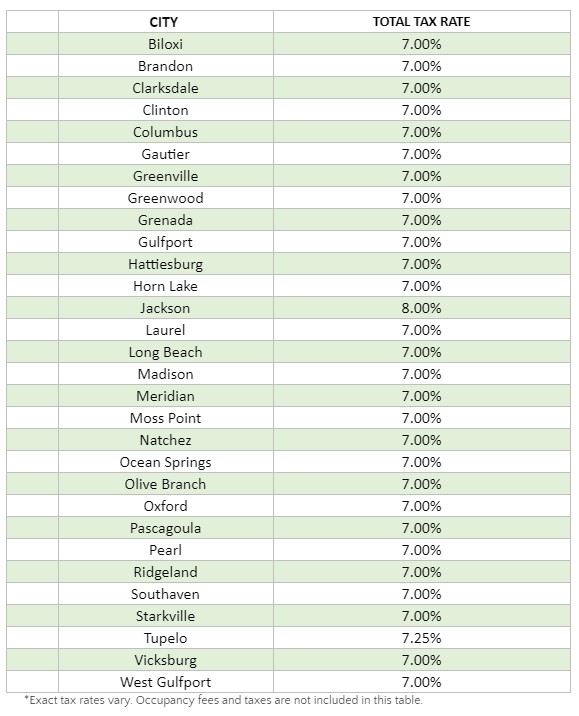
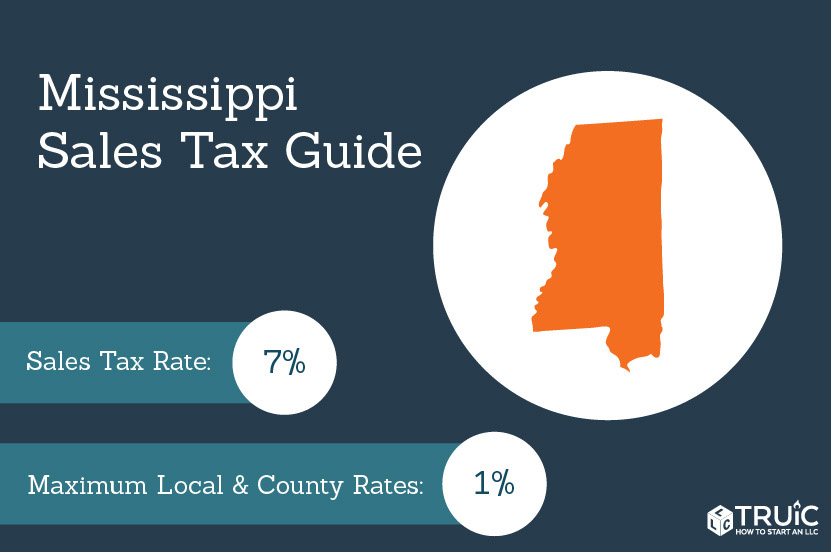
Mississippi maintains a relatively consistent statewide sales tax rate, which simplifies budgeting somewhat compared to states with more complex tiered systems. The general statewide sales tax rate is 7%. This rate applies to most tangible personal property sold at retail, including clothing, souvenirs, electronics, and general merchandise you might purchase during your trip.
It’s important to remember that this 7% is the state portion. While many states have varying rates based on the type of good or service, Mississippi’s uniform rate makes it easier to estimate the tax on common purchases. However, it’s the combination of this statewide rate with potential local taxes that truly determines your final cost.
Local Sales Taxes: How Cities and Counties Impact Your Purchases
While the 7% statewide sales tax is ubiquitous, certain cities and counties in Mississippi have the authority to impose additional local taxes. These local taxes are often referred to as “local option sales taxes” or specific “tourism taxes” designed to fund local initiatives, tourism promotion, or specific infrastructure projects.
For instance, popular tourist destinations like Jackson, Biloxi, and Gulfport might have additional taxes on things like prepared food, beverages, or lodging. These local rates are typically added on top of the state’s 7%. A city might have an additional 1% or 2% restaurant tax, for example, meaning your total sales tax on a meal could be 8% or 9%. Always check your receipts, especially in major tourist hubs, to see the breakdown of state and local taxes. These local surcharges can significantly impact your travel budget, particularly if you frequent restaurants or stay in hotels in these areas.
Understanding Exemptions for Tourists and Residents
While sales tax is broad, not everything is taxed. Mississippi provides several exemptions, though most are more relevant to residents than to transient travelers. For example, most unprepared food (groceries) is exempt from sales tax. This means if you buy ingredients to cook yourself, you won’t pay the 7% sales tax on those items. However, prepared food, whether from a restaurant or a deli counter, is taxable.
Other notable exemptions include certain agricultural products, prescription medications, and some professional services. For the average traveler purchasing souvenirs, dining out, or staying in a hotel, it’s safe to assume that most transactions will be subject to sales tax. While specific exemptions exist, they generally won’t apply to the typical expenses encountered during a tourist visit.
Where Sales Tax Applies: Common Tourist Expenses
Understanding the categories of goods and services subject to sales tax is essential for any traveler. In Mississippi, the sales tax net is cast fairly wide, encompassing most of what a tourist would typically spend money on.
Accommodation: Hotels, Motels, and Short-Term Rentals
One of the largest expenditures for many travelers is accommodation. In Mississippi, stays at hotels, motels, and even short-term rental properties (like those booked through online platforms) are generally subject to the statewide 7% sales tax. Beyond this, many cities and counties impose additional lodging taxes or tourism taxes.
For example, a night at the Jackson Marriott or the Beau Rivage Resort & Casino in Biloxi won’t just reflect the room rate; it will include the state sales tax plus any applicable local lodging taxes. These local taxes can vary widely, sometimes adding another 2-5% or even more to your bill. It’s crucial to factor these into your accommodation budget, as they can significantly increase the total cost of your stay, especially for longer trips.
Dining Out: Restaurants and Food Purchases
Enjoying Mississippi’s famed Southern cuisine, from barbecue to fresh seafood, is a highlight for many visitors. When you dine out at restaurants, cafes, or even purchase prepared foods from grocery stores, you will typically pay the 7% statewide sales tax.
Furthermore, as mentioned earlier, some cities and counties, particularly those popular with tourists, may impose additional local sales taxes on prepared food and beverages. This means your restaurant bill might include an 8% or 9% sales tax depending on the specific location. Always check menus for any mention of local taxes or be prepared for a slightly higher total than the listed food prices.
Retail Therapy: Souvenirs, Clothing, and Goods
Whether you’re hunting for unique local crafts, clothing, or souvenirs to remember your trip, nearly all retail purchases of tangible personal property are subject to the 7% statewide sales tax in Mississippi. This includes items bought at gift shops, boutiques, department stores, and even many independent vendors.
From a T-shirt commemorating your visit to the Mississippi Children’s Museum to a local artisan’s pottery, the price tag you see on the shelf will not be the final price you pay. Remember to add 7% to account for the sales tax when budgeting for your shopping sprees.
Services and Entertainment: Attractions and Activities
Many services and admission fees to attractions are also subject to sales tax. This includes tickets to museums, historical sites, amusement parks, concerts, sporting events, and other entertainment venues. For instance, your ticket to explore Vicksburg National Military Park or catch a show in Jackson will have sales tax applied.
However, not all services are taxed. Professional services like medical treatments or legal advice are generally exempt. For the typical tourist, assume that any paid activity or entertainment admission will likely incur sales tax. Always clarify if tax is included in the advertised price or if it will be added at checkout.
Special Tax Considerations for Travelers
Beyond the general sales tax, travelers to Mississippi should be aware of specific additional taxes that can impact their budget, particularly in the tourism and hospitality sectors.
Lodging Tax: Beyond the General Sales Tax
As touched upon, lodging is a significant area where specific taxes apply. While the statewide 7% sales tax applies to your room rate, most cities and counties in tourist-heavy areas impose additional lodging taxes. These are dedicated taxes specifically on hotel and motel room rentals. The rates vary significantly by locality. Some areas might have an additional 1-3% lodging tax, while others might have a flat per-night fee. These funds are often earmarked for local tourism promotion, convention centers, or improving local infrastructure that benefits visitors. Always check the fine print when booking your accommodation or inquire directly with the hotel about all applicable taxes and fees to get the true total cost.
Restaurant and Prepared Food Taxes in Specific Locales
While the statewide 7% sales tax applies to prepared food, certain cities in Mississippi have implemented an additional “restaurant tax” or “food and beverage tax.” These are usually a percentage (e.g., 1-2%) added to the state sales tax on all prepared food and alcoholic beverages sold in restaurants, bars, and sometimes even convenience stores that sell hot food. These taxes are often prevalent in areas like Jackson, Biloxi, and Gulfport, where tourism and dining are significant contributors to the local economy. Be mindful that your bill total will reflect these additional charges, pushing the effective sales tax rate on your meals higher than the general 7%.
Vehicle Rentals and Other Travel-Related Services
For travelers planning to rent a car to explore the scenic routes of Mississippi, it’s important to note that vehicle rentals are subject to the 7% statewide sales tax. Additionally, you may encounter other surcharges and fees specific to rental cars, such as airport concession fees, vehicle license recovery fees, or energy surcharges, which are distinct from sales tax but contribute to the overall cost. While these are typically laid out by rental agencies, they are an important part of your travel budget. Other travel-related services, such as guided tours or charter bus services, are also typically subject to sales tax, further emphasizing the need for comprehensive budgeting.
Budgeting for Sales Tax in Your Mississippi Trip
An enjoyable and stress-free trip to Mississippi includes sound financial planning. Accounting for sales tax is a simple yet often overlooked step that can prevent budget overruns.
Estimating Your Sales Tax Spend
A good rule of thumb for estimating sales tax is to add an extra 7% to 10% on top of your anticipated spending for taxable goods and services. For most retail purchases, a straightforward 7% calculation is sufficient. However, for accommodations and dining, especially in tourist hotspots, it’s wise to budget on the higher end due to potential local lodging or restaurant taxes.
For example, if you anticipate spending $100 on souvenirs, add $7 for sales tax. If your daily hotel room rate is $150, estimate an additional $10.50 for state sales tax, plus whatever local lodging tax might apply (which could be another $3-$8). Factor in similar calculations for your dining budget. Creating a rough spreadsheet of your expected expenditures for lodging, food, shopping, and activities, and then adding a tax column, can give you a clearer picture.
Tips for Smart Spending and Saving
- Look for “Tax Included” Pricing: While rare for everyday purchases, some package deals or tour operators might advertise prices that explicitly state taxes are included. Always clarify this upfront.
- Utilize Grocery Stores for Meals: Since unprepared groceries are exempt from sales tax, buying snacks, drinks, and ingredients for simple meals at a grocery store can save you money compared to dining out, which is always taxed.
- Keep Receipts: Reviewing your receipts helps you understand what taxes were applied and can help refine your budget for future trips or even spot errors.
- Research Local Taxes: Before visiting a specific city or region in Mississippi, a quick online search for “[City Name] local sales tax” or “[City Name] lodging tax” can provide specific rates and help you budget more accurately.
The Impact on Overall Travel Costs
While 7% might seem small on individual purchases, sales tax can accumulate rapidly and significantly impact your overall travel costs. For a week-long trip, if you spend, for example, $1000 on taxable items (accommodation, food, souvenirs, attractions), you could easily incur $70-$100 or more in sales tax alone, depending on local surcharges. This is money that could otherwise be allocated to an extra meal, an additional attraction, or simply kept in your pocket. By conscientiously factoring in sales tax from the outset, you ensure that your travel budget remains realistic and that you avoid any unwelcome surprises, allowing you to fully enjoy the charm and hospitality of Mississippi.
In conclusion, while the core statewide sales tax in Mississippi is a straightforward 7%, the landscape becomes a bit more nuanced with the addition of local taxes on lodging and prepared foods in popular tourist destinations. By understanding these nuances and proactively budgeting for them, travelers can enjoy a seamless and financially predictable journey through the diverse attractions and rich culture of the Magnolia State. Happy travels!
LifeOutOfTheBox is a participant in the Amazon Services LLC Associates Program, an affiliate advertising program designed to provide a means for sites to earn advertising fees by advertising and linking to Amazon.com. Amazon, the Amazon logo, AmazonSupply, and the AmazonSupply logo are trademarks of Amazon.com, Inc. or its affiliates. As an Amazon Associate we earn affiliate commissions from qualifying purchases.