
For travelers seeking to immerse themselves in the authentic essence of a destination, understanding its symbols offers a profound gateway into local culture and heritage. State symbols, whether animals, birds, or flora, often encapsulate the spirit, history, and natural beauty of a region. In the heart of the Southern United States, a state renowned for its deep historical roots, vibrant music, and gracious hospitality, the state flower serves as a particularly evocative emblem. For Mississippi, this cherished floral symbol is none other than the magnificent Magnolia, specifically the Magnolia grandiflora, commonly known as the Southern Magnolia.
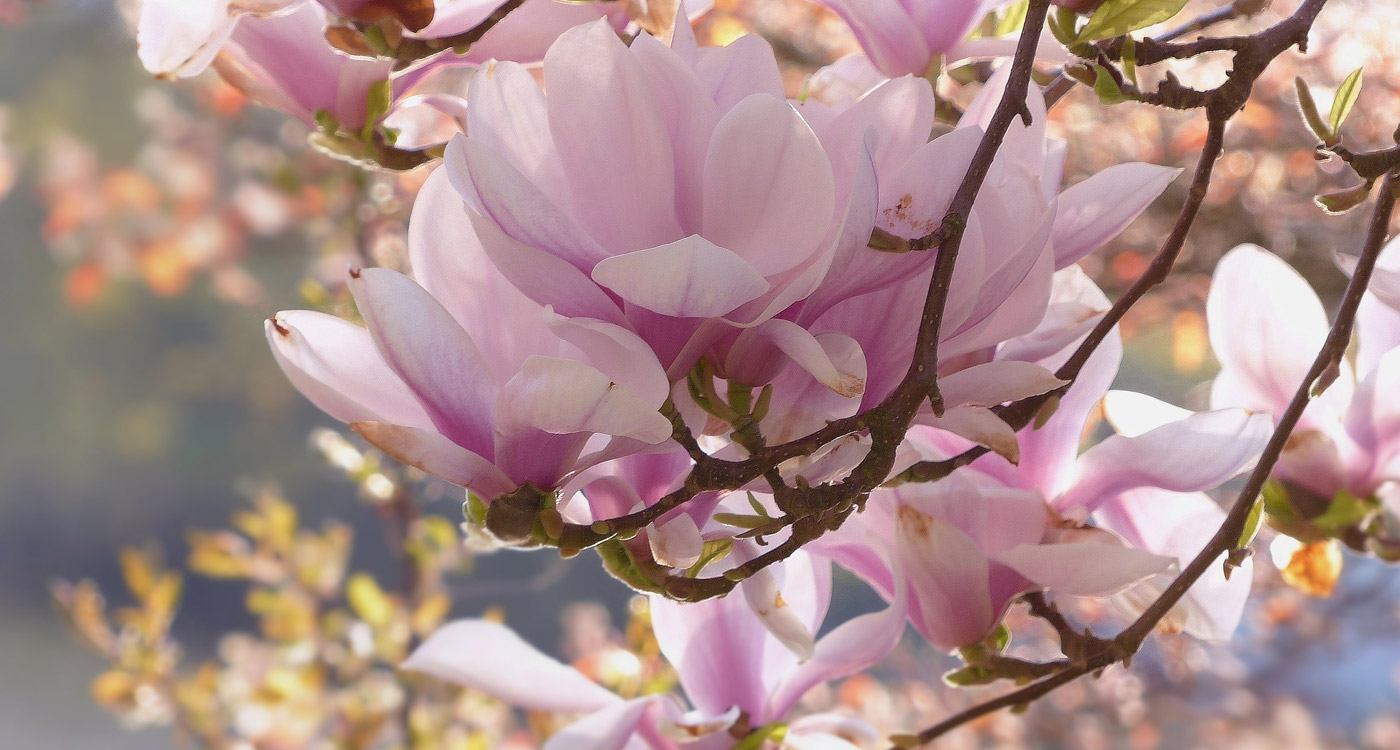
This iconic bloom is far more than just a pretty flower; it is a foundational pillar of Mississippi’s identity, influencing its nickname, art, and the very ambiance that beckons visitors. Its presence speaks volumes about the state’s natural landscape, its enduring grace, and its welcoming spirit, making it an essential element for any tourist to appreciate when exploring the rich tapestry of the Magnolia State.
The Majestic Magnolia: A Symbol of the South
The Southern Magnolia is an evergreen tree celebrated for its striking beauty and pervasive fragrance, making it a natural choice to represent a state with such a rich natural endowment. Its robust presence and distinctive features have made it an unmistakable icon not only for Mississippi but for the entire South.
A Legacy Etched in Nature
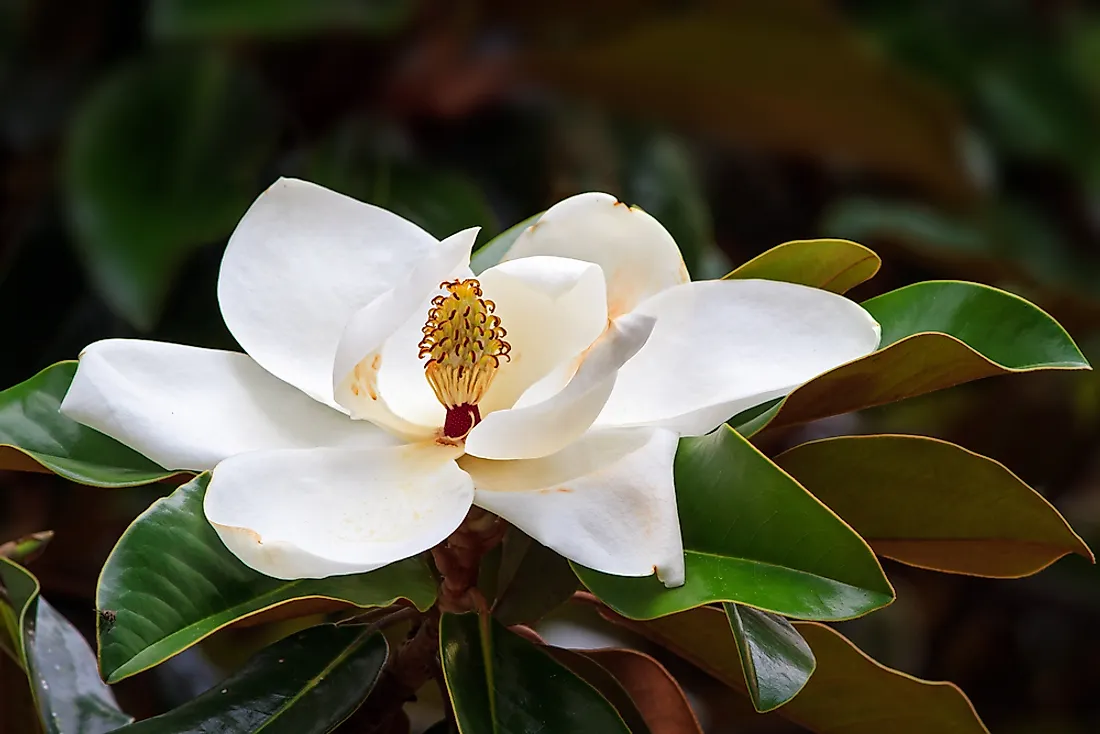
Botanically, the Magnolia grandiflora is a sight to behold. It boasts large, glossy dark green leaves, which are often fuzzy and brown on the underside, providing a year-round lushness. But it is during the late spring and summer months that the tree truly shines, unfurling colossal, creamy-white flowers. These blooms can measure up to 12 inches in diameter, featuring thick, waxy petals that exude a powerful, sweet, and lemony fragrance, a scent that defines the Southern summer air. The sheer scale and pristine beauty of these flowers make them instantly recognizable and deeply memorable.
The Magnolia’s resilience is equally remarkable. These trees are incredibly hardy, capable of thriving in a variety of soils and enduring both the humid summers and occasional mild winters of Mississippi. This steadfastness, combined with its evergreen nature, symbolizes an enduring strength and perpetual grace, qualities deeply admired within the state’s cultural narrative. From grand avenues to sprawling plantations and quiet suburban gardens, the Magnolia tree stands as a majestic sentinel, a constant reminder of the region’s natural grandeur.
More Than Just a Flower: Cultural Significance
The selection of the Magnolia as Mississippi’s state flower in 1952 was not merely an aesthetic choice; it was a deeply meaningful one, formalizing a relationship that had existed for generations. The Magnolia had long been informally associated with the state, earning Mississippi the affectionate moniker “The Magnolia State” long before its official designation. This enduring connection stems from the flower’s embodiment of several core Southern values and characteristics.
The Magnolia symbolizes dignity and nobility, its large, opulent blossoms suggesting a certain regal bearing. Its long lifespan and evergreen foliage represent endurance and persistence, echoing the resilience found in the state’s history and its people. Furthermore, the tree’s widespread presence throughout the landscape evokes a sense of home and belonging. For tourists, encountering a Magnolia in full bloom is often an experience that instantly transports them into the heart of Southern charm, elegance, and hospitality. It’s a visual and olfactory cue that signifies a unique sense of place, deeply interwoven with the fabric of Mississippi’s cultural identity.
Magnolia’s Role in Mississippi’s Identity and Tourism
The Magnolia’s influence extends far beyond its botanical appeal, permeating various aspects of Mississippi’s public identity and playing a significant role in shaping the perception and experience of the state for visitors. Its omnipresence reinforces a strong, cohesive brand that resonates with tourists seeking an authentic Southern experience.
Embracing the “Magnolia State” Nickname
The nickname “The Magnolia State” is more than just an informal appellation; it’s a profound statement of identity that is officially recognized and celebrated. This connection is visible across the state, from official government seals to the iconic imagery found on Mississippi license plates. The elegant silhouette of a Magnolia bloom or a full-bodied tree is a recurring motif, signifying pride in its natural heritage. For tourists, encountering this symbol frequently helps to build a cohesive mental image of the state, associating it with beauty, resilience, and a distinctive Southern allure.
This strong symbolic link also facilitates storytelling. Tour guides often begin their narratives by referencing the state flower, instantly grounding visitors in the local context. It offers a tangible and beautiful starting point for discussions about Mississippi’s unique environment, its historical estates adorned with these majestic trees, and the cultural nuances that make the state so captivating. The nickname essentially serves as a shorthand for the state’s entire natural and cultural brand, inviting deeper exploration into what makes the Magnolia State truly special.
Where to Experience the Magnolia’s Splendor
For visitors eager to witness the splendor of the Southern Magnolia firsthand, Mississippi offers countless opportunities. The best time to see the flowers in full bloom is typically from late spring through early summer, though the evergreen foliage is beautiful year-round.

One of the most enriching ways to experience Magnolias is by visiting the state’s historic homes and plantations. Estates in cities like Natchez and Vicksburg are often framed by ancient Magnolia trees, their grandeur adding to the architectural beauty and historical ambiance. Walking through these grounds, visitors can appreciate not only the well-preserved history but also the enduring natural landscape that has witnessed centuries of stories unfold.
University campuses, such as Mississippi State University in Starkville and the University of Mississippi in Oxford, also boast magnificent specimens, often lining pathways and courtyards, creating an academic setting imbued with Southern charm. Furthermore, numerous botanical gardens and state parks across Mississippi feature dedicated collections and natural stands of Magnolias. Even driving through residential areas in cities like Jackson or along the scenic routes of the Gulf Coast will reveal countless Magnolias gracing front yards and public spaces, allowing tourists to effortlessly immerse themselves in the state’s signature floral beauty.
The Magnolia’s Influence on Local Culture and Arts
Beyond its natural prevalence and symbolic importance, the Magnolia profoundly influences the cultural and artistic expressions within Mississippi. It serves as a muse, a decorative element, and a thematic cornerstone, enriching the local atmosphere for both residents and visitors.
Culinary Delights and Magnolia Inspiration
While directly consuming Magnolia flowers is not a common practice, the flower’s imagery and essence often inspire the presentation and ambiance of local culinary experiences. Restaurants and cafes, particularly those emphasizing Southern cuisine and hospitality, frequently incorporate Magnolia motifs into their decor, from elegant floral arrangements to printed menus and tableware patterns. This creates an inviting and regionally specific dining atmosphere, subtly reminding diners of their location in the Magnolia State.
Local food artisans and mixologists might also draw inspiration from the Magnolia’s sweet, heady fragrance. While not using the flower itself, they might craft dishes or drinks with profiles that evoke its characteristic aroma—perhaps through the use of other floral essences or citrus notes that complement the Magnolia’s natural perfume. The idea is to create a sensory experience that resonates with the pervasive beauty of the state flower, integrating it into the broader narrative of Southern hospitality and taste.
Artistic Expressions and Souvenirs
The Magnolia’s striking appearance makes it a favorite subject for artists and craftspeople throughout Mississippi. From oil paintings depicting majestic blooms to intricate pottery designs and delicate jewelry, the flower’s image is celebrated across various artistic mediums. Local galleries and artisan markets, especially in tourist-heavy areas, often feature a wealth of Magnolia-inspired creations, offering visitors unique and meaningful souvenirs.
These artistic representations extend to literature and poetry as well, where the Magnolia often serves as a metaphor for Southern beauty, resilience, or even the passage of time. For a tourist, purchasing a piece of Magnolia-themed art or a craft item is not just buying a souvenir; it’s taking home a tangible piece of Mississippi’s soul, a handcrafted reminder of the state’s natural elegance and cultural depth. These items allow visitors to carry the spirit of the Magnolia State with them, long after their journey concludes.
Preserving the Magnolia’s Beauty for Future Generations
As custodians of its natural heritage, Mississippi understands the importance of preserving the Magnolia’s splendor. Sustainable tourism practices and conservation efforts are crucial to ensure that this iconic flower continues to thrive for future generations of residents and visitors alike.
Conservation Efforts and Sustainable Tourism
The health of the Magnolia population is integral to the state’s ecological balance and its cultural identity. While the Southern Magnolia is not considered endangered, efforts to maintain healthy urban forests and protected natural areas where they flourish are vital. These initiatives often involve responsible land management, planting programs, and educational outreach to promote awareness of the ecological value of native species.
For tourists, engaging in sustainable practices means respecting natural habitats, staying on marked trails, and refraining from picking flowers or disturbing plant life. Supporting local botanical gardens and parks, many of which are dedicated to the preservation of native flora, is another way visitors can contribute positively. By doing so, tourists play an active role in ensuring that the beauty and fragrance of the Magnolia remain a vibrant part of the Mississippi landscape for years to come. This mindful approach to travel enhances the experience, allowing for a deeper appreciation of the natural environment and the efforts to protect it.
Engaging with Mississippi’s Natural Heritage
Learning about the state flower is an excellent starting point for engaging with Mississippi’s broader natural heritage. Many state parks and nature centers offer interpretive programs that delve into the local ecosystem, highlighting the Magnolia alongside other native plants and wildlife. These programs provide invaluable insights into the interconnectedness of the environment and the historical uses and significance of various flora.
Visitors are encouraged to explore these natural settings, perhaps taking a guided nature walk or simply enjoying a quiet moment under the shade of a towering Magnolia. Such experiences foster a deeper connection to the destination, moving beyond superficial sightseeing to a more profound understanding of the natural world that shapes local culture. The Magnolia, in its enduring beauty, acts as a living bridge, connecting visitors to the very heart and soul of the Magnolia State.
In conclusion, the state flower of Mississippi, the Southern Magnolia, is far more than a simple botanical designation. It is a powerful symbol that embodies the state’s natural beauty, its historical resilience, and its warm, inviting spirit. For any traveler exploring the rich cultural tapestry of the South, understanding and appreciating the Magnolia offers a unique lens through which to view Mississippi. Its majestic blooms and enduring presence are a testament to a state proud of its heritage, inviting all to experience its profound charm firsthand and carry a piece of its natural elegance in their memories.
LifeOutOfTheBox is a participant in the Amazon Services LLC Associates Program, an affiliate advertising program designed to provide a means for sites to earn advertising fees by advertising and linking to Amazon.com. Amazon, the Amazon logo, AmazonSupply, and the AmazonSupply logo are trademarks of Amazon.com, Inc. or its affiliates. As an Amazon Associate we earn affiliate commissions from qualifying purchases.