
The convergence of the Missouri River and the Mississippi River is one of North America’s most profound geographical spectacles, a natural landmark that has shaped the history, ecology, and culture of the United States. More than just a simple meeting of two waterways, this confluence represents the coming together of two immense drainage basins, creating a powerful, singular current that continues its journey to the Gulf of Mexico. To stand at this point is to witness a dynamic hydrological event, a historical crossroads, and a vibrant ecological zone. This article delves into the precise location and profound significance of this iconic natural landmark.
The Iconic Confluence: A Geographical Marvel
The meeting point of the Missouri River, often called the “Big Muddy” due to its sediment load, and the mighty Mississippi River is not merely a line on a map but a tangible, observable event that carries immense geographical weight. This landmark represents the joining of two of the world’s longest river systems, with far-reaching implications for hydrology, navigation, and the natural environment.
Unveiling the Meeting Point
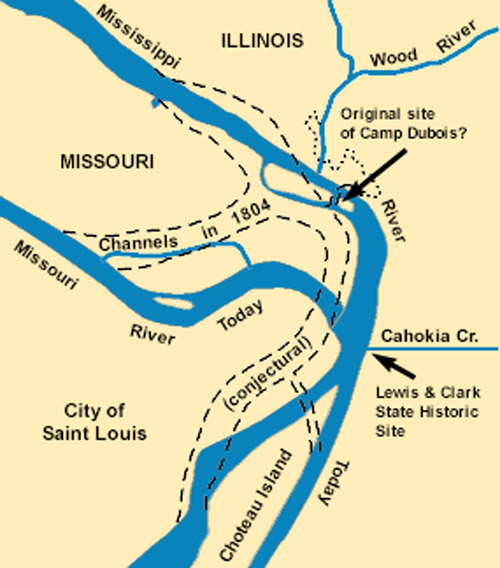
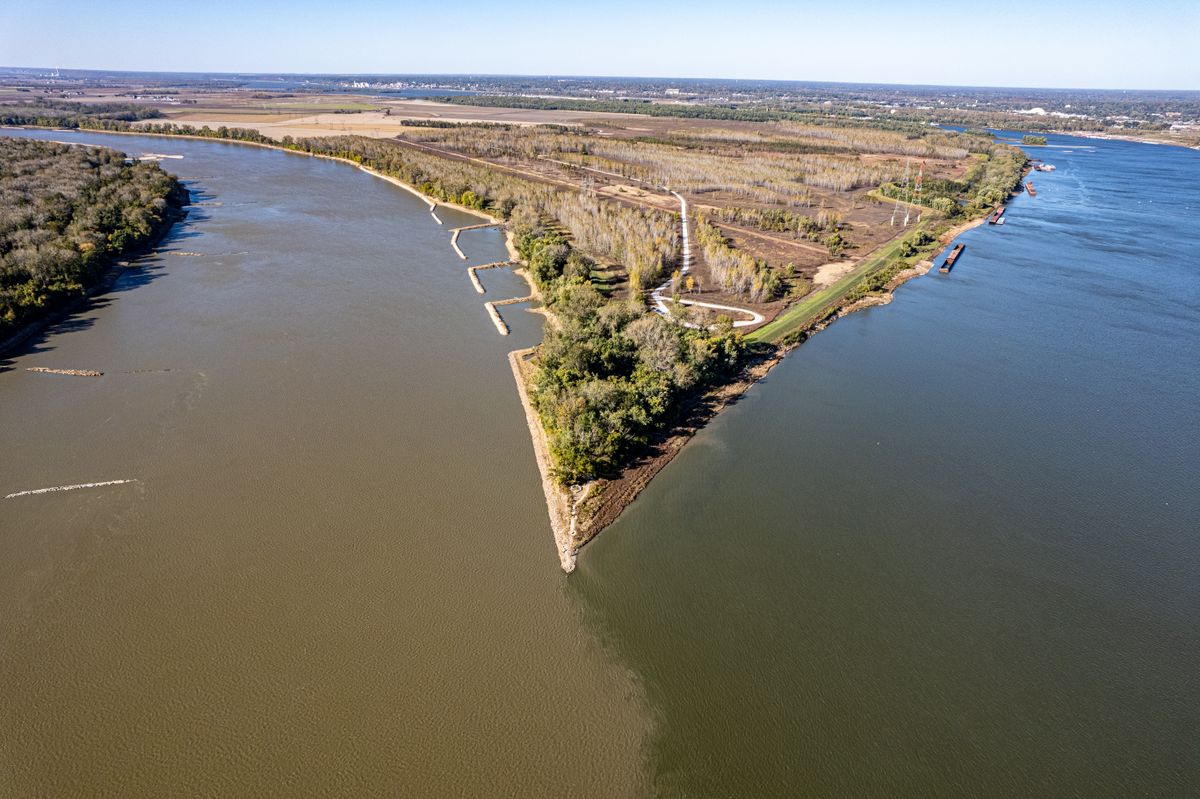
The exact location where the Missouri River empties into the Mississippi River is situated approximately 15 miles north of downtown St. Louis, Missouri. Specifically, this monumental event occurs near Hartford, Illinois, at a place officially recognized as Confluence Point State Park. From the elevated observation deck or the walking trails within the park, visitors can distinctly see the two rivers converging. The contrast between the two is often striking: the Missouri typically carries a heavier load of silt and appears brown or muddy, while the Mississippi above the confluence often appears clearer, especially during drier periods. The moment they merge, the distinct colors swirl and gradually blend, creating a unified flow that continues southward. This visible boundary, though transient, is a powerful reminder of the distinct journeys each river has undertaken before their union. The geography of the confluence itself is dynamic, with sandbars and islands constantly shifting due to the immense power of the rivers. The land surrounding this point, particularly within the Columbia Bottom Conservation Area on the Missouri side, is low-lying flood plain, a testament to the rivers’ historical influence on the landscape.
Scale and Significance
The scale of this confluence is staggering. The Missouri River, at 2,341 miles, is the longest river in North America, while the Mississippi River, at 2,340 miles, is the second longest. However, when combined with its longest tributary (the Missouri), the Mississippi-Missouri river system stretches over 3,745 miles, making it the fourth-longest river system in the world. The point where these giants meet signifies the integration of an enormous drainage basin covering more than one-third of the continental United States. This vast watershed collects water from 31 states and two Canadian provinces. The sheer volume of water, sediment, and nutrients transported by these rivers has profound ecological and economic impacts. For instance, the increased sediment load from the Missouri dramatically alters the Mississippi’s character downstream, affecting everything from fish habitats to navigation channels and even the landscape of the Mississippi River Delta in Louisiana. As a landmark, it’s not just a beautiful sight; it’s a living, breathing hydrological powerhouse.
Historical Tapestry of the Great Rivers
The confluence has served as a pivotal point in American history, shaping exploration, trade, and settlement long before the advent of modern transportation. It is a landmark deeply embedded in the narrative of westward expansion and the development of the nation.
Pathways for Exploration and Trade
For millennia, the Missouri River and Mississippi River served as vital arteries for Indigenous peoples, connecting diverse cultures and facilitating trade across vast distances. The strategic location of their meeting point would have been recognized for its importance in terms of travel and resource access. When European explorers arrived, these rivers became the primary highways into the North American interior. The most famous expedition, that of Lewis and Clark (the Corps of Discovery), departed from a camp near the confluence in May 1804. Their journey up the Missouri River marked a monumental step in understanding the continent’s geography and opened the door for further exploration and American settlement of the western territories. The confluence was the literal starting point for the mapping of the American West. Beyond exploration, the rivers became critical for commerce. Steamboats plied the waters, carrying furs, timber, agricultural products, and manufactured goods, with the confluence acting as a natural hub where goods from the Missouri’s extensive drainage basin could be transferred to the larger Mississippi system for transport south to New Orleans and the Gulf of Mexico. This commercial activity profoundly influenced the growth of nearby cities like St. Louis, solidifying its role as the “Gateway to the West.” The confluence, therefore, is not just a geographical feature; it’s a historical monument to human endeavor and expansion.
Shaping the American Landscape

The enduring influence of the Missouri-Mississippi confluence extends beyond mere transportation. It played a significant role in shaping the geopolitical and cultural landscape of the United States. The rich alluvial soils deposited by the rivers created incredibly fertile farmlands, attracting settlers and driving agricultural development across the Midwest. The frequent flooding, while destructive, also replenished these soils, contributing to the region’s agricultural prosperity. Control and navigation of these rivers were paramount during times of conflict, most notably during the American Civil War, when control of the Mississippi was a key Union strategy. Today, the confluence remains a critical component of the nation’s inland waterway system, facilitating the movement of bulk goods like grain, coal, and petroleum. Its historical significance as a landmark is not confined to the past; it continues to influence regional economies and strategic planning, embodying the interconnectedness of geography, history, and modern society. The recognition of this landmark is a nod to its foundational role in forging the American identity.
Ecological Richness and Natural Beauty
Far from being solely a point of geographical or historical interest, the confluence of the Missouri and Mississippi Rivers is a vibrant ecological hotspot, a crucial habitat for a diverse array of flora and fauna, and a place of significant natural beauty.
Biodiversity at the Waters’ Edge
The unique hydrological conditions created by the meeting of these two massive rivers support an incredible level of biodiversity. The confluence zone, with its varying sediment loads, water temperatures, and flow rates, creates a mosaic of habitats. Fish species, including catfish, sturgeon, and carp, thrive in these waters, benefiting from the rich nutrient flow. The surrounding bottomland forests and wetlands, part of the extensive floodplains, are vital for migratory birds. The area lies within the Mississippi Flyway, one of the world’s major bird migration routes, making it a critical stopover and nesting ground for millions of waterfowl, shorebirds, and raptors. Bald eagles are commonly sighted, especially in winter. The combination of aquatic and terrestrial ecosystems also supports mammals like deer, beaver, and otters, along with numerous amphibian and reptile species. The natural processes of erosion and deposition continually reshape the riverbanks and islands, creating new niches for plant communities adapted to fluctuating water levels. This dynamic environment makes the confluence a prime location for ecological study and a natural wonder for those interested in wildlife observation. As a natural landmark, it offers a window into the complex interplay of riverine ecosystems.
Conservation Efforts and Visitor Experience
Recognizing the immense ecological value of the confluence, significant efforts have been made to preserve and interpret this natural landmark. Confluence Point State Park, managed by the Missouri Department of Natural Resources, provides public access to the precise meeting point. The nearby Columbia Bottom Conservation Area, managed by the Missouri Department of Conservation, offers extensive opportunities for hiking, fishing, birdwatching, and enjoying the natural beauty of the floodplain. These areas are dedicated to habitat restoration, flood control, and providing educational resources to visitors. Efforts focus on managing invasive species, restoring native plant communities, and monitoring wildlife populations to ensure the health of this vital ecosystem. Interpreting the natural processes and historical significance is also a key part of the visitor experience. Observation decks, informational kiosks, and guided programs help visitors understand the geological forces at play, the ecological diversity, and the historical narratives tied to this unique landmark. Protecting this site ensures that future generations can continue to witness the natural grandeur and appreciate the historical and ecological importance of where these two mighty rivers truly become one.
Visiting the Confluence: A Landmark Experience
Experiencing the confluence firsthand offers a profound connection to American geography and history. The area is easily accessible and provides various ways for visitors to appreciate this monumental landmark.
Gateway Arch National Park and Surrounding Areas
While the confluence itself is north of St. Louis, the city serves as the natural gateway for visitors. St. Louis is home to the iconic Gateway Arch National Park, a monument dedicated to Thomas Jefferson and the nation’s westward expansion, intrinsically linked to the rivers. The museum beneath the Arch provides excellent context for understanding the role of the Missouri and Mississippi Rivers in shaping the frontier. From St. Louis, visitors can easily drive to Confluence Point State Park or the Columbia Bottom Conservation Area. Driving along sections of the Great River Road, a scenic byway that follows the Mississippi, offers additional perspectives on the river’s grandeur. Nearby charming river towns such as Alton, Illinois, and Grafton, Illinois, also provide opportunities to explore river history, enjoy local cuisine, and witness stunning river views. These communities thrive on their connection to the rivers and offer museums, riverboat cruises, and observation points that complement a visit to the confluence.
Experiencing the Rivers Up Close
To truly appreciate the landmark status of the confluence, direct engagement with the rivers is highly recommended. At Confluence Point State Park, paved trails lead to the very tip of the landmass where the two rivers merge, allowing visitors to touch the waters of both rivers simultaneously. Interpretive signs explain the history and ecology of the site. Kayaking or canoeing on the calmer backwaters of the Columbia Bottom Conservation Area provides a closer view of the riverine environment and its wildlife. For a broader perspective, various commercial riverboat tours operate on the Mississippi from St. Louis or Alton, some of which may pass close to the confluence point, offering unique views from the water itself. Regardless of the chosen method, visiting this unique natural landmark provides an insightful and engaging experience, connecting visitors to the immense power, enduring history, and rich ecology of North America’s greatest rivers. It is a place where geography comes alive, history resonates, and nature’s scale is truly felt.
LifeOutOfTheBox is a participant in the Amazon Services LLC Associates Program, an affiliate advertising program designed to provide a means for sites to earn advertising fees by advertising and linking to Amazon.com. Amazon, the Amazon logo, AmazonSupply, and the AmazonSupply logo are trademarks of Amazon.com, Inc. or its affiliates. As an Amazon Associate we earn affiliate commissions from qualifying purchases.