
The powerful and harrowing 1988 film Mississippi Burning, directed by Alan Parker, plunged audiences into the racially charged atmosphere of the 1960s American South. While the narrative, centered around the investigation into the disappearance of three civil rights workers, is fictionalized, it draws heavily from the real-life murders of James Chaney, Andrew Goodman, and Michael Schwerner in Neshoba County, Mississippi, in 1964. The film’s critical acclaim and enduring impact owe much to its unflinching portrayal of historical injustices, significantly aided by its choice of authentic, evocative filming locations. Far from a mere backdrop, the landscapes and architecture chosen for Mississippi Burning became integral characters, helping to transport viewers back to a tumultuous era. For travelers and film enthusiasts alike, exploring these cinematic settings offers a unique opportunity to connect with both the art of filmmaking and the profound history it seeks to illuminate.

Unearthing the Cinematic Landscape of Mississippi Burning
Mississippi Burning is more than just a procedural drama; it’s a historical testament to a pivotal moment in the Civil Rights Movement. The narrative follows two FBI agents, played by Gene Hackman and Willem Dafoe, as they navigate a hostile and secretive community to uncover the truth behind the disappearances. To achieve the raw authenticity required to tell such a sensitive story, the filmmakers meticulously scouted locations that could genuinely represent the Deep South of 1964. This involved finding towns and rural areas that had largely preserved their period architecture and atmosphere, allowing the production designers to minimize alterations and maximize realism. The strategic choice of these settings was paramount in conveying the suffocating tension, the beauty of the untouched landscapes, and the stark realities faced by those living within this segregated society.
The challenge was immense: recreating a period that was still within living memory for many, and doing so in a way that felt respectful yet unflinching. The production team ultimately found their cinematic canvas across two Southern states: Alabama and Mississippi. These locations provided not just the physical settings but also an intangible quality that imbued the film with a palpable sense of place and history.
Primary Filming Locations: The Heart of the South
The bulk of Mississippi Burning‘s evocative scenes were captured in towns across Alabama, which offered an abundance of well-preserved 1960s-era architecture. These towns became the stand-ins for the fictional “Jessup County, Mississippi,” the epicenter of the film’s harrowing events.
Demopolis, Alabama: A Town Frozen in Time
Demopolis, a city nestled in Marengo County, Alabama, served as one of the most significant filming locations for Mississippi Burning. Its charming historic downtown, with well-preserved buildings from various architectural periods, offered the perfect setting for the fictional town of Jessup. The filmmakers were particularly drawn to Demopolis‘s broad streets, its classic brick buildings, and its stately courthouse, which became central to many key scenes.
The Marengo County Courthouse in Demopolis was extensively used for the film’s judicial and administrative sequences, lending a sense of official gravitas to the unfolding drama. Travelers visiting Demopolis today can walk the same streets where the actors portrayed the tense investigations and confrontations. The town square, with its surrounding storefronts and historic structures, provided the backdrop for numerous street scenes, capturing the daily life and simmering tensions of the community. Beyond its cinematic appeal, Demopolis itself is a town rich in history, known for its antebellum homes and Southern charm, offering visitors a glimpse into the region’s past independent of its film legacy. Exploring its historic districts provides an authentic sense of the era the film sought to depict.
Greensboro, Alabama: Echoes of the Past
Just a short drive from Demopolis, the small town of Greensboro in Hale County, Alabama, also played a crucial role in bringing Mississippi Burning to life. Greensboro’s quiet, tree-lined streets and historic homes contributed significantly to the film’s overall atmosphere. It provided the quintessential rural Southern backdrop for many of the more intimate and disturbing scenes, including the homes of various characters and the roads that wind through the seemingly peaceful yet deeply troubled landscape.
The town’s unspoiled character allowed the production crew to capture the essence of a bygone era without extensive set dressing. For those interested in cinematic tourism, a visit to Greensboro offers a chance to experience the quaint beauty of a historic Southern town that Hollywood recognized for its authenticity. Its collection of historic buildings, including the Magnolias, a well-known antebellum home, reinforces the town’s historical significance and visual appeal.
Mississippi’s Contribution: Authenticity and Atmosphere
While much of the principal photography took place in Alabama, the production team also ventured into Mississippi itself to capture certain essential elements and to ground the film in the state where the real events transpired.
Lauderdale County and Meridian: Capturing the Spirit of the State
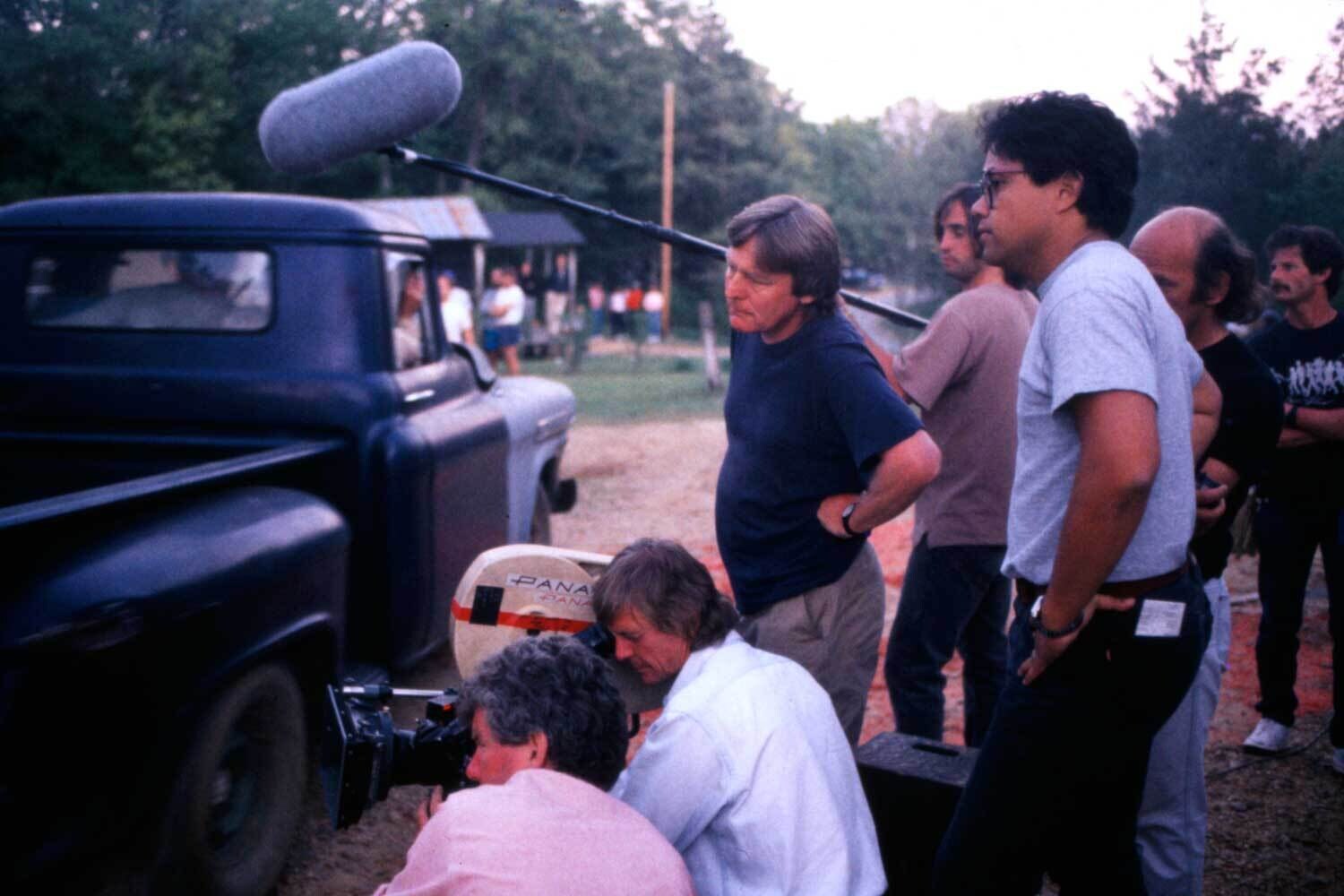
Parts of Lauderdale County, Mississippi, particularly around the city of Meridian, were utilized to film specific scenes. Meridian, one of Mississippi’s larger cities in the eastern part of the state, offered a blend of urban and rural settings that proved valuable. The surrounding areas, characterized by their dense forests, winding dirt roads, and isolated farmhouses, were crucial for capturing the film’s intense and often unsettling sequences involving car chases, nighttime ambushes, and the discovery of crucial evidence.
These Mississippi locales helped reinforce the film’s geographical authenticity, serving as a direct link to the historical context of the murders it dramatized. Travelers can explore Meridian and its environs, which are rich in history, including a vibrant downtown with turn-of-the-century architecture and museums that delve into the local past, including its role in the Civil Rights Movement.
Other Mississippi Locales: Adding Depth to the Narrative
Beyond Lauderdale County, various other unnamed rural sections of Mississippi likely contributed to the film’s evocative landscape. The need for remote, undeveloped areas to convey the isolation and fear experienced by characters was paramount. While specific towns might not be detailed in location reports, the collective atmospheric contribution of Mississippi’s natural settings, including its dense woodlands and quiet backroads, was indispensable.
For example, some historical accounts suggest that areas near Vicksburg and its surrounding Mississippi Delta region may have been scouted or used for their unique historical character and period-appropriate aesthetic. Regardless of the exact coordinates, the inclusion of authentic Mississippi locations ensured that the film felt deeply rooted in the soil from which its tragic story emerged, adding layers of credibility and emotional resonance.
Experiencing the Film’s Legacy: A Travel Guide
For film buffs and history enthusiasts, tracing the footsteps of Mississippi Burning offers a profound travel experience. It’s a journey that combines the allure of cinematic locations with an invaluable exploration of American history, particularly the ongoing legacy of the Civil Rights Movement.
Planning Your Cinematic Journey
A road trip through Alabama and Mississippi can be structured to visit the primary filming locations. Begin your journey in Demopolis, Alabama, where you can explore the Marengo County Courthouse and the historic downtown square. Allow time to wander the streets, imagining the film’s scenes unfolding around you. From there, a short drive will take you to Greensboro, where the rural charm and historic architecture continue to evoke the 1960s.
Continuing west into Mississippi, Meridian serves as a key stop. While identifying exact filming spots might require more detailed research, exploring Meridian’s historic districts and the surrounding Lauderdale County countryside will immerse you in the region’s atmosphere. This cinematic itinerary offers not just a connection to the film but also a genuine appreciation for the distinctive beauty and historical depth of the American South.
Beyond the Filming Sets: Engaging with History
While the filming locations offer a direct link to Mississippi Burning, a truly insightful journey would extend beyond movie sets to embrace the broader history of the Civil Rights Movement in the South. Alabama and Mississippi are home to numerous pivotal civil rights landmarks and museums.
Consider expanding your trip to include:
- Montgomery, Alabama: Visit the Legacy Museum and the National Memorial for Peace and Justice, as well as historic sites like the Dexter Avenue King Memorial Baptist Church.
- Selma, Alabama: Walk across the Edmund Pettus Bridge, a symbol of the struggle for voting rights.
- Birmingham, Alabama: Explore the Civil Rights Institute and the historic 16th Street Baptist Church.
- Jackson, Mississippi: Discover the Mississippi Civil Rights Museum and the Museum of Mississippi History.
Combining your cinematic tour with visits to these historically significant sites enriches the experience, providing a deeper understanding of the events that inspired Mississippi Burning and the lasting impact of the Civil Rights Movement on American society.
The Enduring Impact of Location Scouting
The meticulous selection of filming locations for Mississippi Burning underscores a fundamental truth in filmmaking: the setting is never merely a backdrop. It is an active participant, an unspoken narrator that shapes the audience’s perception and emotional connection to the story.
The Power of Authentic Settings
The authentic towns and rural landscapes of Alabama and Mississippi lent Mississippi Burning an undeniable realism. They provided the texture, the atmosphere, and the visual language necessary to convey the oppressive fear, the insidious racism, and the heroic struggle for justice depicted in the film. The choice to film in locations that genuinely reflected the era not only immersed the audience but also likely influenced the performances of the actors, rooting their portrayals in tangible reality. This commitment to authenticity elevates the film from a mere dramatization to a visceral historical experience.

Inviting Reflection Through Travel
Visiting the actual locations where Mississippi Burning was filmed offers a powerful, multi-layered travel experience. It allows enthusiasts to connect with a beloved film on a deeper level, to see the physical spaces that brought its story to life. More importantly, it provides an opportunity for reflection on the profound historical events that underpin the narrative. Standing in these towns and landscapes, one can ponder the courage of those who fought for civil rights and the enduring lessons of a dark chapter in American history. Such a journey transforms cinematic appreciation into a meaningful engagement with the past, making the travel itself a conduit for education and empathy, and reminding us of the enduring power of place in storytelling.
LifeOutOfTheBox is a participant in the Amazon Services LLC Associates Program, an affiliate advertising program designed to provide a means for sites to earn advertising fees by advertising and linking to Amazon.com. Amazon, the Amazon logo, AmazonSupply, and the AmazonSupply logo are trademarks of Amazon.com, Inc. or its affiliates. As an Amazon Associate we earn affiliate commissions from qualifying purchases.