
Flowing majestically for over 2,300 miles from its humble beginnings in Lake Itasca, Minnesota, to the Gulf of Mexico, the Mississippi River is far more than just a waterway; it is the geographical, historical, economic, and cultural backbone of the United States. Often referred to as “Old Man River” or “The Big Muddy,” its significance transcends mere physical presence, having profoundly shaped the nation’s identity from its earliest days of exploration to its modern standing. For centuries, this colossal river has served as a vital artery, carving out not only the landscape but also the destiny of a continent. Its importance is multifaceted, encompassing everything from trade and territorial expansion to providing a rich tapestry for art, literature, and ecological diversity. Understanding the Mississippi River’s role is akin to understanding the very genesis and evolution of the United States itself, making it an irreplaceable landmark that tells the story of American resilience, ingenuity, and spirit.
A Lifeline for Early Exploration and Expansion
The story of the Mississippi River is deeply intertwined with the exploration and territorial growth of the United States. Long before European arrival, Native American tribes recognized its bounty, establishing complex civilizations along its fertile banks. For nascent European powers, the river represented a gateway to the vast interior of North America, holding the promise of resources, trade routes, and strategic dominance.
Facilitating Early Exploration
The initial European encounters with the Mississippi River were driven by a quest for a Northwest Passage and the desire to exploit the continent’s riches. Explorers from both French and Spanish empires ventured into its waters, charting its course and documenting its incredible scale. In the late 17th century, French explorers like Louis Jolliet and Jacques Marquette mapped significant portions of the river, claiming the entire Mississippi River basin for France. This act effectively set the stage for competing colonial interests and highlighted the river’s strategic value as a potential highway for trade and communication, connecting the Great Lakes region to the Gulf of Mexico. These early expeditions were critical in revealing the immense scale of the North American continent and laying the groundwork for future territorial claims.
The Louisiana Purchase and Territorial Growth
Perhaps the single most significant event directly tied to the Mississippi River’s importance was the Louisiana Purchase of 1803. President Thomas Jefferson, recognizing the vital need for American control over the river and the crucial port of New Orleans, authorized the acquisition of the vast Louisiana Territory from France. This monumental transaction effectively doubled the size of the nascent United States overnight, extending its western frontier to the Rocky Mountains and granting undisputed control over the entire Mississippi River system. The acquisition was not merely about land; it was about securing the economic future of the nation, guaranteeing access to the river for trade and transportation, and removing the threat of foreign powers controlling such a strategic artery. Without the Mississippi River’s centrality, the impetus and justification for such a massive territorial expansion would have been vastly diminished.
Pathways for Pioneers
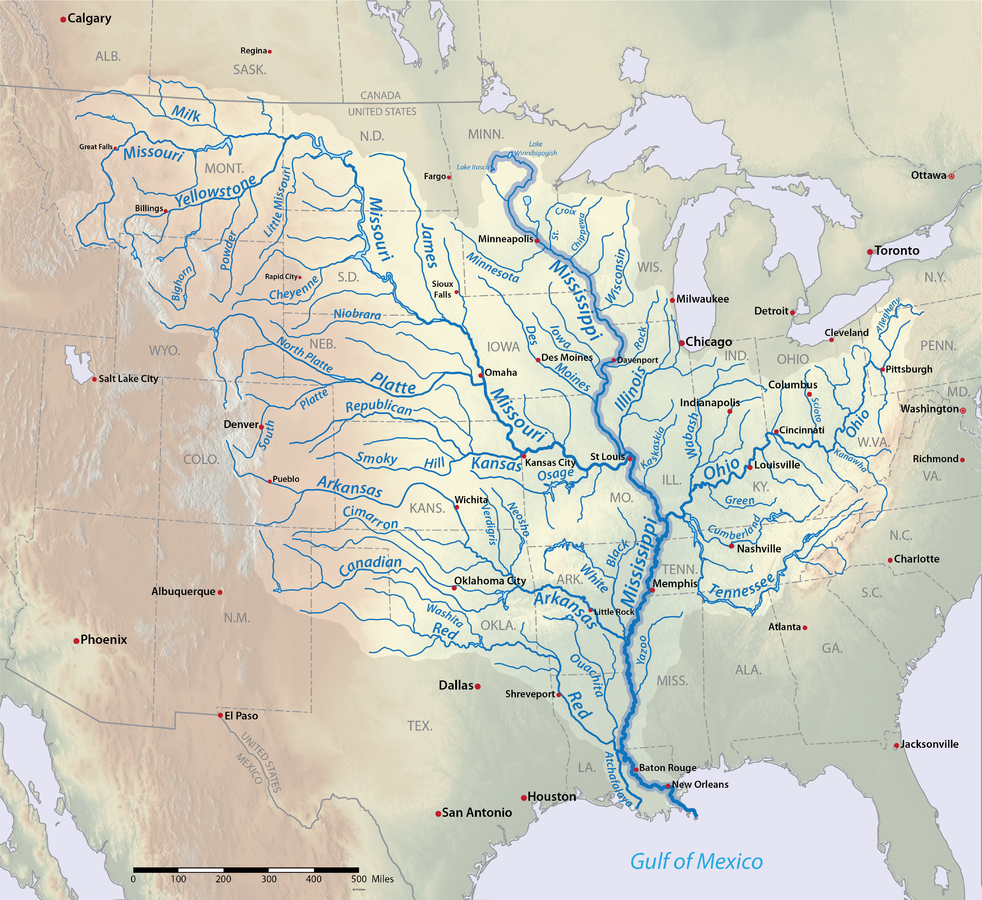
Following the Louisiana Purchase, the Mississippi River transformed into the primary highway for westward expansion. Pioneers, settlers, and merchants utilized its waters and its major tributaries, such as the Ohio River and Missouri River, to venture into the newly acquired territories. Flatboats, keelboats, and later steamboats, became the lifeblood of this movement, carrying families, livestock, tools, and goods into the frontier and bringing raw materials back to established markets. The river facilitated the rapid settlement of states like Illinois, Missouri, Kentucky, and beyond, shaping the demographic and agricultural landscape of the interior. Its banks became bustling hubs of activity, giving rise to many of the towns and cities that would become economic powerhouses in the coming centuries.
The Economic Engine of a Growing Nation
Beyond its role in territorial expansion, the Mississippi River served as the primary economic engine for the burgeoning United States, driving agricultural prosperity, industrial growth, and international trade. Its sheer size and navigability made it an unparalleled natural resource for commerce.
Agricultural Bounty and Trade Routes
The fertile lands within the Mississippi River basin constitute some of the most productive agricultural regions in the world. From the cotton plantations of the South to the corn and wheat fields of the Midwest, the river provided the indispensable means to transport these vast agricultural outputs to markets. Farmers could send their harvests downstream to the port of New Orleans, where they were then shipped to coastal cities and international markets. This efficient, low-cost transportation system was crucial for the profitability of American agriculture and allowed the nation to feed itself and export surplus, generating significant wealth. Without the river, the economic viability of these interior farms would have been severely hampered, slowing national development.
Industrial Development and Port Cities
The strategic location along the Mississippi River also spurred the growth of major cities that became centers of industry and commerce. St. Louis, situated near the confluence of the Mississippi and Missouri Rivers, emerged as the “Gateway to the West,” a critical hub for trade, manufacturing, and distribution. Memphis, with its access to the rich cotton-growing regions of Arkansas, Tennessee, and Mississippi, became a major port for the cotton industry. And New Orleans, at the mouth of the river, flourished as one of the busiest port cities in the world, linking the heartland of America to global trade networks. These cities not only facilitated trade but also developed industries that processed raw materials from the river basin, such as milling, lumber, and meatpacking. The American Civil War further underscored the river’s economic and strategic importance, as control of key cities like Vicksburg and New Orleans was pivotal to Union victory due to their role in cutting off Confederate supply lines.
Modern Commercial Significance
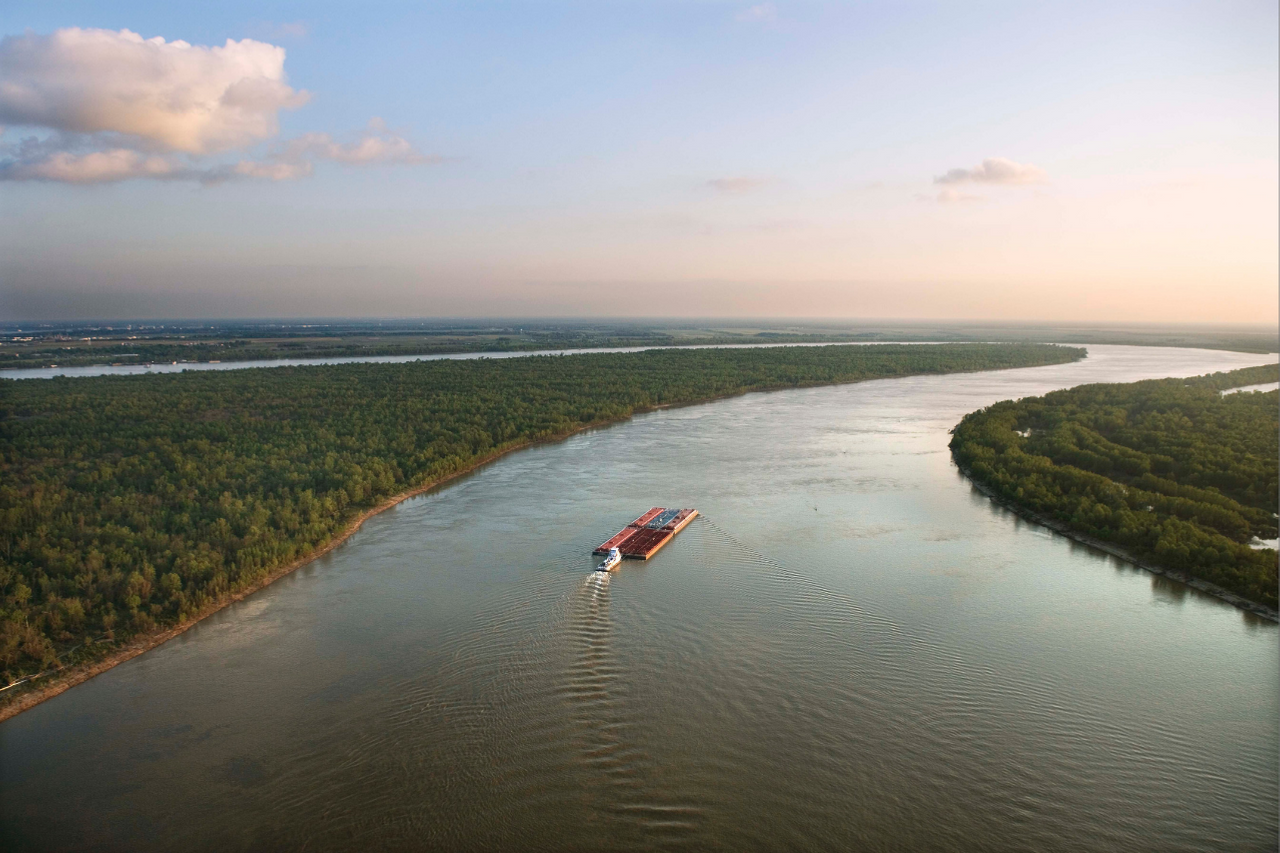
Even in the age of railroads and interstate highways, the Mississippi River remains an indispensable commercial waterway. Its vast network of navigable channels supports a massive barge industry that transports an astonishing volume of commodities, including grain, coal, petroleum, chemicals, and building materials. Shipping by barge is often the most cost-effective and environmentally friendly way to move bulk goods, making the river crucial for maintaining competitive prices in various industries. The federal government, through entities like the Army Corps of Engineers, continually invests in maintaining and improving the river’s navigability, ensuring its continued role as a vital conduit for American commerce. Major ports like Baton Rouge and New Orleans continue to thrive, handling significant domestic and international cargo traffic.
A Cultural and Environmental Icon
Beyond its tangible economic and historical contributions, the Mississippi River has woven itself into the cultural fabric of the United States and stands as an ecological marvel, a natural landmark of immense biodiversity.
Inspiration for Arts and Literature
The majestic and ever-changing character of the Mississippi River has captivated the imaginations of artists, musicians, and writers for generations. Perhaps its most famous chronicler was Mark Twain (Samuel Clemens), who drew heavily on his experiences as a steamboat pilot to create literary masterpieces like “The Adventures of Tom Sawyer” and “Adventures of Huckleberry Finn.” Twain’s works immortalized the river, its people, and the distinct American spirit it embodied, making it a powerful symbol of freedom, adventure, and the complexities of the American identity. The river also fostered unique musical traditions, particularly the blues and jazz genres that emerged from its Southern regions, influencing global music. Its landscapes have inspired countless paintings, photographs, and folk songs, reflecting its profound impact on the national psyche.
Biodiversity and Ecosystems
As one of the world’s great rivers, the Mississippi River and its floodplain support an incredibly diverse array of ecosystems and species. Its vast watershed, covering over 1.2 million square miles and touching 31 states and two Canadian provinces, provides habitat for hundreds of species of fish, migratory birds, mammals, and amphibians. The river’s delta in Louisiana is a critical wetland area, renowned for its birdlife and marine nurseries, acting as a crucial buffer against tropical storms. From the northern forests near its headwaters to the swamps and bayous of the South, the river system represents a continuum of natural beauty and ecological importance, a living laboratory for environmental scientists and a haven for wildlife enthusiasts.
Challenges and Conservation Efforts
Despite its enduring importance, the Mississippi River faces significant environmental challenges, including pollution from agricultural runoff, industrial discharge, and urban waste. The sheer scale of human activity within its basin has led to issues such as the “dead zone” in the Gulf of Mexico, caused by nutrient pollution. Furthermore, managing the river’s powerful flow, especially during flood seasons, requires extensive engineering efforts, including levees and dams, which alter its natural dynamics. Recognizing these challenges, numerous conservation organizations, along with federal agencies like the Environmental Protection Agency, are dedicated to restoring its health and preserving its ecological integrity for future generations. These efforts underscore a collective understanding that the river is not just a resource to be exploited, but a precious natural landmark to be protected.
The Mississippi River as a National Landmark
The multifaceted importance of the Mississippi River solidifies its status as a quintessential American landmark. Its significance is not limited to any single aspect but rather a holistic combination of its historical narrative, economic functionality, and ecological grandeur.
Historical Preservation
Throughout its course, the river is dotted with sites of immense historical significance, many of which are preserved as national parks, state historical sites, and museums. These landmarks, from Native American mounds to Civil War battlefields and antebellum plantations, offer tangible connections to the past, allowing visitors to walk in the footsteps of explorers, pioneers, and those who shaped the nation. Efforts to preserve these sites ensure that the stories of the river’s role in American history continue to be told and appreciated.
Natural Wonders and Recreational Value
Beyond history, the river offers stunning natural beauty and abundant recreational opportunities. Boating, fishing, birdwatching, and cycling along its numerous trails are popular activities. National and state parks along its banks provide access to diverse ecosystems and breathtaking vistas, from the bluffs of Iowa and Wisconsin to the wetlands of Louisiana. The Mississippi National River and Recreation Area in Minnesota is just one example of how the river’s natural wonders are protected and made accessible for public enjoyment.

Enduring Symbolism
Ultimately, the Mississippi River remains an enduring symbol of the United States – its vastness, its diversity, its capacity for change, and its unwavering spirit. It represents the historical journey of the nation, from its tentative beginnings to its status as a global power. It embodies the freedom of movement, the opportunity for growth, and the complex interplay between nature and human endeavor. As a landmark, it is not merely a static monument but a dynamic, living entity that continues to shape the physical and cultural landscape of America.
In conclusion, the Mississippi River’s importance to the United States cannot be overstated. It was the pathway for exploration and the engine for economic development, securing vital territories and nurturing agricultural and industrial growth. It provided the canvas for some of America’s most iconic literature and music, fostering a unique cultural identity. Environmentally, it stands as a testament to the continent’s rich biodiversity, albeit one that requires constant stewardship. From the earliest Native American civilizations to modern-day commerce, the Mississippi River has been, and continues to be, a defining force, solidifying its place as an unparalleled and indispensable national landmark.
LifeOutOfTheBox is a participant in the Amazon Services LLC Associates Program, an affiliate advertising program designed to provide a means for sites to earn advertising fees by advertising and linking to Amazon.com. Amazon, the Amazon logo, AmazonSupply, and the AmazonSupply logo are trademarks of Amazon.com, Inc. or its affiliates. As an Amazon Associate we earn affiliate commissions from qualifying purchases.