
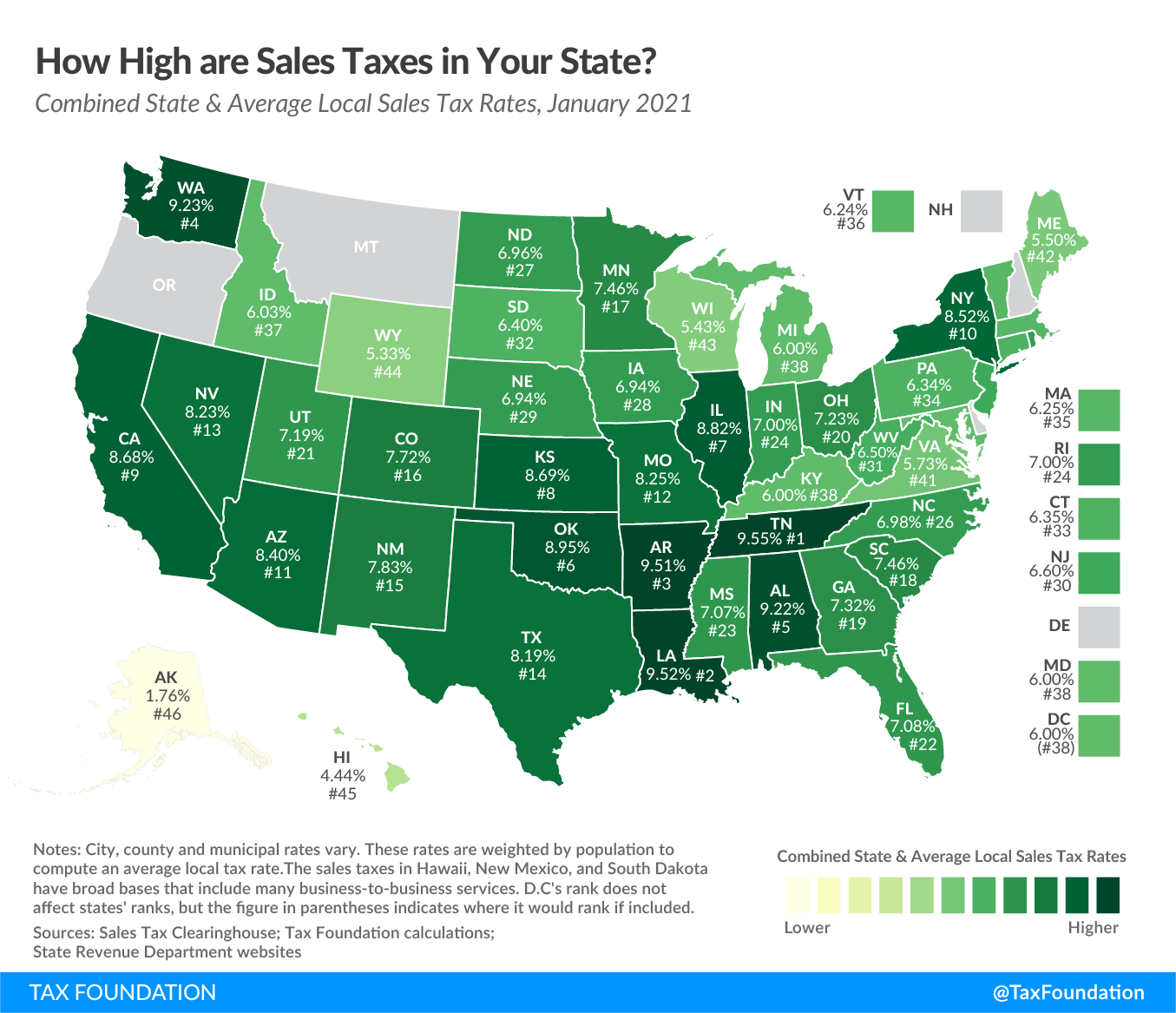
For travelers envisioning an adventure through the stunning landscapes of the American West, understanding the local tax structure can be a significant part of planning a budget-friendly and enjoyable trip. One of the most common questions that arise when preparing for a visit to the “Treasure State” is: “Does Montana have state sales tax?” The answer, delightfully for tourists, is no. Montana is one of the few states in the U.S. that does not levy a general state sales tax on goods and services. This unique fiscal policy offers a distinct advantage to visitors and significantly impacts the overall tourism experience.
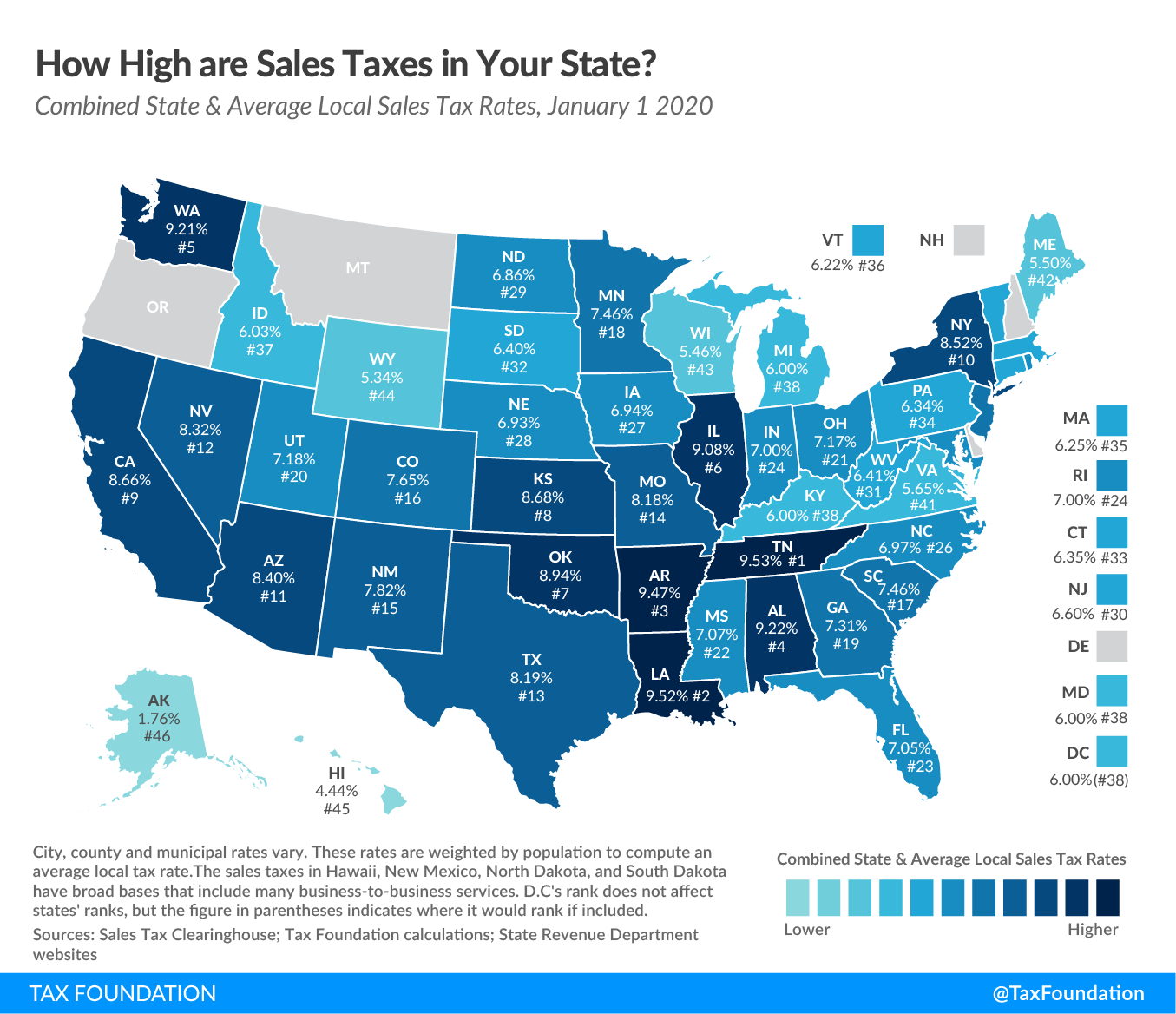
This absence of a sales tax sets Montana apart, making it an even more attractive destination for those looking to stretch their travel dollar further, whether they’re purchasing souvenirs, dining out, or stocking up on gear for outdoor excursions. While it might seem like a small detail, the cumulative savings over the course of a vacation can be substantial, allowing travelers to allocate more of their funds towards experiences, accommodations, or simply enjoying the myriad offerings of this magnificent state. From the majestic peaks of Glacier National Park to the vibrant streets of Bozeman, knowing that your purchases won’t incur an additional percentage at the register provides a sense of financial freedom that enhances the entire journey.
The Big Sky Advantage: What No Sales Tax Means for Tourists
The absence of a state sales tax in Montana isn’t just a quirky fact; it’s a tangible benefit that directly impacts the wallets of visitors. For anyone planning a trip, this translates into immediate and often significant savings on a wide array of purchases. This policy makes everything from everyday necessities to special splurges more affordable, allowing tourists to experience more without breaking their budget.
Immediate Savings on Purchases
When you shop in Montana, the price you see on the tag is generally the price you pay. This straightforward approach simplifies budgeting and eliminates the often-frustrating mental math required in states with sales tax. Imagine purchasing a new pair of hiking boots for your trek through the Bitterroot Mountains, a handcrafted souvenir from a local artisan in Missoula, or simply stocking up on groceries for a picnic. In any other state with a sales tax, an additional 5-10% would be added to your bill. In Montana, those savings accumulate rapidly.
This benefit is particularly noticeable for tourists who plan to spend on specific items during their trip. For instance, outdoor enthusiasts might invest in fishing gear before hitting the Madison River, or winter sports lovers might pick up ski apparel in Big Sky. Without a sales tax, these larger purchases become considerably more affordable. Even for smaller, everyday items like coffee, snacks, or gifts, the savings add up, leaving more money available for guided tours, unique experiences, or an extra night’s stay in a charming lodge.
Impact on Dining and Entertainment
Dining out is an integral part of the travel experience, offering a taste of local culture and cuisine. In Montana, whether you’re enjoying a gourmet meal in Helena, sampling craft beer in Kalispell, or grabbing a quick bite near Yellowstone National Park, the listed menu price is what you can expect to pay (before tip, of course). This clarity makes budgeting for meals much simpler and eliminates the unpleasant surprise of an added tax percentage when the bill arrives.
The same principle applies to entertainment options. Tickets to local music festivals, entry fees for museums and historical sites, or even a night out at a local bar won’t be subject to an additional state sales tax. This means that travelers can enjoy more of Montana’s vibrant cultural scene and recreational opportunities without the hidden costs often found elsewhere. The cumulative effect of these savings on dining and entertainment expenses allows tourists to indulge more freely, enhancing their overall vacation experience.
Fueling Your Montana Adventure
While the absence of a state sales tax doesn’t extend to gasoline — Montana, like all states, levies an excise tax on fuel to fund road maintenance and infrastructure — the overall financial relief elsewhere can still benefit travelers embarking on road trips. Montana is a vast state, and exploring its many wonders often involves considerable driving. The money saved on food, souvenirs, and other purchases can help offset fuel costs, making those long scenic drives through Big Sky Country feel a little less taxing on the budget. This indirect benefit allows tourists to allocate more resources to experiencing the journey itself, rather than constantly worrying about every penny spent on incidental purchases.
Understanding Montana’s Tax Landscape for Visitors
While Montana proudly stands as a state without a general sales tax, it’s essential for visitors to understand that “tax-free” doesn’t mean entirely tax-free. Like any other state, Montana has other forms of taxation that contribute to its public services and infrastructure. For tourists, the most relevant of these is the lodging tax, which is a direct cost associated with staying overnight.
No State Sales Tax, But Other Taxes Exist
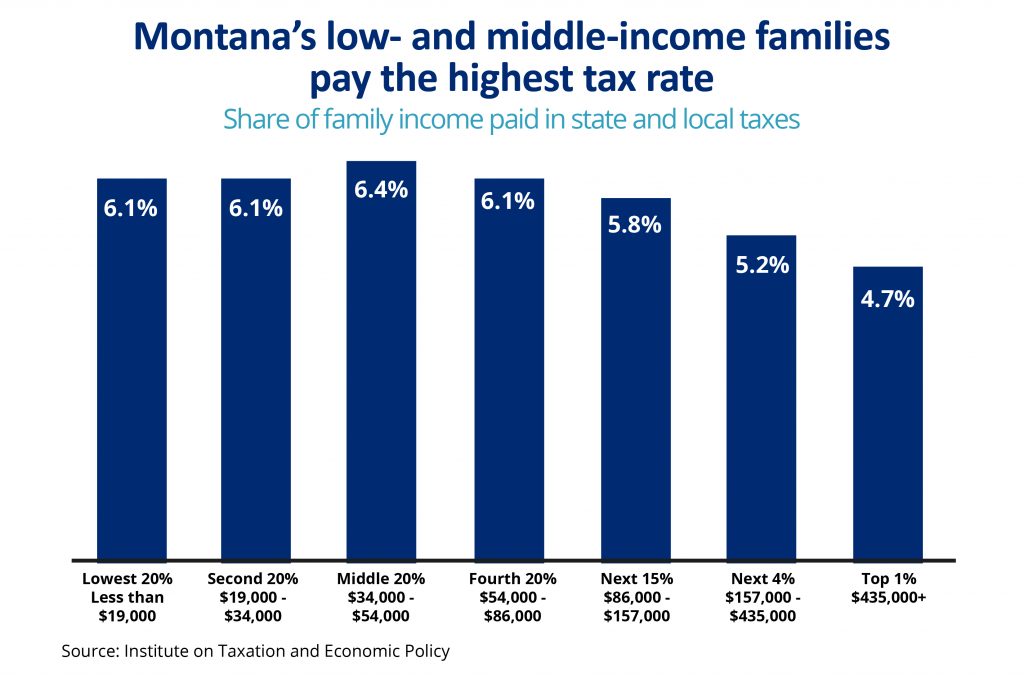
Beyond the absence of a general state sales tax, Montana also notably does not impose a state-level individual income tax on wages, meaning that many residents also enjoy a favorable personal tax environment. However, the state does generate revenue through other means. These include property taxes, which homeowners and businesses pay, and various excise taxes. Excise taxes are typically levied on specific goods or services, such as fuel, tobacco products, and alcoholic beverages. For visitors, these excise taxes are generally embedded in the price of the product and are less noticeable than a sales tax added at the register. For example, the price you pay for a beer at a Bozeman brewery or a pack of cigarettes will already include any applicable excise taxes, making the transaction feel as straightforward as any other purchase.
The key takeaway for tourists is that while you won’t see a percentage added for sales tax on most goods and services, it’s wise to be aware that certain items or services may have specific, embedded taxes. However, these are typically less pervasive and impactful on a tourist’s overall budget than a statewide sales tax would be.
The Lodging Tax: A Key Consideration
The most significant tax consideration for tourists in Montana is the lodging tax. Unlike a sales tax, this tax is specifically applied to overnight accommodations. As of recent policies, Montana levies a state lodging tax of 4% on hotel rooms, motels, campgrounds, bed and breakfasts, vacation rentals, and any other form of temporary lodging. This tax is explicitly designed to support tourism promotion and infrastructure development within the state, directly benefiting the visitor experience.
In addition to the state-level lodging tax, some local jurisdictions in Montana may impose their own local option taxes, often referred to as “resort taxes,” on lodging and other goods and services within specific resort areas. For instance, popular tourist towns like Whitefish, Big Sky, and West Yellowstone have implemented these local option taxes. These taxes typically range from 2-3% and are applied on top of the base price, similar to how a sales tax would function, but only within those designated resort areas. They are usually aimed at funding local services and infrastructure strained by high tourist volumes.
When booking your accommodations, it is crucial to check for these additional lodging and local resort taxes. Online booking platforms and direct hotel websites usually display these taxes during the reservation process, so travelers can factor them into their budget. While these taxes do add to the cost of lodging, the overall savings from the absence of a general sales tax across all other purchases typically still make Montana a financially attractive destination. Being aware of the lodging tax ensures there are no surprises when you check in or out of your temporary home.
Planning Your Tax-Efficient Montana Trip
Leveraging Montana’s unique tax structure can significantly enhance your travel experience, allowing you to allocate your resources more effectively. By understanding where you save money and where modest taxes might still apply, you can craft a more financially intelligent itinerary.
Budgeting for the Tax-Free Experience
The absence of a sales tax allows for transparent pricing, simplifying your budgeting process. When planning your daily expenses for food, souvenirs, outdoor gear, and other non-lodging purchases, you can rely on the listed price without adding an extra percentage. This allows for more accurate expenditure tracking and reduces the stress of unexpected costs. Consider setting aside the money you would typically pay in sales tax in other states and reallocate it. This “found money” could fund an additional excursion, a special meal, or a higher-quality souvenir that truly captures the essence of your Montana adventure.
For instance, if you anticipate spending $500 on shopping and dining over a week-long trip, and you typically pay 7% sales tax in your home state, you’ve just saved $35 in Montana. That $35 could cover a delicious meal, a ticket to a local attraction, or contribute towards a guided fly-fishing tour. Making a conscious effort to acknowledge these savings can make your trip feel even more rewarding.
Maximizing Your Montana Spend
Beyond personal savings, choosing to spend your money wisely in Montana can also support local communities and businesses. Without the added burden of sales tax, local retailers and service providers often find it easier to keep their prices competitive, attracting both residents and tourists. When you purchase items from local boutiques in Bozeman, dine at a family-owned restaurant in Billings, or buy art from a Missoula gallery, your entire dollar goes directly to the business, fostering local economic growth.
Tourists can maximize their spending by actively seeking out locally made products and services. From handmade jewelry and pottery to locally sourced ingredients in restaurants, Montana offers a wealth of unique items. Knowing that your full purchase price supports these artisans and entrepreneurs can add a layer of satisfaction to your shopping experience. Embrace the freedom to shop without the added tax, explore the diverse offerings of Montana’s towns and cities, and know that your financial decisions contribute positively to the places you visit.
Beyond Taxes: Why Montana is a Premier Tourist Destination
While the absence of a state sales tax is undoubtedly a compelling reason to visit Montana, it’s merely one facet of what makes the state an unparalleled tourist destination. The “Treasure State” offers a rich tapestry of natural beauty, outdoor adventure, and vibrant culture that beckons travelers from around the globe. The tax benefits simply sweeten the deal, allowing visitors to more fully immerse themselves in the experiences Montana has to offer.
Natural Wonders and Outdoor Activities
Montana is a paradise for outdoor enthusiasts. Home to the majestic peaks and pristine wilderness of Glacier National Park, often called the “Crown of the Continent,” and the iconic northern entrances to Yellowstone National Park, the state boasts some of the most spectacular natural landscapes in North America. Visitors can hike hundreds of miles of trails, witness diverse wildlife like grizzly bears and elk, and marvel at stunning geological formations.
Beyond the national parks, Montana offers world-class fly-fishing on rivers like the Madison River, skiing and snowboarding at resorts such as Big Sky and Whitefish Mountain Resort, and endless opportunities for camping, mountain biking, and whitewater rafting. The sales tax savings can be strategically used to invest in these very experiences—perhaps a guided fishing trip, a rafting excursion, or renting specialized equipment that enhances your outdoor adventures.
Vibrant Towns and Unique Culture
Montana’s charm extends beyond its wild spaces to its welcoming towns and cities, each offering a distinct flavor and rich cultural experiences. Bozeman, a thriving university town, combines outdoor recreation with a sophisticated arts and dining scene. Missoula, known for its liberal arts university and access to multiple rivers, offers a vibrant downtown with eclectic shops and breweries. The state capital, Helena, is steeped in mining history and features beautifully preserved Victorian architecture.
Further east, Billings serves as a commercial hub with a rich cowboy heritage and a growing craft brewery scene, while Kalispell acts as a gateway to the Flathead Valley and Glacier National Park. These towns are treasure troves for local crafts, art galleries, farm-to-table restaurants, and unique boutiques – all places where the absence of a sales tax makes every purchase feel like a bonus, allowing visitors to take home a piece of Montana’s distinctive culture.
In conclusion, the answer to “Does Montana have state sales tax?” is a resounding no, offering a significant financial advantage to tourists. This policy, combined with its unparalleled natural beauty and vibrant local culture, solidifies Montana’s position as a premier travel destination. While travelers should account for a state lodging tax and potential local resort taxes in specific areas, the overall savings on goods, dining, and entertainment mean that your dollars go further, allowing for a richer, more immersive Montana experience. So pack your bags, prepare to explore, and enjoy the fiscal freedom that comes with a Big Sky Country adventure.
LifeOutOfTheBox is a participant in the Amazon Services LLC Associates Program, an affiliate advertising program designed to provide a means for sites to earn advertising fees by advertising and linking to Amazon.com. Amazon, the Amazon logo, AmazonSupply, and the AmazonSupply logo are trademarks of Amazon.com, Inc. or its affiliates. As an Amazon Associate we earn affiliate commissions from qualifying purchases.