
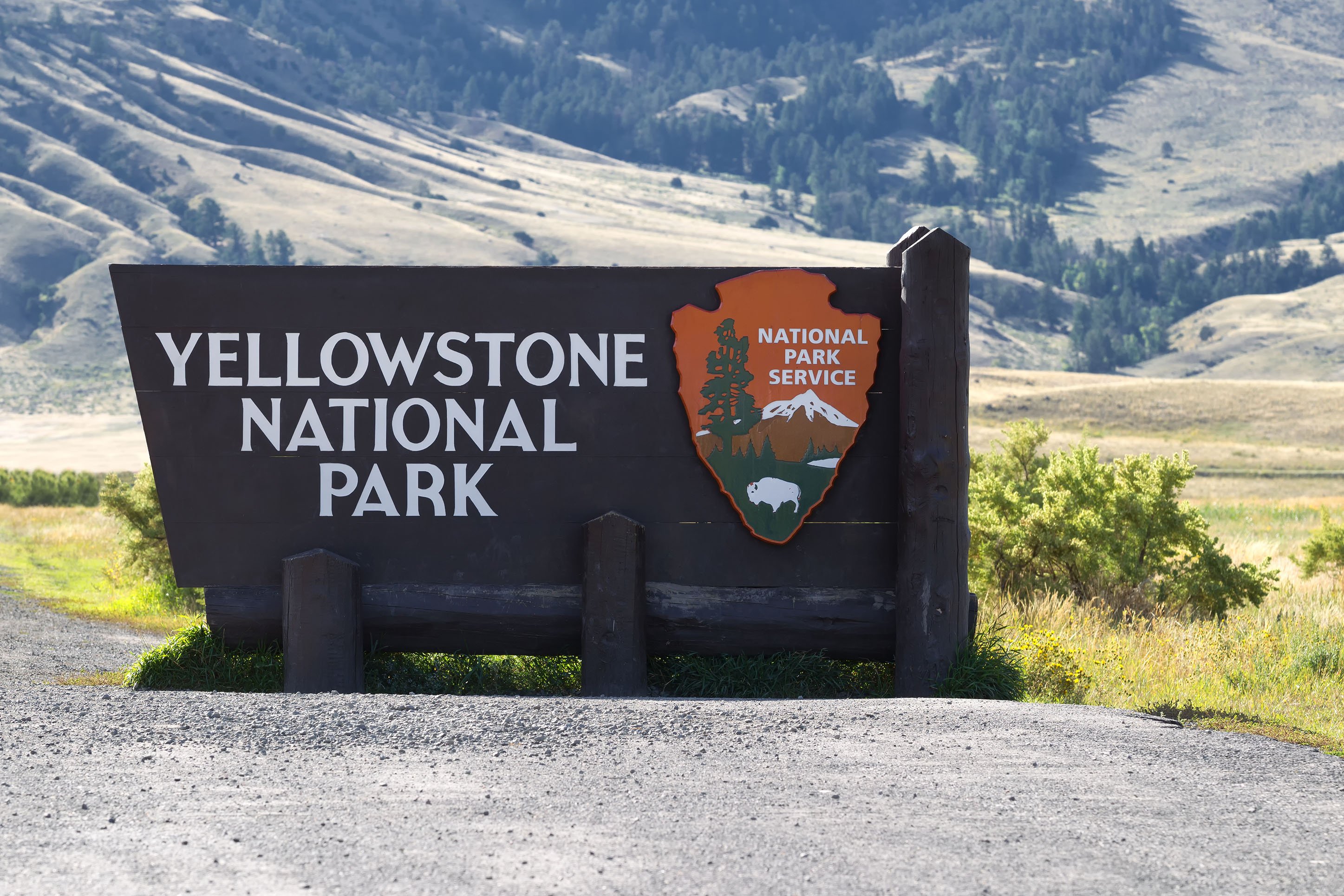
Planning a trip to the iconic Yellowstone National Park often involves meticulous consideration of entry points, accommodation, and travel logistics. For many travelers, the vibrant city of Bozeman, Montana, presents itself as an appealing base. Located in the heart of Big Sky Country, Bozeman offers a unique blend of urban amenities and immediate access to outdoor adventure. But the critical question remains for any itinerary: how far is Bozeman truly from the natural wonders of Yellowstone? Understanding this distance, and the various routes involved, is paramount to crafting an efficient and enjoyable park experience. This article will delve into the precise distances, driving times, and the strategic advantages of choosing Bozeman as your gateway to America’s first national park.

Unpacking the Distance: Bozeman’s Proximity to Yellowstone
The distance between Bozeman and Yellowstone National Park isn’t a single, fixed number, as the park boasts multiple entrances. Your exact mileage and travel time will depend on which Yellowstone entrance you aim for. Generally, Bozeman is strategically positioned to offer relatively convenient access to two of the park’s most popular entry points: the North Entrance and the West Entrance. Each offers a distinct journey and provides access to different sections of the vast park.
The Northern Gateway: Gardiner and the North Entrance
The closest and most direct route from Bozeman for year-round access to Yellowstone is via the North Entrance, located in Gardiner, Montana. This entrance is unique as it’s the only one open to wheeled vehicles year-round, making it a crucial access point, especially in the winter months.
- Distance: Approximately 80 to 90 miles.
- Driving Time: Roughly 1.5 to 2 hours, depending on traffic, road conditions, and any stops along the scenic US-89 South.
The drive itself is incredibly picturesque, tracing the Yellowstone River through the Paradise Valley. Upon entering Yellowstone through Gardiner, you are immediately immersed in the historical significance of the park, marked by the Roosevelt Arch. This entrance leads directly to areas like Mammoth Hot Springs and offers prime wildlife viewing opportunities in the Lamar Valley, often referred to as America’s Serengeti.
The Western Approach: West Yellowstone and the West Entrance
Another popular option, especially for those seeking to explore the geyser basins and Old Faithful, is the West Entrance, situated in West Yellowstone, Montana. This entrance typically opens in late April or early May, depending on snowmelt, and closes in early November.
- Distance: Approximately 90 miles.
- Driving Time: Roughly 1.5 to 2 hours, utilizing US-191 South, which winds through the Gallatin National Forest and past the resort town of Big Sky.
The route to West Yellowstone is also very scenic, offering glimpses of the majestic Gallatin Mountains and dense forests. Once inside, you’re minutes away from some of Yellowstone’s most iconic thermal features, including Grand Prismatic Spring, Midway Geyser Basin, and, of course, the world-famous Old Faithful geyser.
Understanding Driving Times and Variables
While the distances provide a good baseline, actual driving times can fluctuate considerably. Factors to consider include:
- Seasonality: Summer months (June-August) bring peak tourist traffic, which can significantly extend travel times, especially near park entrances and within the park itself. Winter travel, while scenic, can be impacted by snow and ice.
- Road Construction: Road work is common in the summer, both within the park and on approach roads, leading to delays.
- Wildlife Sightings: A common, and often welcome, delay is encountering Yellowstone’s abundant wildlife. “Bear jams” or “bison jams” are frequent occurrences where traffic grinds to a halt as animals cross or graze near the road.
- Time of Day: Leaving Bozeman early in the morning can help avoid the heaviest traffic entering the park.
It’s always advisable to check current road conditions and park alerts on the official National Park Service website before heading out.
Why Bozeman Makes an Ideal Base Camp for Your Yellowstone Adventure
Beyond just its reasonable proximity, Bozeman’s appeal as a Yellowstone base camp stems from a combination of practical advantages and lifestyle offerings that enhance the overall travel experience.
A Hub of Amenities and Services
Bozeman is a thriving city with a population of over 50,000, offering a wide array of services that smaller gateway towns simply cannot match. From well-stocked grocery stores to outdoor gear retailers, mechanics, and medical facilities, you’ll find everything you need to prepare for your park excursions. The city’s downtown area is vibrant, boasting a diverse culinary scene ranging from casual diners to upscale restaurants, breweries, and coffee shops – perfect for unwinding after a day of exploration. For those flying in, Bozeman Yellowstone International Airport (BZN) is the busiest airport in Montana, offering direct flights to major cities across the US, making travel logistics smoother.
Diverse Accommodation Options
Unlike the often limited and quickly booked lodging within Yellowstone or in the immediate gateway towns, Bozeman provides a much broader spectrum of accommodation. Travelers can choose from well-known hotel chains, boutique hotels, charming bed and breakfasts, vacation rentals, and even budget-friendly motels. This variety ensures that visitors can find lodging that fits their budget and preferences, often at more competitive prices than properties directly adjacent to the park. It also provides a more comfortable and feature-rich stay, with amenities like pools, fitness centers, and diverse dining options readily available.
Beyond Yellowstone: Exploring the Bozeman Area
Choosing Bozeman as your base also means you’re perfectly positioned to explore the broader Gallatin Valley and surrounding natural attractions. On days when you might want a break from Yellowstone’s crowds or simply wish to experience more of Montana’s beauty, Bozeman offers:
- Skiing and Snowboarding: In winter, world-class resorts like Big Sky and Bridger Bowl are just a short drive away.
- Hiking and Mountain Biking: Countless trails in the Gallatin National Forest and nearby mountain ranges cater to all skill levels.
- Fly Fishing: The Gallatin, Madison, and Yellowstone Rivers offer some of the best fly-fishing opportunities in the country.
- Cultural Attractions: The Museum of the Rockies (home to one of the largest dinosaur fossil collections), Montana State University, and a thriving arts scene provide enriching experiences.
This allows for a multi-faceted vacation, combining the wonders of Yellowstone with other regional delights, enriching your overall travel experience.
Navigating the Journey: Routes and Road Trips from Bozeman to Yellowstone
The drives from Bozeman to Yellowstone are an integral part of the adventure, offering stunning scenery and wildlife viewing opportunities even before you reach the park gates. Understanding the nuances of each route is key to choosing the best approach for your daily plans.
The Scenic Drive to the North Entrance

Taking US-89 South towards Gardiner is a journey through the breathtaking Paradise Valley. This route travels alongside the majestic Yellowstone River, flanked by the Absaroka Range to the east and the Gallatin Range to the west. The valley is dotted with ranches, small towns like Livingston, Montana, and offers numerous pull-offs for photography or simply soaking in the views.
- Highlights: Incredible river views, potential for wildlife sightings (elk, deer, eagles), access to fishing spots, and a classic Montana ranching landscape.
- Considerations: This road can be busy, especially in summer. Be mindful of speed limits and watch for wildlife on the road, particularly at dawn and dusk.
Upon entering Yellowstone via Gardiner, you’ll quickly reach Mammoth Hot Springs and its unique travertine terraces, marking an impressive start to your park exploration.
The Direct Route to the West Entrance
The drive down US-191 South to West Yellowstone traverses a different kind of beauty, winding through thick forests and the dramatic canyons of the Gallatin River. This route is generally more direct in terms of highway speed, though it still offers plenty of scenic vistas.
- Highlights: Forested landscapes, opportunities to see parts of Big Sky, and good access to hiking and fishing.
- Considerations: The road can be twisty in sections and passes through areas with limited services. Pay attention to deer and elk crossing the highway.
Entering through West Yellowstone places you squarely in the geyser country, perfect for those eager to witness the park’s hydrothermal wonders, including Old Faithful and the various basins.
Seasonal Considerations and Road Closures
It is critical to remember that Yellowstone operates on a seasonal road schedule. While the North Entrance is open all year, most other park roads close to wheeled vehicles from early November to late April/early May, transforming into groomed routes for snowmobiles and snow coaches. Always check the official Yellowstone National Park website for current road status before embarking on your journey, especially if traveling in the shoulder seasons (spring and fall). Unpredictable weather in Montana can lead to sudden road closures even in summer.
Maximizing Your Yellowstone Experience from a Bozeman Base
With Bozeman as your strategic home base, you can craft a flexible and comprehensive Yellowstone itinerary, allowing you to experience the park’s diverse landscapes and phenomena effectively.
Planning Your Daily Itinerary
Given the approximately 1.5 to 2-hour drive each way from Bozeman, a single day trip to the park will involve a minimum of 3-4 hours of driving outside the park. To make the most of your time within Yellowstone, consider:
- Targeted Exploration: Focus on specific regions of the park each day. For example, one day could be dedicated to the northern loop (Mammoth, Lamar Valley, Tower-Roosevelt) via the North Entrance. Another day could explore the western/southern loop (geysers, Old Faithful, Grand Canyon of the Yellowstone) via the West Entrance.
- Early Starts: Leaving Bozeman before sunrise is highly recommended. Not only does it help beat the crowds, but it significantly increases your chances of spotting wildlife during their most active hours.
- Pack Essentials: Bring plenty of water, snacks, picnic lunches, and extra layers of clothing. Food options within the park can be limited and expensive.
Essential Gear and Preparations
Venturing into Yellowstone requires thoughtful preparation, especially when traveling from a slightly more distant base like Bozeman.
- Navigation: While cell service is spotty within the park, offline maps (like Google Maps or Maps.me) downloaded in advance are invaluable. A physical map is also highly recommended.
- Wildlife Viewing: Binoculars and a telephoto lens for cameras are essential for observing wildlife safely from a distance. Bear spray is also highly recommended for hikers, along with knowledge on how to use it.
- Layers of Clothing: Yellowstone’s weather can change dramatically within a single day, regardless of the season. Pack layers, including rain gear, even in summer.
- Vehicle Readiness: Ensure your vehicle is in good working order. Gas stations are sparse within the park, so fill up in Bozeman or the gateway towns.
Respecting Wildlife and Park Regulations
Yellowstone National Park is home to an incredible array of wildlife, from bison and elk to bears and wolves. It is crucial to remember that these are wild animals and should be respected.
- Maintain Distance: Always stay at least 100 yards from bears and wolves and 25 yards from all other animals, including bison and elk.
- Never Feed Wildlife: Feeding animals can harm them and lead to aggressive behavior.
- Stay on Trails: Protect delicate thermal features and avoid dangerous encounters by remaining on marked trails and boardwalks.
- Pack It In, Pack It Out: Leave no trace. Take all trash with you.
Adhering to park regulations not only ensures your safety but also helps preserve this invaluable natural treasure for future generations.
Embracing the Best of Both Worlds: Bozeman and Yellowstone Synergies
Ultimately, choosing Bozeman as your base for a Yellowstone adventure offers a synergistic travel experience. It combines the raw, untamed wilderness of the park with the comforts, conveniences, and broader recreational opportunities of a vibrant mountain city.
Pre-Park Exploration in Bozeman
Arriving in Bozeman a day or two before your Yellowstone excursions allows for acclimatization, last-minute gear shopping, and enjoying the local scene. You can explore downtown Bozeman, visit the Museum of the Rockies, or take a short hike in the surrounding mountains. This gentle introduction to Montana helps set the tone for the adventure ahead without the immediate rush of heading straight into the park.
Post-Park Relaxation and Reflection
After a long day of hiking, wildlife viewing, and marveling at geysers, returning to Bozeman provides a welcome respite. You can enjoy a relaxing dinner, perhaps at one of the city’s craft breweries, or simply unwind in comfortable lodging. The transition from the rugged park environment to the amenities of Bozeman offers a refreshing balance, allowing you to fully decompress and prepare for the next day’s adventures. This contrast can make the overall trip feel more luxurious and less demanding than staying in more rustic, immediate gateway accommodations.
The Allure of Big Sky Country
Choosing Bozeman isn’t just about its functional proximity to Yellowstone; it’s about embracing the broader allure of Montana’s Big Sky Country. The city itself, nestled amidst towering mountain ranges, embodies the spirit of the American West. It offers a taste of local culture, a thriving outdoor lifestyle, and a gateway to countless other adventures in the Greater Yellowstone Ecosystem, which extends far beyond the park boundaries. From the Absaroka-Beartooth Wilderness to Grand Teton National Park (a slightly longer drive south), Bozeman’s location positions you perfectly to explore this magnificent region comprehensively.
In conclusion, while not directly adjacent to Yellowstone’s entrances, Bozeman’s 1.5- to 2-hour drive to either the North or West Gate is a small price to pay for the unparalleled convenience, comfort, and expanded recreational opportunities it offers as a travel hub. For those seeking a well-rounded and deeply enriching journey to Yellowstone National Park, Bozeman stands out as an exceptionally wise and rewarding choice.
LifeOutOfTheBox is a participant in the Amazon Services LLC Associates Program, an affiliate advertising program designed to provide a means for sites to earn advertising fees by advertising and linking to Amazon.com. Amazon, the Amazon logo, AmazonSupply, and the AmazonSupply logo are trademarks of Amazon.com, Inc. or its affiliates. As an Amazon Associate we earn affiliate commissions from qualifying purchases.