
The vast expanse of Montana, often celebrated as “Big Sky Country,” conjures images of boundless wilderness, rugged mountains, and serene landscapes. For many prospective travelers, the allure of this northwestern state lies precisely in its perceived remoteness and sparse population, offering a stark contrast to the hustle and bustle of more densely inhabited regions. Understanding the demographics of Montana—how many people call it home and where they reside—is not merely a statistical exercise; it is fundamental to grasping the essence of its local culture, the unique rhythm of its tourism offerings, and the overall experience visitors can expect. The number of people in Montana profoundly shapes its identity, influencing everything from the availability of services and the character of its towns to the very nature of its popular activities and the tips essential for an insightful journey.

The Big Sky’s Sparse Population: A Tourist’s Perspective
Montana’s demographic profile is intrinsically linked to its vast geographic footprint. With an area of approximately 147,042 square miles, it is the fourth-largest state by land area in the United States, yet it consistently ranks among the least populated. This unique combination creates a distinct environment for travelers, defined by open spaces and a pervasive sense of tranquility.
Understanding Montana’s Unique Demographic Landscape
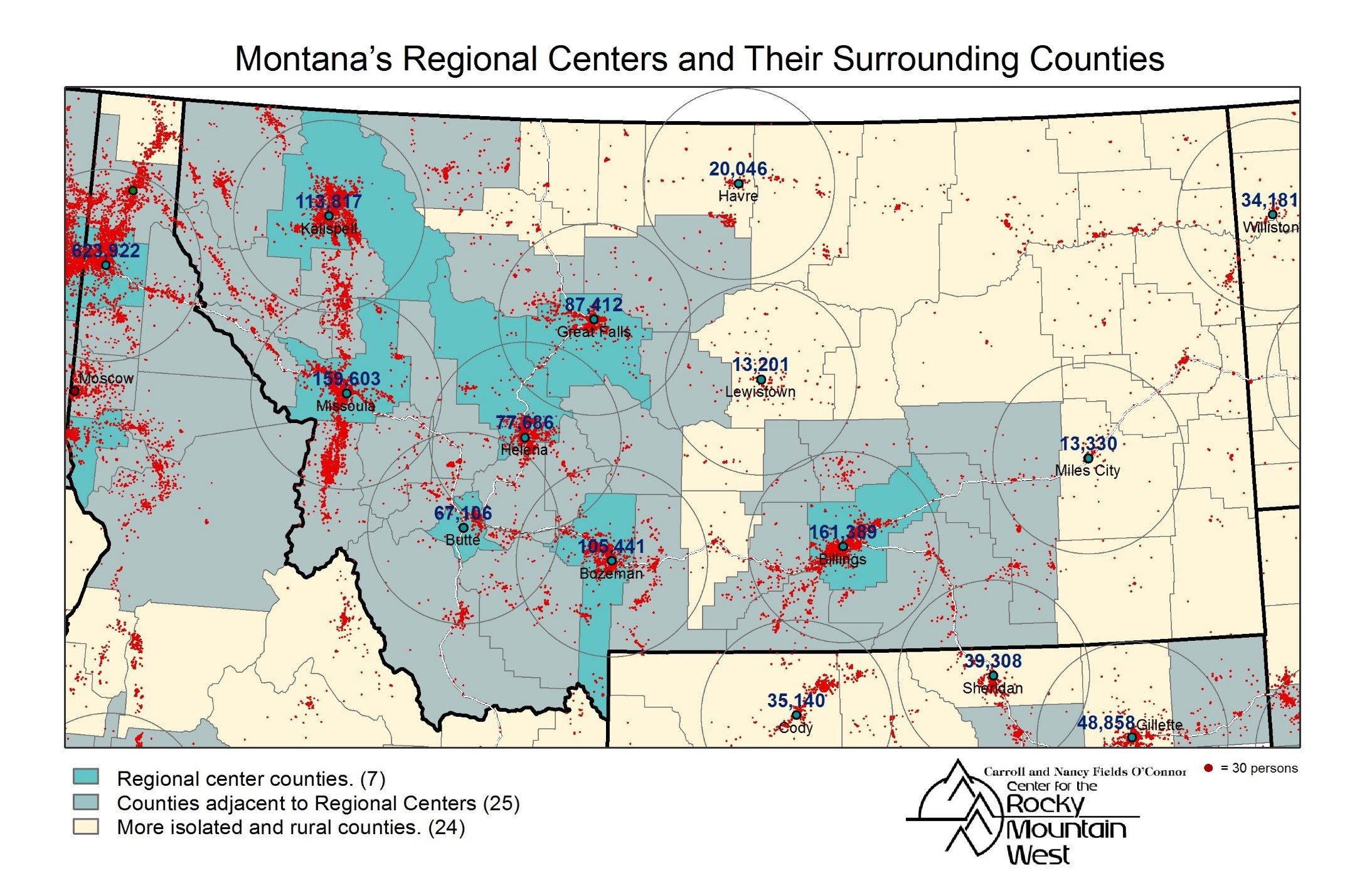
As of recent estimates, the population of Montana hovers around 1.1 million people. To put this into perspective, its population density is one of the lowest in the nation, often fewer than eight people per square mile. This contrasts sharply with the national average, let alone more urbanized states. The state’s population centers are primarily concentrated in a handful of vibrant cities and towns, leaving the vast majority of its territory unspoiled and uninhabited. This distribution ensures that the nickname “Big Sky Country” is not just a marketing slogan but a lived reality, characterized by endless horizons and expansive vistas. While the state has experienced a modest but steady population increase in recent years, particularly in specific urban corridors, its overall character remains one of profound openness. This growth, often driven by individuals seeking a higher quality of life, access to nature, and a slower pace, subtly shapes the evolving tourism landscape.
Implications for the Tourist Experience
For the discerning tourist, Montana’s low population density translates into a decidedly uncrowded experience. Unlike many popular destinations where attractions can be overwhelmed by visitors, Montana offers a rare opportunity for solitude and intimate engagement with nature. This means fewer queues, more personal space on hiking trails, and a genuine feeling of being immersed in the wilderness, whether exploring national parks or venturing into remote wilderness areas. The vastness also implies longer travel times between points of interest, underscoring the importance of planning and appreciating the journey itself. The sense of peace and quiet found here is a commodity in itself, drawing those who wish to escape the clamor of urban life and reconnect with the natural world on a profound level.
Local Culture Shaped by Demographics
The character of a place is inextricably linked to the people who inhabit it. In Montana, the sparse population and often isolated communities have fostered a distinct local culture, one that travelers find both fascinating and welcoming. This cultural fabric is a cornerstone of the tourism experience, offering authentic encounters far removed from commercialized attractions.
Authentic Encounters and Community Spirit
Montana’s low population density encourages the development of tight-knit communities where neighborly bonds are strong and local traditions are deeply cherished. Visitors often report a genuine warmth and hospitality from locals, who are typically proud of their state and eager to share its wonders. This manifests in small-town festivals, farmers’ markets, and local diners where conversations flow freely, offering a window into the authentic Montana way of life. These interactions often transcend typical tourist-service provider relationships, blossoming into memorable cultural exchanges. Tourists seeking genuine connections rather than superficial interactions will find Montana particularly rewarding, as the pace of life allows for more meaningful engagement with the people and their stories.
The Montana Ethos: Independence and Resilience
Life in a state as vast and untamed as Montana instills a powerful sense of independence, self-reliance, and resilience. Residents are often deeply connected to the land, embracing outdoor living and a pragmatic approach to challenges. This ethos permeates the local culture and is palpable to visitors. From the hard work of ranch hands to the ingenuity of local artisans, there’s an understated pride in a lifestyle that values grit and determination. For tourists, this means encountering a culture that appreciates self-sufficiency, respect for nature, and a no-frills authenticity. Engaging in activities like ranch stays, fly-fishing with local guides, or exploring historical mining towns provides direct insight into this unique spirit, allowing visitors to appreciate the enduring legacy of those who have shaped Montana.
Activities and Attractions in a Low-Density State
Given Montana’s demographic makeup, it’s no surprise that its primary attractions are rooted in its magnificent natural environment. The low population ensures that these natural wonders remain largely pristine, offering unparalleled opportunities for outdoor adventure and breathtaking scenic beauty.
Embracing the Outdoors: Nature as the Primary Draw
The jewel in Montana’s crown for outdoor enthusiasts is undoubtedly Glacier National Park, often referred to as the “Crown of the Continent.” This iconic park, with its majestic mountains, ancient glaciers, and pristine lakes, offers a vast playground for hiking, wildlife viewing, and scenic drives. Similarly, the northern reaches of Yellowstone National Park extend into Montana, providing access to geysers, hot springs, and an incredible array of wildlife, including bison and wolves. Beyond these famous parks, [Montana](https://lifeoutofthebox.com/montana] boasts millions of acres of national forests, countless rivers ideal for fly-fishing and rafting, and vast wilderness areas perfect for backpacking and hunting. The low population density ensures that even during peak season, it’s possible to find solitude and immerse oneself fully in nature. Skiing in winter, horseback riding in summer, or simply stargazing under the clear, unpolluted Montana sky are experiences amplified by the sheer scale and quietude of the surroundings.
Small Town Charms and Cultural Hubs
While the natural landscape dominates, Montana’s towns and cities, though smaller in population, offer distinct cultural and historical experiences that complement the outdoor adventures. Bozeman, a rapidly growing city, blends its cowboy heritage with a vibrant arts scene, excellent dining, and proximity to world-class skiing. Missoula, known for its liberal arts university, boasts a lively downtown, numerous breweries, and a strong community focus on outdoor recreation. The state capital, Helena, is steeped in gold rush history, offering historical architecture and unique museums. Further north, Kalispell serves as a gateway to Glacier National Park and Flathead Lake, while Billings, the state’s largest city, acts as an economic hub with a growing culinary scene and access to the Yellowstone River. These population centers, despite their relatively small sizes compared to cities in other states, provide essential services, unique local businesses, and cultural attractions without the overwhelming crowds often associated with urban tourism.
Navigating Montana: Tips for the Insightful Tourist
An understanding of Montana’s population distribution is crucial for planning an effective and enjoyable trip. Practical considerations shift when traveling through a state characterized by vast distances and fewer human settlements.
Planning for Serenity and Solitude
Due to the expansive nature of Montana and its low population, planning for travel requires a different mindset. Distances between towns can be significant, meaning that services like gas stations, restaurants, and lodging may be sparse in certain regions. Tourists should plan their routes carefully, ensuring their vehicles are fueled and stocked with essentials, especially when venturing into remote areas. While popular destinations like Glacier National Park can see crowds during peak summer months, much of the state remains undiscovered by mass tourism. Embrace the quiet and solitude; it is Montana’s greatest luxury. Consider visiting during shoulder seasons (late spring or early fall) for even greater tranquility and to witness the changing landscapes without peak-season numbers. Booking accommodations and guided tours in advance, especially in smaller towns, is always advisable, as options can be limited.
Supporting Local Businesses and Preserving the Landscape
Tourists play a vital role in supporting Montana’s communities. Choosing to frequent local restaurants, purchase goods from independent shops, and hire local guides directly contributes to the livelihoods of residents in a state with a relatively small population base. This approach not only offers more authentic experiences but also helps preserve the unique character of Montana’s towns. Furthermore, with its pristine environment being its main draw, sustainable tourism practices are paramount. Respecting wildlife, staying on marked trails, packing out all trash, and understanding fire restrictions are essential responsibilities for every visitor. By acting as mindful travelers, visitors help ensure that Montana’s natural beauty and uncrowded appeal remain intact for future generations.
The Future of Montana Tourism and Population Dynamics
As global travel trends shift towards experiences that offer authenticity, nature immersion, and escape from crowded urban environments, Montana’s unique demographic profile positions it as an increasingly attractive destination. However, this growing popularity brings both opportunities and challenges.
Balancing Growth with Preservation
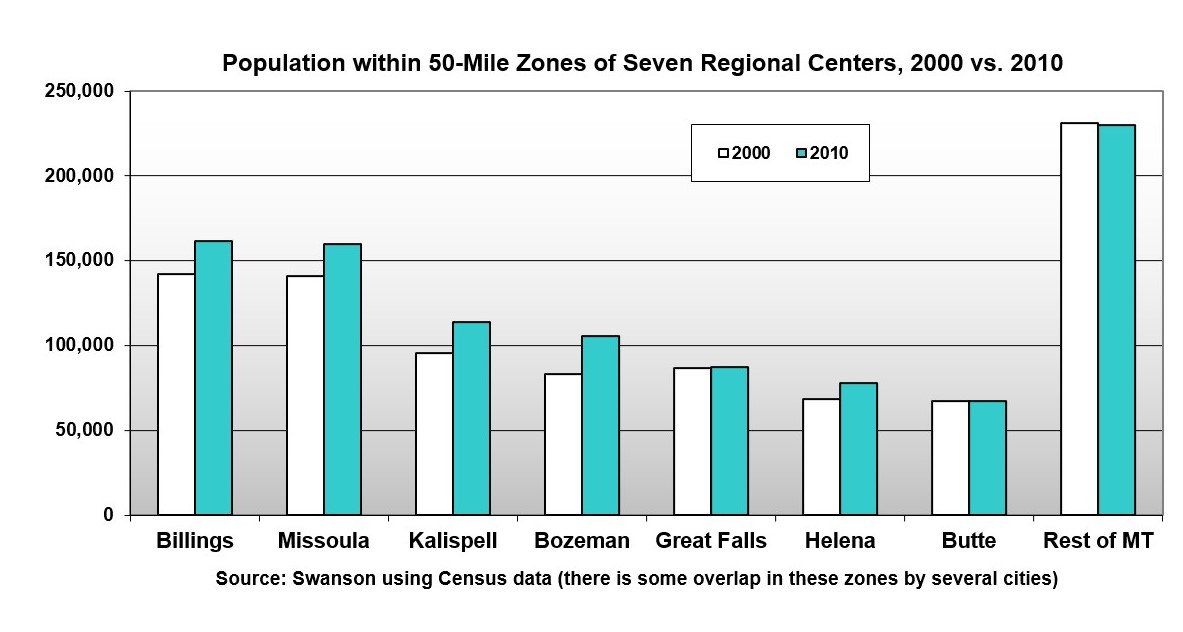
Recent years have seen certain areas of Montana, particularly around Bozeman and the Flathead Valley, experience notable population growth. This influx of new residents and increased tourist visitation puts pressure on infrastructure, natural resources, and the very wilderness that defines the state. For tourism, the challenge lies in accommodating more visitors while preserving the uncrowded, pristine quality that makes Montana so special. Sustainable tourism initiatives, community involvement in planning, and educating visitors about responsible travel are crucial steps in navigating this balance. The goal is to manage growth in a way that benefits local communities without compromising the environmental and cultural integrity of the “Last Best Place.”
Sustaining the “Last Best Place” Experience
Ultimately, the answer to “How many people are in Montana?” provides far more than a simple number. It offers a blueprint for understanding the state’s enduring allure. The relatively small and widely dispersed population is not a limitation but a defining characteristic that shapes every aspect of the tourist experience, from the serene landscapes to the genuine local interactions. Montana remains a destination for those who seek solace in the wild, who appreciate vastness over density, and who yearn for authentic connection with nature and community. As it continues to evolve, preserving this unique blend of wildness and hospitality will be key to sustaining its reputation as the “Last Best Place” for discerning travelers.
LifeOutOfTheBox is a participant in the Amazon Services LLC Associates Program, an affiliate advertising program designed to provide a means for sites to earn advertising fees by advertising and linking to Amazon.com. Amazon, the Amazon logo, AmazonSupply, and the AmazonSupply logo are trademarks of Amazon.com, Inc. or its affiliates. As an Amazon Associate we earn affiliate commissions from qualifying purchases.