
Embarking on a journey to the vast and picturesque landscapes of Montana, often dubbed “Big Sky Country,” involves more than just packing your bags and planning your itinerary. A fundamental piece of information that can significantly impact your travel experience, from booking flights to scheduling your outdoor adventures, is understanding the local time zone. For many contemplating a visit to this majestic state, a common query arises: “Is Montana Mountain Time?” The answer, in most cases, is a resounding yes. Montana predominantly operates on Mountain Time (MT), transitioning to Mountain Daylight Time (MDT) during the warmer months. This guide delves into the specifics of Montana’s time zone, its implications for travelers, and essential tips for navigating the temporal rhythms of this magnificent destination.
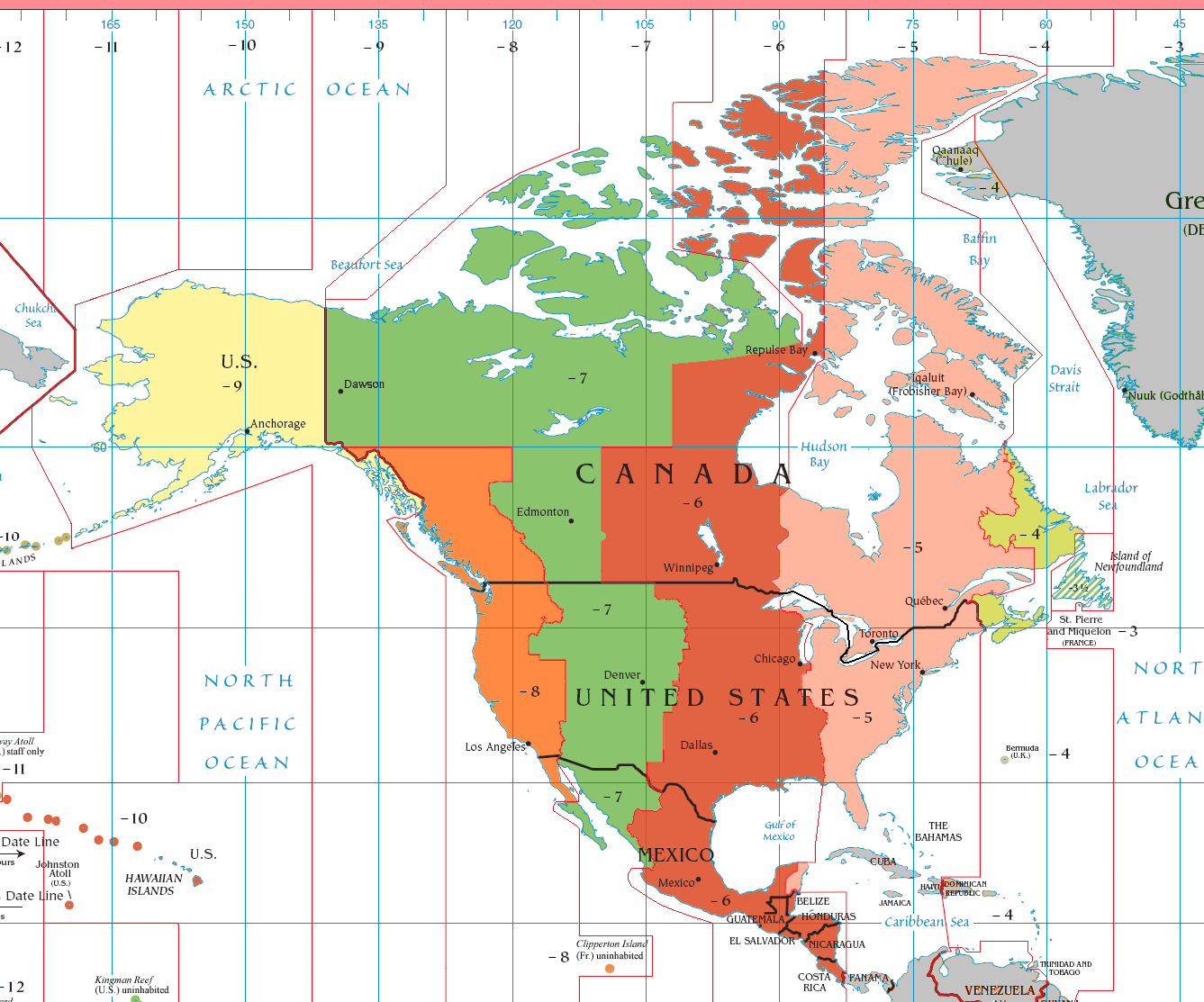
Unraveling Montana’s Time Zone Identity
To truly appreciate the nuances of Montana’s temporal setting, it’s crucial to understand the broader context of time zones in the United States and how Mountain Time fits into this intricate system. The geographical positioning of Montana, nestled among the Rocky Mountains and bordering several other states, largely dictates its time zone affiliation.
The Basics of Mountain Time
Mountain Time (MT) is one of the six standard time zones observed in the United States. It is generally seven hours behind Coordinated Universal Time (UTC) during standard time, expressed as UTC-7. This places Montana two hours behind Eastern Time (ET), one hour behind Central Time (CT), and one hour ahead of Pacific Time (PT). The states that primarily observe Mountain Time include Arizona (mostly without Daylight Saving Time), Colorado, parts of Idaho, Kansas, Nebraska, New Mexico, North Dakota, Oklahoma, Oregon, South Dakota, Texas, Utah, and Wyoming. Montana’s position squarely within this longitudinal band makes its adherence to MT a natural fit. While most of Montana observes this time zone, it’s worth noting that time zone boundaries can sometimes be complex and occasionally follow county lines, especially near state borders. However, for all practical purposes of travel within Montana, assume Mountain Time.
Daylight Saving in Big Sky Country
Like the majority of the United States, Montana observes Daylight Saving Time (DST). This means that on the second Sunday in March, clocks “spring forward” one hour, shifting from Mountain Time (MT) to Mountain Daylight Time (MDT). During MDT, Montana is six hours behind UTC (UTC-6). This change provides an extra hour of daylight in the evenings, a boon for summer travelers looking to maximize their outdoor activities. Clocks then “fall back” one hour on the first Sunday in November, returning to Mountain Time (MT). Being aware of these transitions is particularly important if your travel dates fall around these periods, as it can affect flight times, accommodation check-ins, and planned tours.
Why Time Zones Matter for Your Montana Adventure
Understanding Montana’s time zone is not merely an academic exercise; it has tangible implications for virtually every aspect of your trip. From the moment you begin planning to the final leg of your journey, time zone awareness will be your invaluable companion, ensuring a smooth and stress-free experience.
Planning Your Itinerary and Activities
The natural beauty and expansive wilderness of Montana draw visitors seeking everything from hiking and fishing to wildlife viewing and scenic drives. Many popular attractions, such as Glacier National Park and the Montana portions of Yellowstone National Park, operate on fixed schedules for visitor centers, ranger programs, and guided tours. Incorrectly calculating the local time can lead to missed appointments, closed gates, or a scramble to adjust your plans on the fly. For instance, a sunrise hike planned for 6 AM in your home time zone might need to be adjusted to 8 AM local time, depending on your origin. Furthermore, many small towns and businesses in Montana operate on schedules that cater to local rhythms, which might differ from what you’re accustomed to, making time zone synchronization all the more critical for successful planning.
Practical Considerations: Flights, Lodging, and Appointments
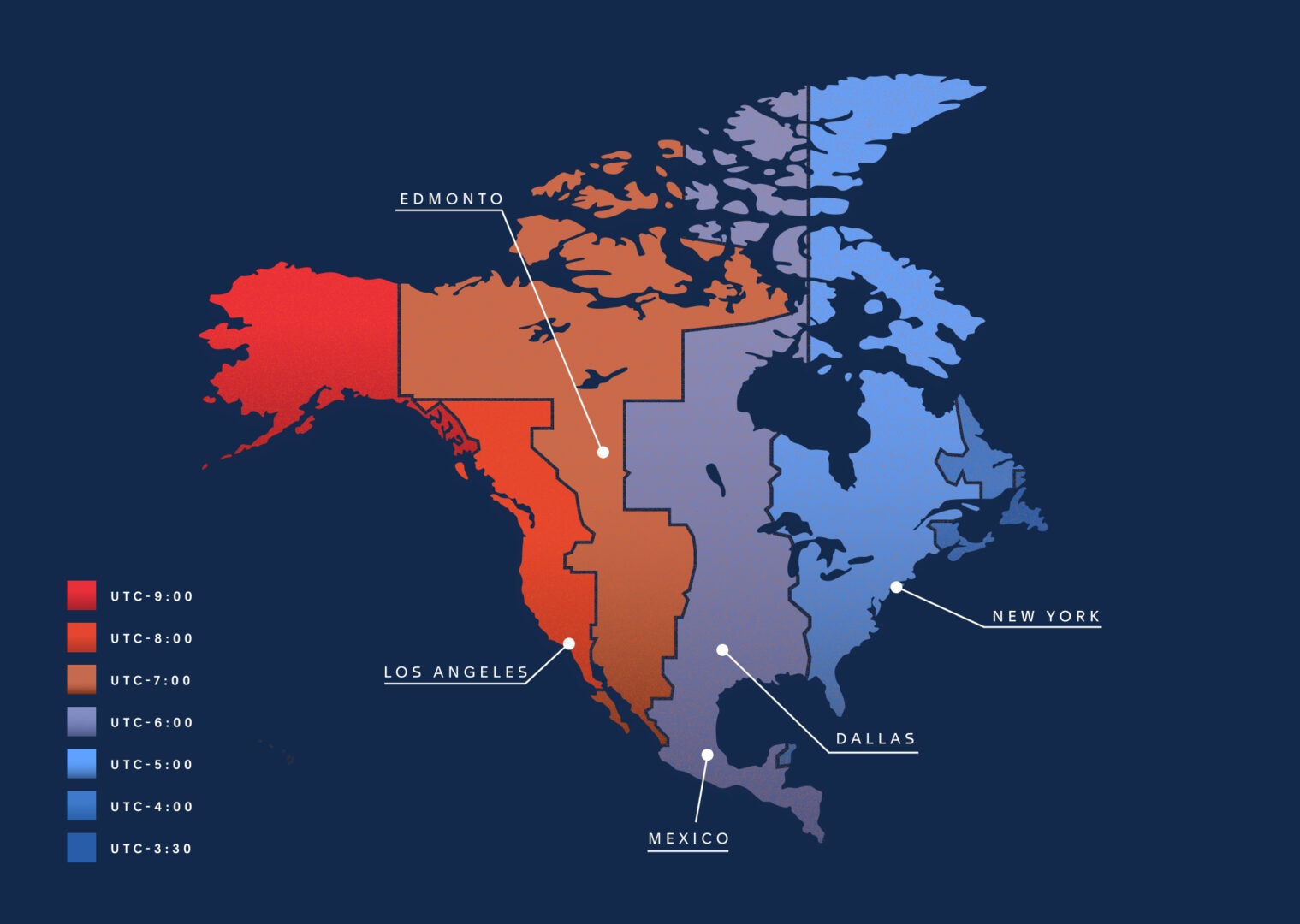
Beyond activities, the practicalities of travel are heavily influenced by time zones. When booking flights, ensure you’re aware of the arrival and departure times in Montana’s local time. A flight advertised as arriving at 3 PM might be 3 PM Mountain Time, which could be five hours earlier than your Eastern Time departure, causing jet lag or confusion if not properly accounted for. Similarly, hotel check-in and check-out times are strictly enforced according to local time. Missing your check-in window or overstaying your welcome due to a time zone miscalculation can incur unnecessary fees or disrupt your travel flow. Any pre-booked appointments, such as restaurant reservations, spa treatments, or guided fishing trips, will all be scheduled in Montana’s local time. Confirming these details in advance and double-checking your electronic devices for automatic time updates will help prevent any logistical hiccups.
Navigating Time Across Montana’s Diverse Landscapes
Montana’s geography is incredibly varied, encompassing sprawling plains, majestic mountains, and vibrant urban centers. While the entire state adheres to Mountain Time (with DST), understanding how this impacts different types of destinations within the state can further enhance your travel preparedness.
Urban Hubs and Their Rhythms
Cities like Bozeman, Missoula, Billings, Helena, and Great Falls serve as economic, cultural, and transportation centers within Montana. These cities generally operate on a more consistent schedule, with businesses, restaurants, and attractions adhering to standard operating hours. When visiting these urban areas, you can typically rely on your digital devices to automatically update to the correct local time. However, it’s always prudent to confirm opening hours for specific establishments, especially if they are smaller, family-run businesses that might have seasonal adjustments to their schedules. Public transportation, if available, and any city-based tours will also strictly follow local Mountain Time or Mountain Daylight Time.
Wilderness Explorations and Remote Considerations
Venturing into Montana’s vast wilderness areas presents unique considerations. While the time zone itself remains consistent, the practical implications can feel more pronounced due to the lack of connectivity and the emphasis on natural light. For backpackers, campers, and those exploring remote regions, understanding the local time dictates crucial elements like daylight hours for hiking, setting up camp before dusk, and estimating travel times between points. In national parks like Glacier National Park, where cell service can be spotty, relying on an old-fashioned watch or a manually updated device becomes important. Furthermore, if you plan to meet guides for fishing or hunting expeditions in remote locations, punctuality based on local time is paramount. Always communicate clearly with your guides about rendezvous times, ensuring there are no misunderstandings due to assumed time zones.
Tips for a Seamless Time Transition
Traveling across time zones can be disorienting, but with a few proactive measures, you can minimize its impact and ensure your Montana adventure remains perfectly synchronized.
Before You Go: Preparation is Key
Start adjusting your internal clock gradually a few days before your departure. If you’re coming from the east, try going to bed and waking up earlier. If from the west, later. Update all your electronic devices to automatically adjust to new time zones. Confirm all flight times, hotel bookings, and activity reservations in Montana’s local time. A quick double-check with the booking agent or establishment can save a lot of hassle. Inform anyone expecting you of your time zone change, especially if you have family or friends at home who might try to reach you at an inconvenient hour. Consider bringing a travel alarm clock if you’re concerned about your phone battery or network connectivity in remote areas.

On the Ground: Staying Synchronized
Upon arrival in Montana, immediately set your watch and devices to Mountain Time or Mountain Daylight Time. Try to adopt the local schedule as quickly as possible, eating meals and going to bed according to Montana’s rhythms. Exposure to natural light during the day can help reset your body clock faster, which is excellent news given Montana’s abundant outdoor opportunities. Stay hydrated and avoid excessive caffeine and alcohol, as these can exacerbate jet lag symptoms. Most importantly, allow yourself a little grace period. It’s normal to feel a bit off-kilter for the first day or two, but with mindful adjustments, you’ll soon be perfectly attuned to the majestic pace of “Big Sky Country.”
In conclusion, yes, Montana is indeed Mountain Time, observing Mountain Daylight Time during the summer months. Understanding this fundamental aspect of the state is a cornerstone of effective travel planning, ensuring that your exploration of Montana’s breathtaking beauty and vibrant culture unfolds seamlessly and on schedule.
LifeOutOfTheBox is a participant in the Amazon Services LLC Associates Program, an affiliate advertising program designed to provide a means for sites to earn advertising fees by advertising and linking to Amazon.com. Amazon, the Amazon logo, AmazonSupply, and the AmazonSupply logo are trademarks of Amazon.com, Inc. or its affiliates. As an Amazon Associate we earn affiliate commissions from qualifying purchases.