
Nestled in the heart of the American West, the majestic landscapes of Montana — known affectionately as the Big Sky Country — captivate visitors with their unparalleled beauty, from the towering peaks of the Rocky Mountains to the vast, undulating prairies. Beyond its iconic grizzlies, bison, and elk, Montana boasts a more subtle, yet equally captivating, natural emblem: its state bird. For tourists seeking to immerse themselves fully in the spirit and local culture of this incredible state, understanding its chosen avian ambassador is a delightful entry point into the natural wonders that define Montana. The state bird is more than just a biological fact; it is a symbol woven into the fabric of the region’s identity, offering unique insights for those looking to connect with the authentic heart of the West.
Discovering Montana’s Avian Emblem: The Western Meadowlark
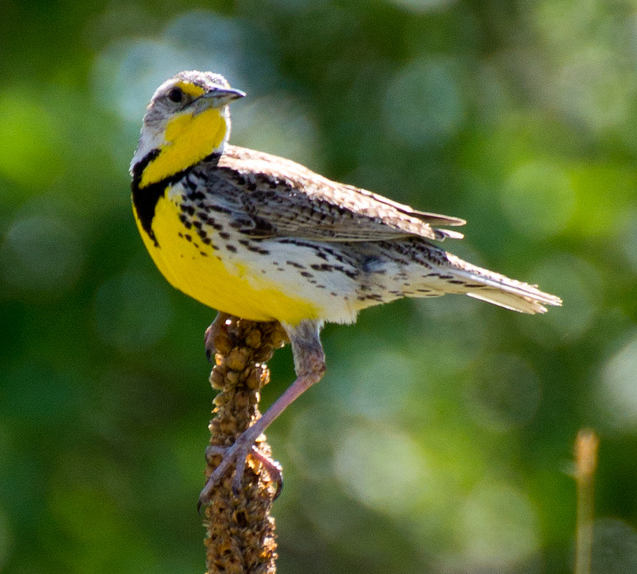
The official state bird of Montana is the Western Meadowlark (Sturnella neglecta), a choice that speaks volumes about the state’s natural heritage and the values cherished by its inhabitants. Adopted in 1931, the Western Meadowlark was selected by schoolchildren through a statewide vote, reflecting a deep-seated appreciation for this bird’s beauty, melodious song, and widespread presence across the diverse Montana landscape. For tourists, encountering a Western Meadowlark during their travels through the state offers a genuine moment of connection with Montana’s wild soul.
A Melodious Symbol of the Big Sky Country
One of the most distinguishing characteristics of the Western Meadowlark, and a primary reason for its popularity, is its utterly enchanting song. Unlike many birds whose calls are merely chirps or squawks, the Western Meadowlark delivers a complex, flute-like melody that resonates across open fields and prairies. Its song, often described as a series of clear, gurgling whistles, is a quintessential sound of spring and summer in the American West. For visitors exploring Montana’s vast grasslands and farmlands, hearing the meadowlark’s tune is an immersive auditory experience, instantly evoking the feeling of wide-open spaces and untouched nature. This bird’s vocal prowess makes it not just a visual treat but an aural delight, adding another layer to the sensory journey of exploring Montana’s natural attractions. Its presence signals a healthy prairie ecosystem, a testament to the state’s ongoing conservation efforts that preserve these critical habitats for myriad species.
Physical Traits and Distinctive Call
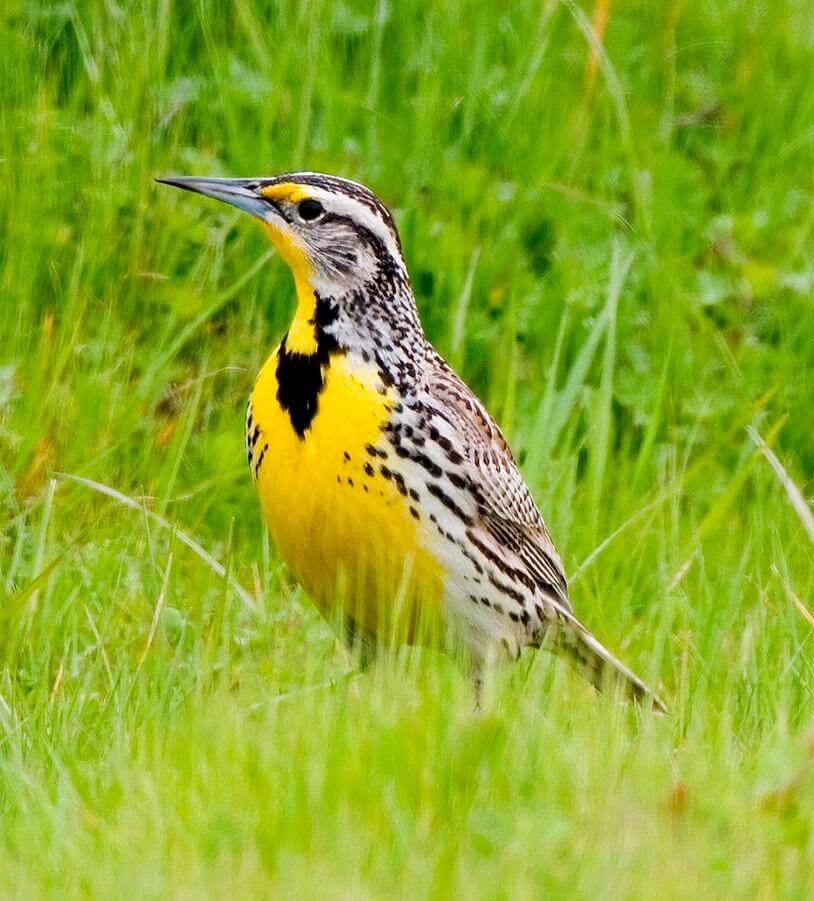
Beyond its song, the Western Meadowlark is visually striking, making it a rewarding sight for birdwatchers and casual observers alike. It is a medium-sized songbird, typically measuring about 8 to 10 inches in length with a wingspan of approximately 16 inches. Its plumage is a vibrant tableau of yellow, black, and brown. The bright yellow underparts, punctuated by a distinctive black V-shaped band across the chest, are instantly recognizable. Its back is streaked with brown and black, providing excellent camouflage against the grassy environments it inhabits. The head features a streaked crown and a bold yellow eyebrow stripe, adding to its charismatic appearance.
Tourists wishing to identify the Western Meadowlark can look for these key features. They are often seen perched prominently on fence posts, power lines, or tall grasses, allowing for clear views. However, their ground-nesting habits mean they are often camouflaged when feeding or tending to their young. The combination of its vivid coloring, confident posture, and, most importantly, its unmistakable song, makes the Western Meadowlark a truly memorable encounter for anyone visiting Montana. Its distinctive call, which varies regionally but maintains a characteristic clear, descending whistle, serves as an audible landmark in the rural soundscape of the state.
The Cultural and Natural Significance of the Western Meadowlark in Montana Tourism
The Western Meadowlark’s designation as Montana’s state bird is not merely an arbitrary choice; it embodies a deep connection to the state’s history, environment, and cultural identity. For tourists, understanding this significance can greatly enrich their visit, offering context to the landscapes they traverse and the local spirit they encounter. This bird represents resilience, beauty, and the untamed spirit of the West.
A Deep-Rooted History and Local Pride
The selection of the Western Meadowlark as the state bird by Montana schoolchildren in the early 20th century highlights a grassroots connection to local wildlife. This democratic process instilled a sense of collective ownership and pride in the bird, cementing its place in the state’s cultural narrative. Many Montanans grow up recognizing the meadowlark’s song as an integral part of their spring and summer memories, a natural soundtrack to life in the Big Sky Country.
For tourists, this translates into an opportunity to connect with the “local culture” of Montana on a unique level. Engaging with locals about the state bird can open conversations about Montana’s natural wonders, conservation efforts, and the importance of preserving its unique ecosystems. It’s a subtle yet powerful thread connecting past generations to current residents and visitors alike. Travelers might find meadowlark imagery in local art, crafts, or even the names of businesses, signifying its pervasive presence in the state’s identity.
Ecological Role and Habitat in Montana’s Landscapes
The Western Meadowlark thrives in the diverse habitats found across Montana, from the eastern plains to the intermountain valleys. Its preferred environments include grasslands, pastures, hayfields, and prairies – landscapes that are emblematic of much of Montana’s terrain. As an insectivore, consuming a diet rich in grasshoppers, crickets, and beetles, the Western Meadowlark plays a vital ecological role in pest control, contributing to the health of agricultural lands and natural ecosystems.
For visitors interested in eco-tourism and understanding the intricate balance of nature, observing the Western Meadowlark in its natural habitat provides a tangible link to the ecological processes at play. Its presence indicates a healthy grassland environment, one capable of supporting a wide array of wildlife. Exploring these areas, perhaps through guided nature walks or self-guided birdwatching tours, offers tourists a chance to witness Montana’s biodiversity firsthand and appreciate the interconnectedness of its flora and fauna. The bird’s preference for open spaces makes it a fantastic indicator species for the vast, undisturbed natural areas that Montana is famous for preserving.

Experiencing the Western Meadowlark: Tips for Tourists
For any tourist visiting Montana with an interest in wildlife or a desire to connect with the state’s natural emblem, actively seeking out the Western Meadowlark can be a highlight of their trip. Birdwatching, in particular, offers a peaceful and rewarding way to engage with Montana’s serene landscapes.
Prime Locations for Birdwatching in Montana
The widespread distribution of the Western Meadowlark means that opportunities to spot them exist across much of Montana. However, certain areas offer particularly rich birdwatching experiences:
- Eastern Montana Plains: The vast, open grasslands stretching across eastern Montana are prime meadowlark territory. Areas around Billings, Great Falls, and the Charles M. Russell National Wildlife Refuge are excellent for observing them in their preferred habitat.
- National Wildlife Refuges: Refuges specifically managed for grassland birds are ideal. The Benton Lake National Wildlife Refuge near Great Falls and the Lee Metcalf National Wildlife Refuge in the Bitterroot Valley offer protected habitats where meadowlarks thrive alongside other grassland species.
- State Parks and Scenic Byways: Many of Montana’s state parks with open fields, such as Lewis and Clark Caverns State Park, or drives along scenic byways (e.g., portions of the Lewis and Clark National Historic Trail) that cut through agricultural lands, provide frequent opportunities to hear and see the birds.
- Agricultural Areas: Even in the vicinity of cities like Bozeman or Missoula, venturing into nearby rural and agricultural lands will likely yield sightings. Drive slowly with windows down to listen for their distinctive song.
When visiting these locations, it’s advisable to bring binoculars, a field guide, and a keen ear to fully appreciate the Western Meadowlark and other avian life.
Best Times to Spot the State Bird
The optimal time for tourists to experience the Western Meadowlark is during its breeding season, which spans from early spring through late summer.
- Spring (April to June): This is arguably the best time. Meadowlarks are actively establishing territories, attracting mates, and beginning to nest. Their songs are most frequent and robust during this period, especially in the early morning and late afternoon. The greening landscapes of Montana also provide a beautiful backdrop for observations.
- Summer (July to August): While singing may decrease slightly after nesting is well underway, meadowlarks are still visible and vocal. Young birds will also be fledging, offering different observation opportunities.
- Fall and Winter: While some Western Meadowlark populations may overwinter in Montana, especially in milder areas, their activity and singing diminish considerably. They are harder to spot and their distinctive song is largely absent.
For the most engaging experience, plan your Montana trip to coincide with the spring and early summer months, when the Big Sky Country truly comes alive with the sound of the Western Meadowlark’s melody.
Enhancing Your Montana Travel Experience
Incorporating a search for the Western Meadowlark into your Montana itinerary enhances your trip beyond mere sightseeing. It encourages a slower pace of travel, prompting you to observe and listen, thereby fostering a deeper connection with the natural environment. This focus on local wildlife can also lead to discoveries of lesser-known scenic spots and charming rural communities. Tourists can engage in various activities like guided birdwatching tours offered by local naturalists, visiting dedicated birding trails in state parks, or simply taking leisurely drives through the countryside with an ear open for that distinctive song. This kind of mindful tourism transforms a casual visit into an immersive cultural and ecological experience, offering insights into why Montanans hold this specific bird in such high regard.
Beyond the Bird: Exploring Montana’s Diverse Natural Heritage
While the Western Meadowlark serves as a captivating introduction to Montana’s natural world, the state’s biodiversity extends far beyond its state bird. For eco-conscious tourists, Montana offers a wealth of opportunities to explore and appreciate its varied ecosystems and the conservation efforts protecting them.
From Prairies to Mountains: A Birdwatcher’s Paradise
Montana’s geographical diversity, ranging from the eastern plains to the western Rocky Mountains, creates a mosaic of habitats supporting an astonishing array of bird species. Birdwatchers can transition from spotting Western Meadowlarks and various raptors in the grasslands to observing species like Clark’s Nutcracker or Mountain Bluebirds in the high-altitude forests of Glacier National Park or the Custer Gallatin National Forest. Wetland areas around Flathead Lake and along the Missouri River attract diverse waterfowl and shorebirds. Even the Montana portion of Yellowstone National Park provides unique birding opportunities amidst its geothermal features. This ecological richness means that a trip focused on the Western Meadowlark can easily expand into a broader birding adventure, showcasing the incredible natural heritage that draws visitors to Montana year after year.
Conservation Efforts and Responsible Tourism
The health of the Western Meadowlark population and other grassland birds is directly tied to the preservation of their habitats. Montana is actively involved in numerous conservation initiatives aimed at protecting its prairies, wetlands, and forests. These efforts benefit not only the state bird but also countless other species and the overall ecological integrity of the state. For tourists, embracing responsible tourism practices is key to supporting these initiatives. This includes staying on marked trails, minimizing disturbance to wildlife, properly disposing of waste, and supporting local businesses that prioritize sustainable practices. Many organizations, such as the Montana Audubon and local land trusts, offer educational programs and volunteer opportunities for those wishing to deepen their engagement. By being mindful and respectful visitors, tourists contribute to ensuring that the melodious song of the Western Meadowlark will continue to echo across the Big Sky Country for generations to come, allowing future travelers to experience the same profound connection to Montana’s natural heart.
LifeOutOfTheBox is a participant in the Amazon Services LLC Associates Program, an affiliate advertising program designed to provide a means for sites to earn advertising fees by advertising and linking to Amazon.com. Amazon, the Amazon logo, AmazonSupply, and the AmazonSupply logo are trademarks of Amazon.com, Inc. or its affiliates. As an Amazon Associate we earn affiliate commissions from qualifying purchases.