
For travelers seeking to understand the essence of a destination, population statistics often offer more than just numbers; they provide a lens through which to view the landscape, culture, and overall experience. Montana, often celebrated as Big Sky Country, is a prime example where its relatively sparse population profoundly shapes its identity as a travel destination. Understanding “What is the population of Montana?” is key to appreciating its vast wilderness, uncrowded attractions, and distinct lifestyle that beckons adventurers and serenity-seekers alike.
As of the latest estimates, the population of Montana hovers around 1.14 million residents. This figure might seem modest when compared to more densely populated states in the United States. However, what truly defines Montana’s demographic profile, and its appeal to travelers, is not just the total number but how these individuals are spread across its immense geographical expanse. With an area of approximately 147,040 square miles, Montana ranks as the fourth-largest state by land area. This combination results in one of the lowest population densities in the nation, translating to a profound sense of openness and untouched nature that is increasingly rare in the modern world.

Demographics Shaping the Montana Travel Experience
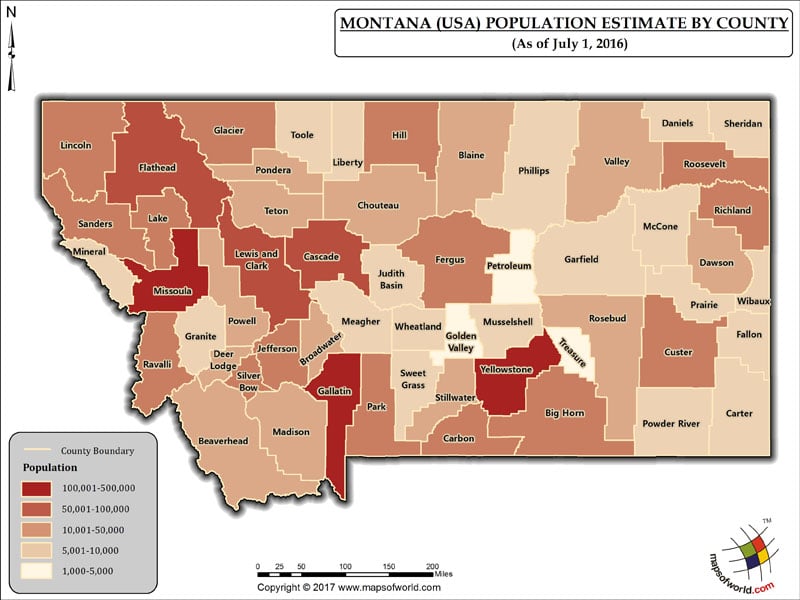
The population distribution across Montana is far from uniform, creating a diverse range of experiences for visitors. While the state boasts vast stretches of uninhabited wilderness, its population clusters in distinct regions, each offering a unique flavor of life and travel. This demographic pattern directly influences everything from the availability of amenities to the type of activities travelers can engage in.
Understanding Population Density and Its Appeal
With a population density of roughly 7.7 people per square mile, Montana stands in stark contrast to states like New Jersey or Rhode Island, which have hundreds of people per square mile. For the discerning traveler, this low density is not a drawback but a primary draw. It signifies expansive landscapes, clean air, clear night skies unblemished by light pollution, and unparalleled opportunities for solitude.
Travelers often choose Montana precisely for this escape from the hustle and bustle. The state’s vastness means that even popular attractions like Glacier National Park or the Yellowstone National Park region, while drawing significant crowds during peak season, can still offer moments of isolated beauty with a little exploration off the main trails. The quiet roads, the absence of skyscrapers, and the pervasive presence of nature define much of the Montana travel narrative, making it a sanctuary for those seeking connection with the outdoors.
Key Urban Centers and Their Role in Tourism
While Montana is known for its wide-open spaces, several cities serve as vital hubs for residents and gateways for tourists. These urban centers provide the infrastructure, services, and cultural experiences that complement the state’s natural beauty.
-
Billings: The Largest City and Commercial Hub
With a population exceeding 100,000, Billings is Montana’s largest city. It acts as a primary commercial and medical center for a vast region, including parts of Wyoming and the Dakotas. For travelers, Billings offers diverse dining, shopping, and cultural attractions, including museums and vibrant nightlife. It’s often a starting or ending point for trips exploring the eastern part of Montana or accessing the Yellowstone River and surrounding recreational areas. The city provides a convenient blend of urban amenities with easy access to outdoor adventures. -
Missoula: The Cultural and Recreational Heart
Located in western Montana and home to the University of Montana, Missoula is a vibrant city with a strong outdoor recreation and arts scene. Its population, approaching 80,000, enjoys a setting surrounded by mountains and rivers. Travelers are drawn to Missoula for its craft breweries, eclectic shops, live music venues, and its proximity to world-class fly-fishing on the Bitterroot, Clark Fork, and Blackfoot Rivers, as well as access to numerous hiking and biking trails. It serves as an excellent base for exploring the Northern Rockies. -
Bozeman: The Fast-Growing Gateway to Adventure
Perhaps one of Montana’s most talked-about cities, Bozeman has experienced significant population growth in recent years, now home to over 50,000 residents. Its appeal lies in its stunning natural surroundings, proximity to Yellowstone National Park, and its status as a hub for outdoor sports like skiing, hiking, and mountain biking. Bozeman also offers a sophisticated culinary scene, art galleries, and a lively downtown, making it a magnet for adventure travelers and those seeking a blend of wilderness and modern comfort. The rapid growth, fueled partly by its allure, also means travelers might encounter more crowds here than in other parts of the state. -
Helena and Great Falls: History and River Access
Helena, the state capital, with a population around 34,000, offers a rich history rooted in the gold rush era, with beautiful Victorian architecture and the impressive State Capitol Building. Great Falls, with a population of over 60,000, is strategically located along the Missouri River, famous for its five waterfalls and the Lewis and Clark National Historic Trail Interpretive Center. Both cities provide distinct historical and natural attractions for travelers.
The Influence of Population on Montana’s Travel Infrastructure
The relatively low population of Montana directly impacts its infrastructure, offering both unique charms and practical considerations for travelers. The scarcity of major cities translates to fewer interstates crisscrossing the state, more scenic byways, and fewer large-scale commercial developments, preserving a sense of wildness.
Roads Less Traveled and Remote Experiences
While major highways connect the primary cities, much of Montana’s vast interior is accessed via state routes and county roads, some of which are unpaved. This road network caters to a population that values self-reliance and the journey itself. For travelers, this means a slower pace of travel, with ample opportunities for scenic drives, wildlife viewing, and spontaneous stops. Gas stations and services can be few and far between in remote areas, necessitating careful planning, especially when venturing into wilderness areas like the Bob Marshall Wilderness Complex or along the Canadian border. This sense of remoteness is a core part of the Montana travel experience, allowing visitors to truly disconnect.
Accommodation and Service Availability
In the more populated tourist zones, such as around Glacier National Park, Yellowstone National Park, and cities like Bozeman and Missoula, travelers will find a good range of hotels, resorts, and vacation rentals. However, once outside these popular areas, options become more limited, favoring smaller motels, charming bed-and-breakfasts, and numerous campgrounds. This often means booking accommodations well in advance, especially during the peak summer months.
The local workforce, though smaller in scale compared to major metropolitan areas, is often deeply connected to the land and the outdoors, contributing to the authentic and friendly service travelers often encounter. Many businesses are family-owned, offering a personalized touch that larger, more populated destinations might lack.
Population Trends and the Future of Montana Travel
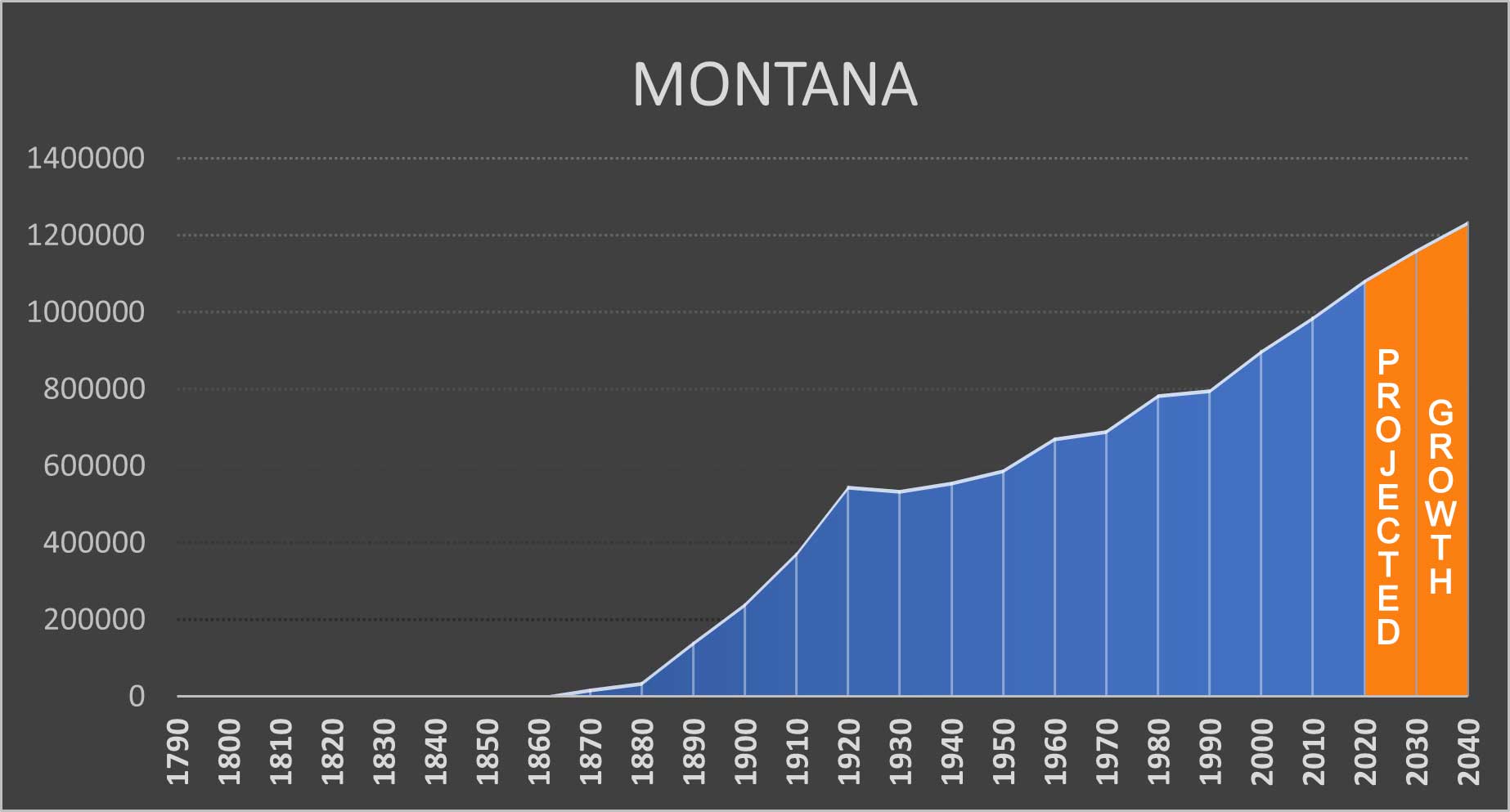
Montana’s population has been experiencing steady growth, particularly in recent decades. The allure of its natural beauty, lower cost of living (though rising in some areas), and a perceived higher quality of life continue to attract new residents, including remote workers and retirees. This growth presents both opportunities and challenges for the state’s travel and tourism sector.
Balancing Growth with Preservation
As more people discover Montana’s charms, there’s an increasing need to balance economic growth with the preservation of its natural resources and the very qualities that make it appealing. Destinations like Bozeman and areas around Flathead Lake are grappling with increased traffic, development, and rising costs. For travelers, this means a greater emphasis on sustainable tourism practices, respecting local communities, and understanding the impact of their visits. Agencies like the National Park Service and local conservation groups are actively working to manage visitation and protect wilderness areas.
Future travel to Montana will likely involve a continued appreciation for its vast, open spaces, but with an increasing awareness of the need to protect these environments. Travelers might find more opportunities for eco-tourism, guided backcountry adventures that minimize impact, and experiences that connect them more deeply with the land and its stewardship efforts.
The Enduring Allure of Low Population
Despite the growth, Montana is projected to remain one of the least densely populated states in the United States for the foreseeable future. This fundamental demographic truth will continue to define its unique appeal as a travel destination. The chance to immerse oneself in untamed wilderness, to experience truly dark skies, to drive for miles without seeing another car, and to encounter wildlife in its natural habitat are experiences intrinsically linked to Montana’s sparse population.
From the majestic peaks of the Rocky Mountains to the sprawling plains of the east, Montana offers a travel experience defined by spaciousness and natural grandeur. Its population, while a simple number on paper, is the invisible force that shapes its character, preserves its wild heart, and ultimately makes it a truly unparalleled place to explore. For those seeking an authentic connection with nature, an escape from the crowd, and an adventure under the expansive Big Sky, Montana’s population tells a compelling story of solitude and wonder.
LifeOutOfTheBox is a participant in the Amazon Services LLC Associates Program, an affiliate advertising program designed to provide a means for sites to earn advertising fees by advertising and linking to Amazon.com. Amazon, the Amazon logo, AmazonSupply, and the AmazonSupply logo are trademarks of Amazon.com, Inc. or its affiliates. As an Amazon Associate we earn affiliate commissions from qualifying purchases.