
The question of French Montana’s nationality is a fascinating one, touching upon the complexities of identity, immigration, and the globalized nature of celebrity. Often perceived through the lens of his musical career and public persona, his origins reveal a story of displacement, resilience, and the forging of a new identity in a foreign land. Understanding his nationality is not merely a biographical detail; it offers a glimpse into the lived experiences of many who navigate dual cultural landscapes and contribute to the vibrant tapestry of global culture.
A Journey From Casablanca to the Bronx
French Montana’s story begins far from the neon lights of the entertainment industry. Born Karim Kharbouch, his early life unfolded in Casablanca, Morocco. This North African metropolis, a bustling port city with a rich history and diverse influences, served as the backdrop for his formative years. Morocco, a country situated at the crossroads of Europe and Africa, boasts a unique cultural heritage, a blend of Berber, Arab, and European traditions. The sights, sounds, and smells of Casablanca undoubtedly shaped his early sensibilities, a foundation that would later intertwine with entirely different influences.

The Moroccan Roots
Karim Kharbouch’s upbringing in Morocco was marked by a typical childhood experience within the country’s vibrant social fabric. While details about his immediate family life are often private, it is understood that he comes from a Moroccan background, steeped in the customs and traditions of his homeland. This period of his life represents his initial cultural immersion, the bedrock of his identity before his significant relocation. The linguistic landscape of Morocco, primarily Arabic and Berber languages with French widely spoken due to its colonial past, likely provided him with early exposure to multilingualism, a skill that would prove invaluable later in his life. The rich history of Morocco, from its ancient medinas to its stunning coastal landscapes, forms an intrinsic part of his heritage.
The Transatlantic Shift
At the age of 13, Karim Kharbouch embarked on a monumental journey that would fundamentally alter the course of his life. He immigrated with his family to the United States, specifically settling in the Bronx, New York City. This move was not merely a geographical relocation; it represented a profound cultural and societal transition. The Bronx, a borough known for its distinctive urban culture, its pivotal role in the birth of hip-hop, and its diverse immigrant communities, became his new home. The contrast between the familiar rhythms of Casablanca and the dynamic, often challenging, environment of the Bronx would have been stark, demanding immense adaptability and resilience. This period marked the beginning of his assimilation into American society while still holding onto his Moroccan heritage.
Forging a New Identity: From Karim Kharbouch to French Montana
The transformation from Karim Kharbouch to the persona of “French Montana” is a narrative of reinvention and the strategic adoption of a moniker that reflects his journey and aspirations. His stage name itself is a nod to his origins and his chosen path.

The “French” Influence
The “French” in French Montana’s name is often interpreted as a nod to the influence of French culture in Morocco, particularly due to the historical presence of French as a second language. This linguistic and cultural overlay within Morocco provides a subtle yet significant link to his homeland that is recognizable internationally. It speaks to the complex layers of cultural identity that many individuals from former colonial territories possess. For him, it might also represent a perceived global sophistication or a broader appeal, a way to connect with a wider audience beyond his immediate Moroccan context.
The “Montana” Connection
The “Montana” part of his name is less directly tied to a specific place and more suggestive of a certain swagger and ambition. It evokes images of wide-open spaces, a sense of pioneering spirit, and perhaps an aspiration for greatness. In the context of the hip-hop world, such monikers are often chosen to create a memorable and impactful brand. It’s a name that sounds strong, memorable, and distinct, allowing him to carve out a unique identity within a competitive industry. Together, “French Montana” becomes a powerful symbol of his hybrid identity: rooted in Morocco (“French”) yet striving for vast success and recognition in his adopted homeland of the United States (“Montana”).
Nationality and Citizenship: A Deeper Dive
While the stage name French Montana might suggest a specific nationality, the reality is more nuanced. His journey through the immigration system and his eventual establishment of residency and citizenship in the United States are central to understanding his legal and national identity.
Moroccan by Birth, American by Choice
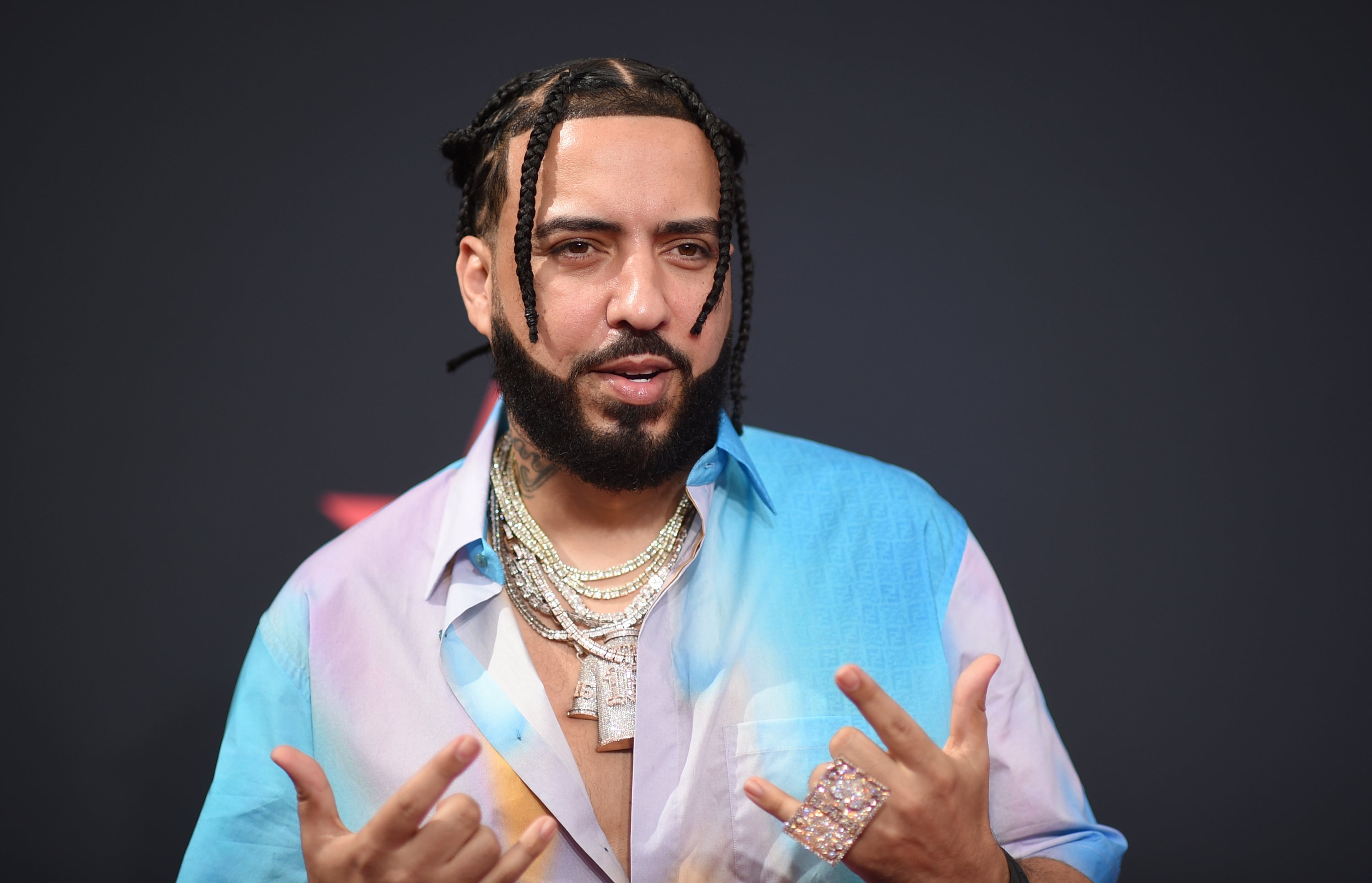
Karim Kharbouch was born in Morocco, making him a Moroccan national by birthright. This is his primary nationality in the sense of his origin. However, upon immigrating to the United States at a young age, he began the process of integrating into American society. This often involves a period of legal residency followed by the application for citizenship. For many immigrants, the decision to pursue American citizenship is driven by a desire for full participation in the society they have adopted, including the rights and responsibilities that come with it. The complexities of immigration laws and processes mean that the timeline for achieving citizenship can vary significantly. However, for an individual who has lived and worked in the United States for decades, it is highly probable that he has pursued and obtained American citizenship. This dual aspect of his identity – his Moroccan heritage and his adopted American nationality – is a defining characteristic.
The Impact of Immigration on Identity
The experience of immigration profoundly shapes an individual’s identity. For French Montana, moving from Morocco to the Bronx exposed him to a vastly different culture, language, and social environment. This necessitates a process of adaptation, learning new norms, and often developing a bicultural identity. He is not simply a Moroccan living in America, nor is he solely American. Rather, he embodies a synthesis of both, drawing from the rich cultural heritage of his birth country while fully engaging with and contributing to his adopted nation. His music often reflects this duality, sometimes referencing his Moroccan roots and at other times celebrating the American Dream he has pursued. This ability to navigate and integrate these different cultural influences is a testament to his adaptability and the multifaceted nature of modern identity. His story is a powerful illustration of how individuals can bridge cultural divides and find success by embracing their unique backgrounds.
LifeOutOfTheBox is a participant in the Amazon Services LLC Associates Program, an affiliate advertising program designed to provide a means for sites to earn advertising fees by advertising and linking to Amazon.com. Amazon, the Amazon logo, AmazonSupply, and the AmazonSupply logo are trademarks of Amazon.com, Inc. or its affiliates. As an Amazon Associate we earn affiliate commissions from qualifying purchases.