
Understanding the intricacies of state sales tax is a crucial element for any traveler, especially when planning a trip that involves purchases. For those venturing to the heartland of America, specifically the state of Nebraska, a clear grasp of its sales tax structure can significantly impact budgeting and overall travel experience. This guide delves into the specifics of the Nebraska sales tax, providing insights for travelers and tourists alike. From understanding the base rate to exploring local nuances and common tourist-related expenditures, this information will help you navigate your purchases with confidence.
Understanding the Core of Nebraska’s Sales Tax
The Nebraska sales tax is a consumption tax levied on the sale of tangible personal property and certain services within the state. It is a vital source of revenue for the state government, funding various public services and infrastructure projects that enhance the visitor experience. For tourists, this translates into an additional percentage added to the price of many goods and services they will encounter during their travels.
State Sales Tax Rate
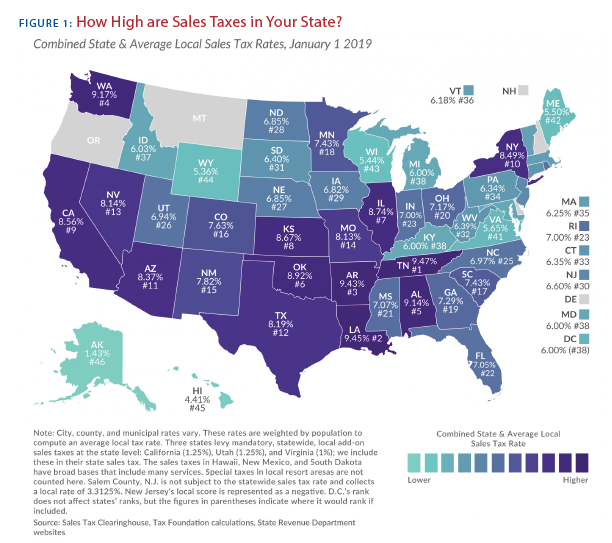
The foundational element of the Nebraska sales tax is its state-level rate. This rate is applied uniformly across all counties and municipalities within the state, forming the base upon which local taxes are added. As of the most recent information, Nebraska has a state sales tax rate of 5.5%. This means that for every dollar spent on taxable goods and services, an additional $0.055 goes to the state. While this rate might seem straightforward, it is essential to remember that it is only part of the total tax burden.
Components of the Sales Tax
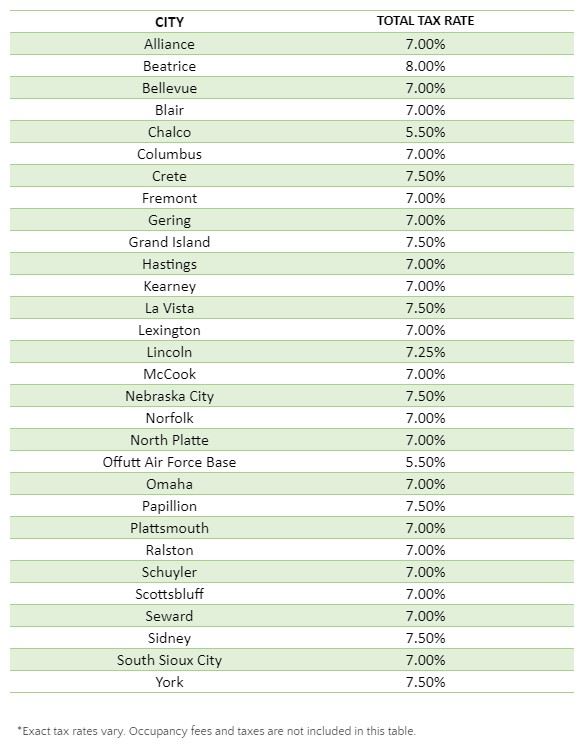
The overall sales tax rate a consumer pays in Nebraska is a combination of the state rate and any applicable local taxes. These local taxes are imposed by counties and municipalities to fund their own specific needs and services. This layered approach means that the total sales tax can vary depending on your exact location within the state. For instance, a purchase made in Omaha might have a different total sales tax rate than one made in a smaller town like Scottsbluff.
Taxable vs. Non-Taxable Items and Services
A critical aspect for any consumer, especially a tourist, is understanding what items and services are subject to sales tax. In Nebraska, the general rule is that tangible personal property is taxable unless specifically exempted. This includes a wide range of items commonly purchased by tourists, such as souvenirs, clothing, electronics, and meals.
However, there are notable exceptions. Certain services are also taxable in Nebraska, which can catch travelers by surprise. These often include things like hotel accommodations, car rentals, and various repair or personal services. Conversely, some items and services are exempt from sales tax. These exemptions are typically in place for essential goods or specific industries. Common exemptions might include certain grocery items, prescription medications, and sometimes agricultural products. It is always advisable to check for specific exemptions relevant to your purchases.
Local Tax Variations and Their Impact on Travelers
The impact of local taxes on the total sales tax rate in Nebraska cannot be overstated. While the state rate provides a baseline, the addition of county and municipal taxes creates a more complex tax landscape for travelers. Understanding these variations is key to accurate budgeting.
County Sales Tax Rates
Each county in Nebraska has the option to impose its own sales tax. These county taxes are added to the state sales tax rate. The rates can vary significantly from one county to another, reflecting the different financial needs and priorities of each local government. For example, counties with major tourist attractions or larger populations may have higher county sales tax rates to support local infrastructure and services that cater to visitors. It is important to research the specific county you will be visiting to ascertain the applicable county sales tax.
City and Village Sales Tax Rates
In addition to county taxes, many cities and villages in Nebraska also levy their own local sales taxes. These taxes are added on top of both the state and county rates, further increasing the total sales tax burden. This means that two adjacent towns in the same county could have different total sales tax rates if one has an additional city tax and the other does not. This is particularly relevant for travelers who might be staying in one municipality and shopping or dining in another. The cumulative effect of state, county, and city taxes can result in total sales tax rates that are considerably higher than the base state rate.
Maximum Combined Tax Rates
While Nebraska allows for the combination of state, county, and city sales taxes, there is often a cap on the maximum combined sales tax rate that can be imposed. This cap is designed to prevent excessively high tax burdens in certain localities. However, even with a cap, the total rate can still be substantial in many areas. Travelers should be aware that the specific combined rate will depend on the precise location of their purchases. Resources are available from the Nebraska Department of Revenue or local tax authorities that can provide detailed information on the combined sales tax rates for specific cities and counties.
Sales Tax Implications for Common Tourist Expenses
For visitors exploring Nebraska, certain common expenditures will be directly affected by the state’s sales tax policies. From accommodation to dining and souvenirs, understanding these implications can help in making informed decisions and managing your travel budget effectively.
Accommodation and Lodging
Hotels, motels, resorts, and other forms of lodging are typically subject to sales tax in Nebraska. This means that the advertised nightly rate for a room at establishments like the Omaha Marriott Downtown at the Capitol District or a charming bed and breakfast will have the combined state and local sales tax added to the final bill. The exact rate will depend on the location of the lodging. For instance, a stay at a resort near Lake McConaughy might incur a different tax than a hotel in Lincoln. Travelers should factor this additional cost into their accommodation budget.
Dining and Food Purchases
The taxation of food and dining in Nebraska can be nuanced and is an important consideration for travelers who enjoy exploring local culinary scenes. Prepared meals, such as those purchased at restaurants, diners, and cafes, are generally subject to sales tax. This includes everything from a quick bite at a fast-food establishment to a fine dining experience at a restaurant in Omaha. However, “food for home consumption” – typically uncooked groceries purchased at a supermarket – is often exempt from sales tax. This distinction is crucial for travelers who might be opting for self-catering or purchasing snacks for their excursions.
Souvenirs and Retail Purchases
Shopping for souvenirs and other retail items is a quintessential part of many travel experiences. In Nebraska, most tangible personal property purchased at retail stores, boutiques, and gift shops will be subject to sales tax. This applies to items like apparel, handcrafted goods, books, and specialty items you might pick up at the Old Market in Lincoln or at shops in towns like Chadron. The final price will reflect the state sales tax rate plus any applicable local taxes for the area where the purchase is made.
Car Rentals and Transportation
For travelers who choose to rent a vehicle to explore Nebraska, the cost of the rental car itself will likely be subject to sales tax, along with any associated fees. This adds to the overall expense of transportation. Similarly, certain transportation-related services might also be taxed. It is always prudent to inquire about tax inclusions when booking car rentals or planning for other modes of transport.
Navigating Sales Tax for a Smoother Travel Experience
Understanding and accounting for Nebraska sales tax can significantly enhance the planning and execution of your trip. By being informed, you can avoid unexpected costs and make more precise budget estimations.
Budgeting for Sales Tax
The most practical application of this knowledge is in your travel budgeting. Before embarking on your trip, it is wise to estimate the total sales tax you might incur based on your planned activities and purchases. A good rule of thumb is to add a buffer to your estimated expenses to account for sales tax. For example, if you plan to spend $500 on souvenirs and dining, and the average combined sales tax rate in the areas you’ll visit is 7%, you should budget an additional $35. This proactive approach helps prevent financial surprises and ensures a more relaxed vacation.
Researching Local Tax Rates
To facilitate accurate budgeting and informed spending, taking a few moments to research the specific sales tax rates for the cities and counties you intend to visit is highly recommended. Many state revenue departments provide online tools or searchable databases that list the combined sales tax rates for various localities. Websites dedicated to travel or local tourism may also offer this information. Knowing the exact rates for places like Grand Island or Kearney allows for more precise financial planning.
Understanding Exemptions and Special Cases
While not always applicable to the average tourist, being aware of potential sales tax exemptions can sometimes lead to savings. For instance, if you are a tourist purchasing items for export from the state, there might be specific procedures or exemptions related to that. Likewise, understanding the distinction between taxable prepared food and non-taxable groceries can help when planning meals. In cases of doubt, it is always best to politely inquire with the retailer or consult official state tax resources.
The Value of Informed Spending
Ultimately, a traveler who is informed about Nebraska sales tax is a traveler who can spend more wisely and enjoy their trip with greater peace of mind. Sales tax is an inherent part of commerce, and in Nebraska, it plays a role in funding the very infrastructure and services that make the state an attractive destination. By understanding its mechanics, you can better appreciate the value of your purchases and the contributions they make to the local economy, ensuring a more enriching and seamless travel experience across the Cornhusker State.
LifeOutOfTheBox is a participant in the Amazon Services LLC Associates Program, an affiliate advertising program designed to provide a means for sites to earn advertising fees by advertising and linking to Amazon.com. Amazon, the Amazon logo, AmazonSupply, and the AmazonSupply logo are trademarks of Amazon.com, Inc. or its affiliates. As an Amazon Associate we earn affiliate commissions from qualifying purchases.