
Understanding the rhythm of the weather is paramount for any traveler seeking to experience the full spectrum of what a destination has to offer. For those drawn to the vast landscapes and unique cultural tapestry of Nebraska, this is especially true. The Cornhusker State, nestled in the heart of the Great Plains, is renowned for its agricultural heritage, vibrant cities like Omaha and Lincoln, and a natural beauty that changes dramatically with the seasons. However, it is also a state that experiences significant meteorological events, most notably, tornadoes. Knowing when tornado season in Nebraska typically occurs is crucial for planning a safe and enjoyable visit, allowing you to make informed decisions about travel dates, accommodation, and activities. This guide delves into the specifics of Nebraska‘s tornado season, providing insights that will help you navigate your journey with confidence.
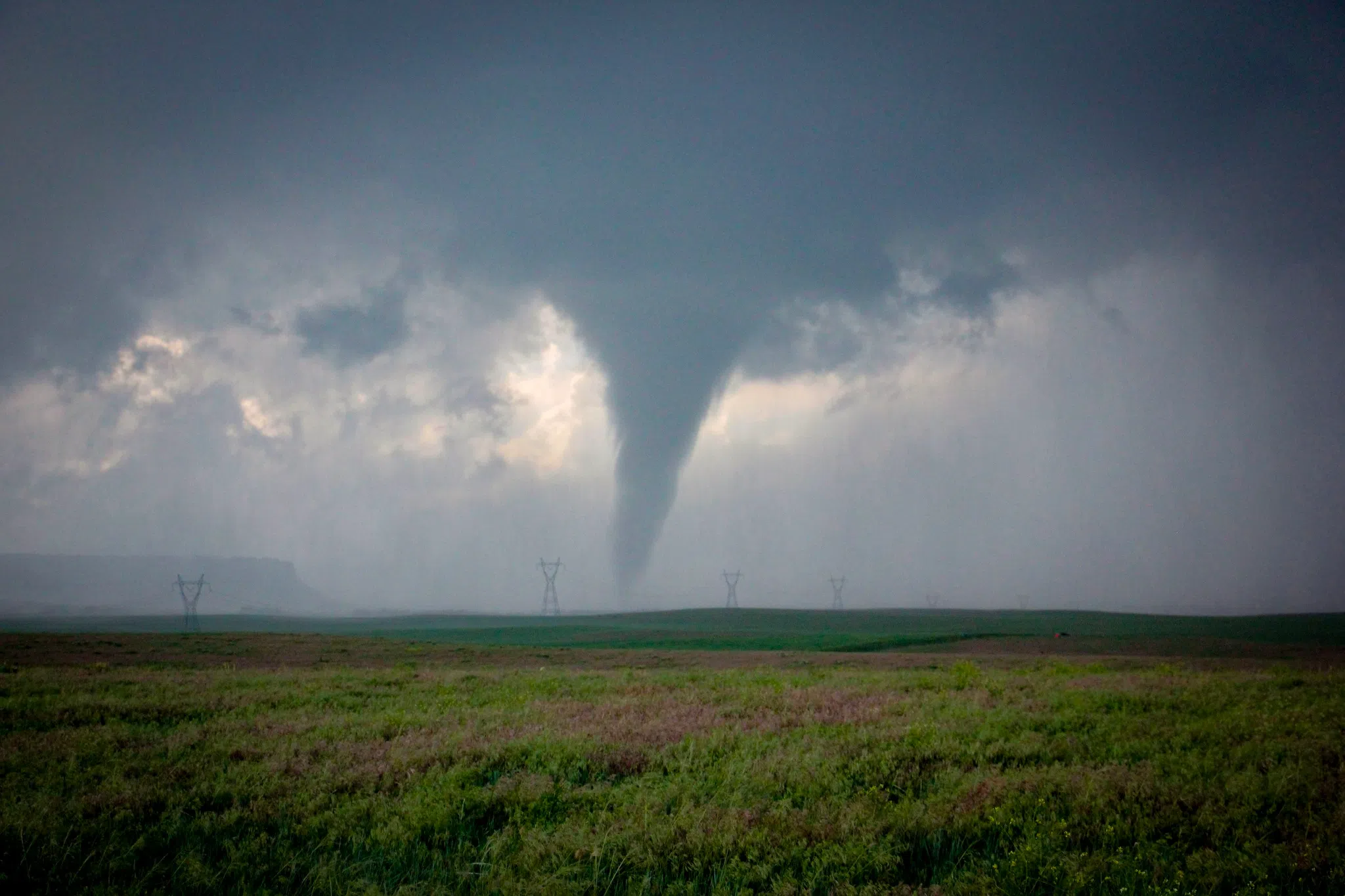
Understanding the Dynamics of Tornado Alley
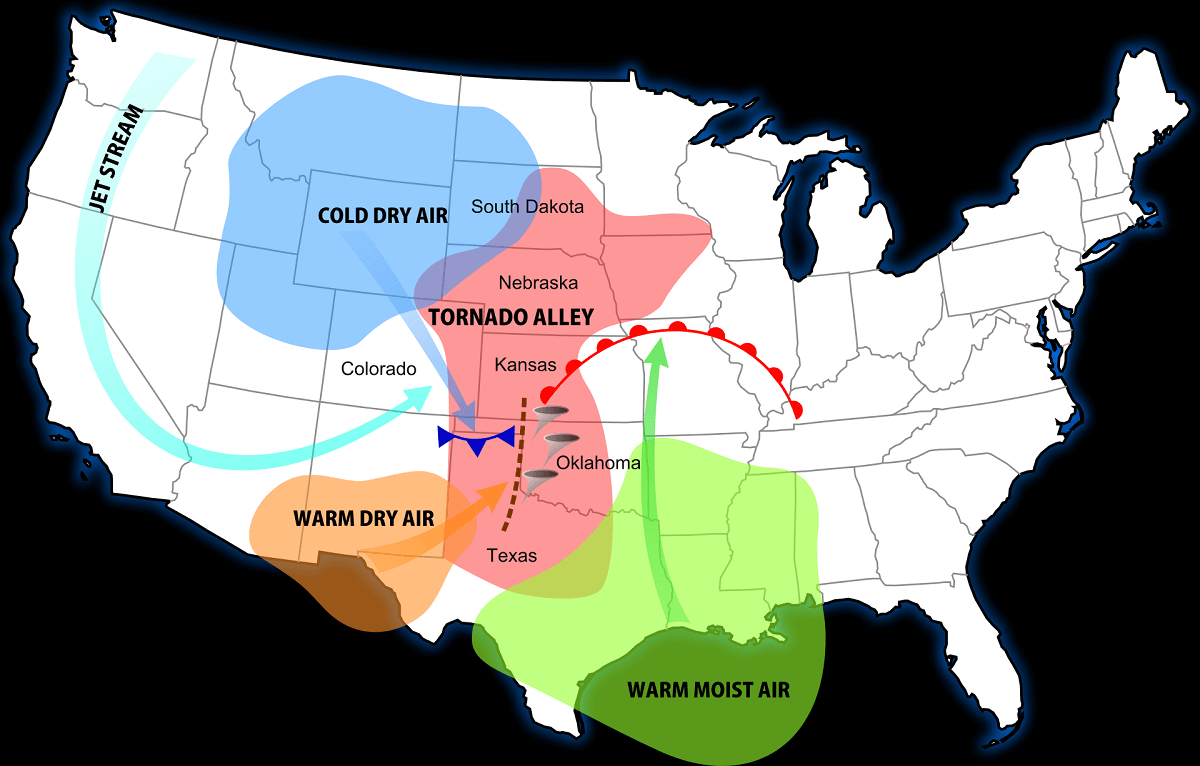
Nebraska is situated squarely within what is commonly known as “Tornado Alley,” a broad region in the central United States that experiences a higher frequency of tornadoes than most other places in the world. This meteorological phenomenon is driven by a unique confluence of atmospheric conditions.
The Role of Geography and Climate
The geography of the Great Plains plays a pivotal role in fostering tornado formation. The region is characterized by vast, open spaces that allow for the unimpeded movement of air masses. During the spring and early summer, warm, moist air from the Gulf of Mexico collides with cool, dry air from the Rocky Mountains and Canada. This clash creates atmospheric instability, a key ingredient for severe weather.
The elevation of the Great Plains also contributes. As warm air rises and cools, it can lead to the formation of powerful thunderstorms. When these thunderstorms rotate, they can develop into supercells, which are the most common progenitors of strong and violent tornadoes. The lack of significant topographical barriers, such as mountain ranges, allows these storms to travel long distances, impacting large areas of the state.
Key Atmospheric Ingredients for Tornado Formation
The formation of a tornado is a complex process that requires a specific set of atmospheric conditions to align:
- Moisture: Abundant moisture, typically originating from the Gulf of Mexico, is essential for the development of thunderstorms. This moisture provides the fuel for the storm’s updraft.
- Instability: This refers to the atmosphere’s tendency to promote the development of updrafts. Warm, moist air near the surface and cooler, drier air aloft create an unstable environment where air parcels can rise rapidly.
- Lift: A mechanism is needed to initiate the upward movement of air, such as a cold front, warm front, or dryline. This lift provides the initial push for the storm’s development.
- Wind Shear: This is the change in wind speed and direction with height. Significant wind shear can cause thunderstorms to rotate, leading to the formation of supercells and, potentially, tornadoes.
When these ingredients come together over Nebraska, the conditions are ripe for severe weather, including the possibility of tornadoes.
The Peak Months for Nebraska Tornado Season
While tornadoes can technically occur at any time of the year in Nebraska, the vast majority of these events are concentrated within a specific period. Understanding these peak months is vital for planning travel.
Spring: The Primary Season of Activity
The tornado season in Nebraska officially begins to ramp up in the spring. April marks the start of increased activity, with the number of severe weather events typically rising through the month. By May, the state is often experiencing its most intense period of tornado outbreaks. May is frequently cited as the month with the highest likelihood of significant tornado activity across Tornado Alley, including Nebraska.
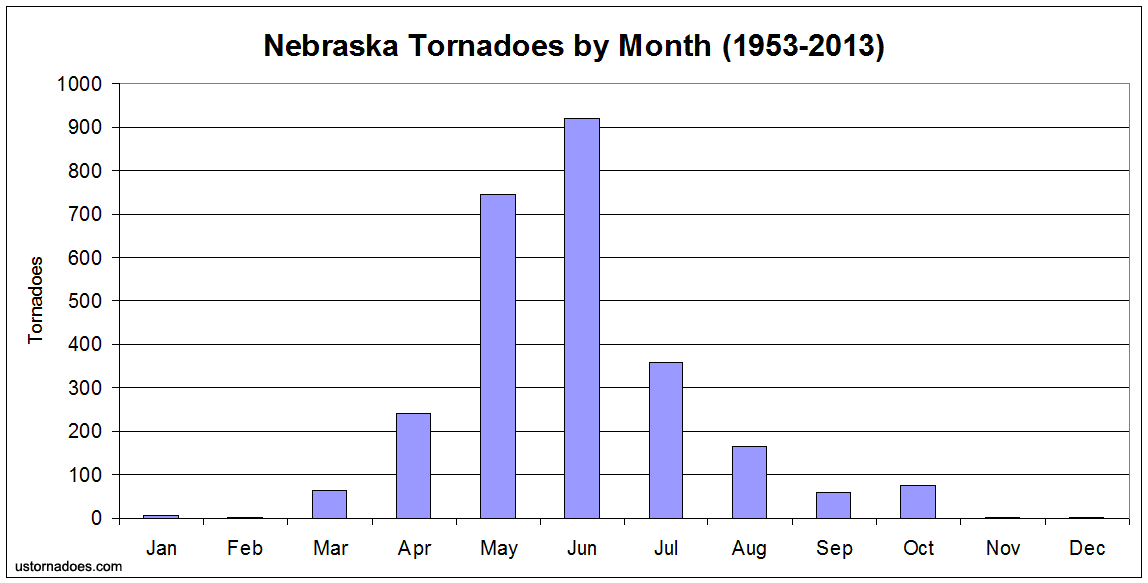
During these spring months, the collision of warm, moist air from the south and cool, dry air from the north becomes more frequent and pronounced. This clash, combined with strong jet stream dynamics, creates the perfect recipe for the development of powerful supercell thunderstorms capable of producing tornadoes. Travelers visiting during April, May, and early June should remain vigilant and aware of weather forecasts.
Early Summer: Lingering Threats
While the peak of tornado season is generally considered to be in May, the threat does not disappear with the arrival of summer. June can still experience significant tornado activity, although it typically begins to decrease as the month progresses. The atmospheric conditions that fuel severe weather can persist into early summer, especially in years with lingering spring-like patterns.
By late June and into July, the likelihood of tornadoes diminishes considerably. The atmosphere tends to stabilize, and the intense clashes of air masses become less common. However, it is important to remember that isolated severe thunderstorms, which can sometimes produce tornadoes, are still possible throughout the summer months. Therefore, a general awareness of weather conditions is advisable even outside the traditional peak season.
Preparing for Your Visit: Safety and Practical Considerations
When planning a trip to Nebraska during tornado season, prioritizing safety and understanding practical preparedness measures is essential. This proactive approach will ensure a more comfortable and secure travel experience.
Staying Informed: Weather Monitoring and Alerts
The most critical aspect of preparing for tornado season is staying informed about weather conditions. Nebraska has a robust weather monitoring system, and travelers should utilize these resources.
- National Weather Service: The National Weather Service is the primary source for official weather information and warnings. Their website and local NOAA Weather Radio broadcasts are invaluable for real-time updates.
- Emergency Alerts: Familiarize yourself with the emergency alert systems in place in Nebraska. These alerts are often delivered via smartphone apps (Wireless Emergency Alerts), television, and radio.
- Local News: Local television and radio stations in cities like Omaha, Lincoln, and smaller towns provide localized weather coverage and advice during severe weather events.
- Weather Apps: Numerous reputable weather apps offer real-time radar, forecasts, and severe weather alerts. Download a few trusted apps before your trip.
Accommodation and Shelter Options
Choosing your accommodation wisely and understanding shelter options is a key component of tornado preparedness.
- Hotels and Motels: Most modern hotels and motels in Nebraska have designated shelter areas, often in basements or interior hallways away from windows. Familiarize yourself with your hotel’s emergency plan upon arrival. Consider accommodations known for their robust safety protocols.
- Vacation Rentals: If you opt for a vacation rental, inquire about the nearest safe shelter. Some properties may have basements, while others might require you to identify public shelters in the vicinity.
- Public Shelters: In the event of a tornado warning and if your accommodation is not safe, local authorities will often designate public shelters. These are typically sturdy public buildings like schools or community centers. Know the locations of these shelters near your intended destinations.
- Basements and Interior Rooms: If you are in a private residence or a building without a designated shelter, the safest place to be during a tornado warning is a basement. If a basement is not available, go to an interior room on the lowest floor, away from windows and doors.
Planning Your Itinerary: Flexibility and Alternative Activities
Flexibility in your itinerary is paramount when traveling to Nebraska during tornado season.
- Be Prepared to Adjust: Weather can change rapidly, and severe weather can disrupt travel plans. Be prepared to adjust your schedule, reschedule outdoor activities, or seek shelter as needed.
- Indoor Attractions: Research indoor attractions in the areas you plan to visit. Museums, art galleries, aquariums, and shopping centers can serve as excellent alternatives if outdoor activities are cancelled due to weather. For instance, the Omaha Henry Doorly Zoo and Aquarium offers extensive indoor exhibits.
- Scenic Drives: While scenic drives through the Sandhills or along the Missouri River are beautiful, always check the weather forecast before embarking on extended drives.
- Community Events: Nebraska hosts numerous community events, festivals, and agricultural fairs. While these can be wonderful cultural experiences, verify their schedules and have backup plans in case of weather disruptions.
By understanding when tornado season occurs in Nebraska and taking these proactive steps, travelers can significantly enhance their safety and enjoy a rewarding experience exploring the unique charm of the Cornhusker State.
LifeOutOfTheBox is a participant in the Amazon Services LLC Associates Program, an affiliate advertising program designed to provide a means for sites to earn advertising fees by advertising and linking to Amazon.com. Amazon, the Amazon logo, AmazonSupply, and the AmazonSupply logo are trademarks of Amazon.com, Inc. or its affiliates. As an Amazon Associate we earn affiliate commissions from qualifying purchases.